Boulder Park: Folk Art Meets Desert Rock
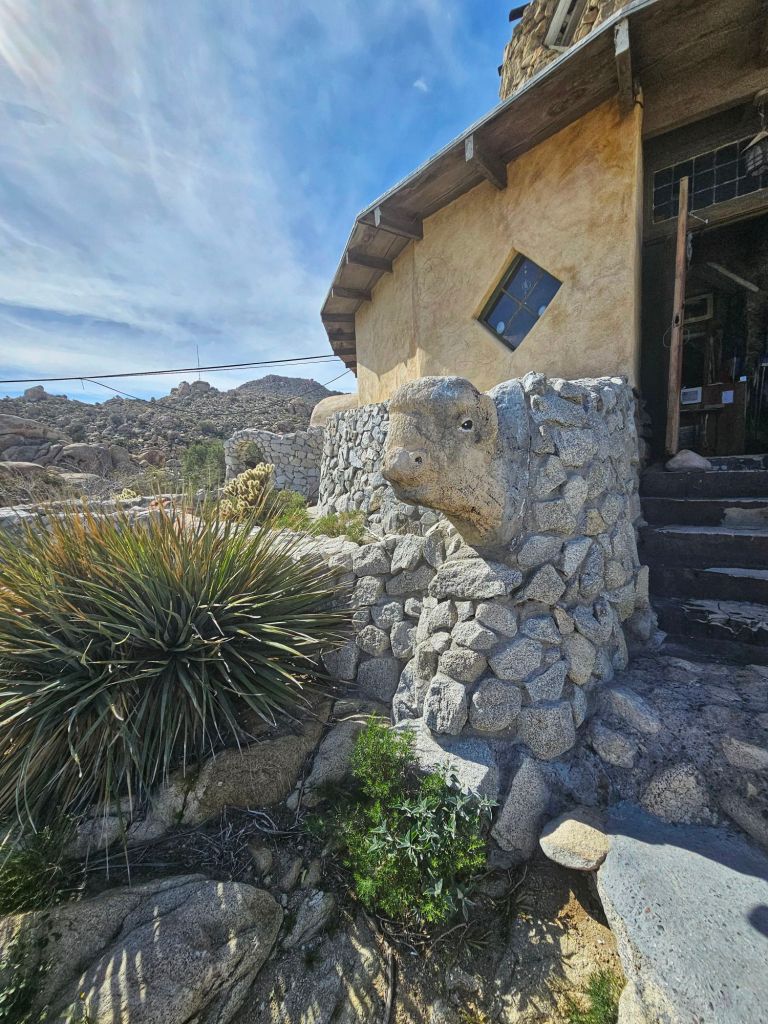
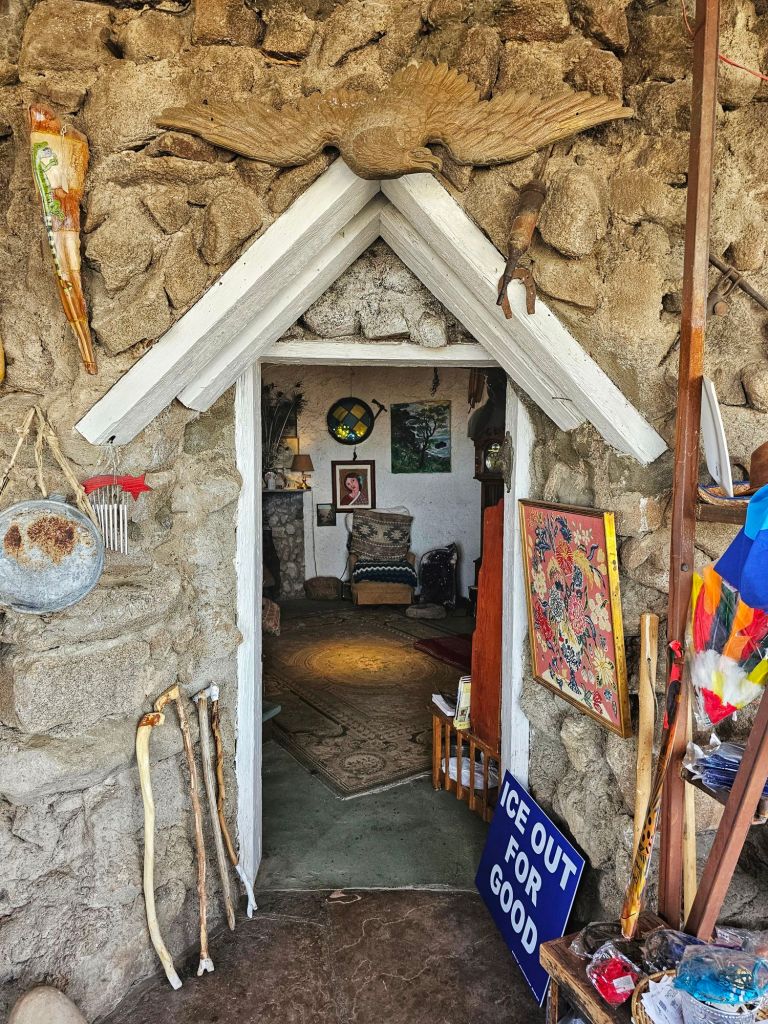
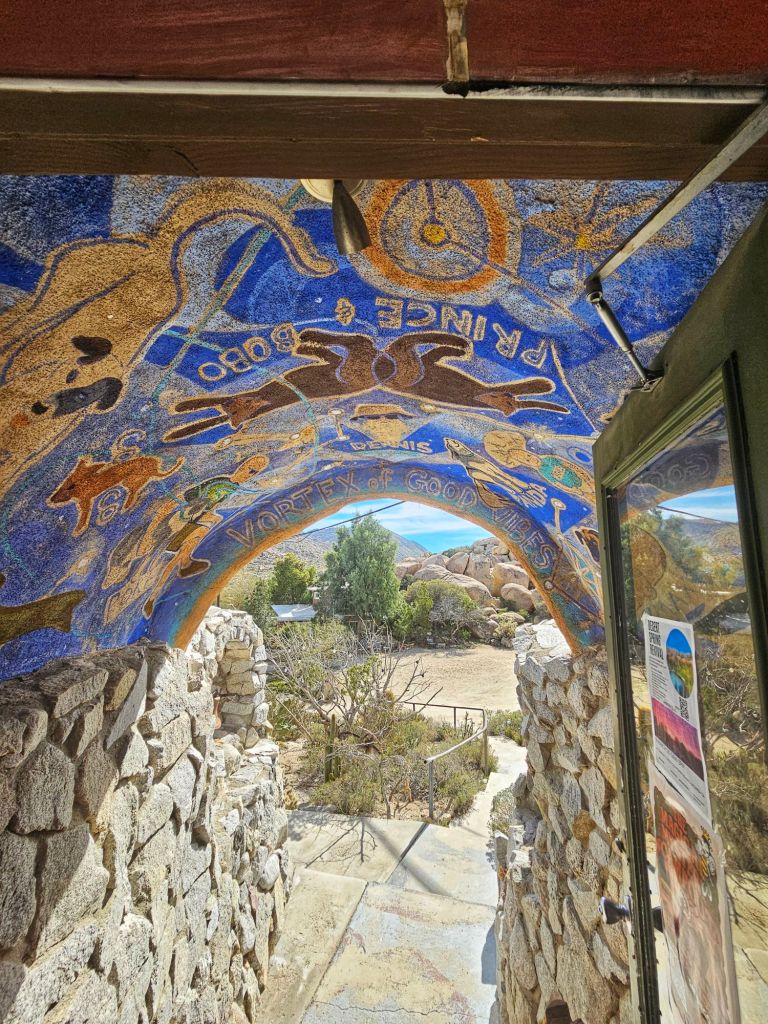
Just beside the tower lies the unforgettable Boulder Park — a surreal sculpture garden carved directly into massive quartz-granite boulders. During the 1930s, an out-of-work engineer named Merle Ratcliff spent nearly two years chiseling whimsical shapes into the stones: lizards, skulls, animals, and mysterious figures emerge from the rock as if sprung from the desert itself. This folk art environment brings a playful and slightly surreal contrast to the stark landscape.
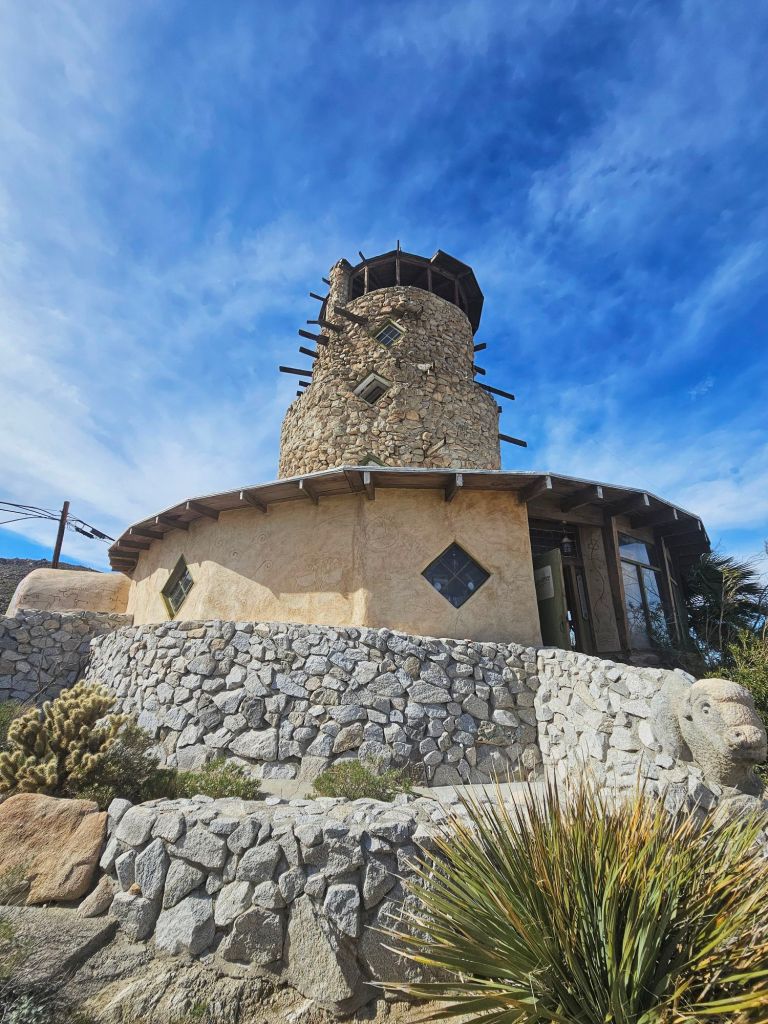
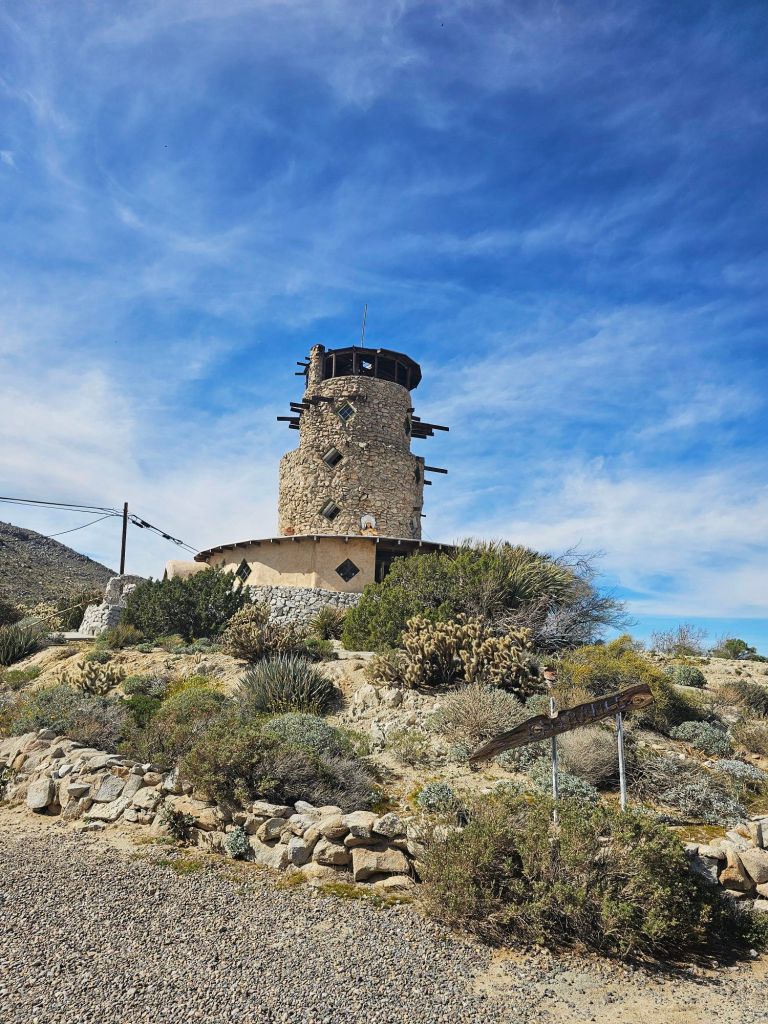
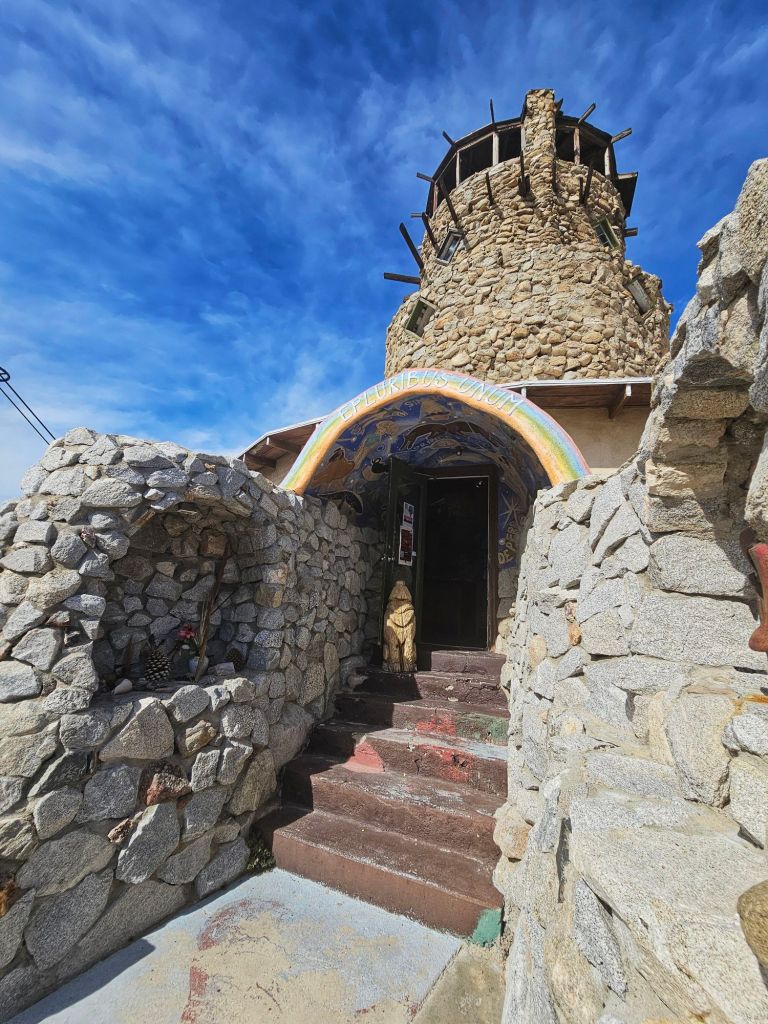
the Desert View Tower is a 5 story stone building built in the 1920s. Its less a mile from Interstate 8 in Ocotillo, Ca #view#desert#california#landscape#travel
Desert View Tower Open 7 Days a week from 8am to 6pm. To climb to the top of the tower or walk through boulder park will cost you $9.50
Tucked amid the rugged beauty of Southern California’s In-Ko-Pah Mountains, just off Interstate 8 near Jacumba Hot Springs, stands one of the most fascinating and offbeat roadside attractions in the American Southwest: the Desert View Tower. This striking stone structure has welcomed travelers for more than a century, offering sweeping desert views, folk-art charm, and a captivating slice of regional history.
A Monument to Pioneers and Road Travelers
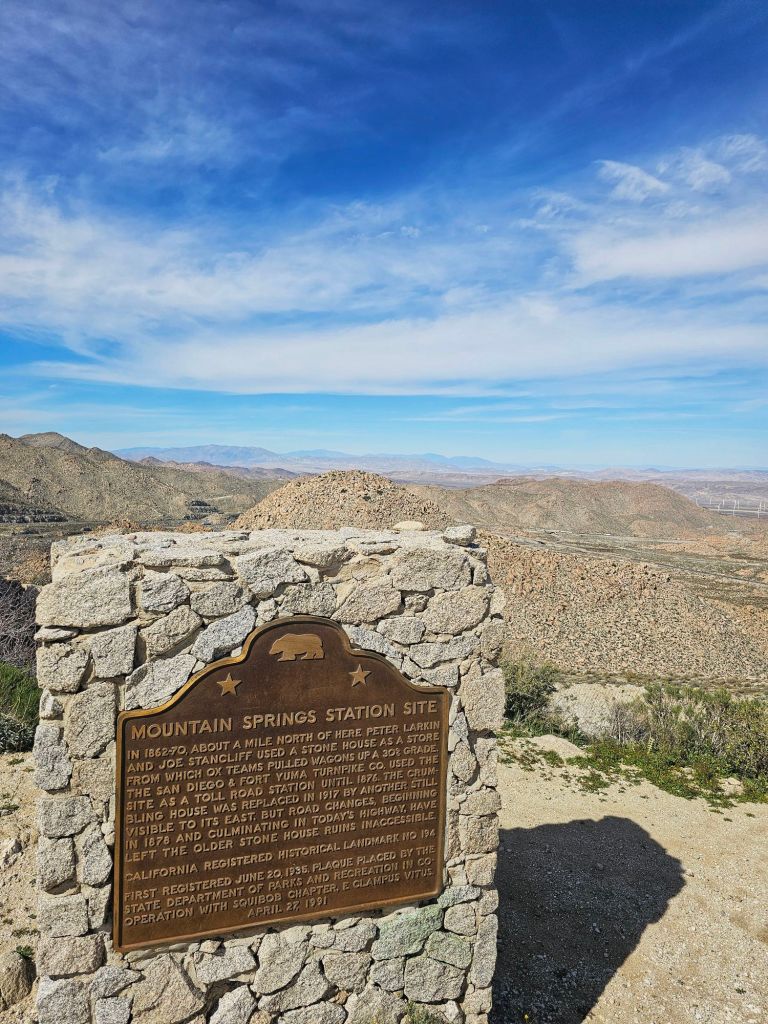
The Desert View Tower was built between 1922 and 1928 by San Diego entrepreneur Bert Vaughn, who wanted to honor the hardy pioneers, railroad builders, and early road crews who first pushed through this arid landscape. Perched at roughly 3,000 feet in elevation, it was originally a roadside beacon along Old U.S. Route 80 — guiding and inviting travelers as automobiles began to shape the American West.
Boulder Park: Folk Art Meets Desert Rock
Just beside the tower lies the unforgettable Boulder Park — a surreal sculpture garden carved directly into massive quartz-granite boulders. During the 1930s, an out-of-work engineer named Merle Ratcliff spent nearly two years chiseling whimsical shapes into the stones: lizards, skulls, animals, and mysterious figures emerge from the rock as if sprung from the desert itself. This folk art environment brings a playful and slightly surreal contrast to the stark landscape.
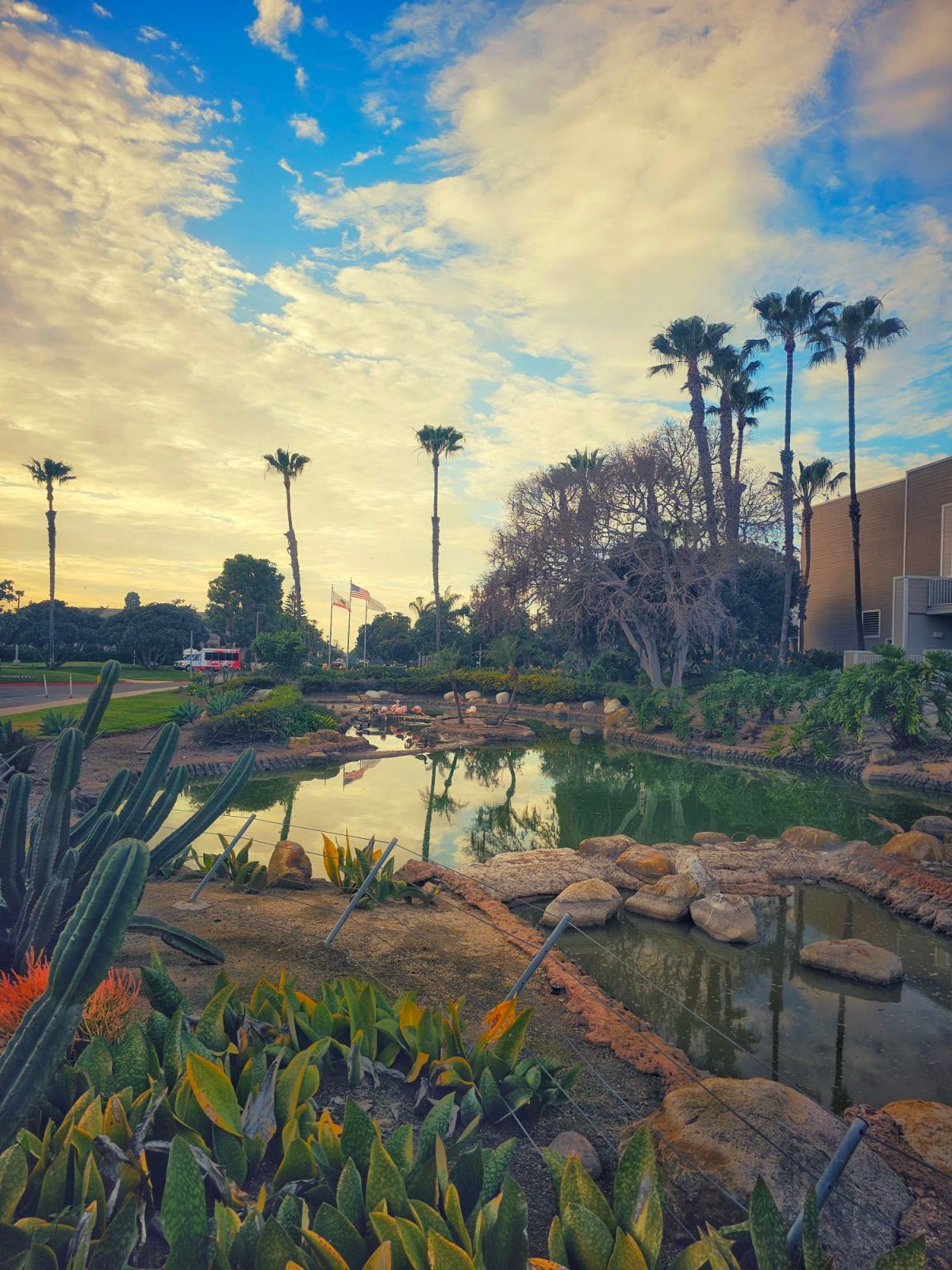
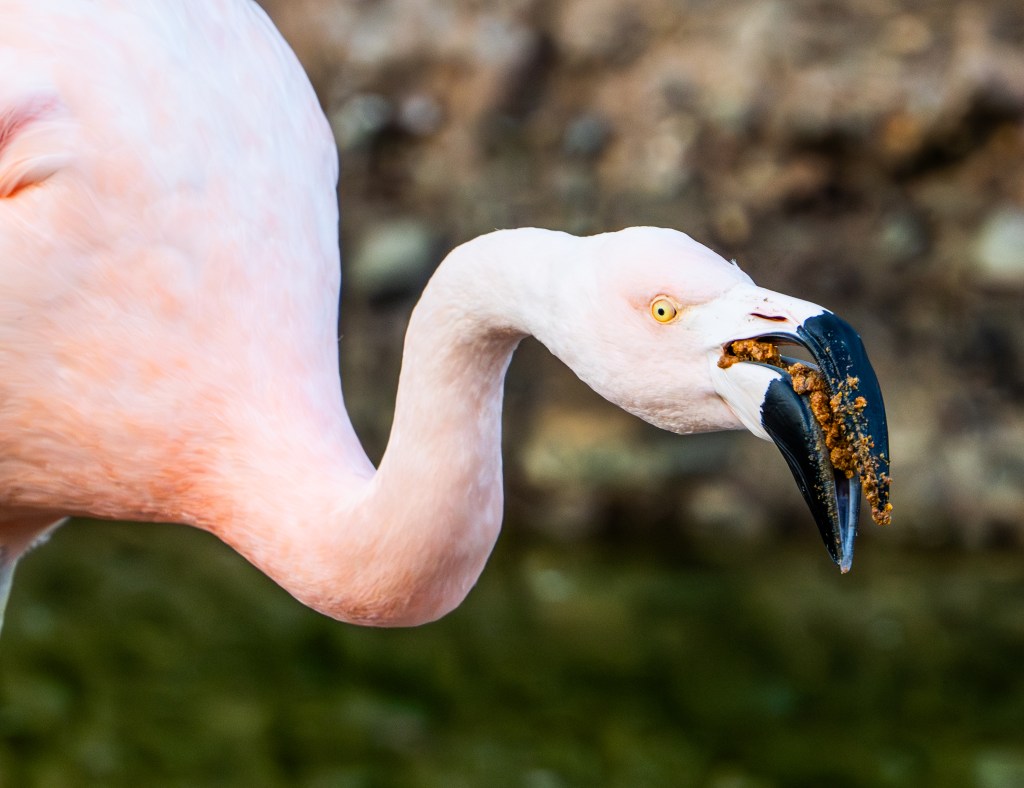
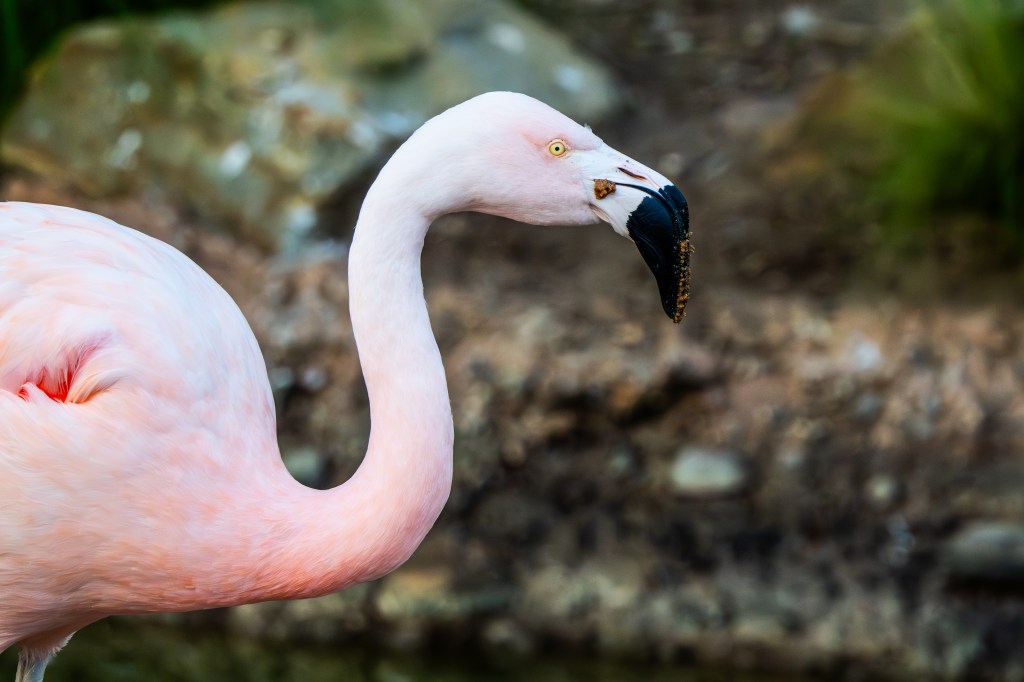
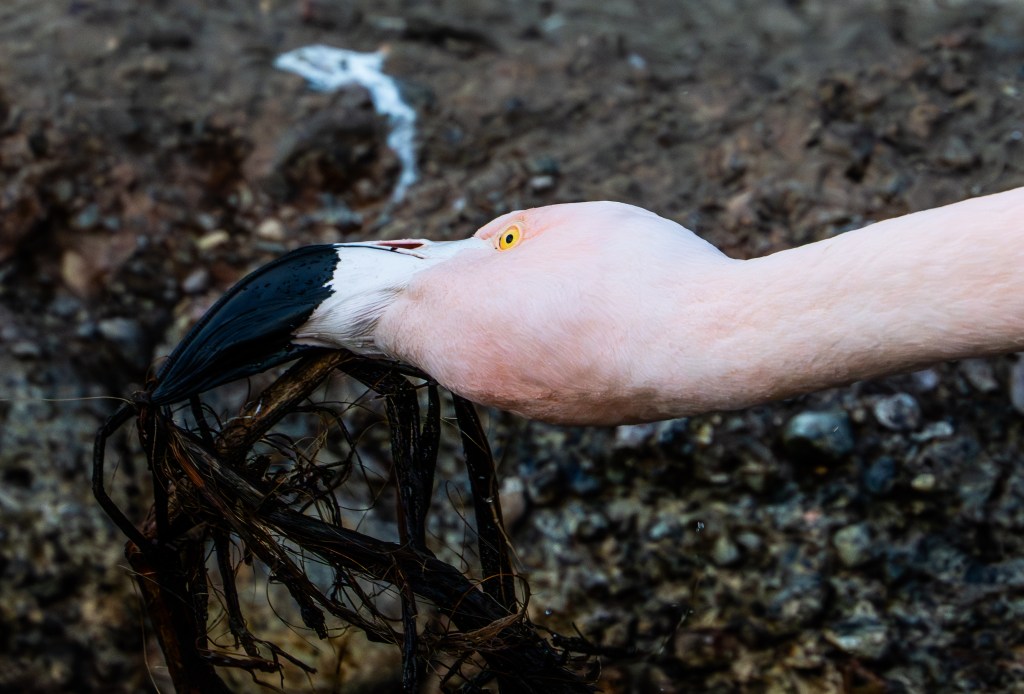
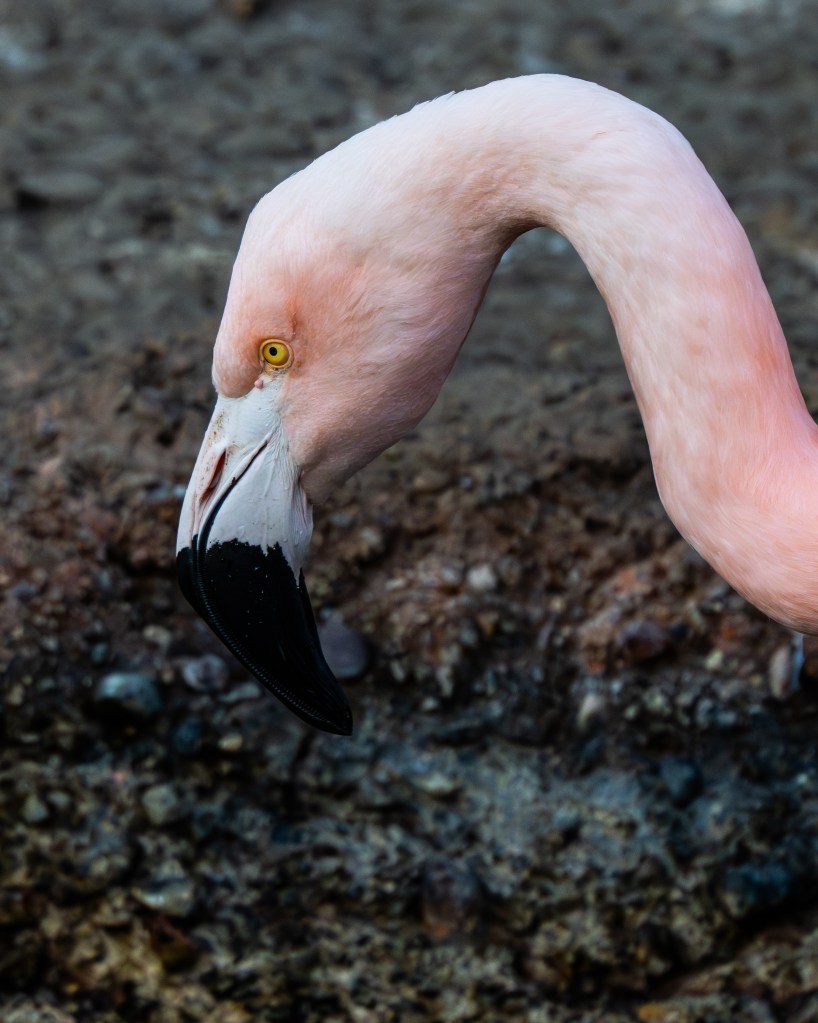
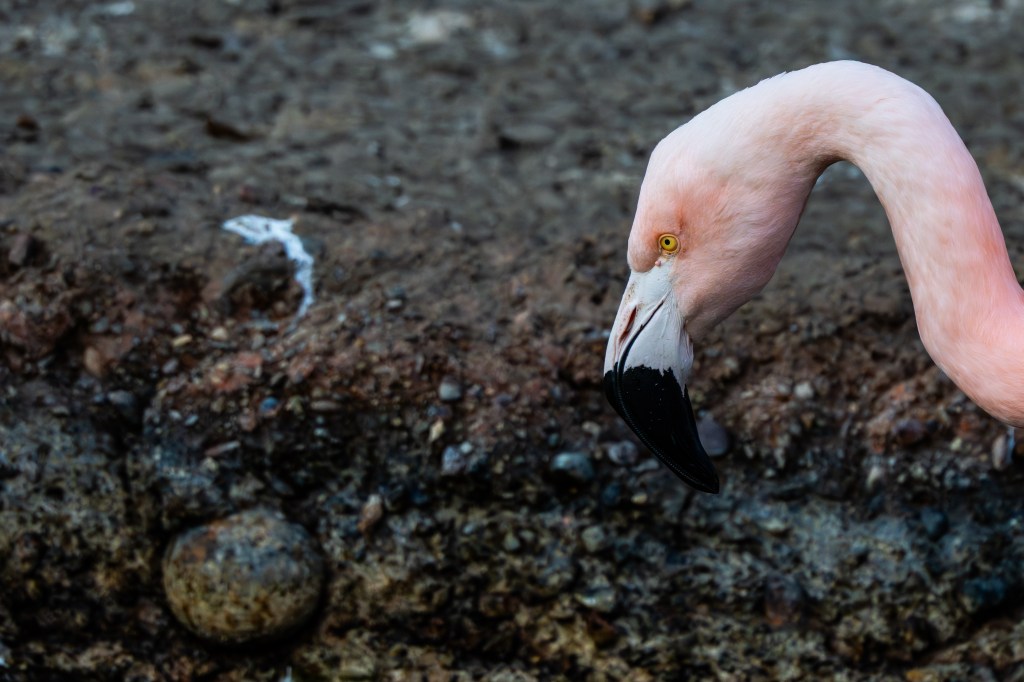
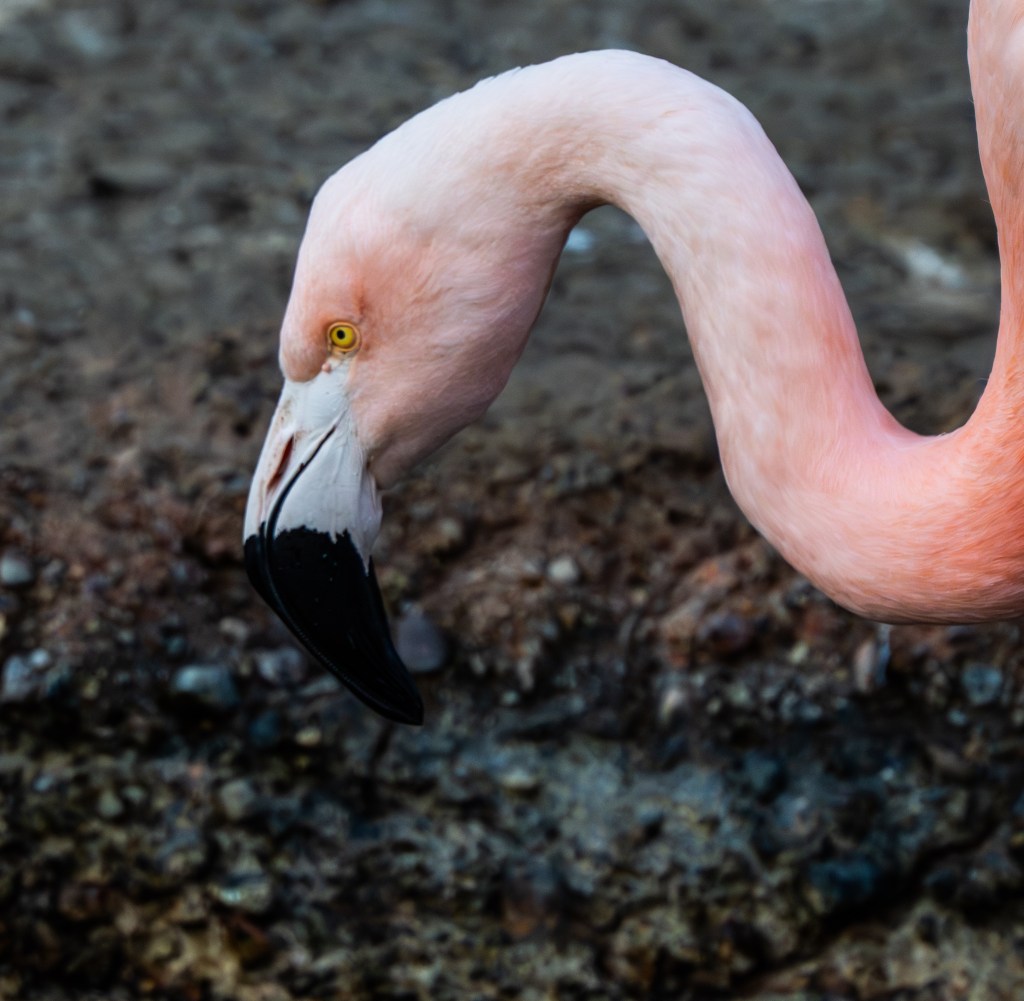
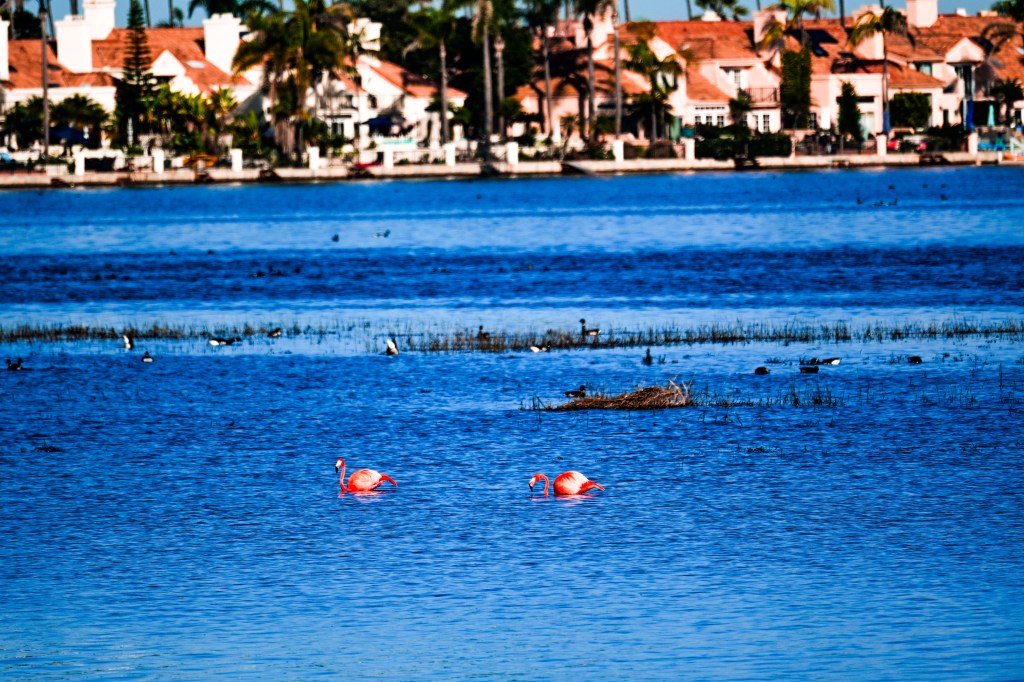
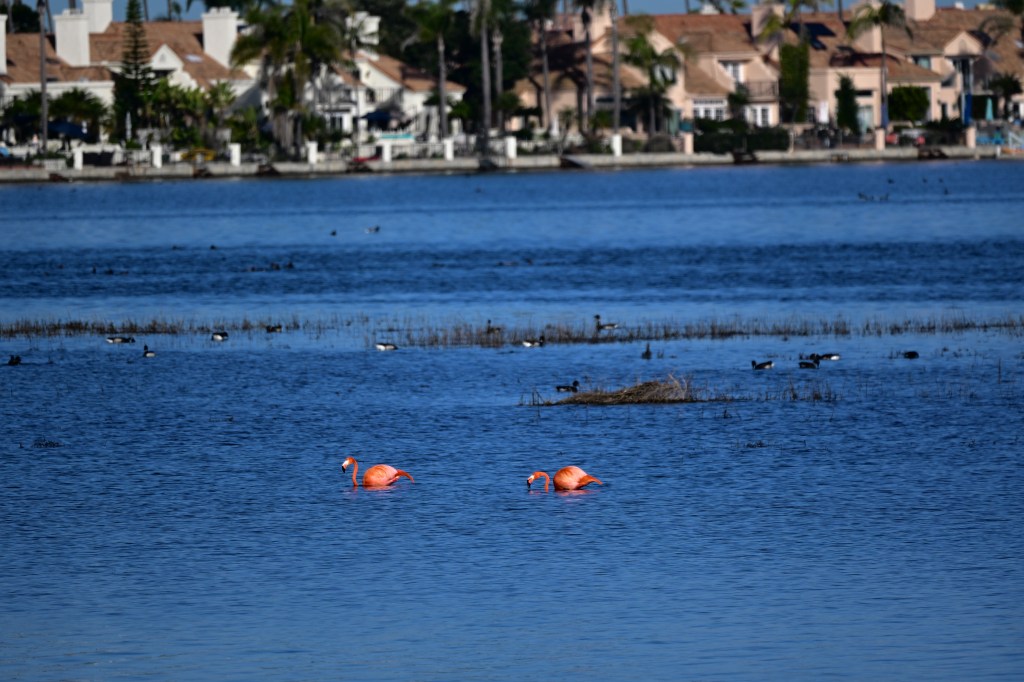
Right near the entrance of the Marriott Coronado Resort and Spa area series of fresh water ponds where you can a group of flamingos strutting, preening and standing in the shallows. These striking birds — often identified as Chilean flamingos— bring an enchanting splash of color to the tropical landscaping and are a favorite photo opportunity for guests and passersby alike.
While Coronado’s golden beaches and sparkling bay views are a draw in themselves, the flamingos offer something extra: a touch of whimsy and wonder. They’re known to hang out right by the Lagoon area accessible from the Bayshore Bikeway, so even if you aren’t staying at the hotel, a quiet stroll along the waterfront could lead to a charming flamingo sighting.
📸 Why Visitors Love Them
Iconic photo ops: Kids and adults alike pause to snap pictures of the elegant birds — their vibrant pink feathers make a lovely contrast against the deep greens of the resort landscaping and the blue backdrop of San Diego Bay.
Unexpected wildlife moment: It’s not every day you come across flamingos in Southern California, so they feel like a special little secret of Coronado.
Accessible to all: You don’t need a room key to enjoy the flamingos — curious visitors can spot them from nearby public paths near the ferry landing and waterfront promenade.
If you are not a guest of the hotel or do not want to pay the resort parking fee you will have to find street parking in front of the hotel along Glorietta Boulevard. Park south of the resort at Tidelands Park and walk north along the Bay Shore Bike Path. Or lastly park north of the resort ant the Coronado Ferry Landing Parking lot and walk south along the bay shore bike path.
The freshwater ponds are located to the right of the main hotel entrance on the south side of the building.
Flamingos in San Diego Bay: Rare Sightings Along a Familiar Shoreline
San Diego Bay is home to more than 300 bird species throughout the year, but flamingos are not among the region’s native wildlife. Still, on rare occasions, observers have reported flamingos along the bay’s shallow edges, drawing attention from birders and curious onlookers alike.
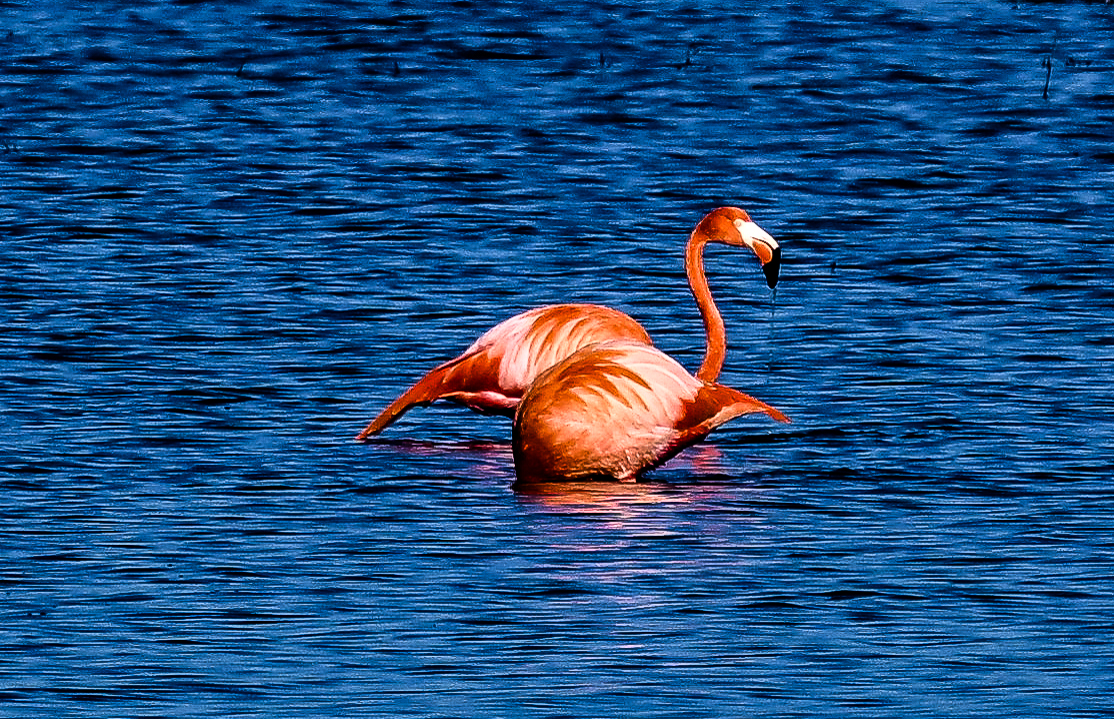
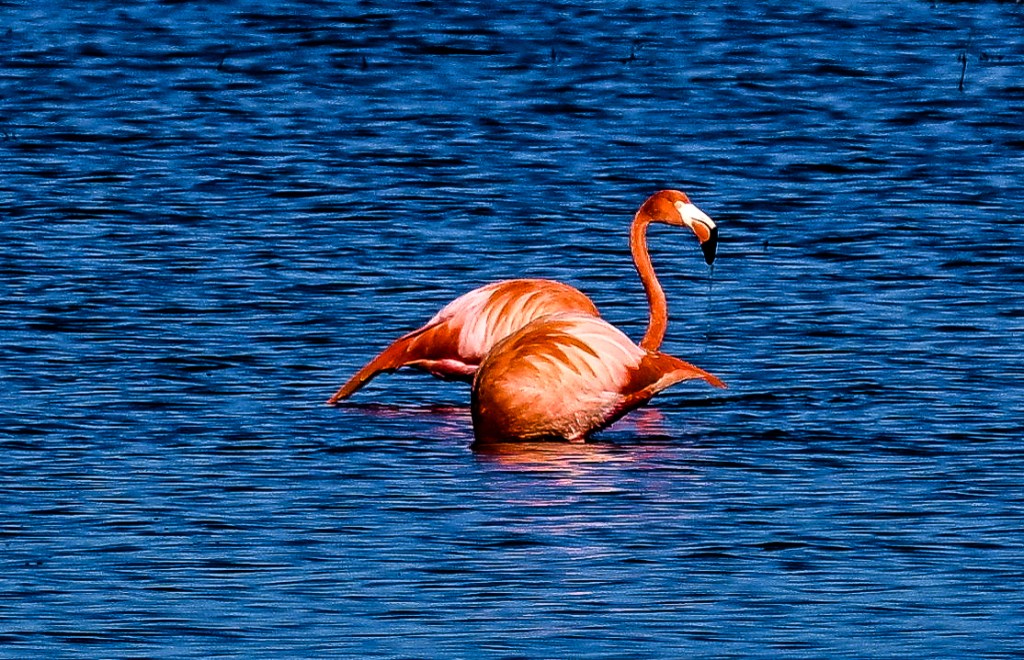
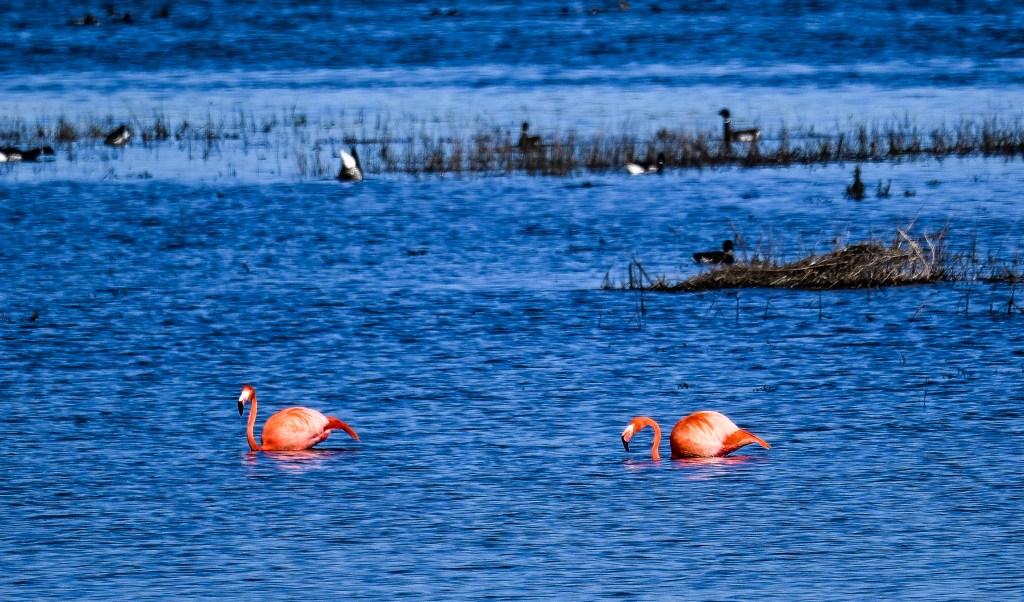
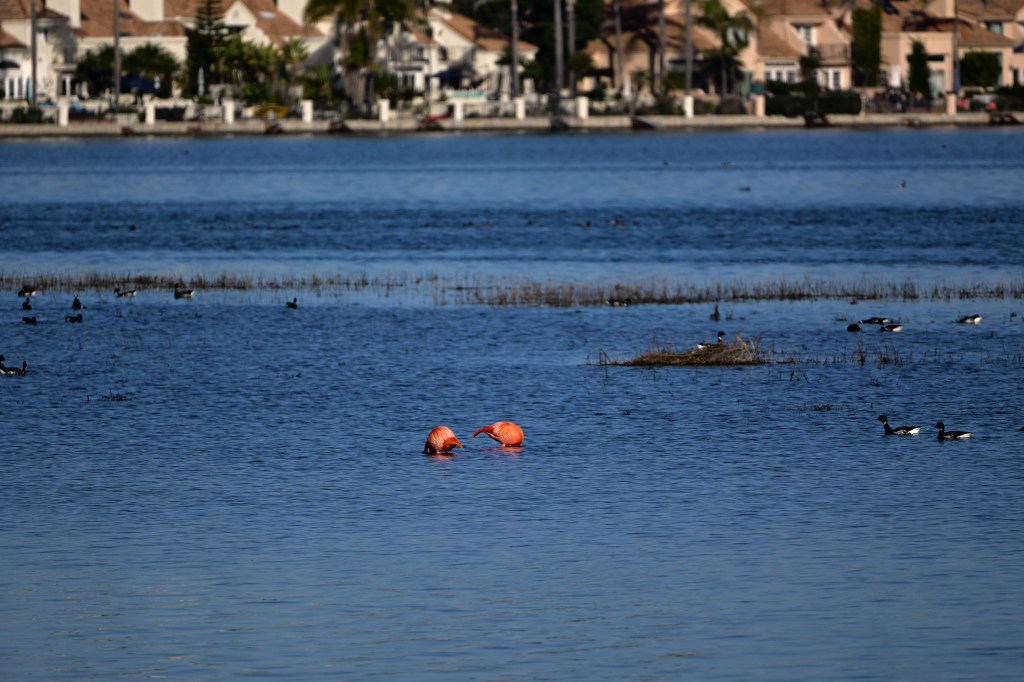
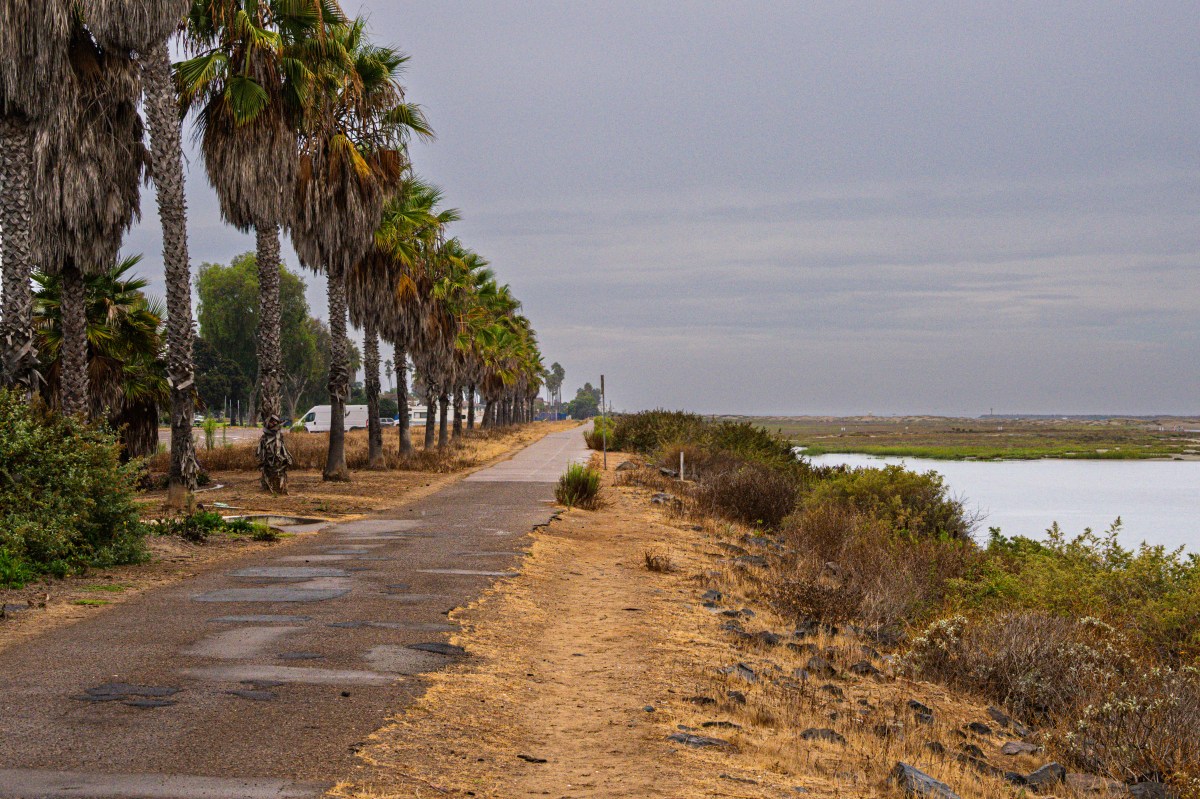
These sightings, while unusual, are not without explanation. Over the weekend I was driving southbound on State Route 75 from Coronado to Imperial Beach when I spotted 2 pink dots off to my left in the marsh shallows. I turned around in Imperial Beach, headed north to the Bike Path parking lot accessible from NB 75. And walk north for about 15min to find the two flamingos about 200 yards off shore. It was High Tide at the time which flooded the shallow marsh and coaxed the flamingos and other shore birds closer to shore.
Not Native, but Occasionally Present
Flamingos do not naturally occur in Southern California. Their typical range includes the Caribbean, parts of South America, Africa, and the Galápagos Islands. Experts generally agree that flamingos seen in San Diego County are likely birds that escaped or dispersed from captive populations rather than true wild migrants.
In the mid-20th century, flamingos were commonly kept in open-air zoo exhibits and private collections. Some individuals were able to fly beyond their enclosures and settle into nearby wetlands. A small number adapted to local conditions and remained in Southern California for extended periods, occasionally appearing in bays, lagoons, and salt ponds.
Habitat Conditions in San Diego Bay
Despite its urban setting, San Diego Bay contains habitat features that can support flamingos. Shallow waters, mudflats, and salt ponds provide feeding opportunities similar to those found in the species’ native environments. Flamingos feed on algae, brine shrimp, and other small invertebrates, filtering food from the water using specialized bills.
The bay’s salt works and managed wetlands, particularly in the southern portion of the bay, offer stable water levels and limited wave action—conditions suitable for wading birds that rely on calm, shallow areas.
Public Interest and Documentation
When flamingos appear in the bay, the sightings are typically well documented. Photographs and field notes are often shared through birding networks and community science platforms, where experts review and confirm observations. These records help distinguish between escaped birds, long-term residents, and misidentified species.
While flamingos attract attention, wildlife officials generally discourage close approaches. Maintaining distance reduces stress on the birds and minimizes the risk of disturbance to surrounding wildlife.
A Reminder of the Bay’s Ecological Value
Though flamingos are not part of San Diego Bay’s native ecosystem, their presence highlights the importance of coastal wetlands. The same habitats that occasionally support a flamingo also sustain migratory shorebirds, waterfowl, and endangered species year-round.
Even rare and unexpected sightings underscore the bay’s role as a critical refuge in a heavily developed region—one that continues to support a wide range of avian life.
Stretching along the southern shore of the Salton Sea, the Sonny Bono Salton Sea National Wildlife Refuge is one of Southern California’s most surprising and important wildlife destinations. What looks like a stark desert landscape at first glance quickly reveals itself as a vital oasis for birds, mammals, and migrating wildlife traveling the Pacific Flyway.
A Refuge Born from Agriculture and Conservation
The refuge was established in 1930, originally to provide habitat for migratory birds drawn to agricultural runoff in the Imperial Valley. In 1998, it was renamed in honor of Sonny Bono, the late congressman and entertainer who played a key role in expanding and protecting public lands in California.
Today, the refuge spans more than 37,000 acres of managed wetlands, desert scrub, and agricultural fields. These habitats work together to support wildlife in a region where natural water sources are scarce.
A Birding Hotspot of International Importance
If you love birds, this place is legendary. More than 400 bird species have been recorded here, making it one of the most significant birding locations in the western United States.
Depending on the season, visitors may spot:
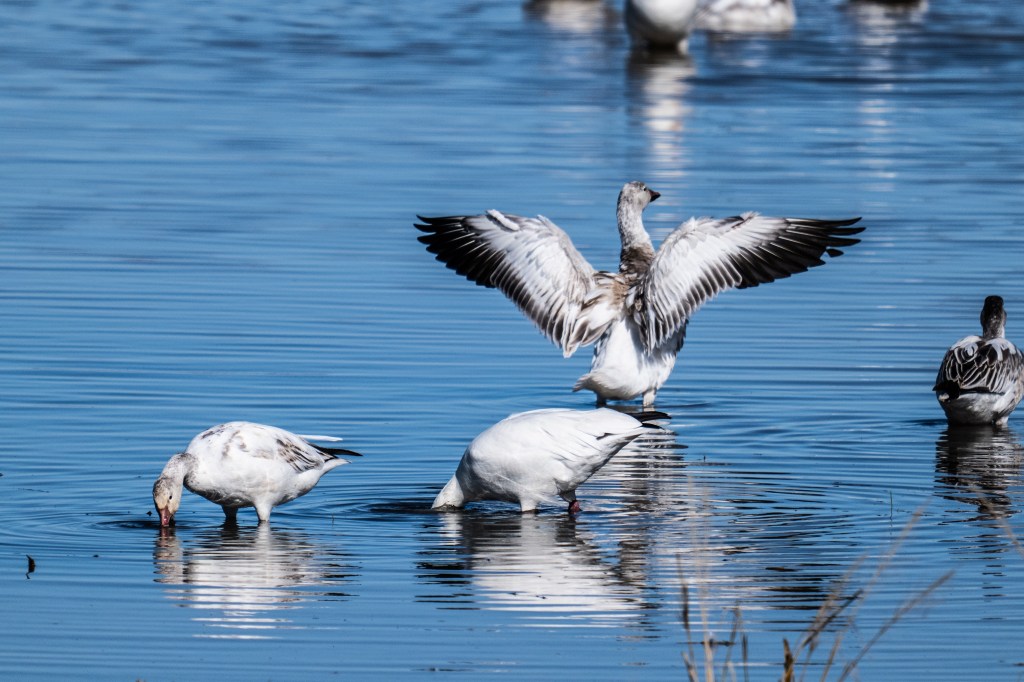
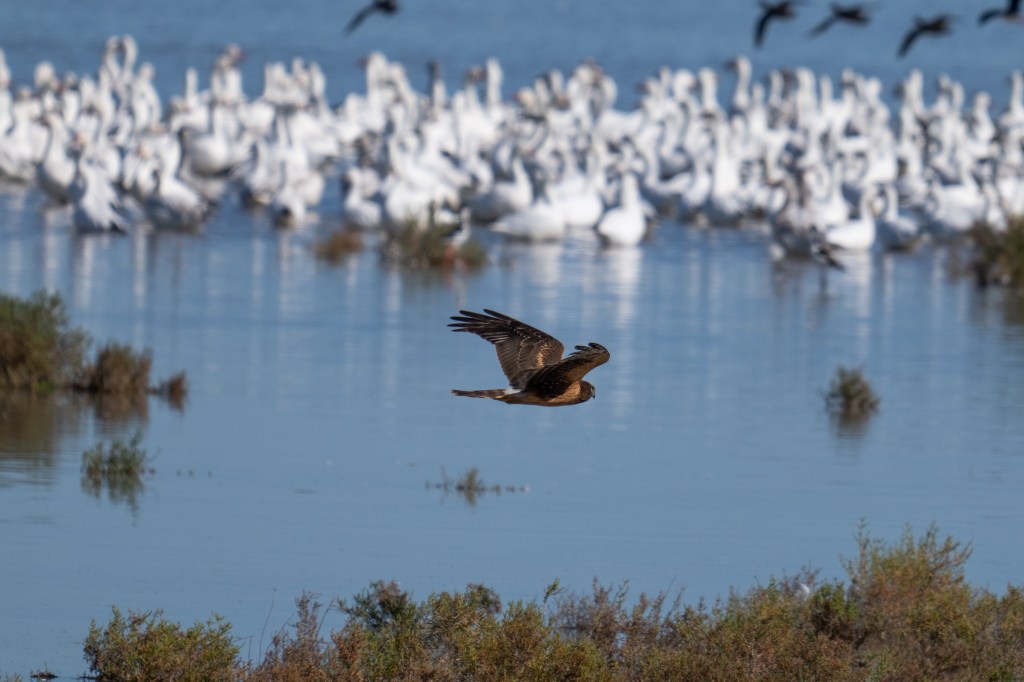
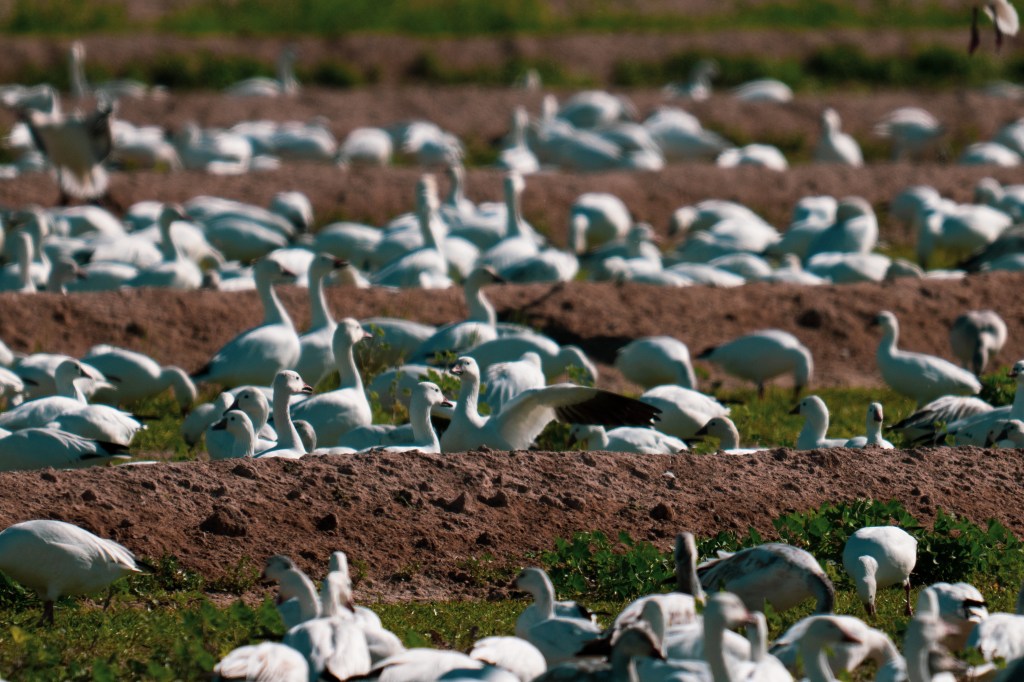
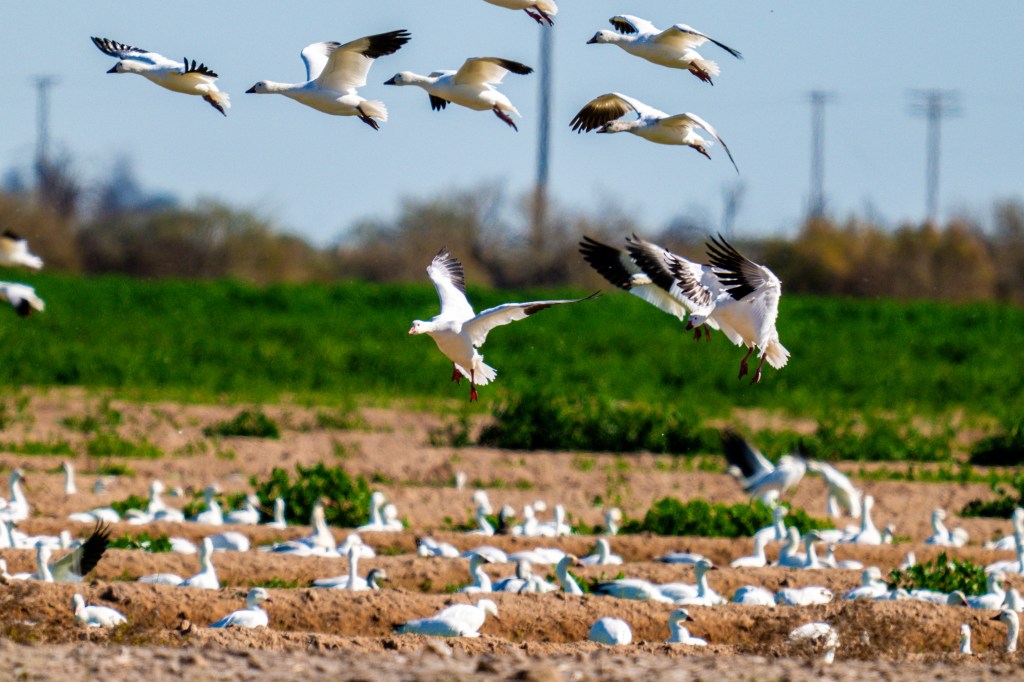
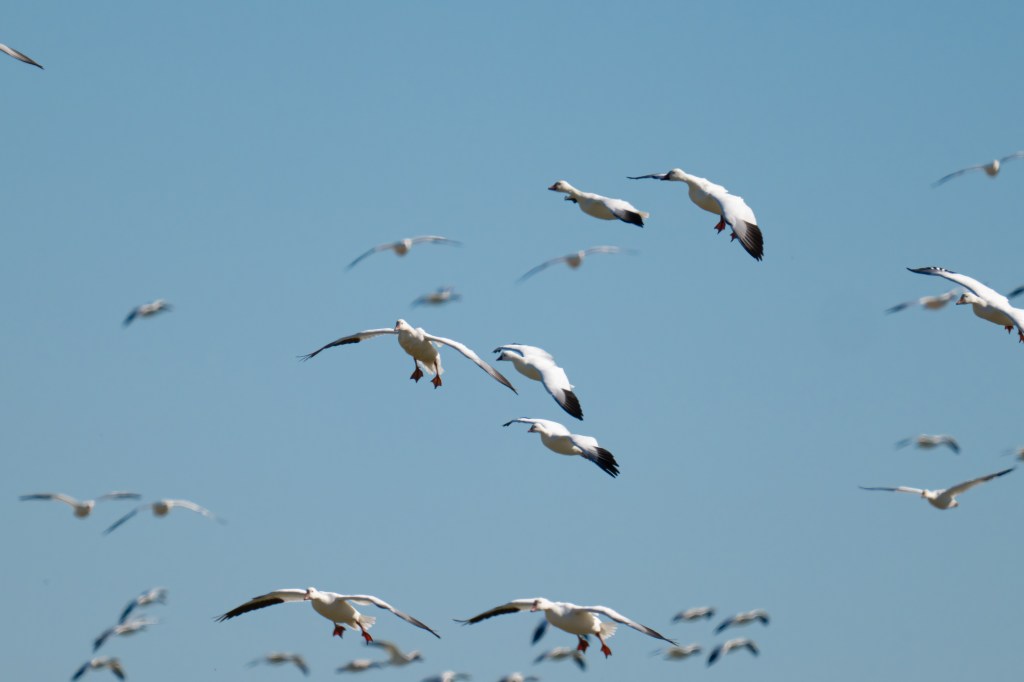
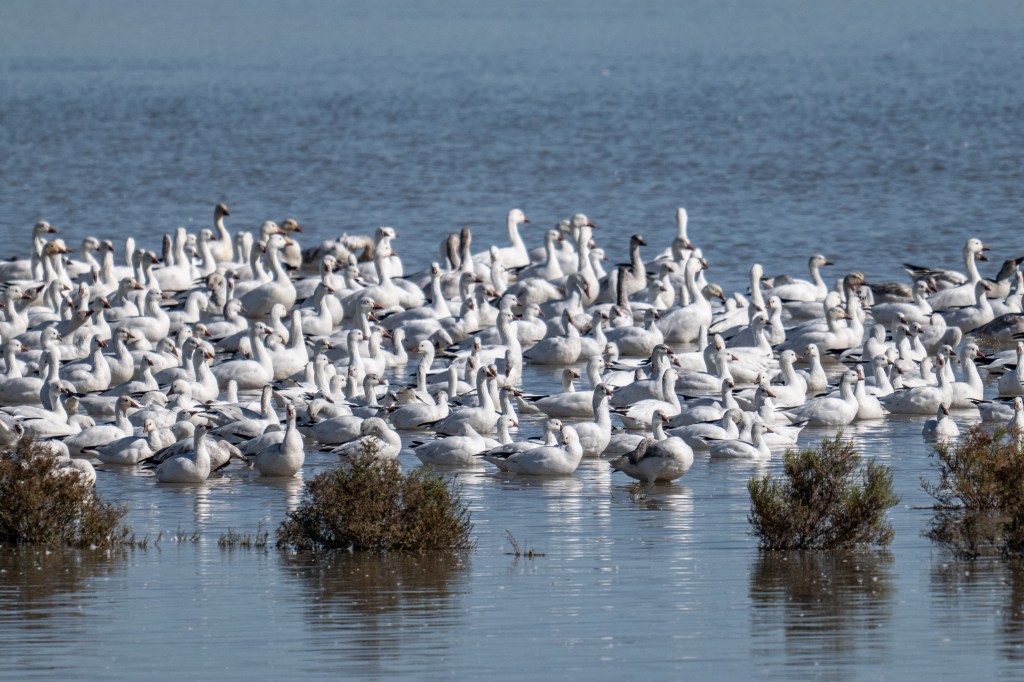
Snow geese and Ross’s geese by the thousands
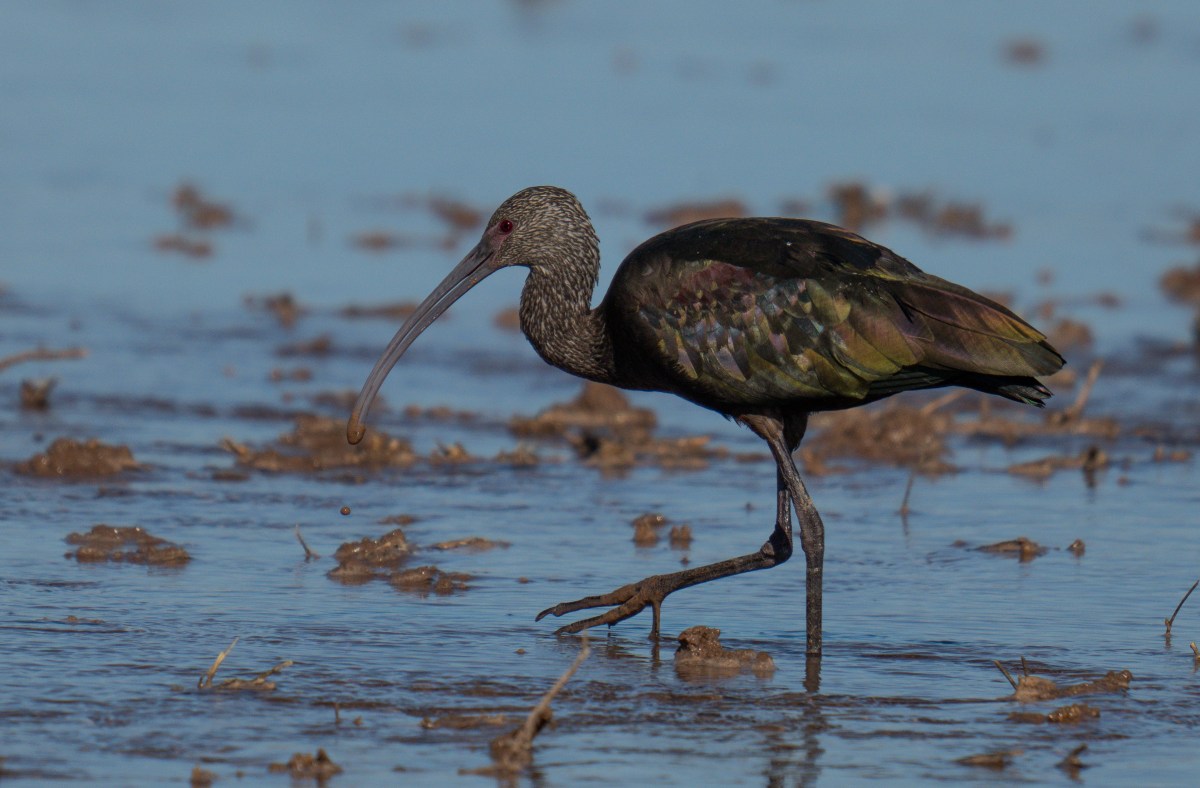
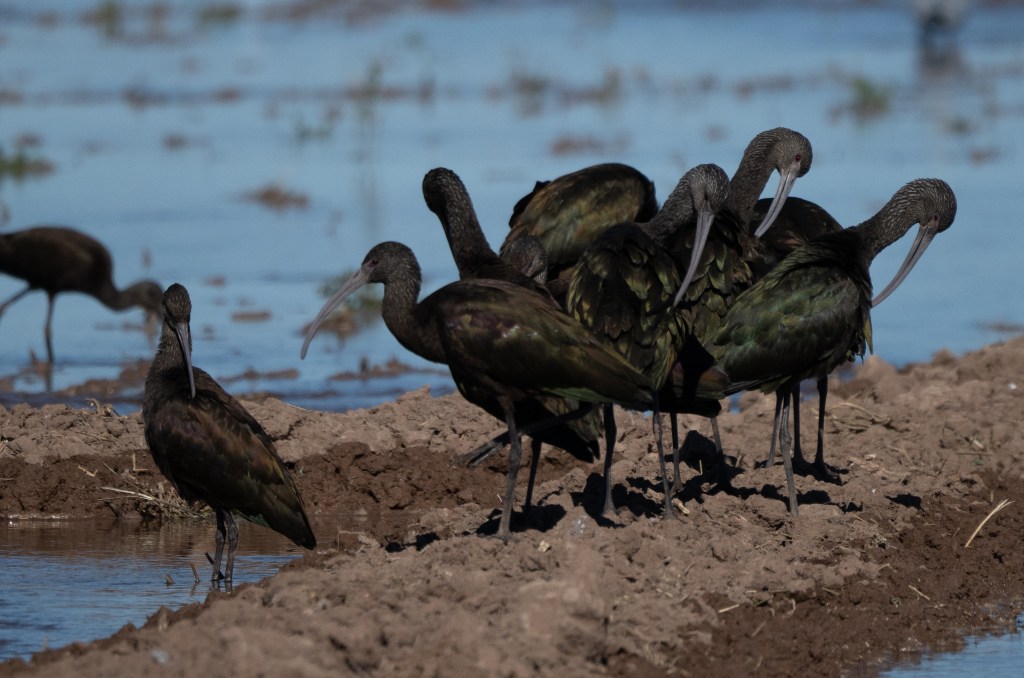
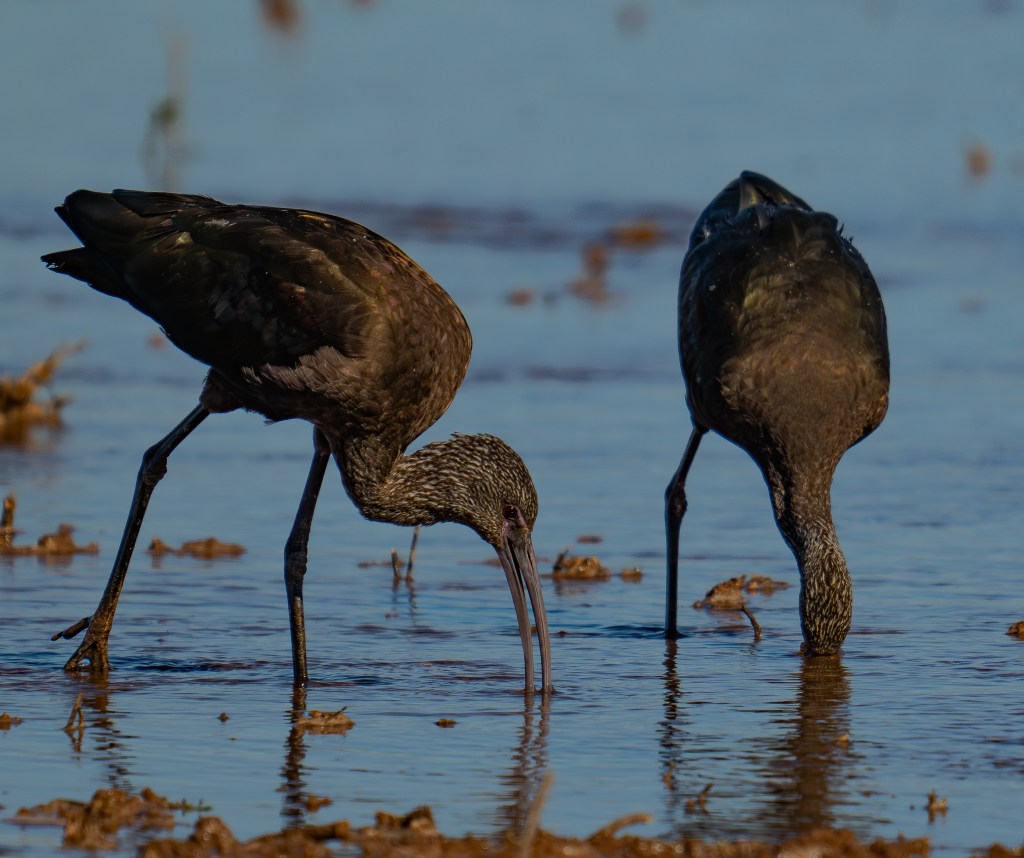
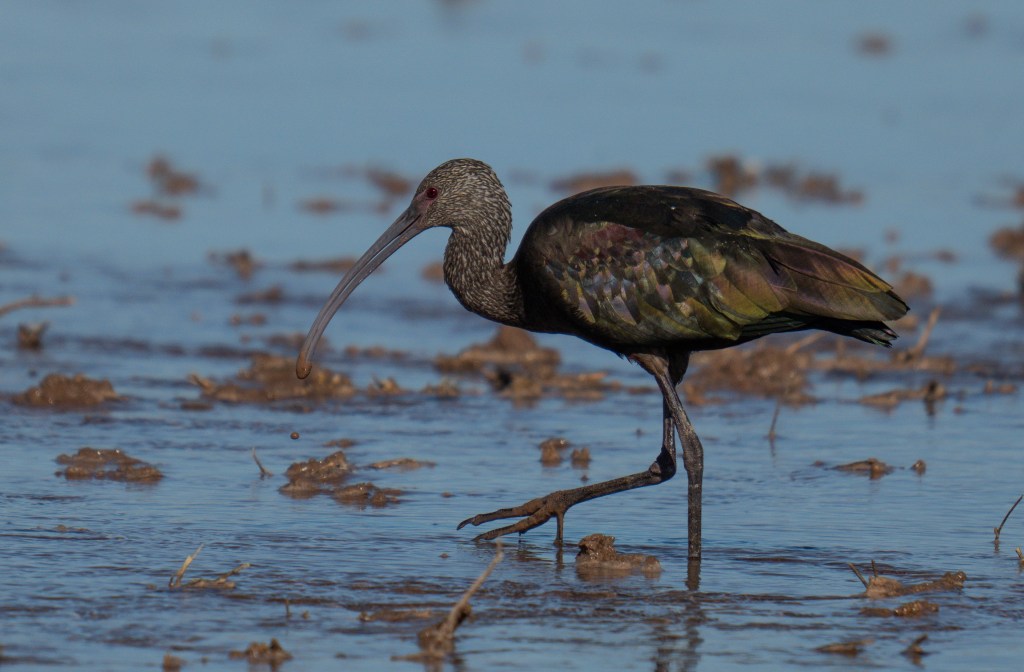
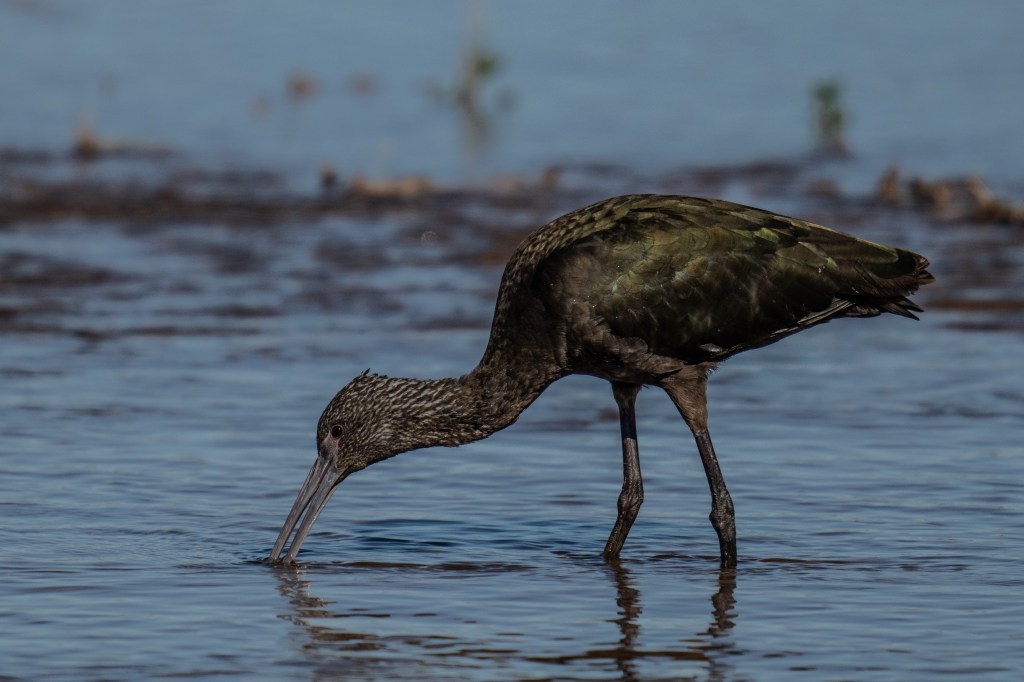
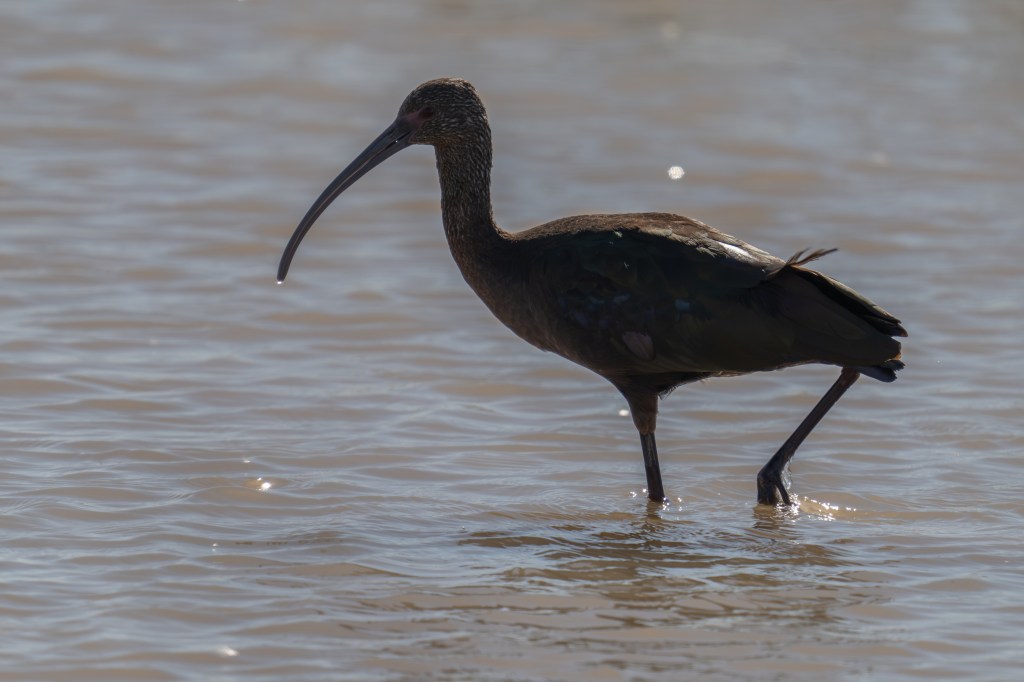
White-faced ibis and long-legged shorebirds
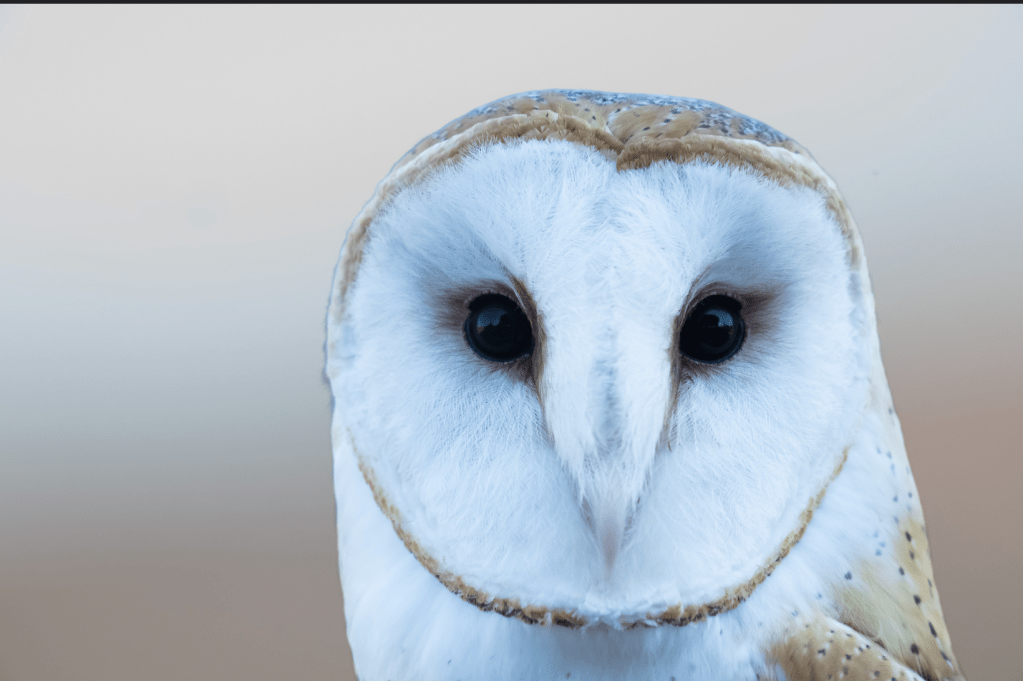
Burrowing owls tucked into desert edges
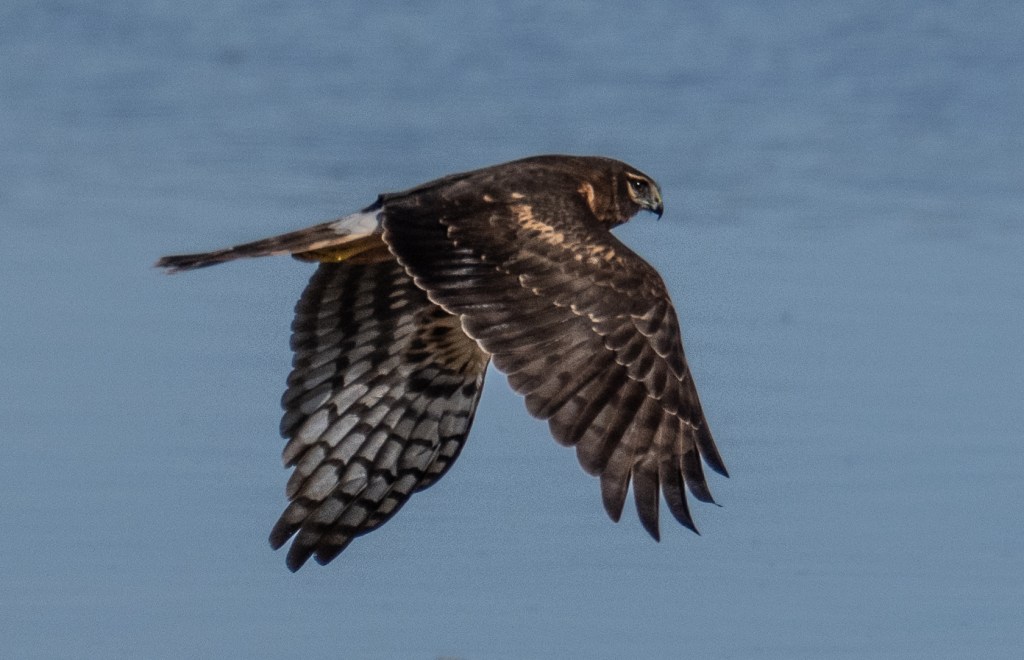
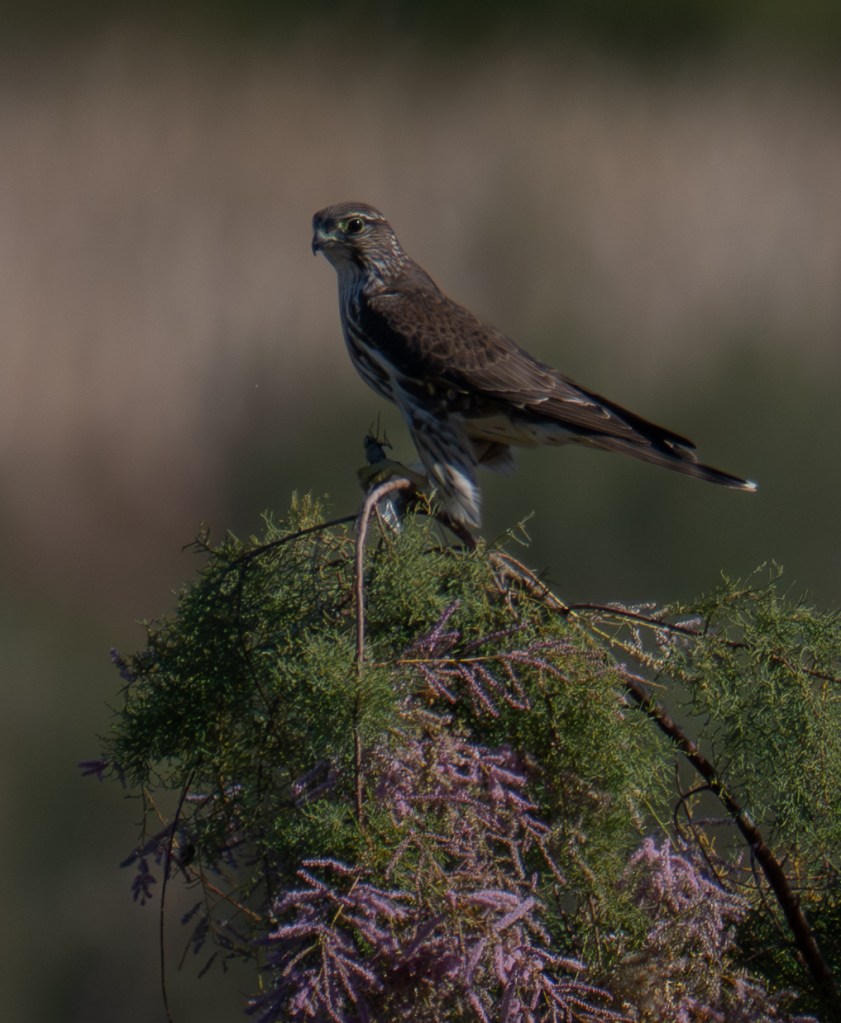
Raptors like northern harriers and peregrine falcons
Winter is especially spectacular, when migratory birds arrive in massive numbers and transform the refuge into a living, moving landscape.
Exploring the Refuge
The refuge is very visitor-friendly, with options for both casual sightseeing and serious wildlife observation.
Highlights include:
Auto tour routes that loop through wetlands and fields
Walking trails for quiet wildlife viewing
Photography pullouts perfect for sunrise and sunset light
The flat terrain and open skies make it an ideal spot for photography, especially when the mountains reflect off the water or flocks of birds fill the horizon.
Why This Refuge Matters
Despite ongoing environmental challenges facing the Salton Sea, the Sonny Bono Wildlife Refuge remains a critical lifeline for wildlife. Carefully managed water flows and habitat restoration efforts help sustain species that depend on this stopover during long migrations.
The refuge is also a powerful reminder that even altered landscapes can become essential ecosystems when conservation and stewardship come together.
Planning Your Visit
The Sonny Bono Salton Sea National Wildlife Refuge is located near Niland, California, and is open year-round during daylight hours. Cooler months—from late fall through early spring—offer the most comfortable weather and the highest concentration of wildlife.
Whether you’re a birder, photographer, or simply curious about one of California’s most unusual natural areas, the Sonny Bono Wildlife Refuge is a place that challenges expectations and rewards patience.
Bird Checklist: Sonny Bono Salton Sea National Wildlife Refuge
The refuge supports hundreds of bird species throughout the year. This checklist highlights commonly seen and notable birds, especially during peak migration and winter months.
Waterfowl
Snow Goose
Ross’s Goose
Canada Goose
Northern Pintail
American Wigeon
Green-winged Teal
Cinnamon Teal
Northern Shoveler
Ruddy Duck
Shorebirds
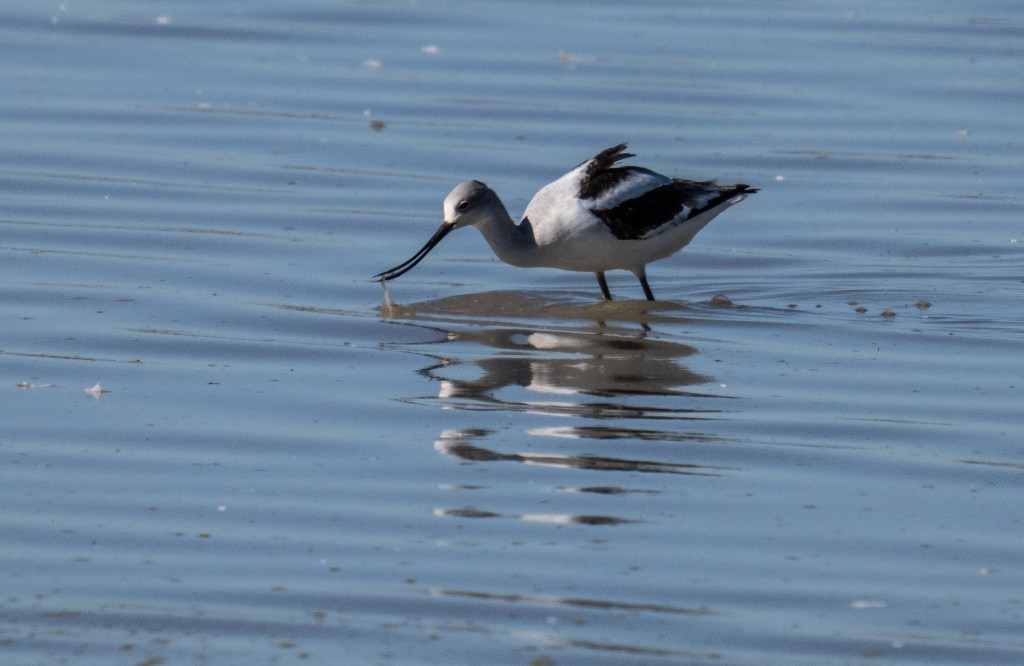
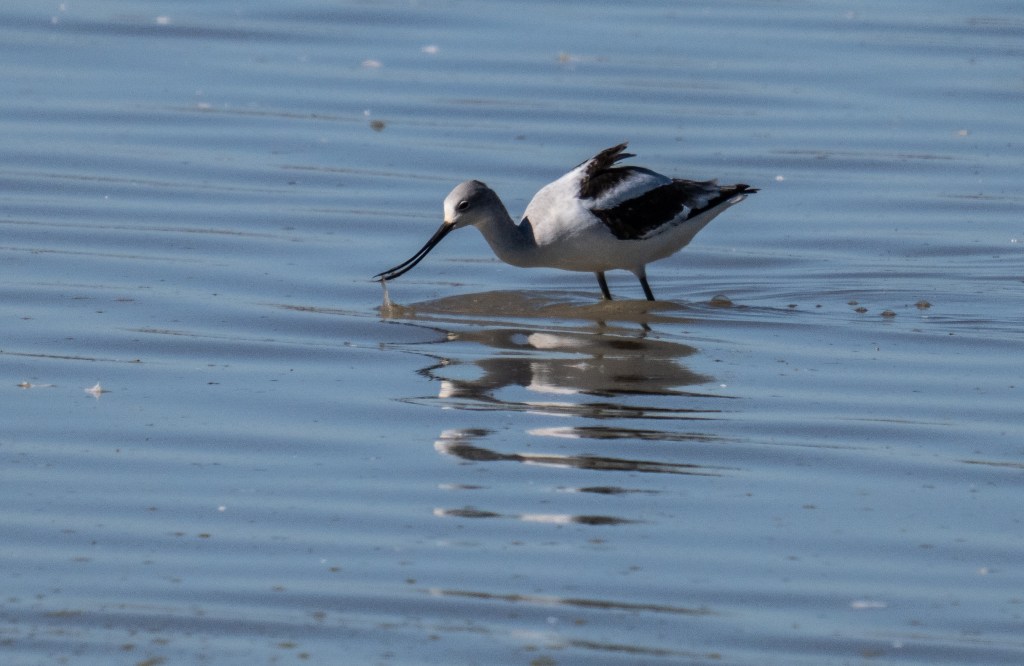
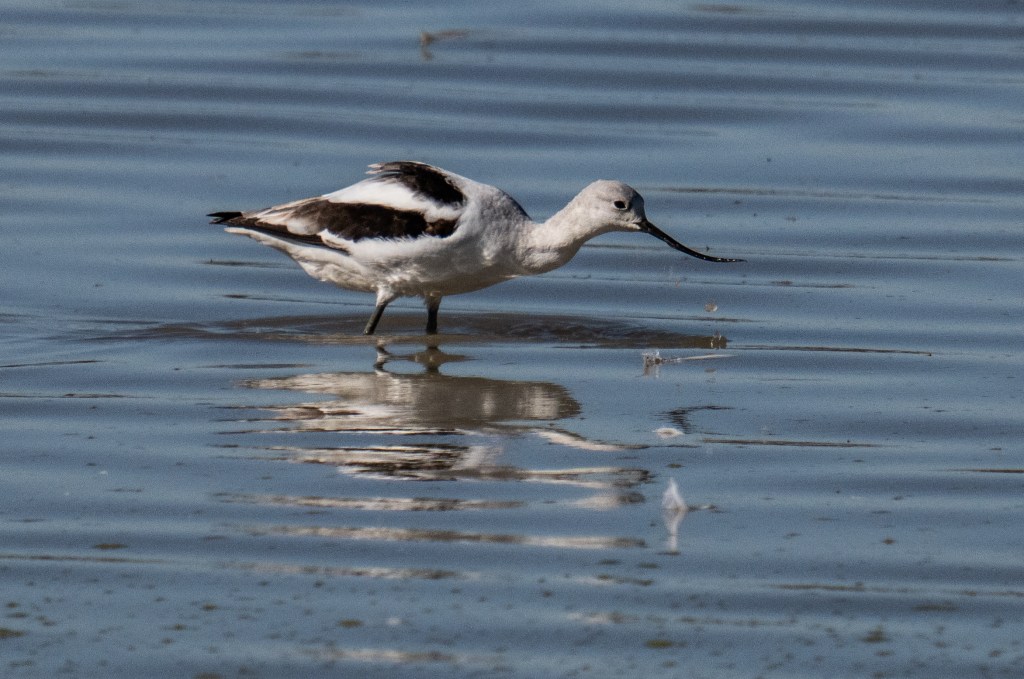
American Avocet
Black-necked Stilt
Long-billed Dowitcher
Marbled Godwit
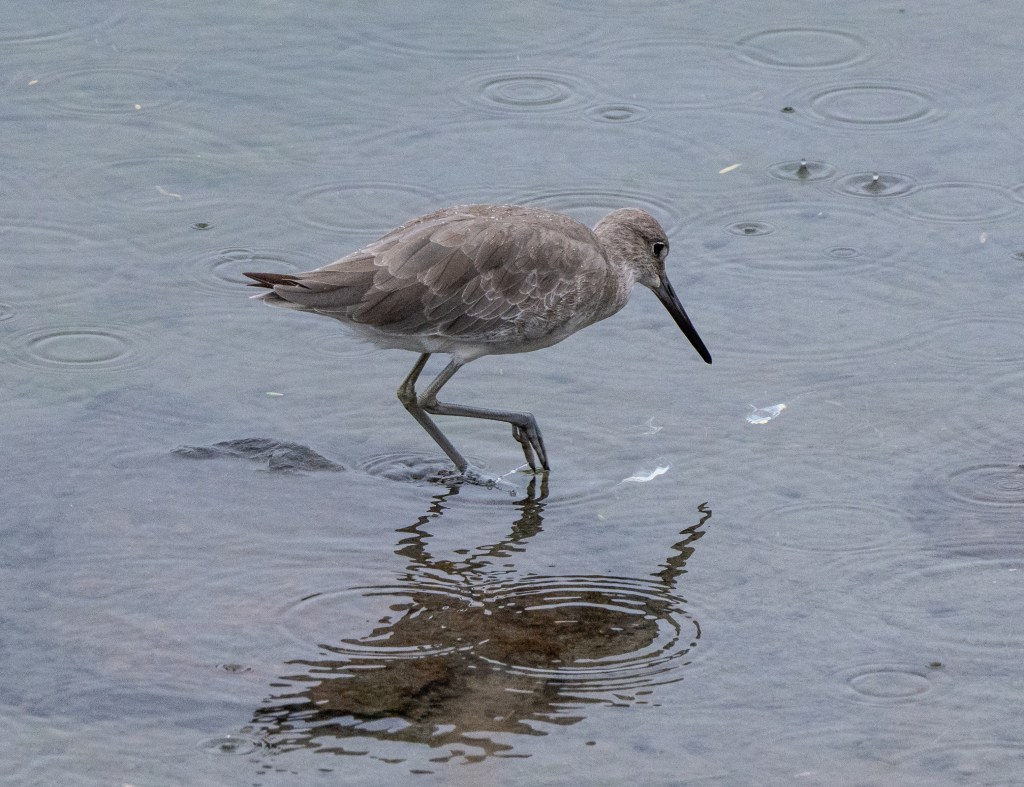
Willet
Western Sandpiper
Least Sandpiper
Killdeer
Wading Birds
Great Blue Heron
Great Egret
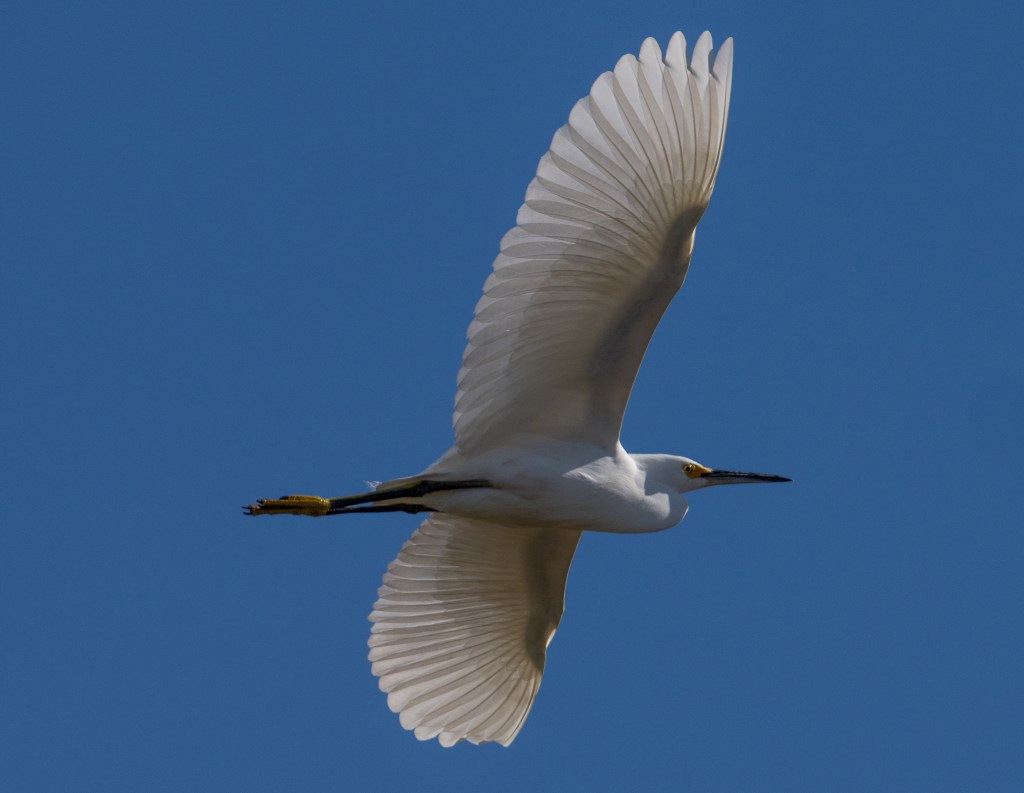
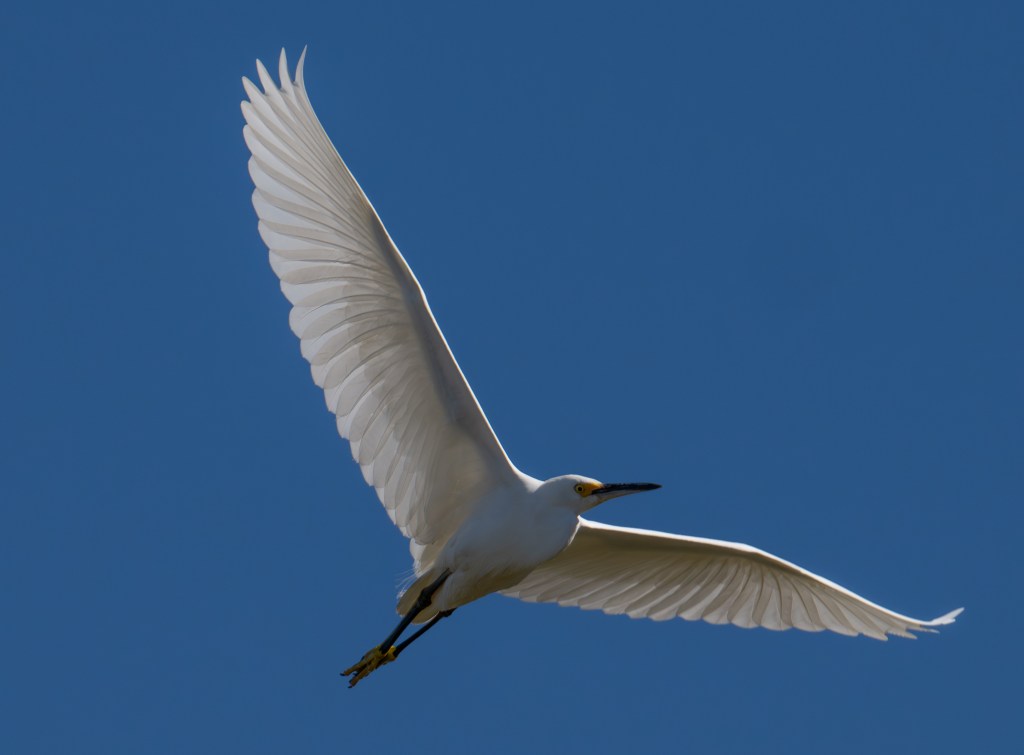
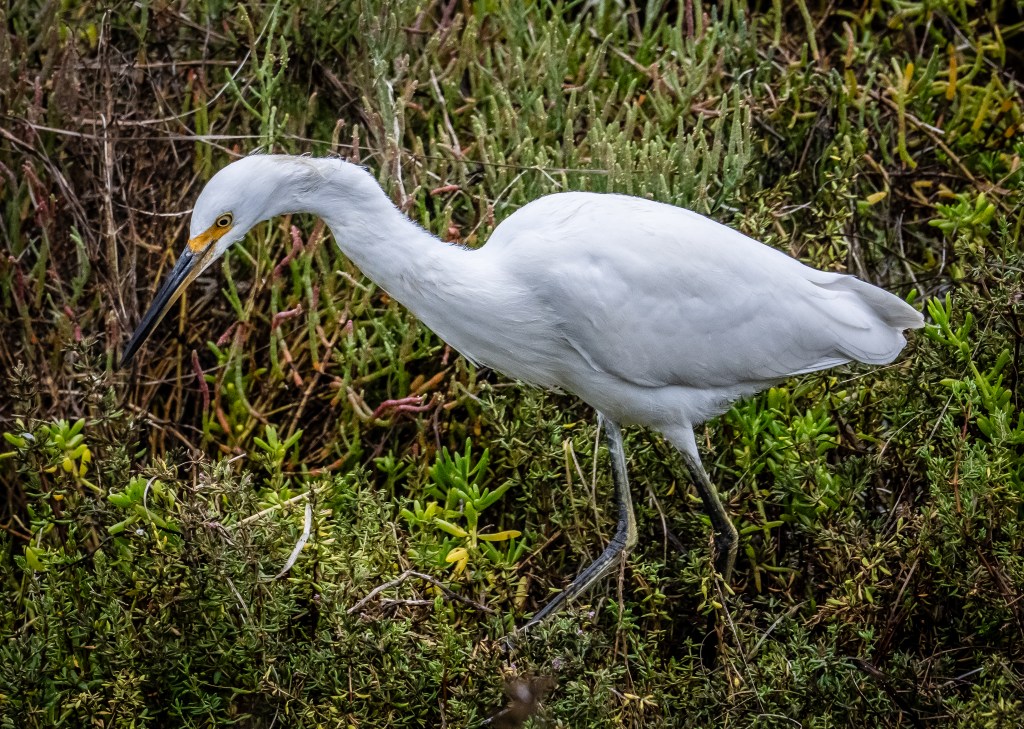
Snowy Egret
Cattle Egret
White-faced Ibis
Gulls & Terns
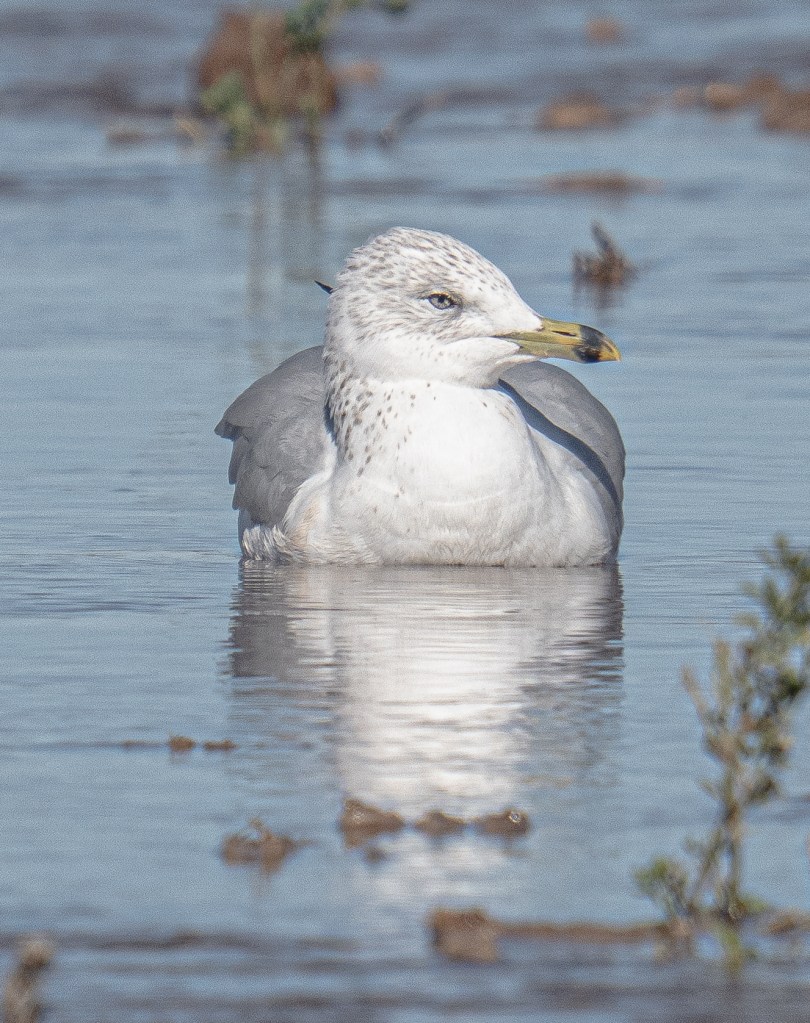
Ring-billed Gull
California Gull
Laughing Gull
Caspian Tern
Forster’s Tern
Raptors
Northern Harrier
Red-tailed Hawk
Swainson’s Hawk
American Kestrel
Peregrine Falcon
Bald Eagle (occasional but increasing)
Owls
Burrowing Owl
Great Horned Owl
Desert & Upland Birds
Gambel’s Quail
Loggerhead Shrike
Greater Roadrunner
Horned Lark
Songbirds & Others
Yellow-headed Blackbird
Red-winged Blackbird
Marsh Wren
Savannah Sparrow
Say’s Phoebe
Birding tip: Winter mornings offer the best light and bird activity. Bring binoculars even if you’re just driving the auto loop—you’ll be surprised how close the birds can be.
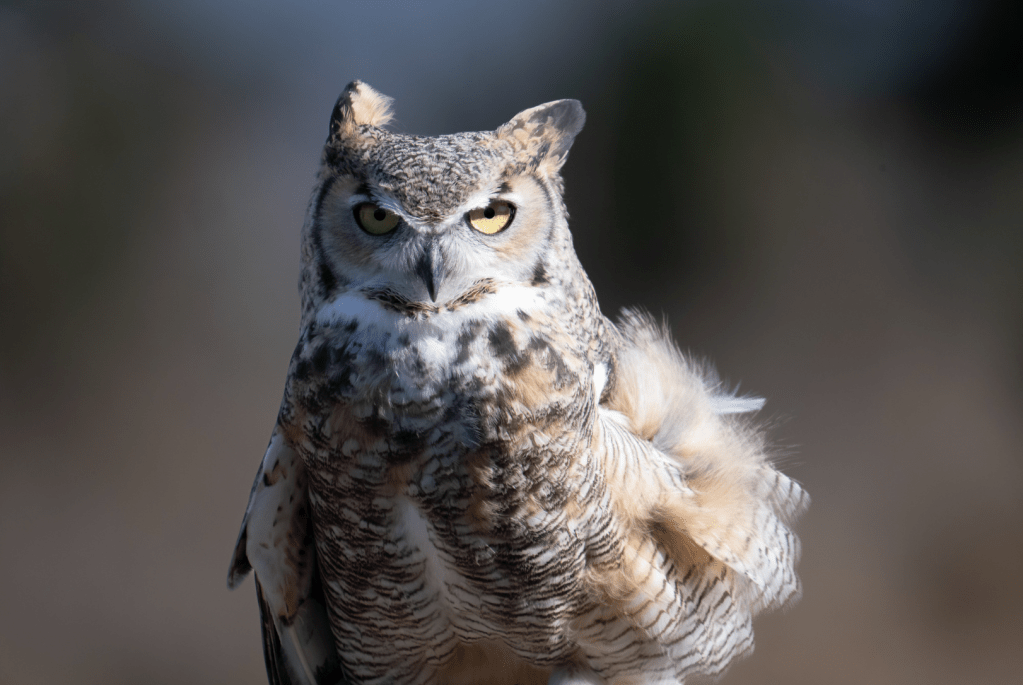
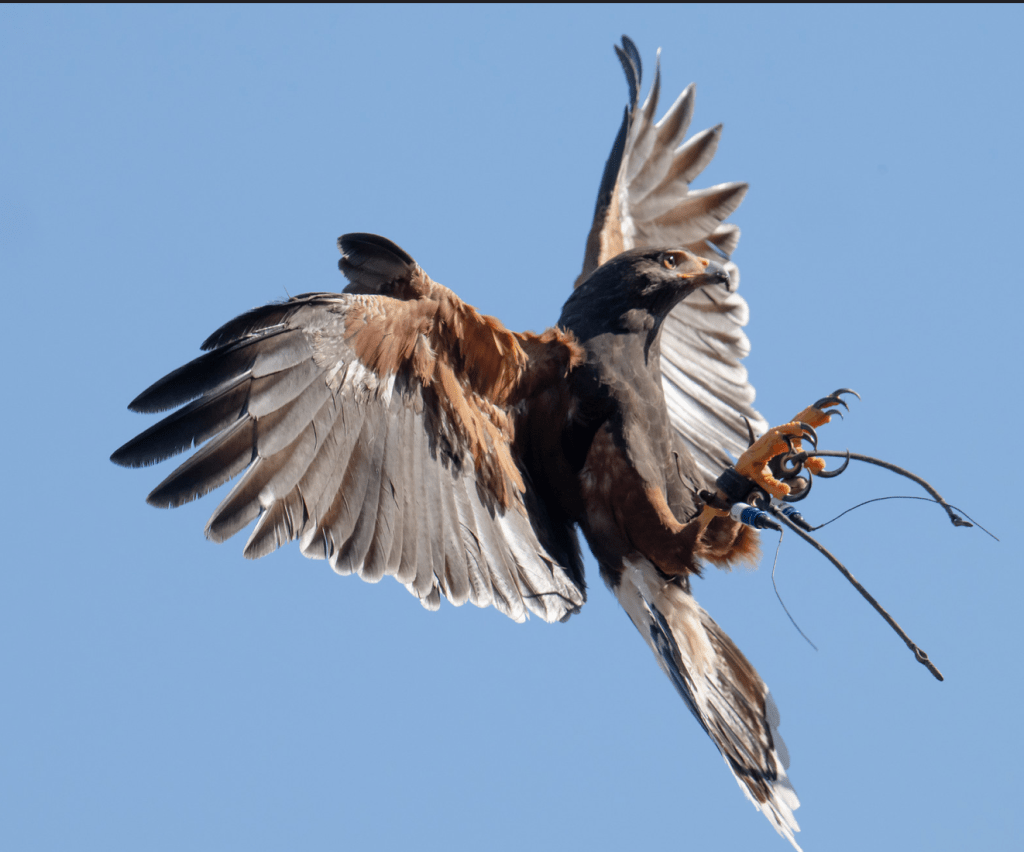
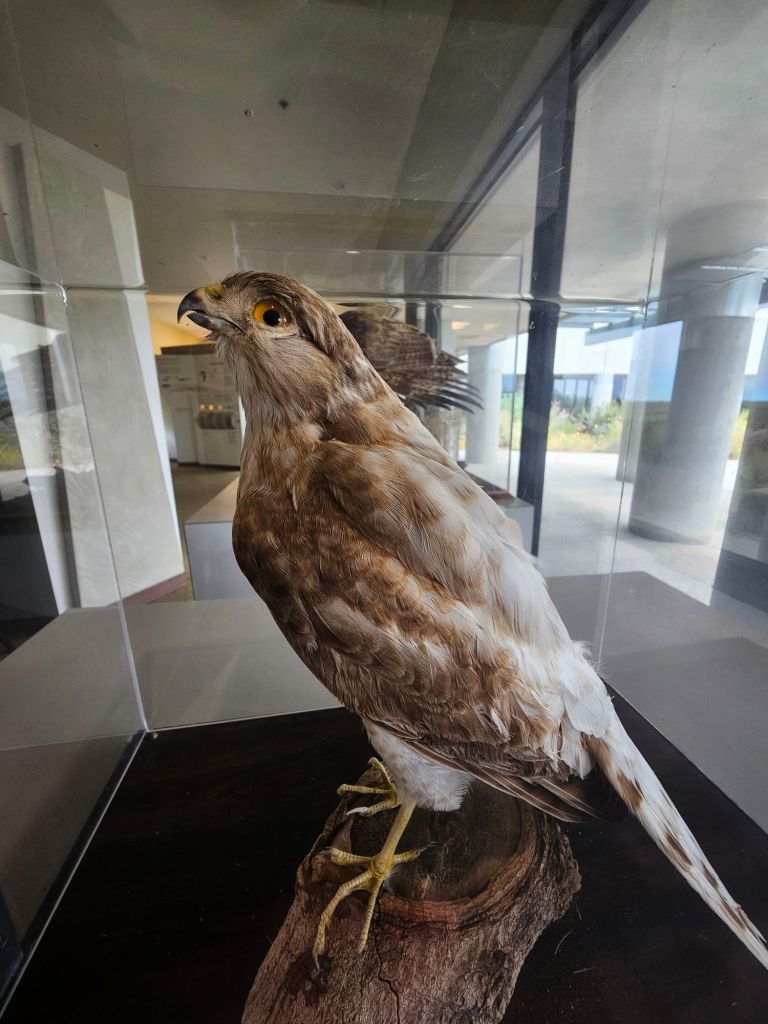
If you love wildlife, big skies, and birds of prey, the Ramona Grasslands Hawk Watch in San Diego East County offers a free, up-close way to experience some of North America’s most majestic raptors in winter. Set against the sweeping open landscapes of the Ramona Grasslands Preserve, this seasonal program draws both casual nature lovers and serious birders alike.
What Is Hawk Watch?
Upcoming 2026 Saturdays 10am to 12pm
January 3rd, 10,17, 24,31
February 7,14,21, 28
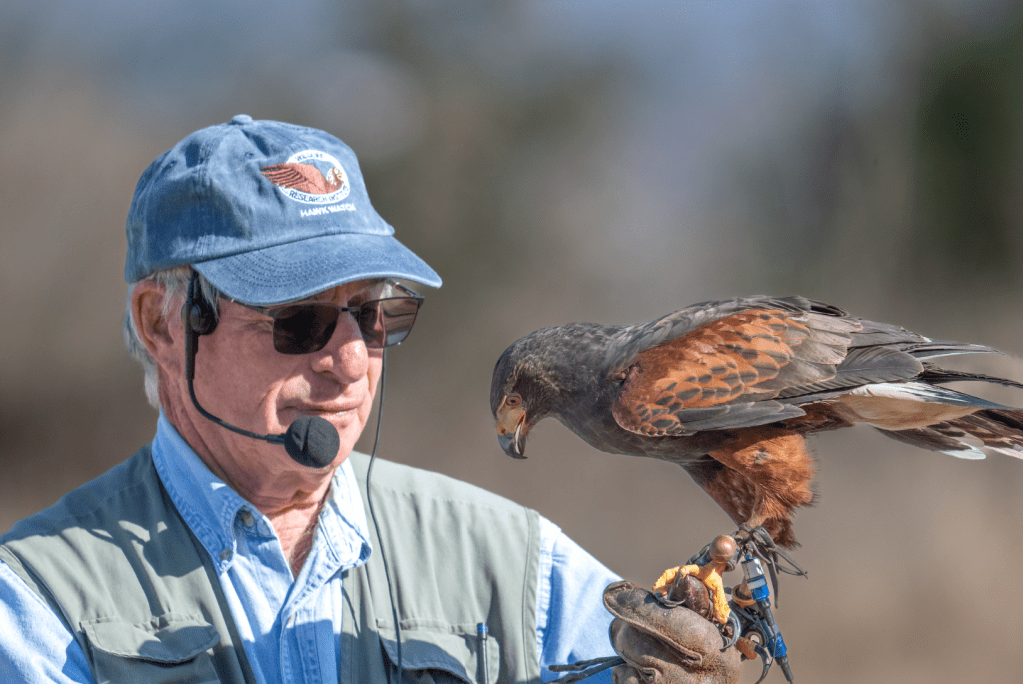
Ramona Grasslands Hawk Watch is a free weekly wildlife education event hosted by the Wildlife Research Institute (WRI) most Saturdays in January and February at Begent Ranch in Ramona. While it shares its name with traditional migration “hawk watches,” this program is more than just counting birds — it’s a hands-on learning experience for all ages
Hawk Watch is an informative educational Biologist Talk and Q& with Falconry or ambassador raptors for you to see up close and personal. The seated program lasts approximately 1.5 to 2 hours. After the presentation there is an option for additional roadside observations of wild raptors and other wildlife including bald eagle nest where you will drive your own car less than 2 miles on paved roads and come and go at your leisure.
Biologists and local expert volunteer observers will help you spot and identify birds and show them to you through our high-powered professional telescopes. In the event of rain, we will still have the educational program inside the barn, but the usual falconry flight displays will not occur in the barn. There is no hiking portion of Hawk Watch, but we recommend wearing sturdy shoes for uneven terrain and going on your own to the nearby Ramona Grassland Preserve hiking trail after the program. Hawk Watch is wheelchair accessible, and we recommend using one if walking on uneven terrain could be a safety hazard for you. We hope you can make it!
San Diego Zoo Safari Park isn’t your typical zoo. Nestled in the rolling hills of Escondido, California, this 1,800-acre wildlife sanctuary brings you face-to-face with animals in environments that mirror their natural habitats — wide, open, and wild.
Whether you’re a seasoned traveler, a family planning a weekend outing, or a wildlife enthusiast, the Safari Park offers something for everyone. It’s not just a destination; it’s an experience.
What Makes the Safari Park Unique?
The San Diego Zoo Safari Park is the expansive cousin of the world-famous San Diego Zoo. While both are operated by the nonprofit San Diego Zoo Wildlife Alliance, the Safari Park is more focused on large-scale conservation efforts and giving animals room to roam.
Unlike traditional zoos with enclosures, the Safari Park features massive savanna-like habitats where giraffes, rhinos, antelope, and even African elephants share the land — much like they would in the wild.
Top Attractions & Experiences
🐘 1. Africa Tram
One of the park’s most popular attractions, the Africa Tram is an open-air guided tour through the African Plains. You’ll ride through herds of animals roaming freely, with expert narration providing insight into conservation efforts, animal behavior, and habitat restoration.
🦒 2. Caravan Safari (Add-On Experience)
Want to get even closer? Book a Caravan Safari, where you’ll board a safari truck and feed giraffes right from your hand. It’s an unforgettable experience that brings the wild within reach.
🐅 3. Tiger Trail
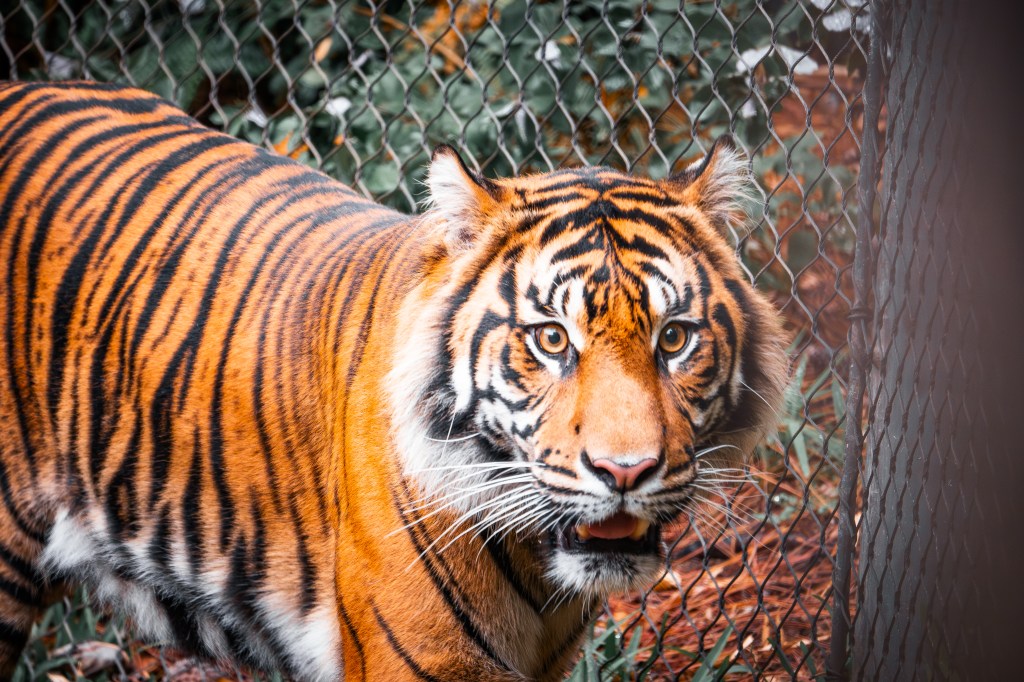
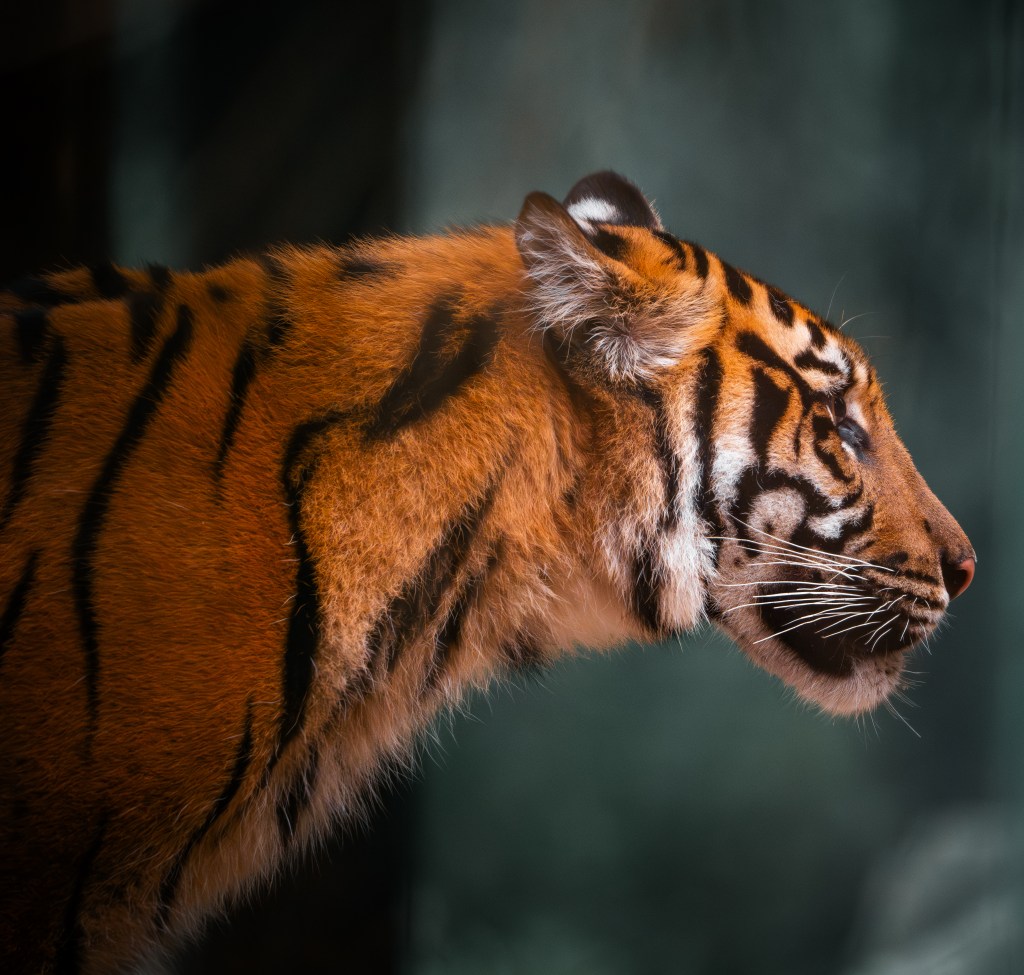
The lush, forested Tiger Trail lets you observe majestic Sumatran tigers up close. Designed to mimic their native habitat, the trail winds through waterfalls, observation decks, and glass-viewing areas — perfect for snapping a few memorable photos.
🦏 4. Walkabout Australia
This exhibit transports visitors down under, featuring kangaroos, wallabies, cassowaries, and other Australian wildlife. You can even walk through open areas where kangaroos might hop right past you.
🧒 5. Play Areas and Animal Encounters
Families will love the Savanna Cool Zone, a water play area for kids, and the Animal Encounters where you can meet smaller ambassador animals. There’s also the Petting Kraal, where kids can brush goats and sheep.
Conservation at Its Core
The San Diego Zoo Safari Park is more than entertainment — it’s a hub of conservation science. The Nikolaus Nature Preserve, Rhino Rescue Center, and Frozen Zoo are just a few examples of the groundbreaking work being done to save endangered species around the world.
Their motto, “We fight extinction,” isn’t just a tagline — it’s a mission backed by research, education, and action.
Tips for Visiting
Plan ahead: Tickets can sell out during peak times. Buy online and check for available add-on safaris.
Dress comfortably: You’ll be walking a lot. Wear sturdy shoes, bring a hat, and stay hydrated.
Beat the heat: Mornings and late afternoons are best for animal activity and cooler temps.
Go all-in: If your budget allows, splurge on a behind-the-scenes tour or animal encounter — they’re worth every penny.
Final Thoughts
The San Diego Zoo Safari Park is a must-see for anyone visiting Southern California. It’s where nature, adventure, and conservation come together to create a day you won’t forget.
So pack your sunscreen, grab your camera, and get ready to go on safari — no passport required.
Tucked along the San Diego River in Ocean Beach, the Robb Field Loop Walkway is a hidden gem for walkers, joggers, and cyclists who want a peaceful route with a touch of coastal charm. This easy, flat loop circles the athletic fields of Robb Field and connects to the scenic San Diego River Trail, offering a refreshing mix of open park space, waterfront views, and breezy ocean air.
A Walk with a View
The loop itself is about 1.5 miles, making it the perfect distance for a quick walk, a warm-up jog, or even a leisurely dog stroll. As you circle around, you’ll see wide green lawns filled with soccer players, skateboarders, and families enjoying the day. Look west and the path opens up to the San Diego River estuary, where herons, egrets, and osprey can often be spotted fishing in the calm waters.
Connection to the San Diego River Trail
One of the best parts of the Robb Field Loop is that it connects seamlessly to the San Diego River Trail, a multi-use path stretching inland for miles. If you’re up for a longer adventure, you can head east along the river toward Mission Valley or west toward the Ocean Beach Dog Beach area.
Family & Fitness Friendly
The walkway is paved and flat, making it accessible for strollers, wheelchairs, and bikes. Along the loop you’ll also find exercise stations, benches, and shaded spots—perfect for breaking up your walk with a stretch or water break. Since Robb Field is also home to a skate park, ball fields, and tennis courts, there’s something for everyone to enjoy before or after the walk.
Best Time to Visit
Morning and evening are especially beautiful times to stroll the loop. Early risers will enjoy calm air and bird activity along the estuary, while sunset brings soft colors over the river and the silhouettes of palm trees along the horizon.
A Local Favorite
While many visitors head straight to the beach, locals know Robb Field Loop Walkway as a quieter spot for exercise, birdwatching, or simply enjoying the outdoors. It’s not a strenuous hike, but rather a slice of everyday San Diego life with its mix of nature, recreation, and community.
👉 Tip for photographers: Bring your camera for the golden hour. The estuary, palm trees, and distant Ocean Beach Pier create postcard-worthy shots.
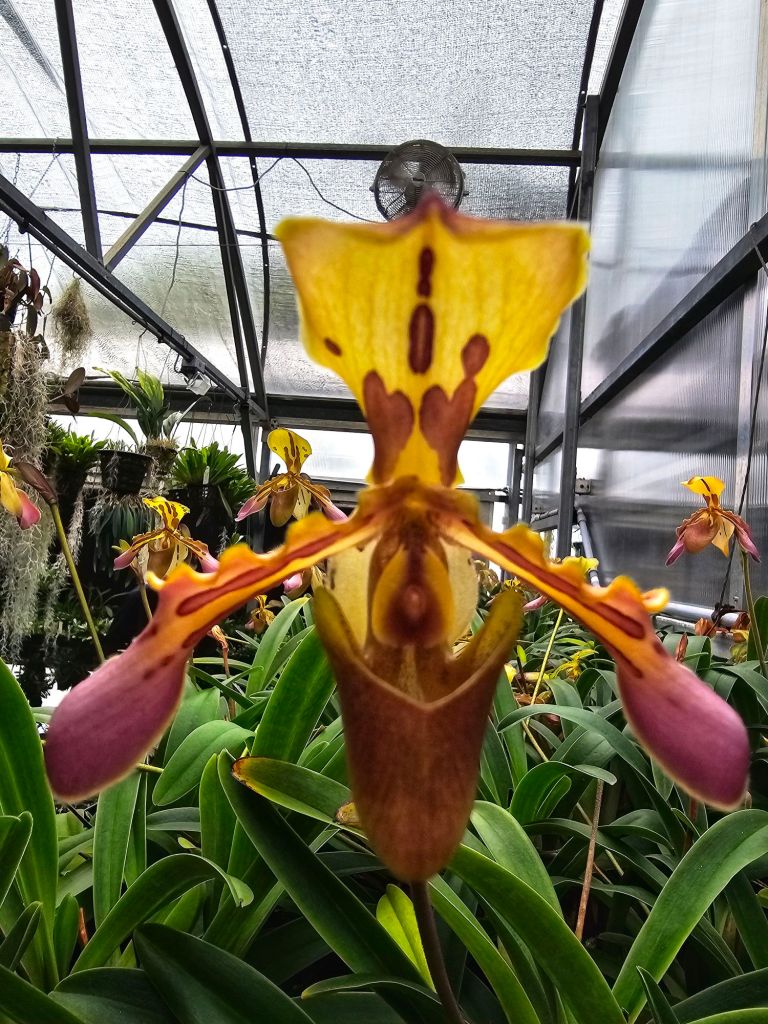
Exploring the Orchid Greenhouse at the San Diego Zoo
The San Diego Zoo is renowned for its diverse collection of wildlife, but there’s an equally stunning feature that often flies under the radar—its Orchid Greenhouse. Tucked away within the Zoo’s lush grounds, this hidden gem is a paradise for plant lovers and anyone seeking a peaceful, aromatic escape. Whether you’re a seasoned botanist or simply someone who appreciates nature’s beauty, the Orchid Greenhouse offers an enchanting experience that deserves a visit.
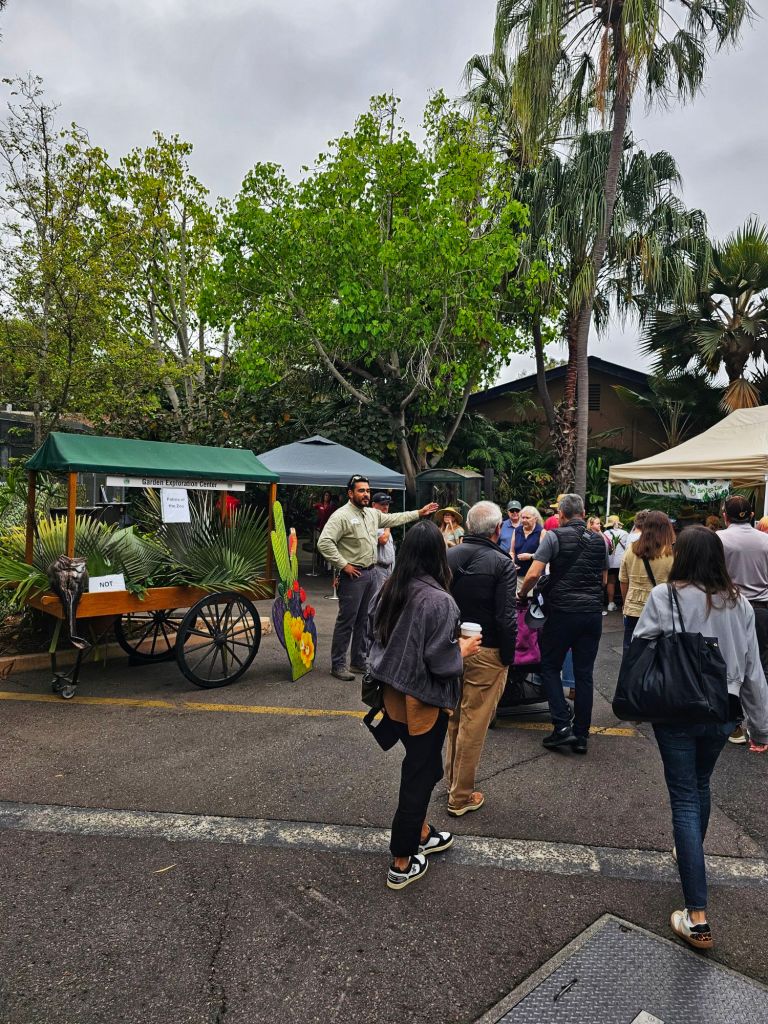
Here’s the schedule for 2025 Plant Days and Orchid Odysseyrunning from 10am to 2pm
Friday, July 18, 2025 Friday, August 15, 2025 Friday, September 19, 2025 Friday, October 17, 2025 Friday, November 21, 2025 Friday, December 19, 2025
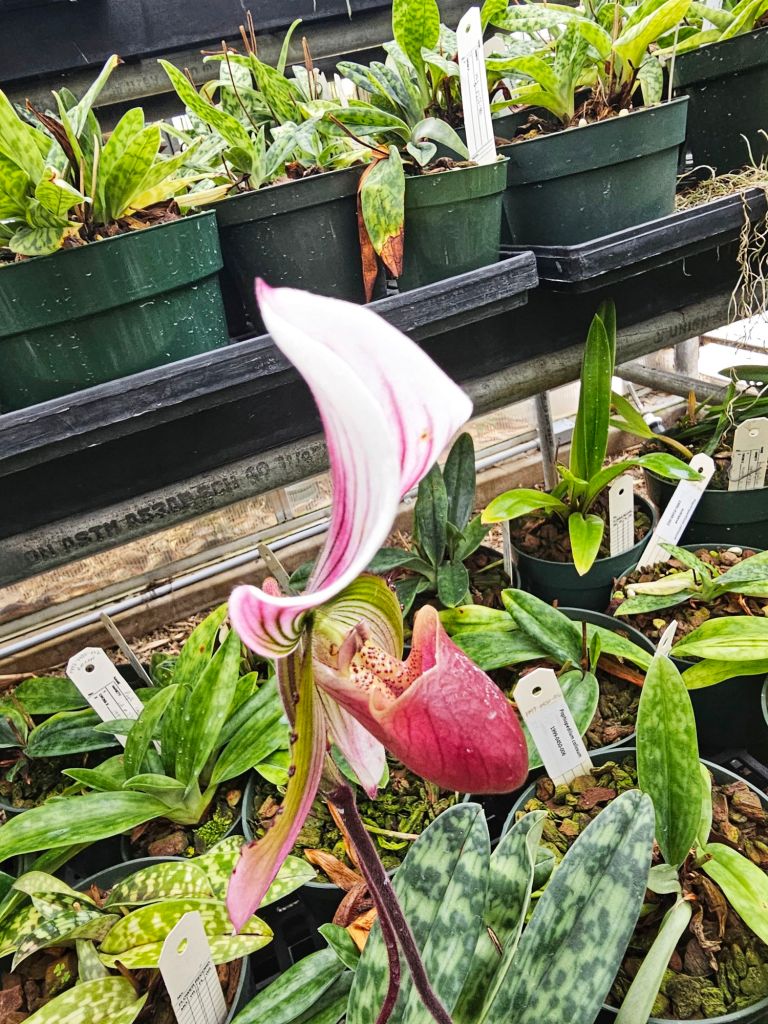
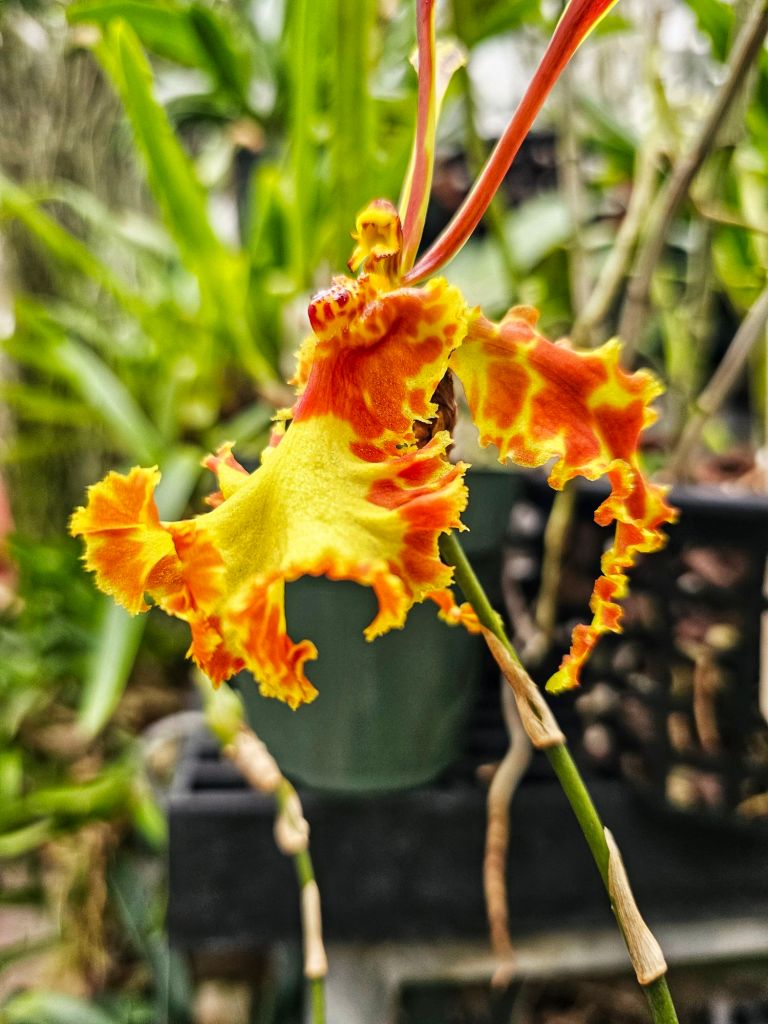
The Orchid Greenhouse is home to over 1,000 species of orchids, each more captivating than the last. These delicate, vibrant flowers come in every color of the rainbow, ranging from the deep purples of the Cattleya to the soft pastels of the Phalaenopsis. The greenhouse is designed to mimic the orchids’ natural tropical habitat, ensuring that each bloom thrives in the ideal conditions.
Orchid Odyssey San Diego Zoo
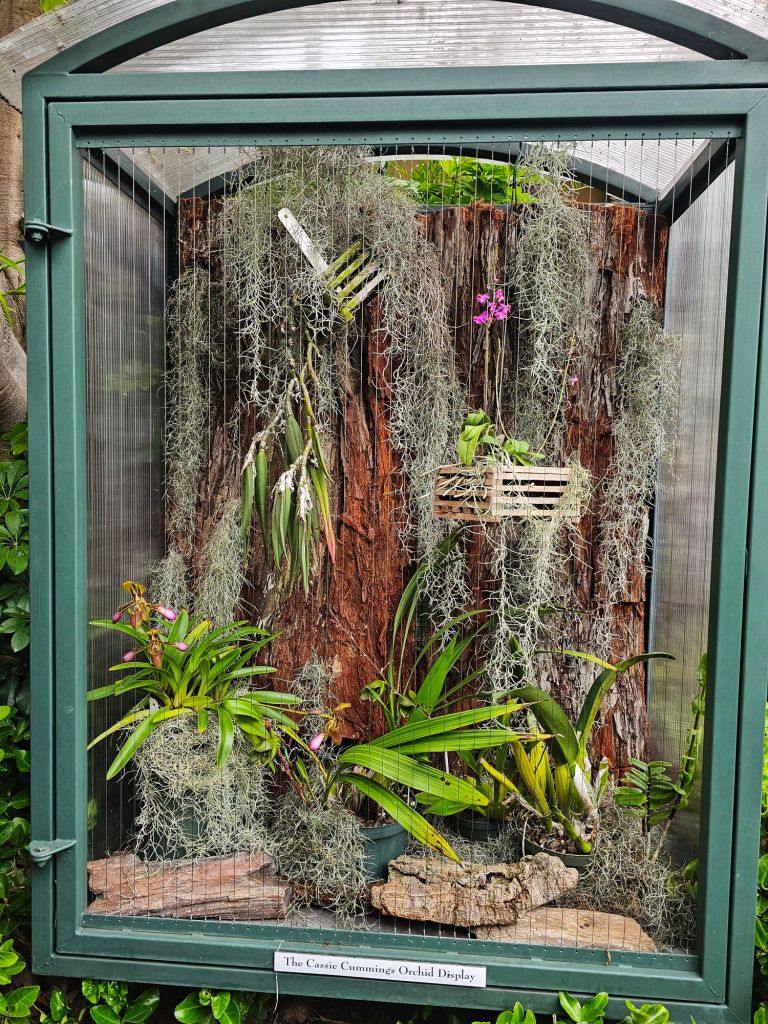
Upon entering, you’re immediately greeted by the intoxicating scent of the flowers and the cool, humid air. The space is filled with layers of hanging orchids, potted varieties, and intricate arrangements that transport you to a tropical paradise. The layout is designed to let you take your time as you explore different sections, each dedicated to specific types of orchids from around the world, including Central and South America, Southeast Asia, and the Pacific Islands.
The Fascinating World of Orchids
Orchids are among the most diverse plant families on Earth, with more than 25,000 species and over 100,000 hybrids. The Orchid Greenhouse at the San Diego Zoo showcases many of these varieties, offering a chance to learn about their unique characteristics. Some orchids have flowers that bloom only once a year, while others may only open for a few hours, making the greenhouse a truly dynamic environment.
What makes orchids particularly special is their intricate pollination process, which often involves symbiotic relationships with specific insect species. In the greenhouse, you’ll see firsthand how these delicate flowers attract and rely on their pollinators, adding another layer of wonder to the experience.
Conservation Efforts and Education
While the Orchid Greenhouse is an aesthetic treat, it also serves a vital conservation role. Many of the orchids housed here are endangered or rare species. The San Diego Zoo is deeply involved in global orchid conservation efforts, helping to preserve habitats and promote the cultivation of orchids that are at risk of extinction in the wild.
Visitors to the Orchid Greenhouse can learn about these important initiatives through informational displays and guided tours. Knowledgeable staff and volunteers are always on hand to answer questions, explaining how the Zoo’s breeding programs and conservation projects contribute to preserving orchid species for future generations.
A Photography Haven
For photography enthusiasts, the Orchid Greenhouse is a dream come true. The vibrant colors, intricate patterns, and the way light filters through the glass panels create perfect conditions for capturing stunning photos. Whether you’re looking to snap close-ups of delicate blooms or create a wider landscape shot of the greenhouse, you’ll find plenty of opportunities to experiment with your camera.
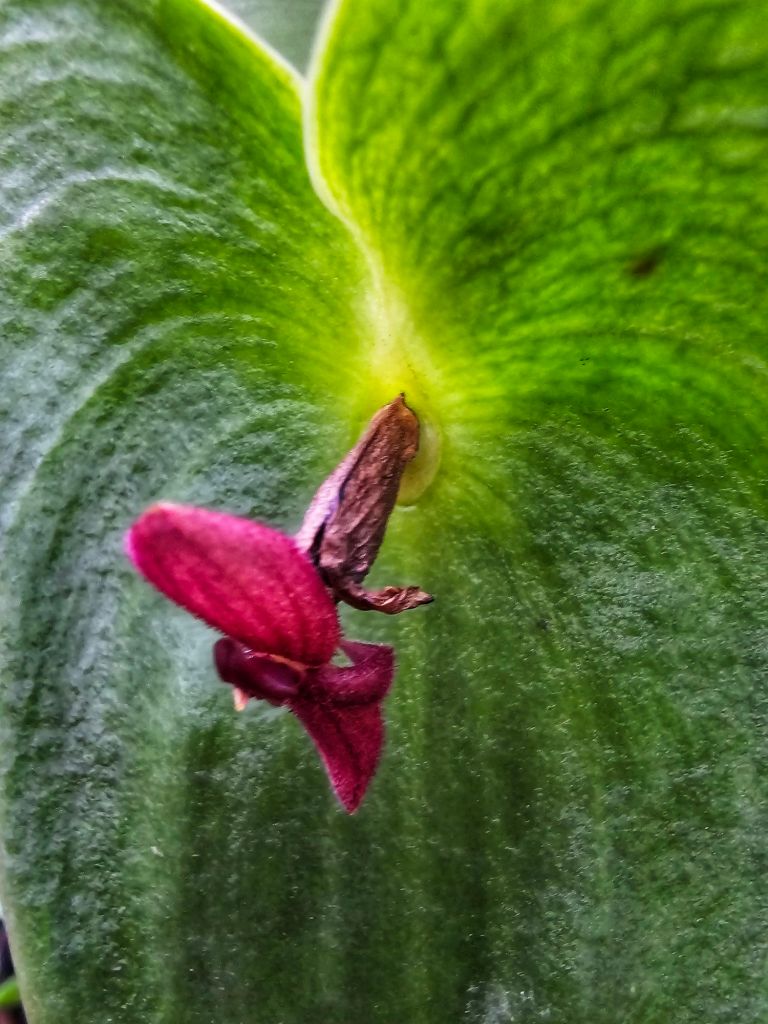
Don’t forget your macro lens if you want to capture the minute details that make orchids so mesmerizing—the texture of the petals, the subtle color gradients, and the tiny pollination structures are all fascinating subjects.
Tips for Your Visit
Best Time to Visit: The Orchid Greenhouse is open year-round, but it’s particularly stunning during spring when many orchids are in bloom. If you’re aiming to avoid crowds, visiting early in the day or during weekdays is ideal.
Plan for a Relaxing Experience: The greenhouse is a peaceful retreat within the bustling zoo, so take your time to savor the beauty and tranquility of the space. It’s a perfect spot for a short break from the main zoo attractions.
Join a Guided Tour: If you’re keen to dive deeper into the world of orchids, be sure to join one of the Zoo’s guided tours. These often include fascinating insights into orchid biology, conservation, and the zoo’s work with endangered species.
Conclusion
The Orchid Greenhouse at the San Diego Zoo is a captivating blend of nature’s beauty, botanical education, and conservation efforts. Whether you’re a flower enthusiast, a photographer, or simply in search of a serene escape, this hidden sanctuary offers a one-of-a-kind experience. The next time you visit the zoo, don’t miss the chance to explore this blooming oasis—it’s a reminder of how diverse and delicate the natural world truly is.
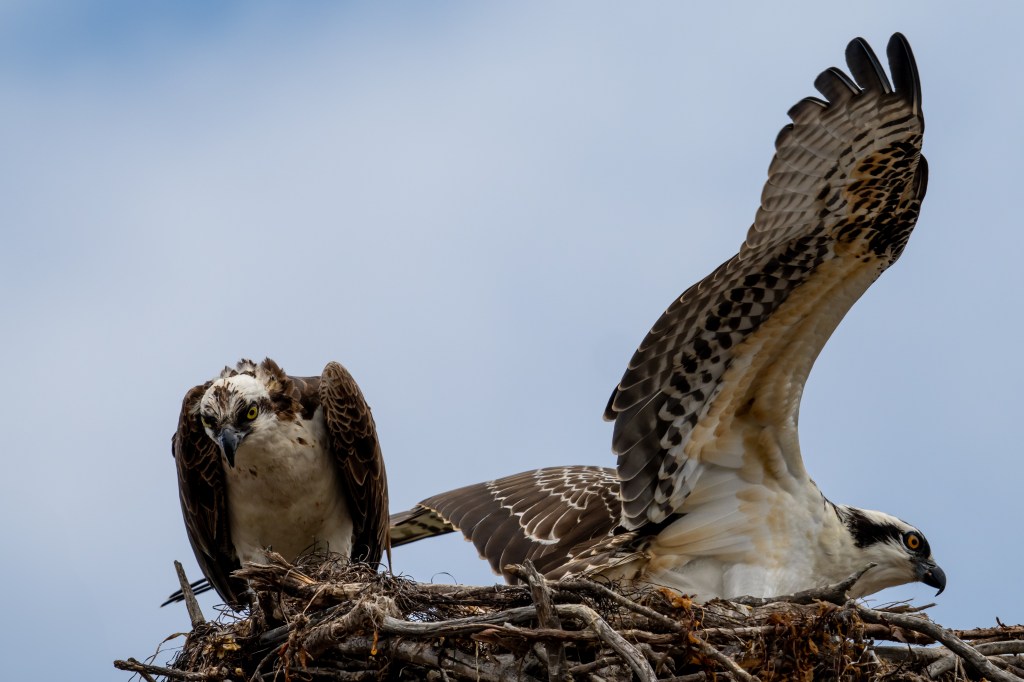
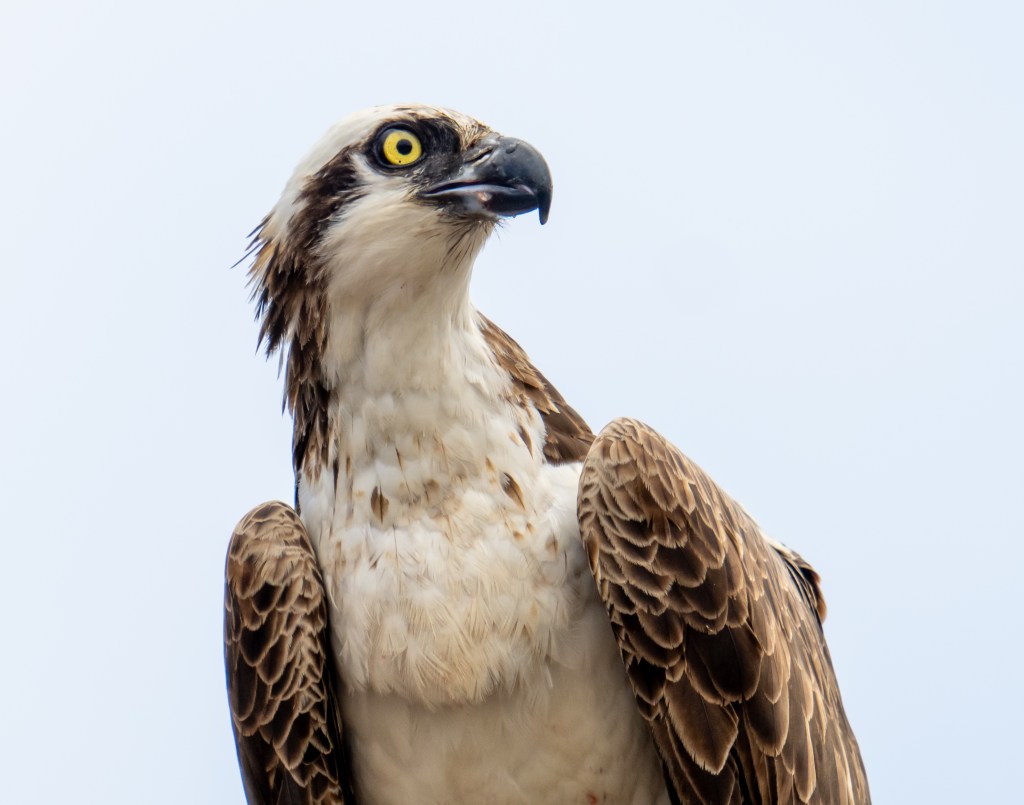
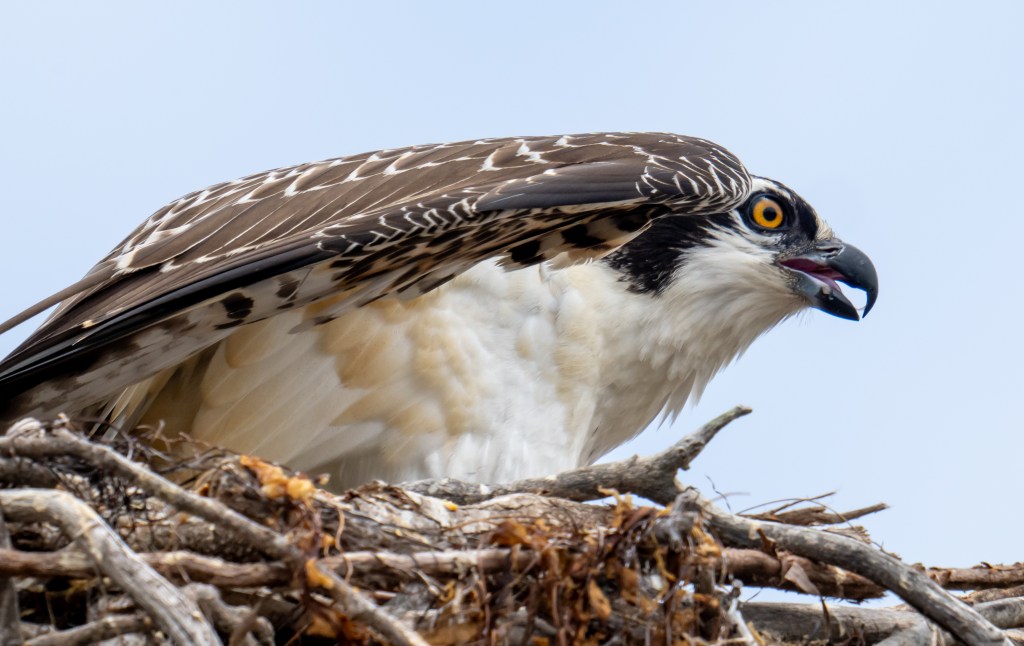
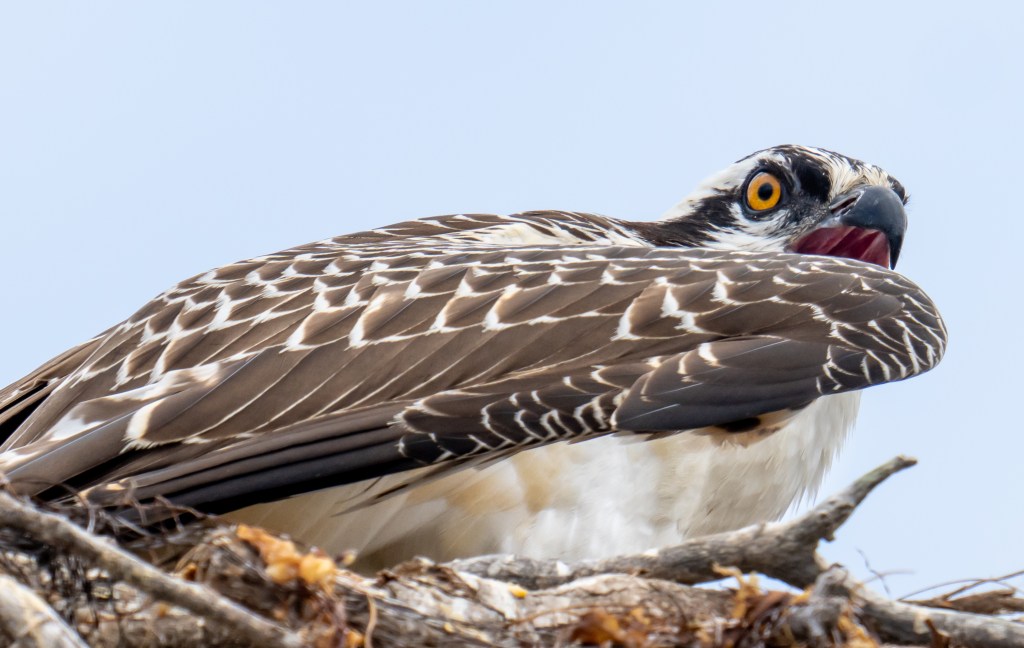
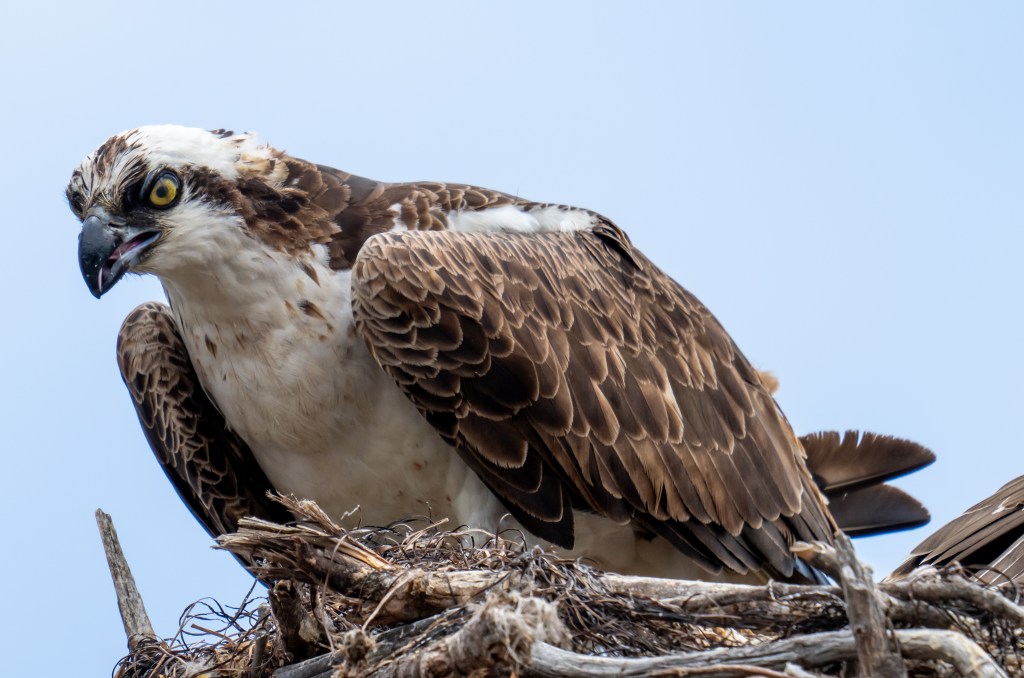
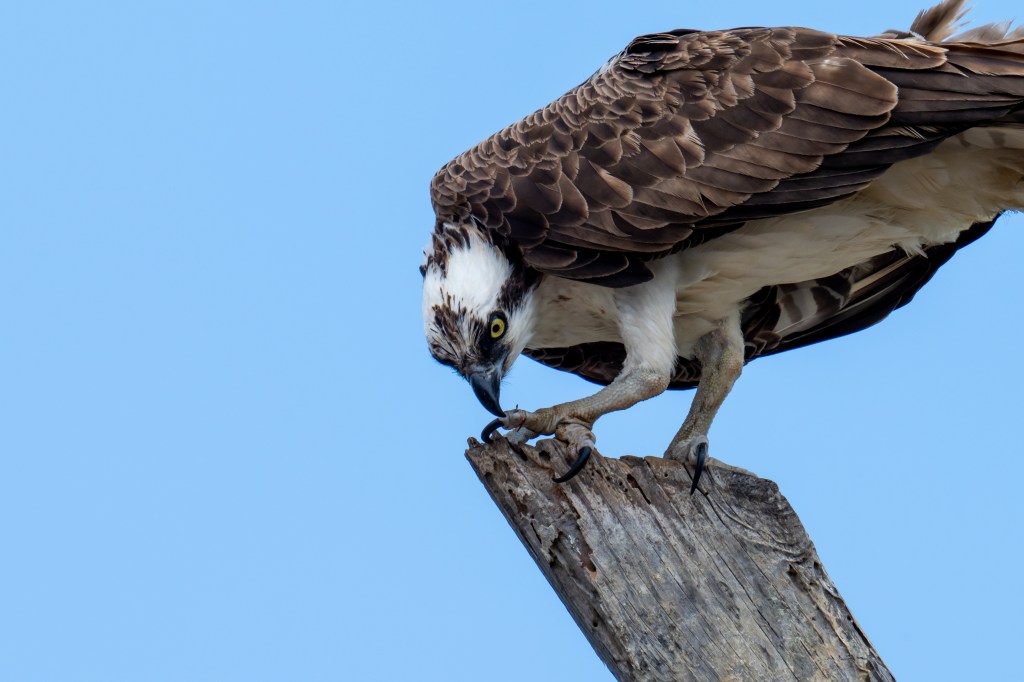
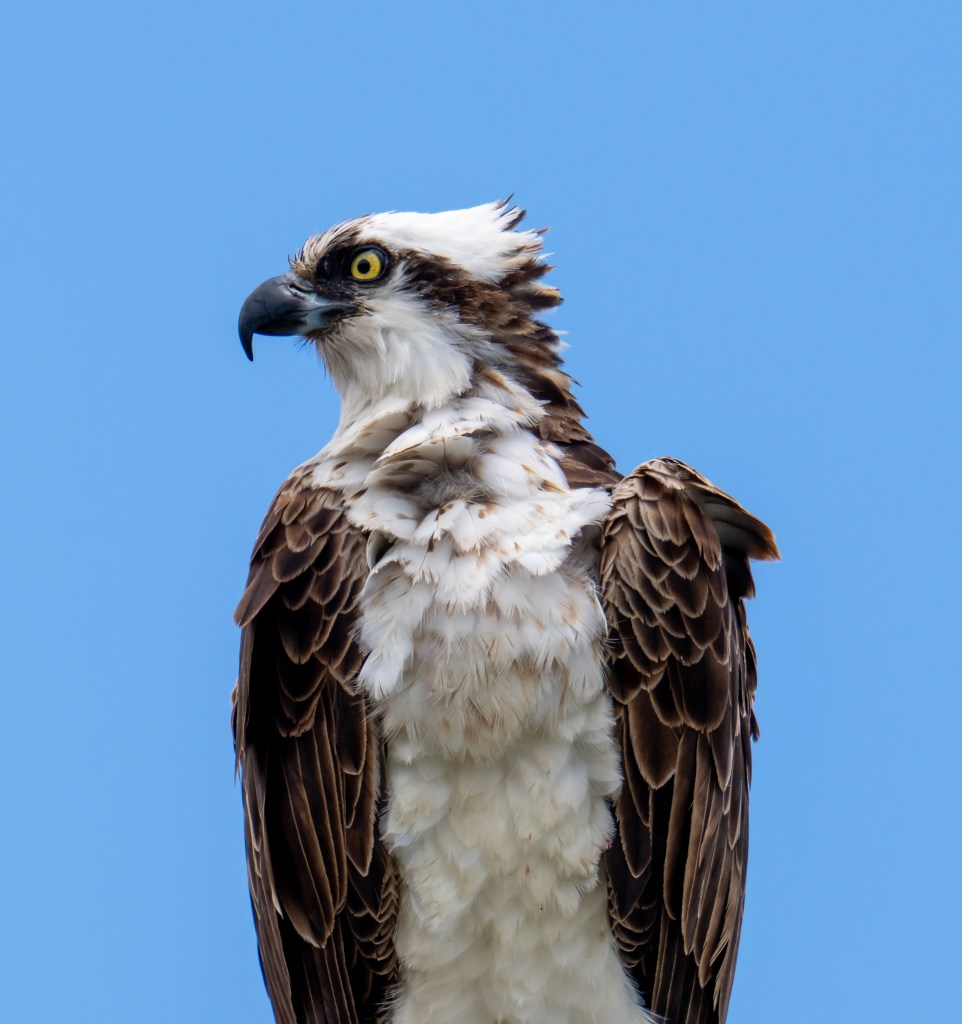
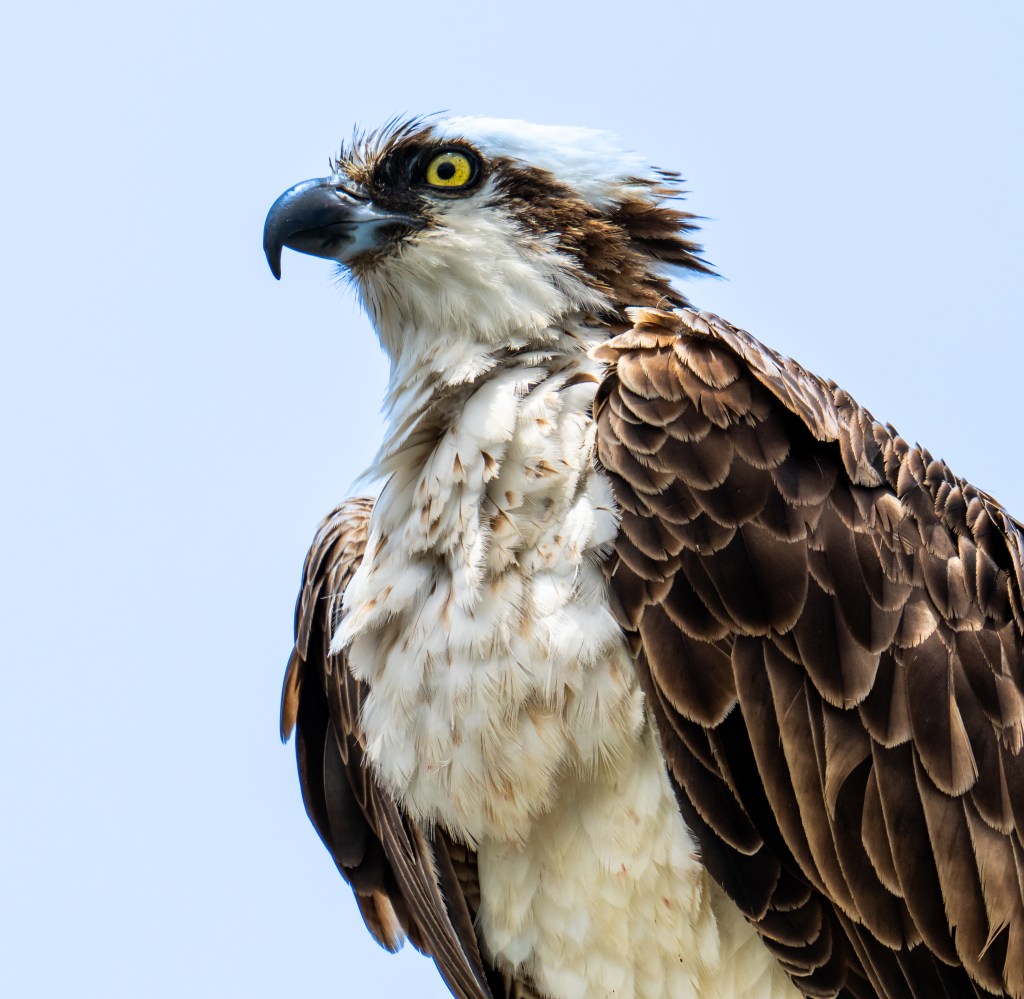
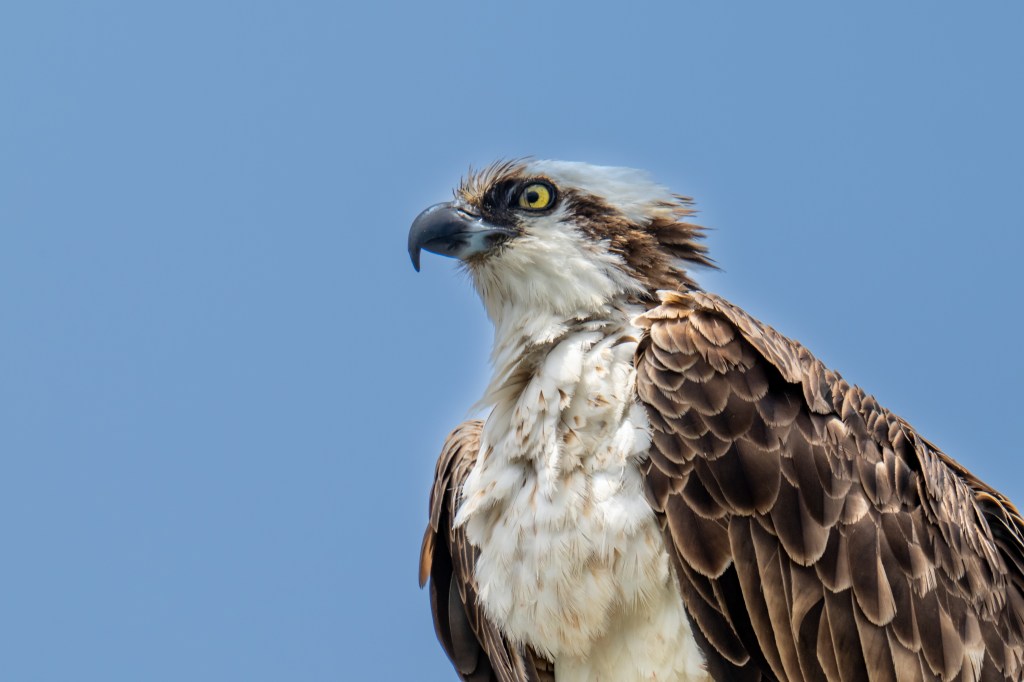
If you’ve ever strolled along the waterfront on Shelter Island and looked up to see a large bird hovering gracefully above the bay, chances are you’ve spotted an osprey. Known as the “fish hawk,” this striking bird of prey has made a comfortable home here in San Diego’s maritime backyard.
A Natural Fisherman in an Urban Setting
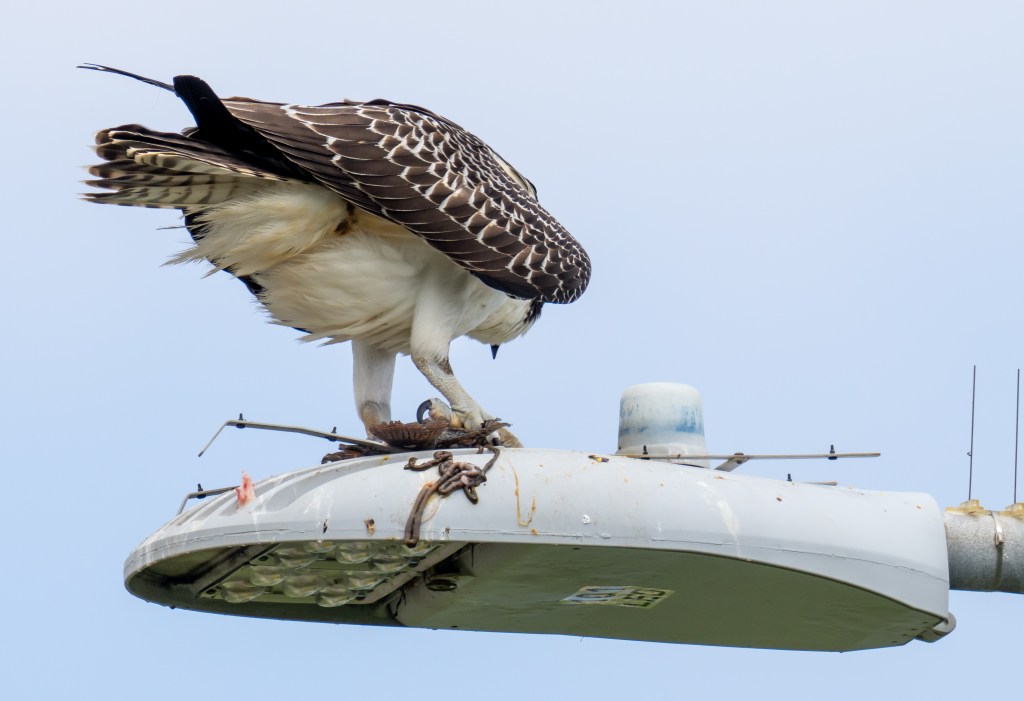
Shelter Island offers the perfect blend of natural habitat and human-made infrastructure that ospreys have come to favor. With calm bay waters rich in fish and an abundance of tall structures like light poles, boat masts, and channel markers, ospreys have carved out a niche among the marinas and piers. It’s not uncommon to spot their bulky stick nests perched high above the docks, often near the Shelter Island Launch Ramp or around America’s Cup Harbor.
A Front-Row Seat to Nature
Watching an osprey hunt is a thrilling experience. These raptors soar high, scanning the water with laser-sharp vision. Then, in an instant, they dive feet-first into the bay, emerging with a wriggling fish clutched in their powerful talons. It’s a daily drama that plays out just steps from the sidewalk — and a reminder that even in the heart of the city, nature thrives.
Season of the Osprey
While ospreys can be seen in San Diego year-round, their breeding season typically runs from March to August. During these months, you might see pairs working together to build or repair nests, calling out with sharp whistles, or feeding their young. If you’re lucky, you might spot fledglings learning to fly — a heartening sight that signals the continued health of our coastal ecosystem.
A Conservation Comeback
Ospreys weren’t always so easy to spot. In the mid-20th century, their numbers plummeted due to pesticide use, especially DDT. But since the ban of such chemicals and the protection of nesting sites, osprey populations have rebounded across the U.S., including right here in San Diego Bay. Their presence on Shelter Island is a quiet conservation success story.
Where to Look
For the best osprey-watching:
Walk along the Shelter Island shoreline promenade near the boat launches.
Look up at tall poles or navigation beacons — nesting sites are often quite visible.
Early morning and late afternoon are great times to see them hunting.
Bring your binoculars, a camera, and a sense of wonder. Whether you’re a birder, photographer, or casual observer, spotting an osprey in action is always a memorable moment.
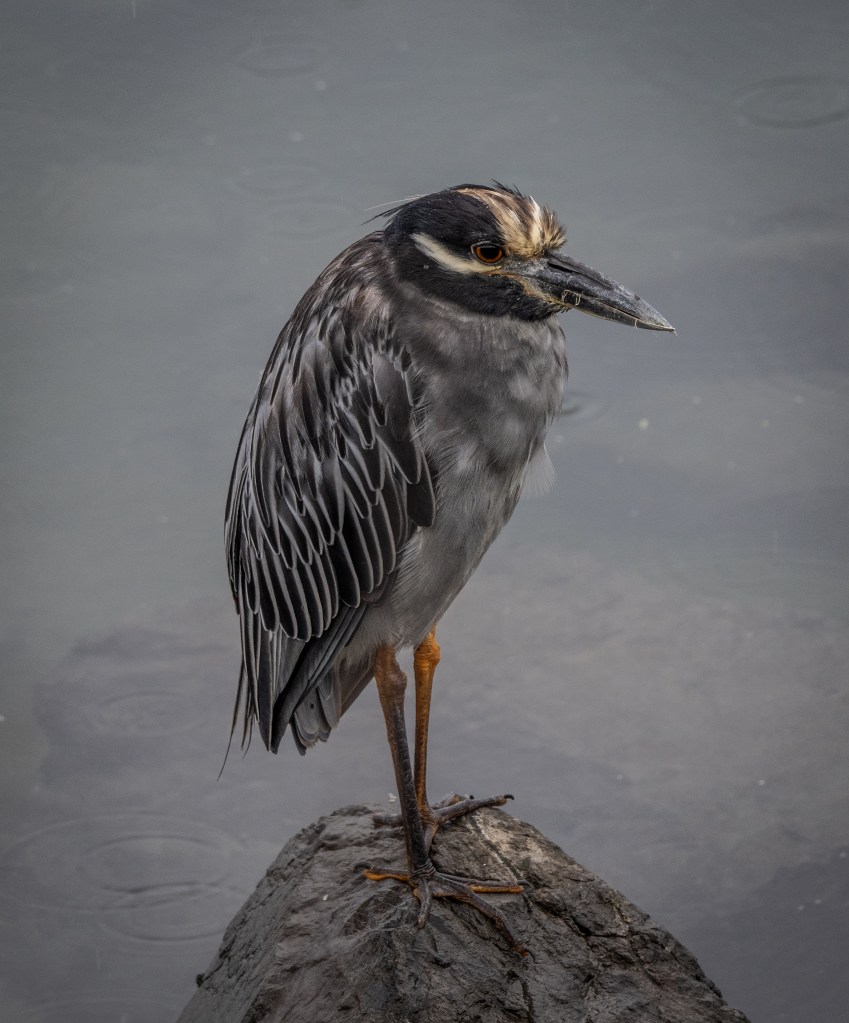
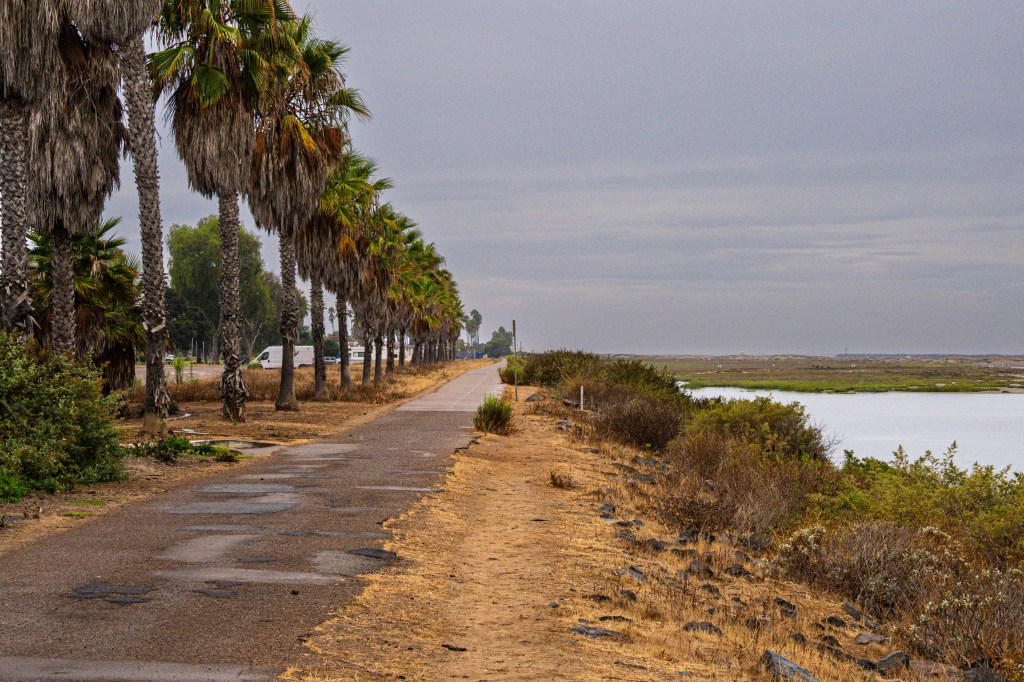
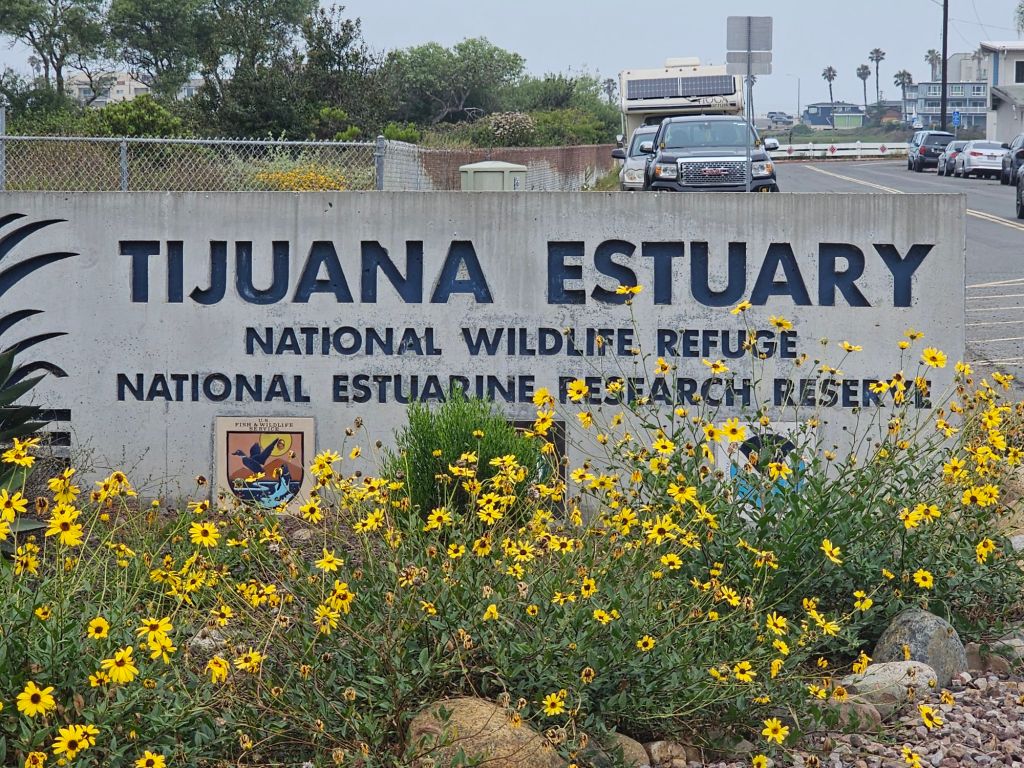
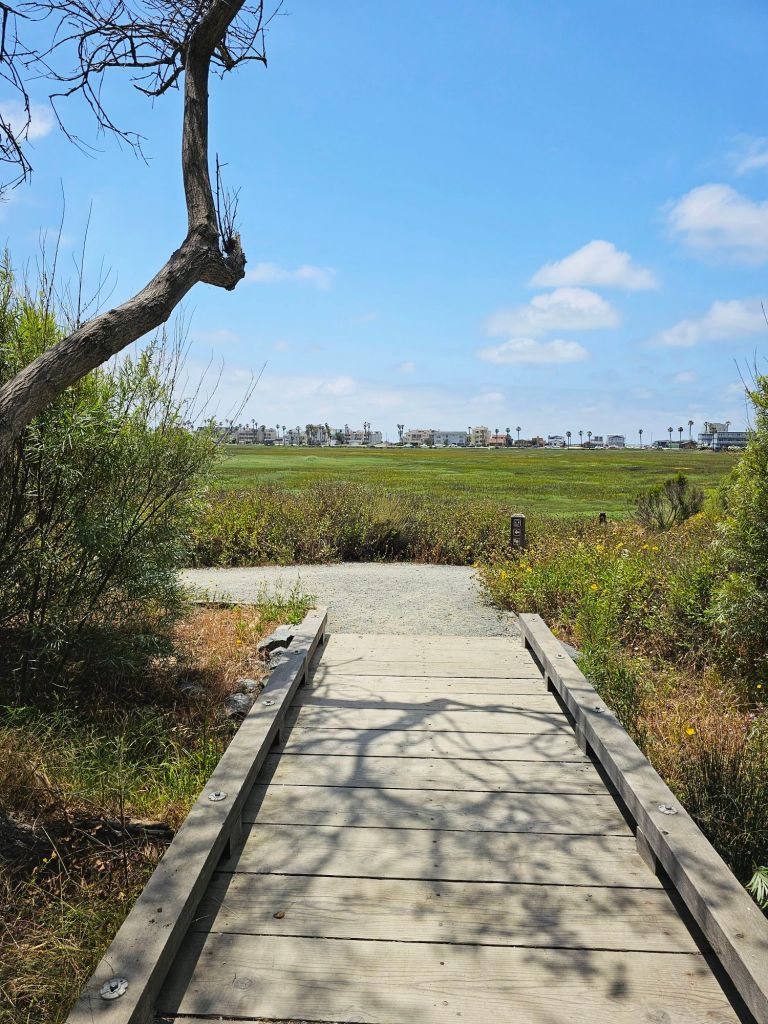
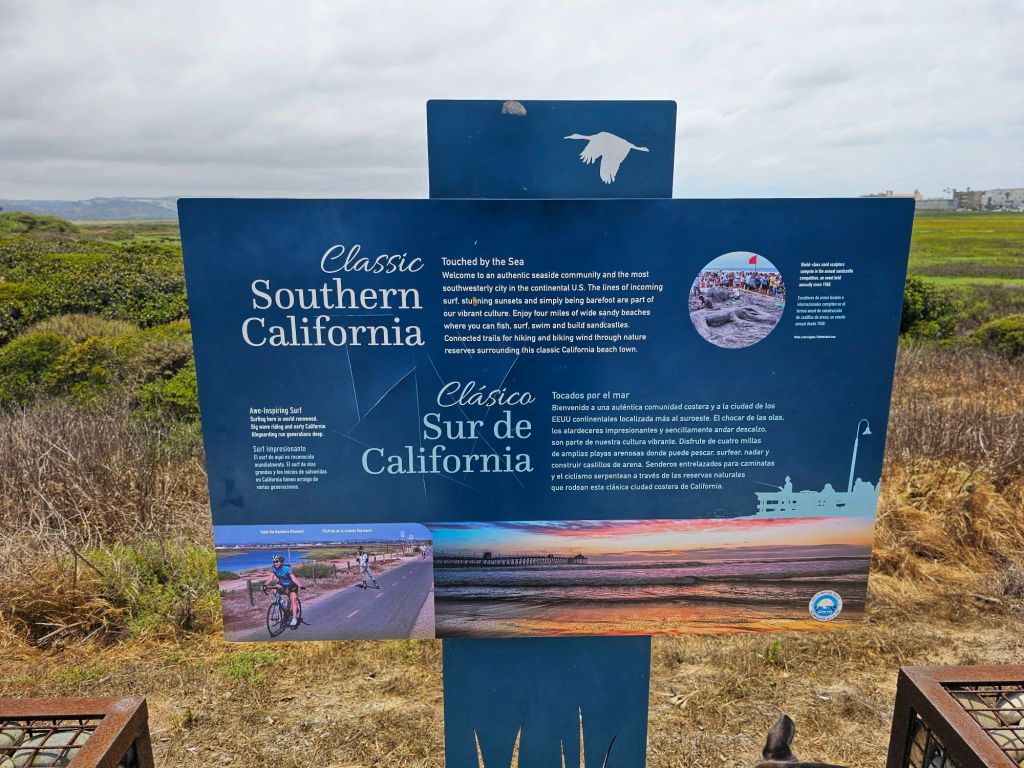
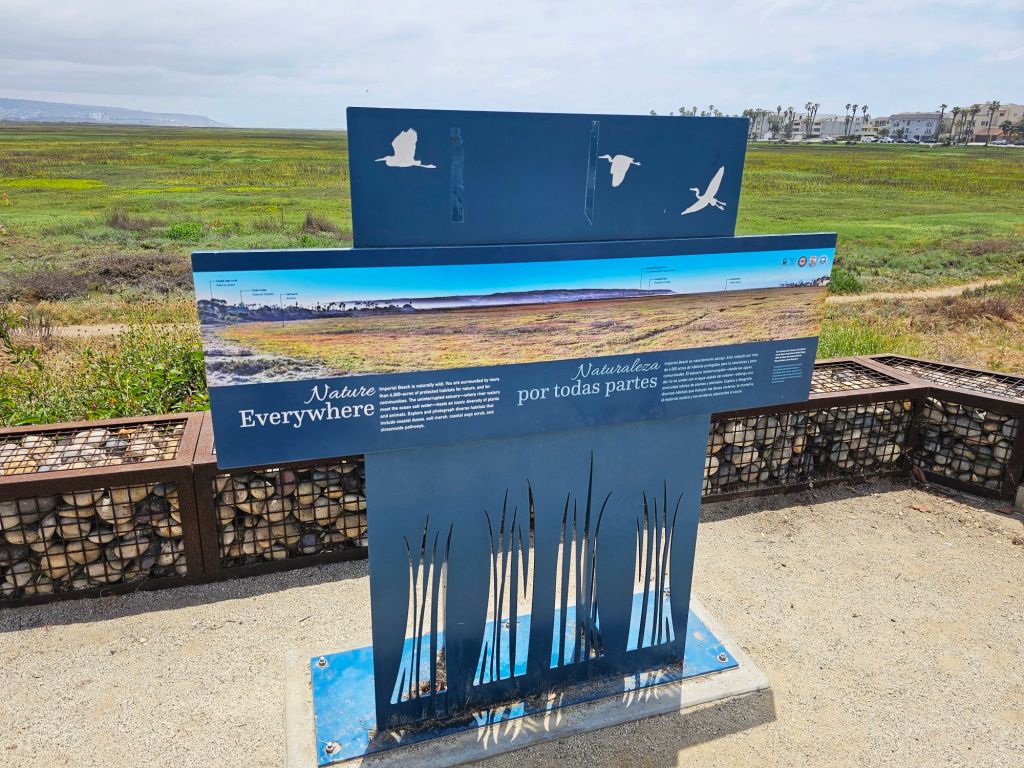
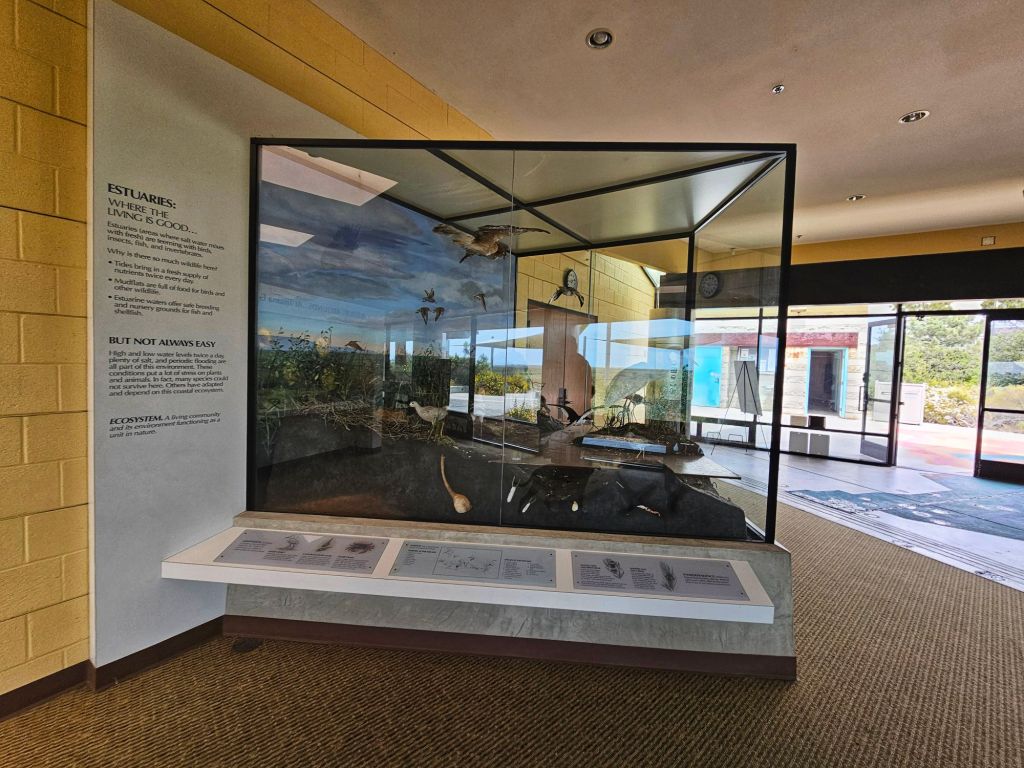
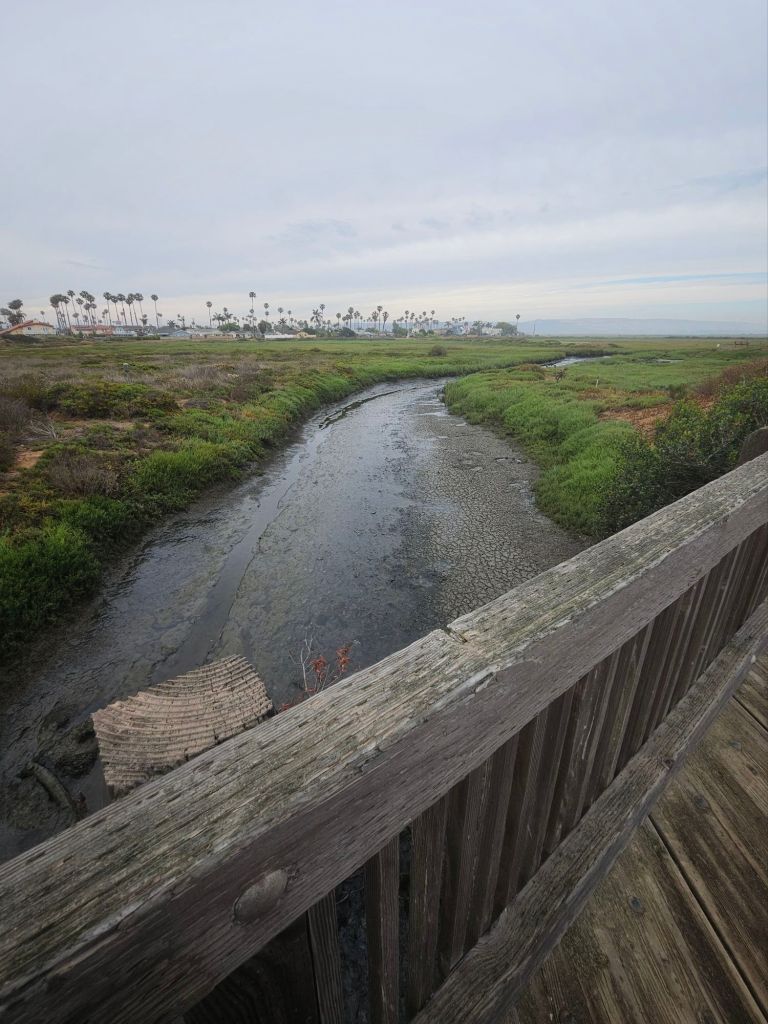
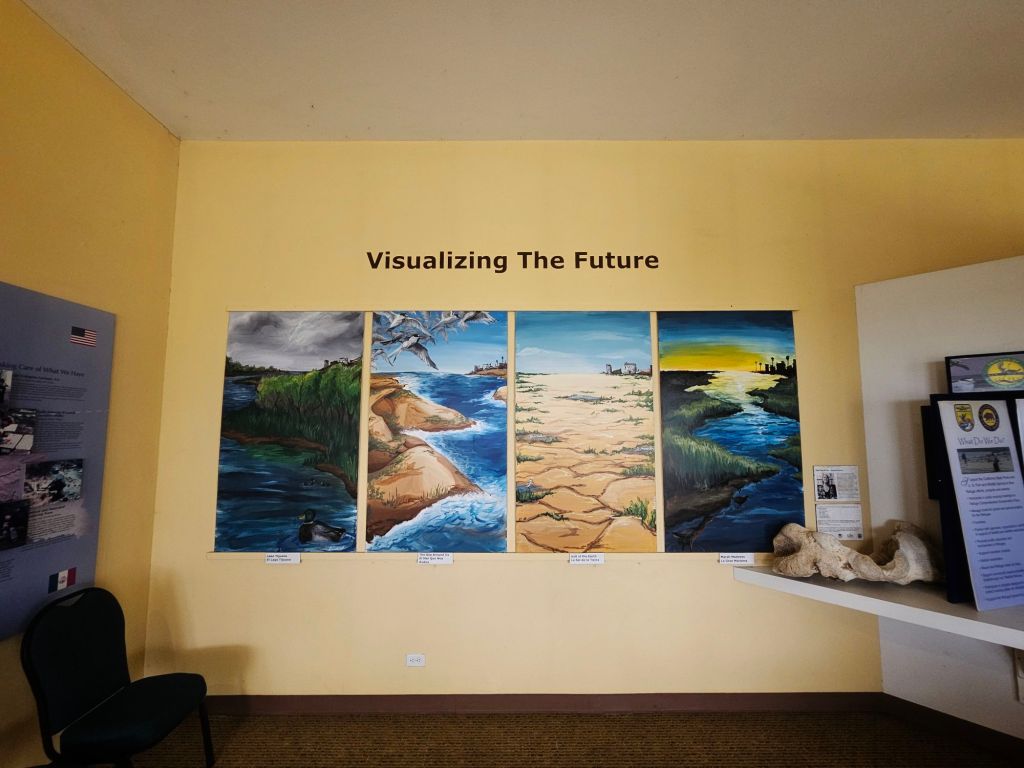
Just a few miles south of San Diego’s bustling downtown lies a hidden gem where saltwater, freshwater, and wildlife converge in a delicate dance of life—the Tijuana River Estuary. Tucked between Imperial Beach and the U.S.-Mexico border, this vast coastal wetland is not only a peaceful escape from the city but also one of Southern California’s most ecologically significant landscapes.
A Living Sanctuary
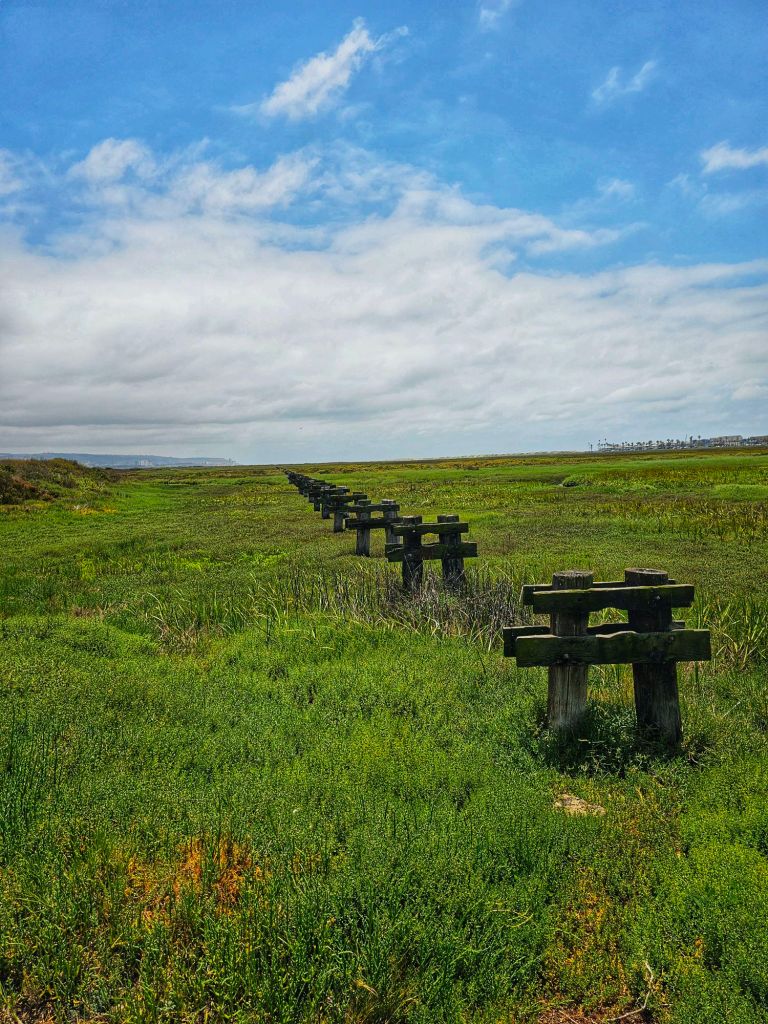
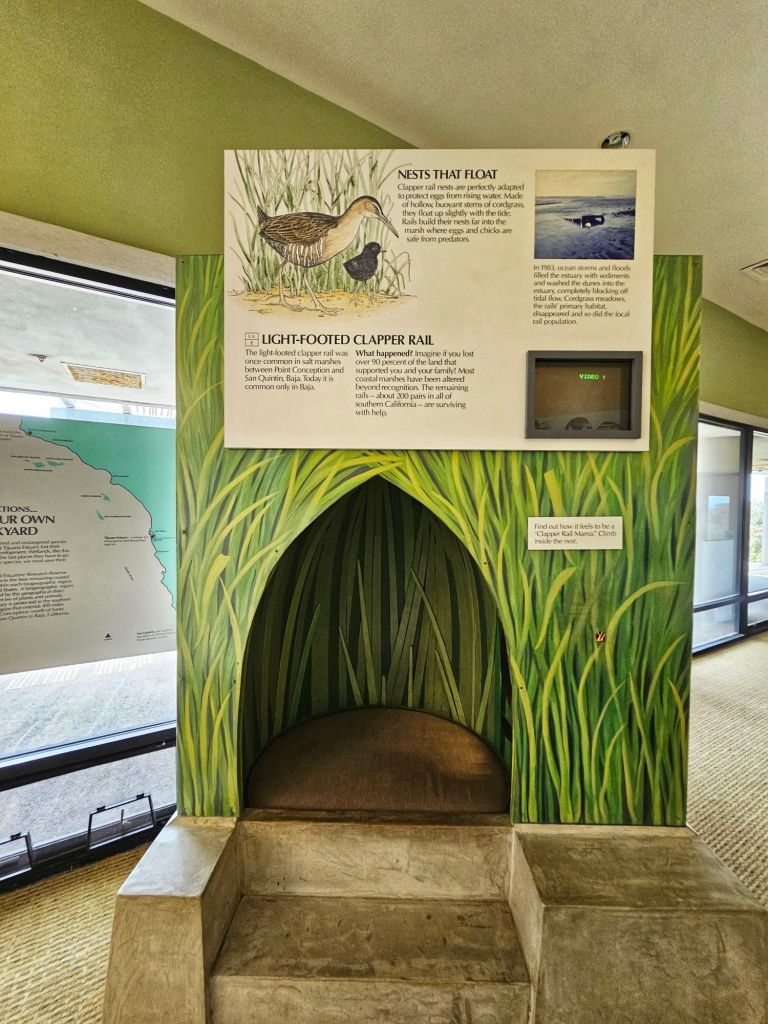
The estuary is part of the Tijuana River National Estuarine Research Reserve, a protected area spanning over 2,500 acres. It’s one of only 30 estuarine research reserves in the United States, and it plays a vital role in protecting endangered species, filtering water, and buffering the coast from storm surges.
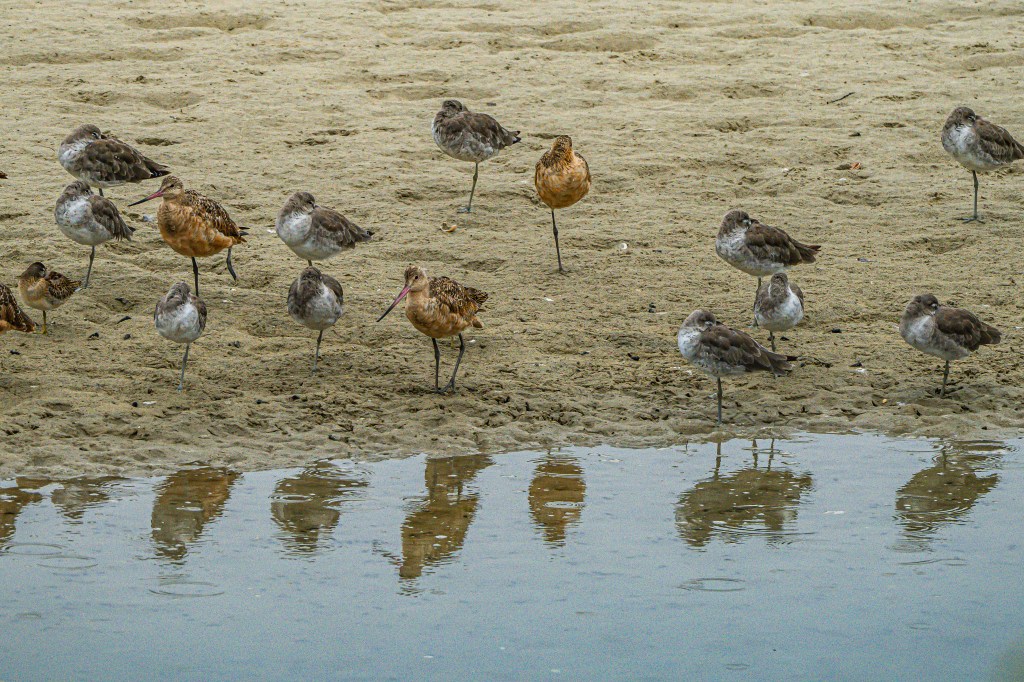
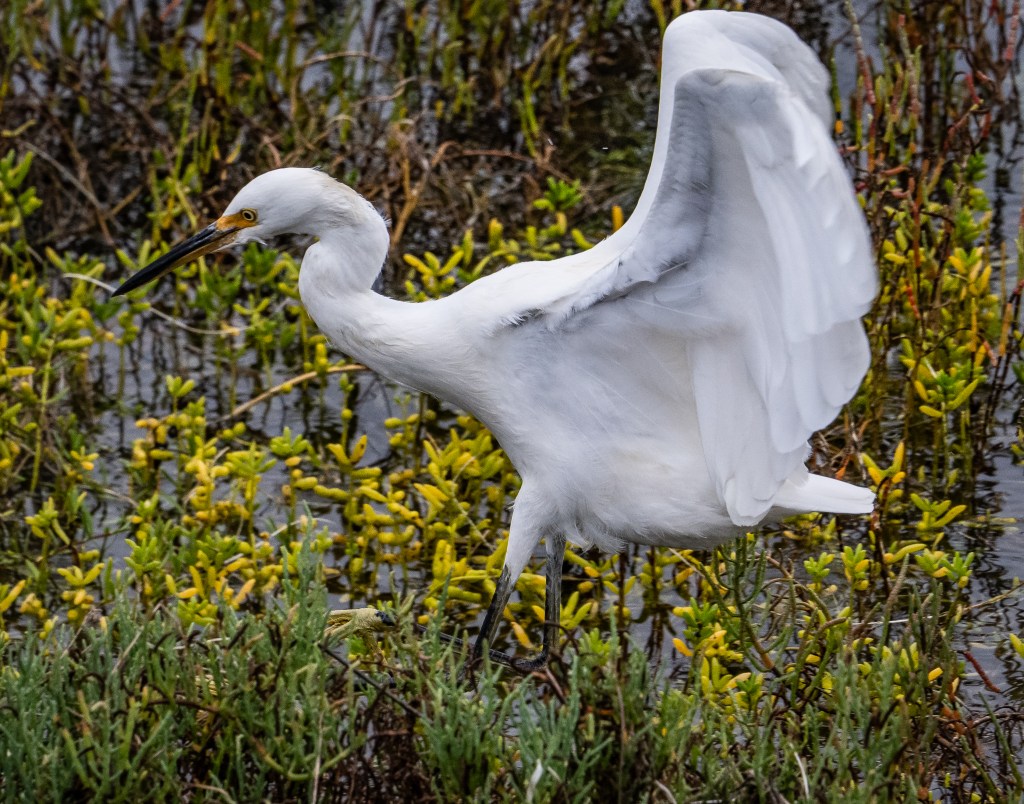
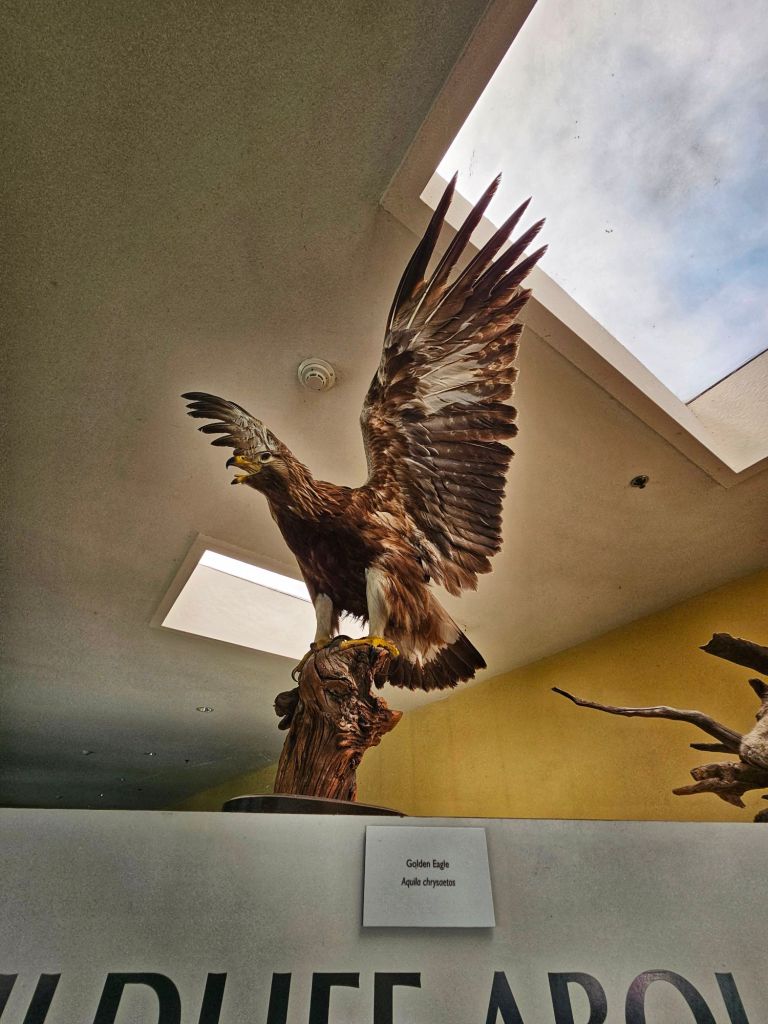
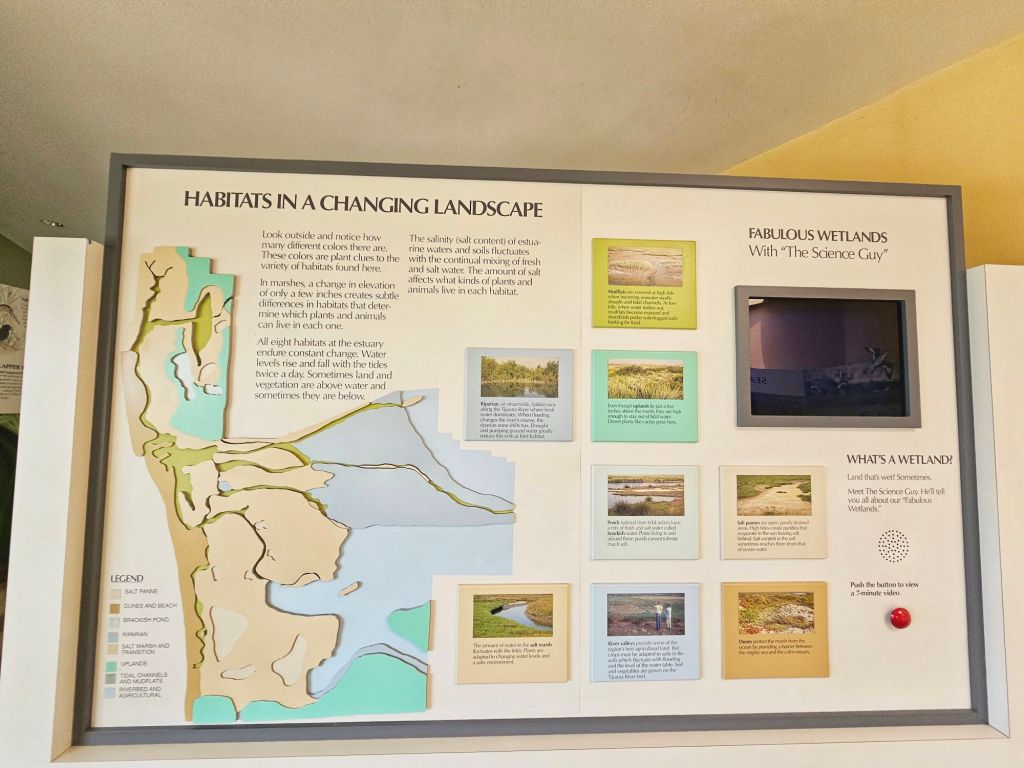
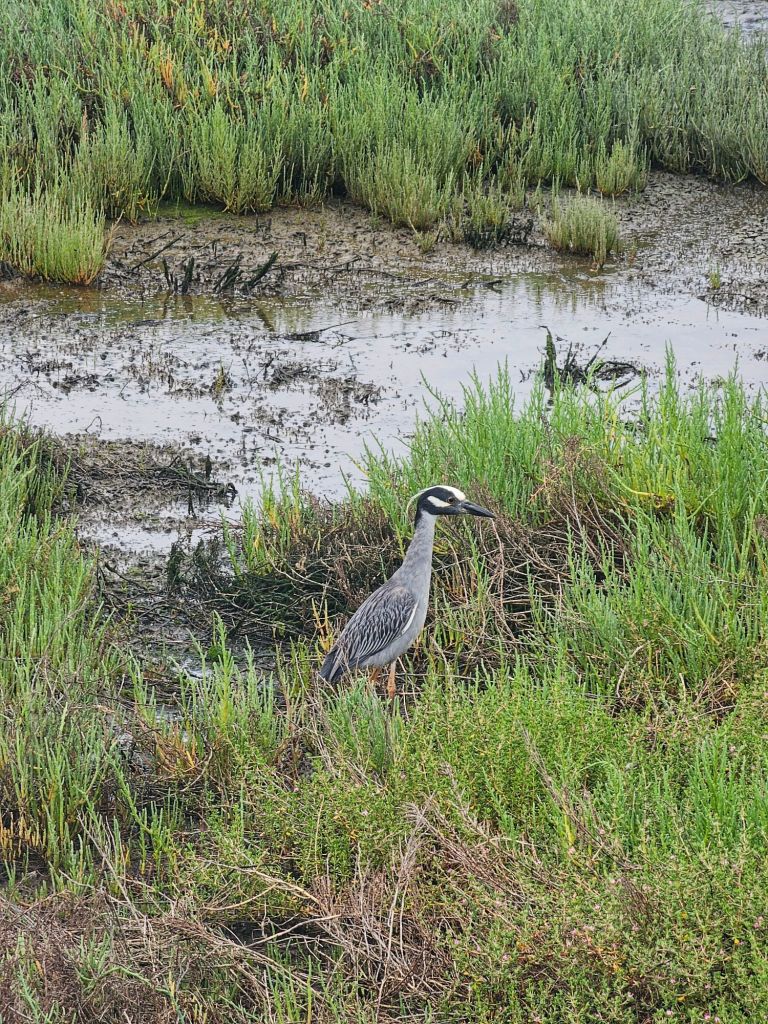
As you walk the trails, you’ll find yourself surrounded by a mosaic of marshes, mudflats, and salt flats—each teeming with life. Located along a massive aviary flyway over 370 species of birds have been recorded here, including the endangered light-footed Ridgway’s rail and least tern. Birdwatchers, bring your binoculars!
Trails, Views, and Tranquility
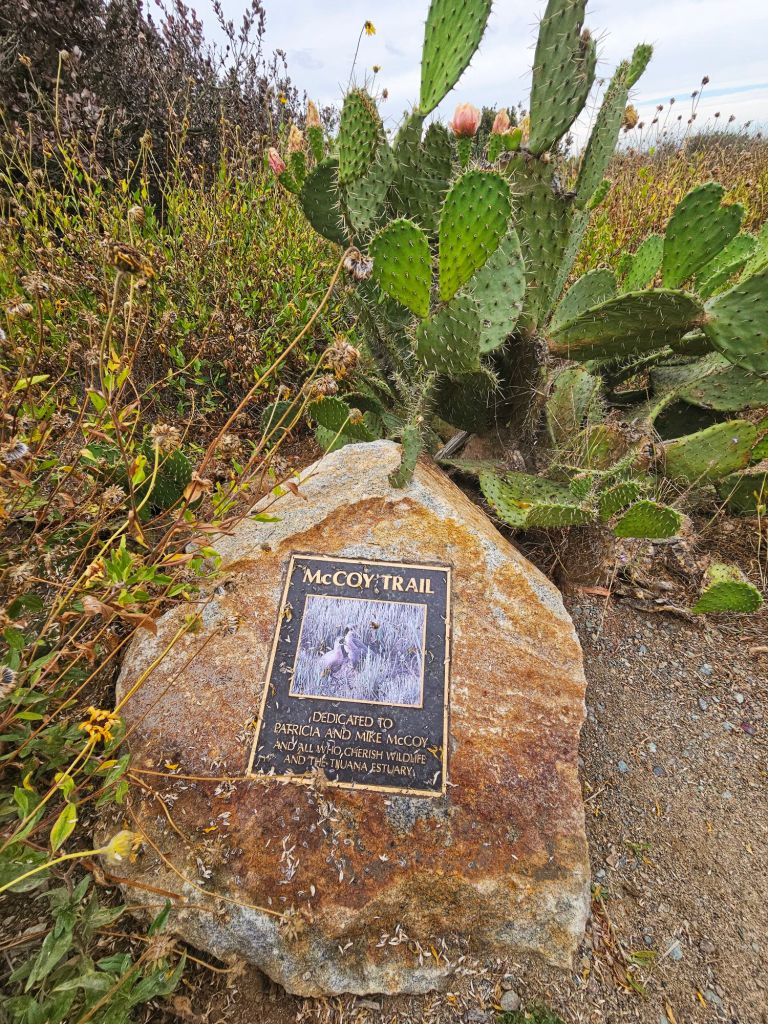
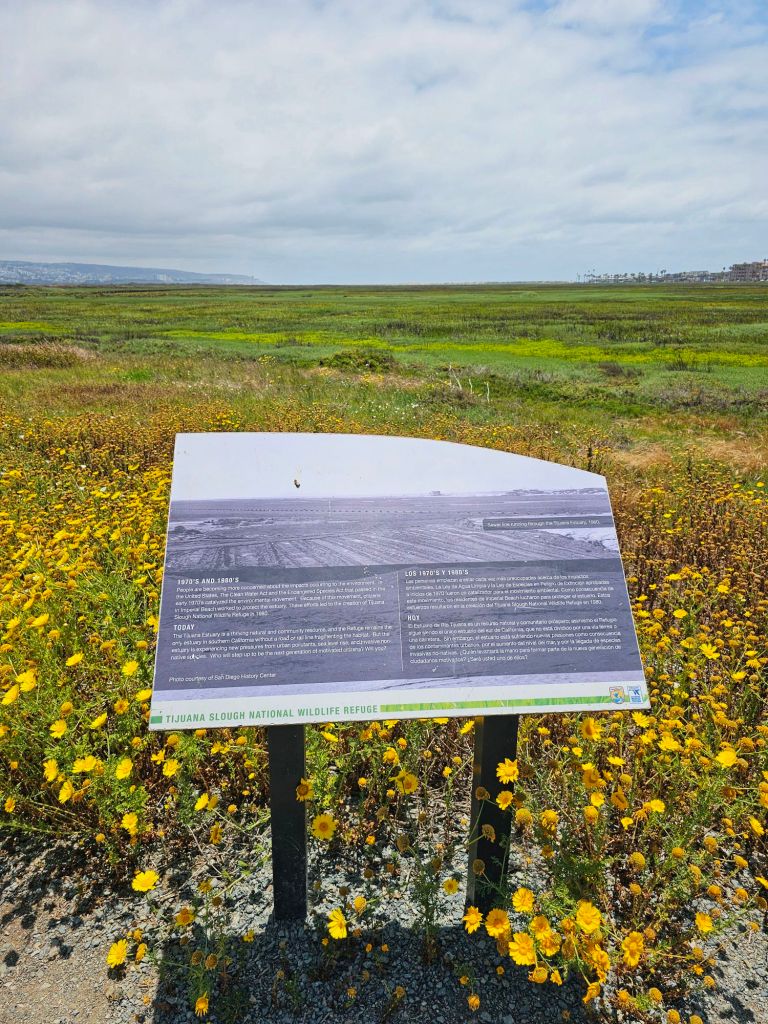
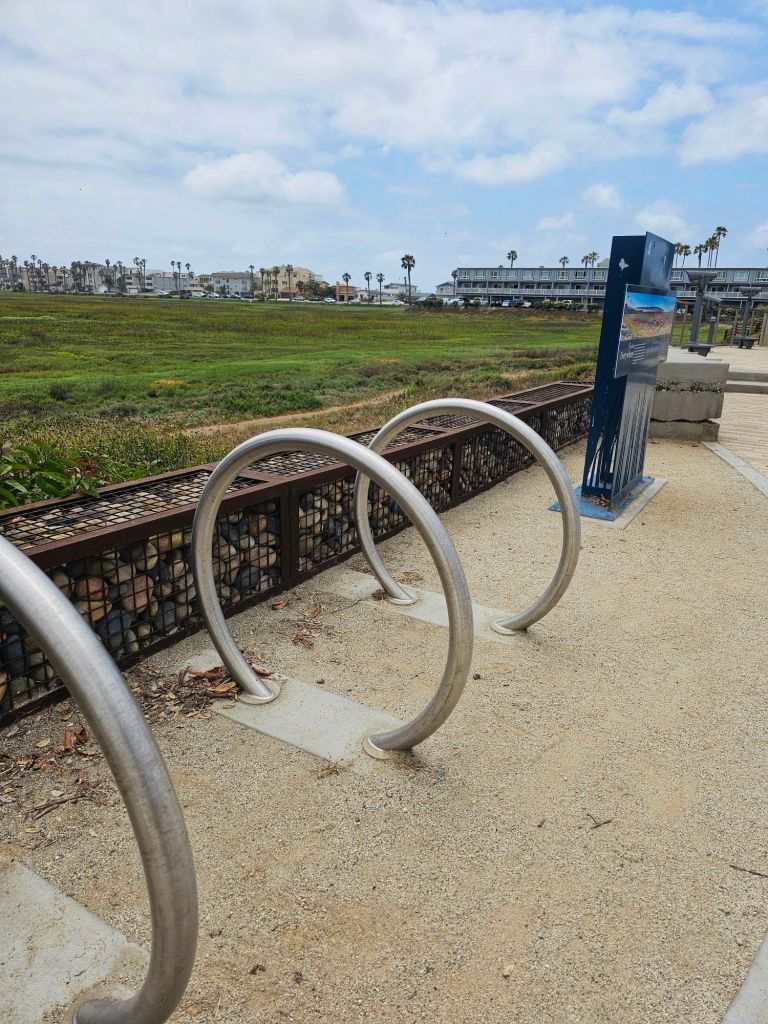
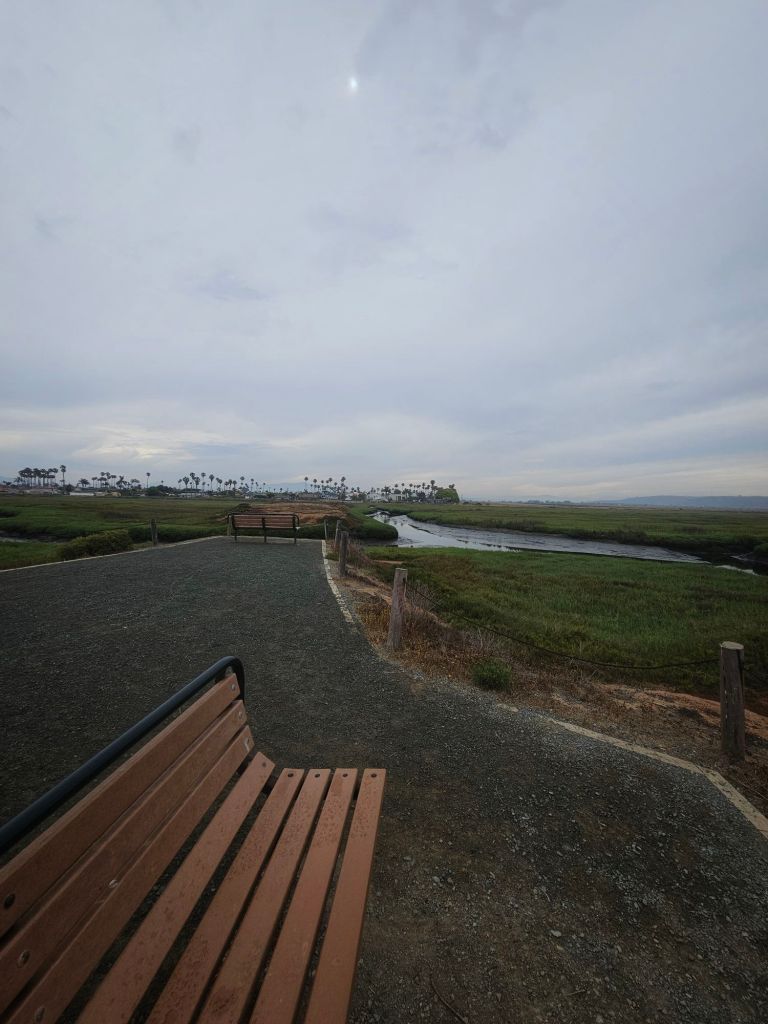
The Bayside Trail and River Mouth Trail offer easy, flat hikes with stunning views of the wetlands and the Pacific Ocean beyond. Interpretive signs along the way tell the story of the estuary’s ecology, history, and the ongoing efforts to protect it.
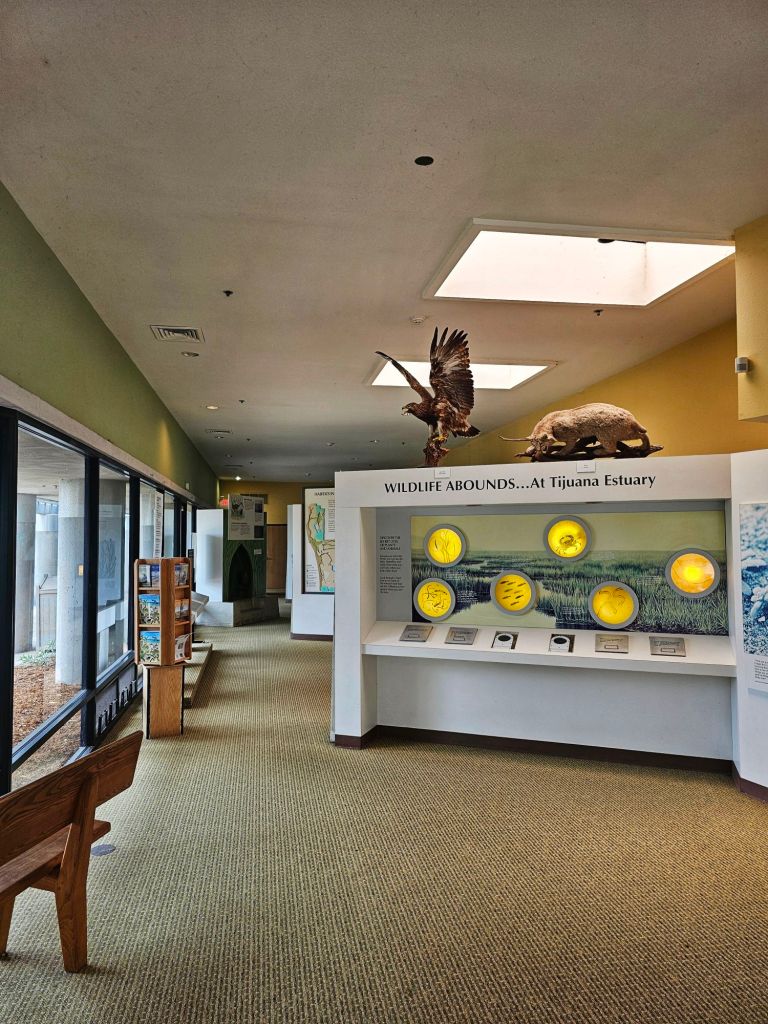
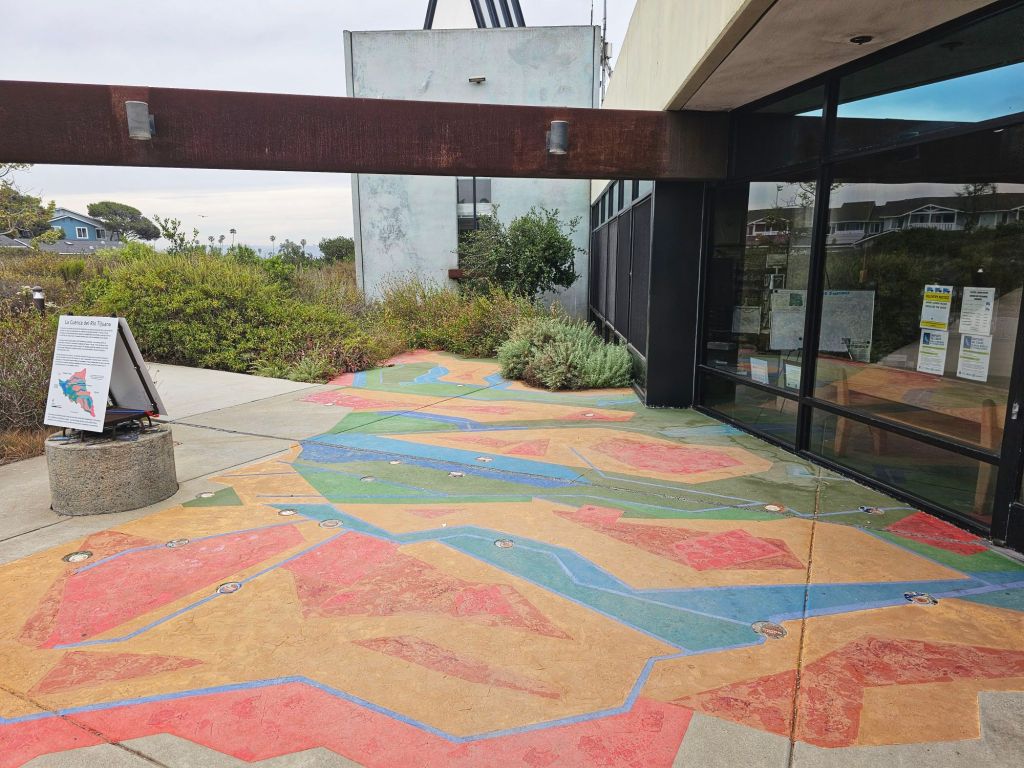
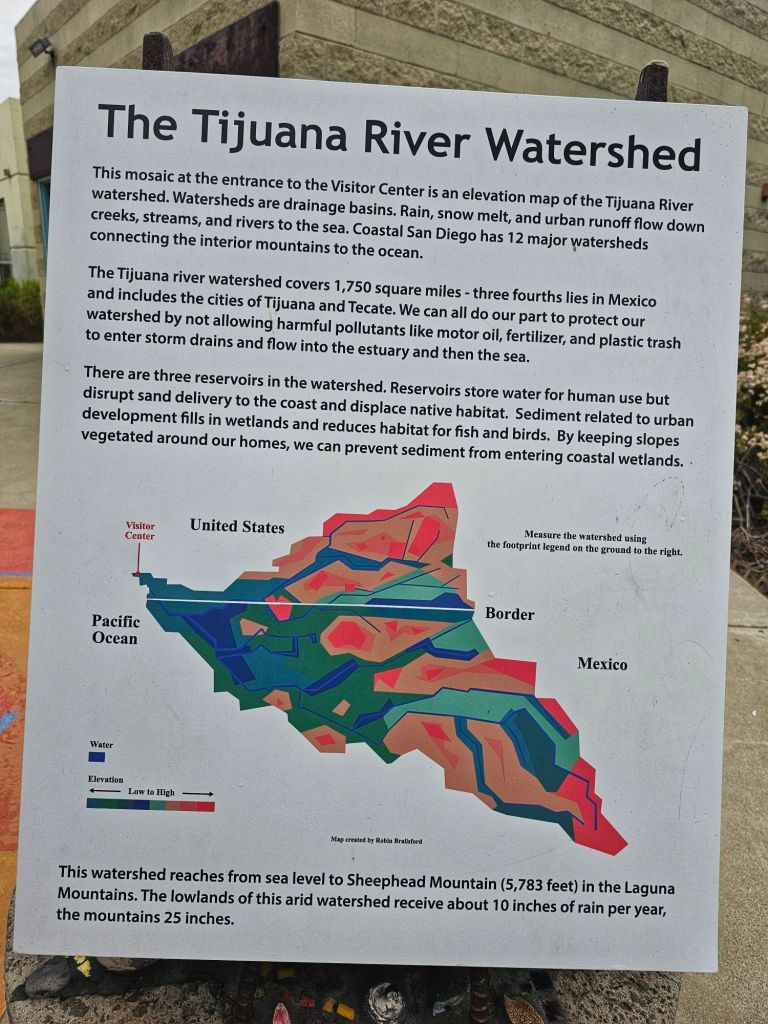
Don’t forget to stop by the Tijuana Estuary Visitor Center—a small but informative hub with exhibits, maps, and knowledgeable staff who can help guide your visit.
A Cross-Border Story
What makes the Tijuana River Estuary truly unique is its binational character. The Tijuana River originates in Mexico, flowing through the bustling city of Tijuana before crossing the U.S. border and emptying into the Pacific Ocean. Along the way, it faces challenges like pollution and urban runoff—but also inspires collaboration and conservation across borders.
Why It Matters
Estuaries like this one are among the most productive ecosystems on Earth. They provide nursery grounds for fish, shelter for birds, and natural flood control for communities. In a time of climate change and habitat loss, places like the Tijuana River Estuary remind us of nature’s resilience—and our responsibility to protect it.
Plan Your Visit
Whether you’re a birder, hiker, photographer, or simply seeking a quiet moment in nature, the Tijuana River Estuary is worth a visit. Come for the peaceful views, stay for the deeper connection to a landscape that quietly sustains life in so many ways.






































 Exploring San Diego