The 55th Annual San Diego Bay Parade of Lights

55th Annual San Diego Bay Parade of Lights: Where the Holidays Meet the Harbor
Meta description: Celebrate the 55th Annual San Diego Bay Parade of Lights—best viewing spots, photography tips, and why this waterfront tradition remains a holiday favorite.
Suggested categories: San Diego Events, Holiday Traditions, Coastal Photography
Suggested tags: San Diego Bay Parade of Lights, San Diego Christmas, Holiday Lights San Diego, Waterfront Events, Night Photography

San Diego’s signature holiday tradition returns to the waterfront, transforming the bay into a moving festival of color, music, and maritime creativity.
A Holiday Tradition on the Water

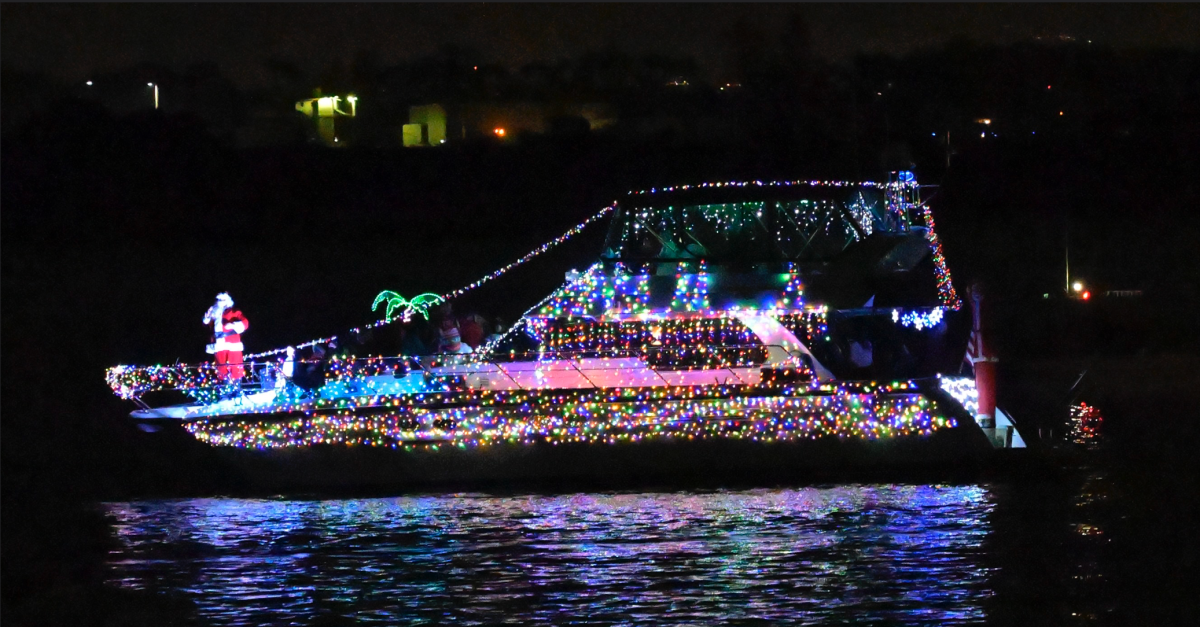
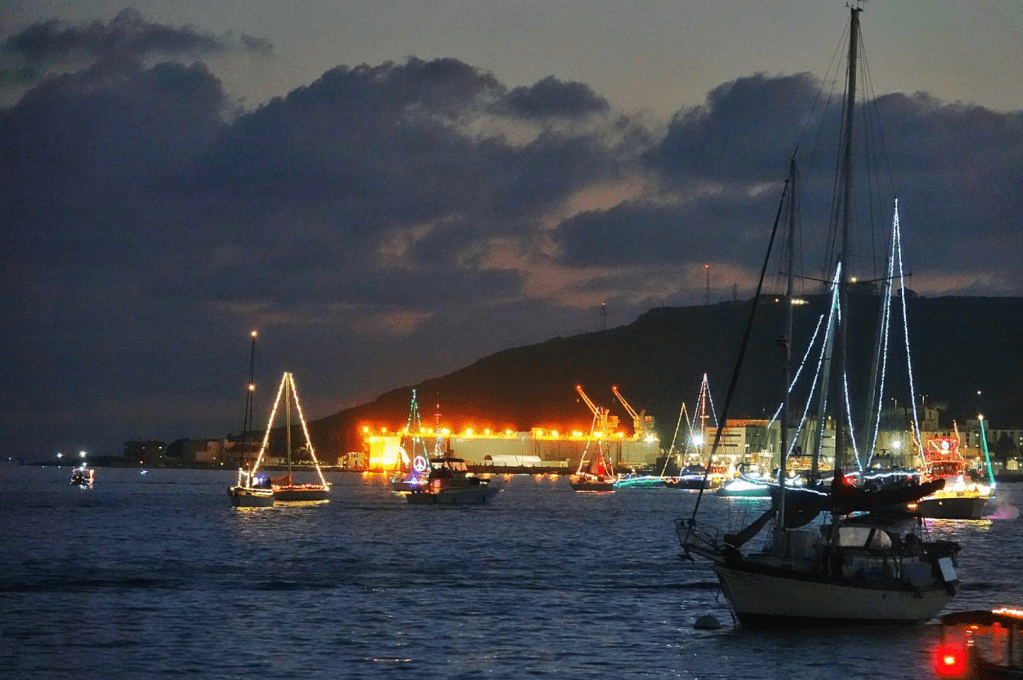
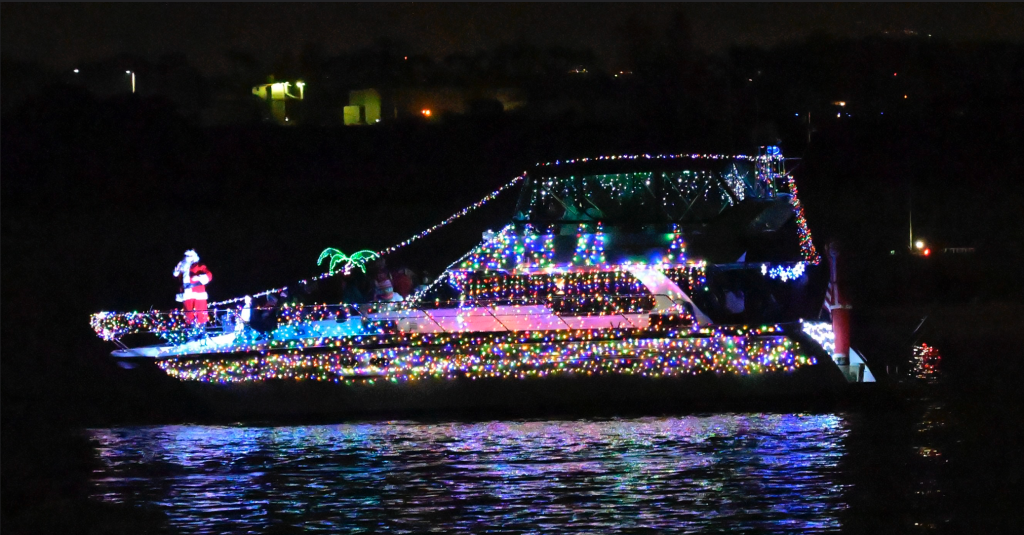
For more than five decades, the San Diego Bay Parade of Lights has marked the start of the holiday season with a spectacle found nowhere else in Southern California. Now in its 55th year, the parade brings together dozens of privately owned boats—each decorated from bow to stern in synchronized lights and themed displays—that glide across the bay after sunset.

What makes this event special isn’t just the scale of the decorations, but the setting itself. With the downtown skyline, Coronado Bridge, and working harbor as a backdrop, the parade captures the essence of San Diego: festive, coastal, and community‑driven.

How the Parade Works

Participating vessels line up along the bay and follow a designated route that allows spectators on both sides of the water to enjoy the show. Boats range from small sailboats to large yachts, all competing for top honors in categories such as best overall decoration, originality, and best use of lights.

The parade traditionally runs on two consecutive weekend nights, giving locals and visitors multiple chances to experience it. Each evening culminates with a slow, scenic procession that keeps the boats visible long enough for photos, cheers, and the occasional holiday sing‑along.

The San Diego Bay Parade of Lights brings more than 100,000 San Diego residents and visitors to the shores of San Diego Bay each year. The procession of approximately 80 lavishly decorated boats has become one of the most iconic events in the region. There is no cost to view the parade.

2025 Parade Theme is Out of This World

The procession will start at 5:30 p.m. and will follow the predetermined parade  route.

The APPROXIMATE arrival time of the parade at various locations are:

  • Shelter Island (start of parade)   5:30 p.m.
  • Harbor Island                                 5:45 –  6:15 p.m.
  • Seaport Village                                6:20 – 6:45 p.m.
  • The Embarcadero                            6:50 – 7:15 p.m.
  • The Pier at Cesar Chavez Park     7:20 – 7:30 p.m.
  • Ferry Landing on Coronado          7:40 p.m.

Best Places to Watch (and Photograph)

One of the parade’s strengths is accessibility. You don’t need a ticket to enjoy it—just a good vantage point.

Popular viewing locations include:

  • Seaport Village & the Embarcadero – Ideal for wide shots that include boats and skyline reflections.
  • Shelter Island – A favorite for photographers, offering unobstructed views and calmer crowds.
  • Coronado Ferry Landing – Perfect for capturing boats with Coronado lights in the background.
  • Cesar Chavez Park – A relaxed setting with room to move and frame different angles.

For photography, arrive early to claim a spot and plan to shoot through blue hour, when the remaining daylight blends with the glow of the lights on the water.

Oasis Camel Dairy: Ramona’s Most Unexpected Adventure

If you’ve ever wondered what it’s like to meet a camel up close—right here in San Diego County—there’s a place where curiosity turns into delight. Tucked into the rolling hills of Ramona, Oasis Camel Dairy is one of Southern California’s quirkiest and most memorable rural attractions. Part farm, part sanctuary, and part hands-on learning experience, it’s the kind of place that sticks with you long after you’ve brushed the camel dust off your shoes.

A Day at Oasis Camel Dairy: A Unique Animal Adventure in Ramona, California


What Is Oasis Camel Dairy?

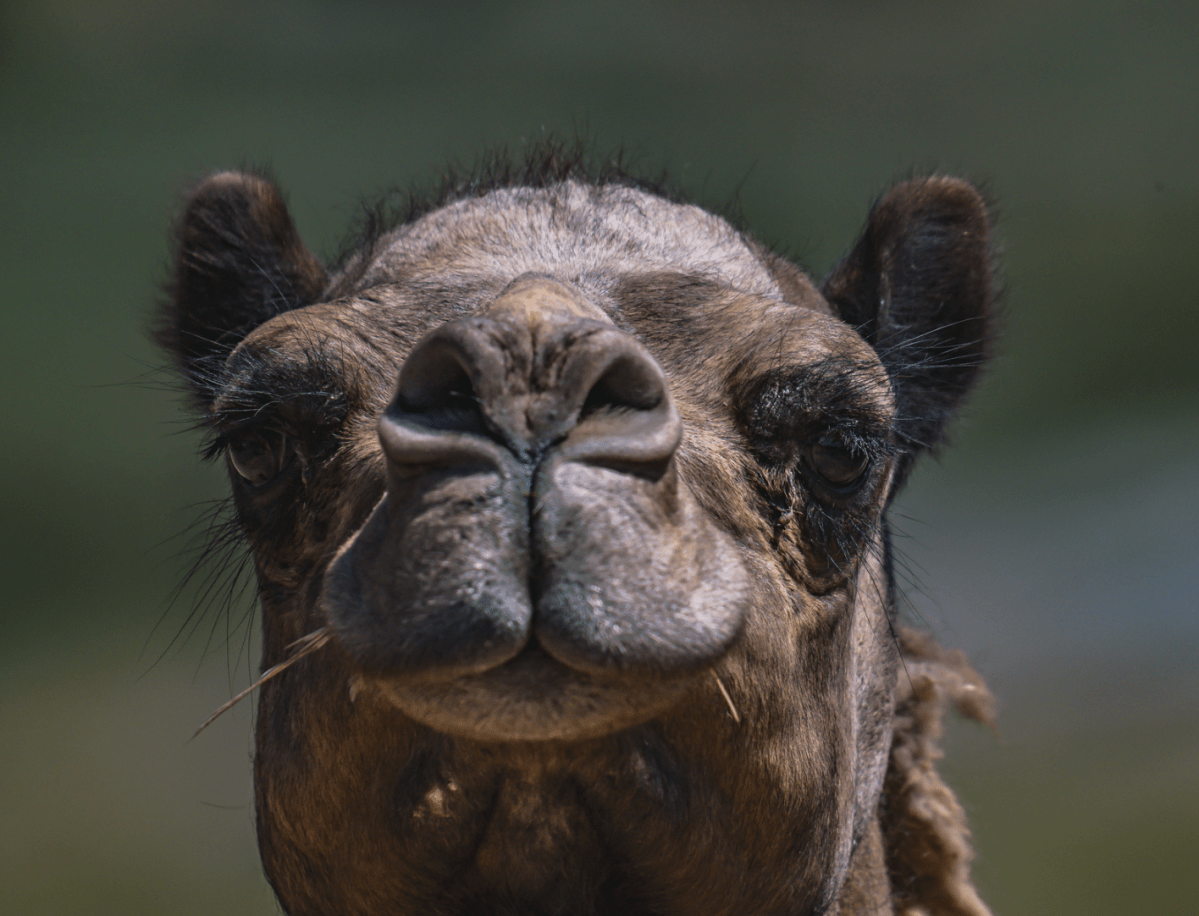
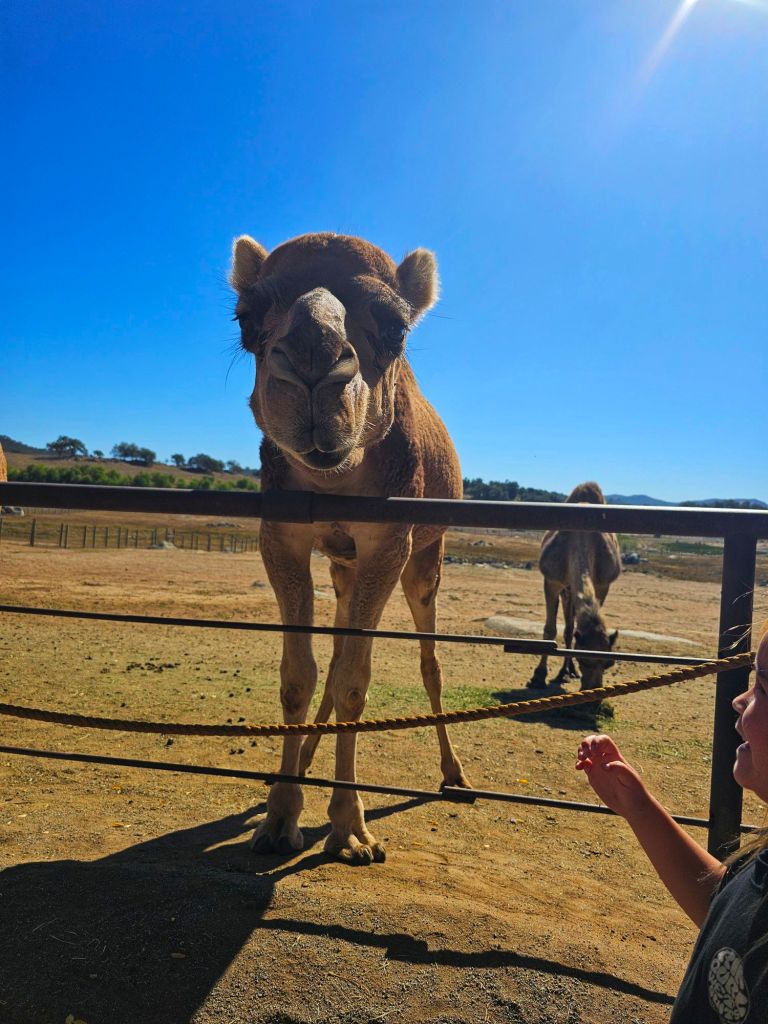
Oasis Camel Dairy is a small, charming farm known for its herd of dromedary camels, gentle giants with expressive faces and plenty of personality. The dairy also produces camel-milk skincare products, hosts open farm days, offers camel rides, and gives visitors a hands-on glimpse into the world of camel care.While camels might seem like animals you’d only meet on an overseas vacation, this Ramona farm makes the experience feel surprisingly personal, accessible, and welcoming.


The Experience: Meeting the Camels

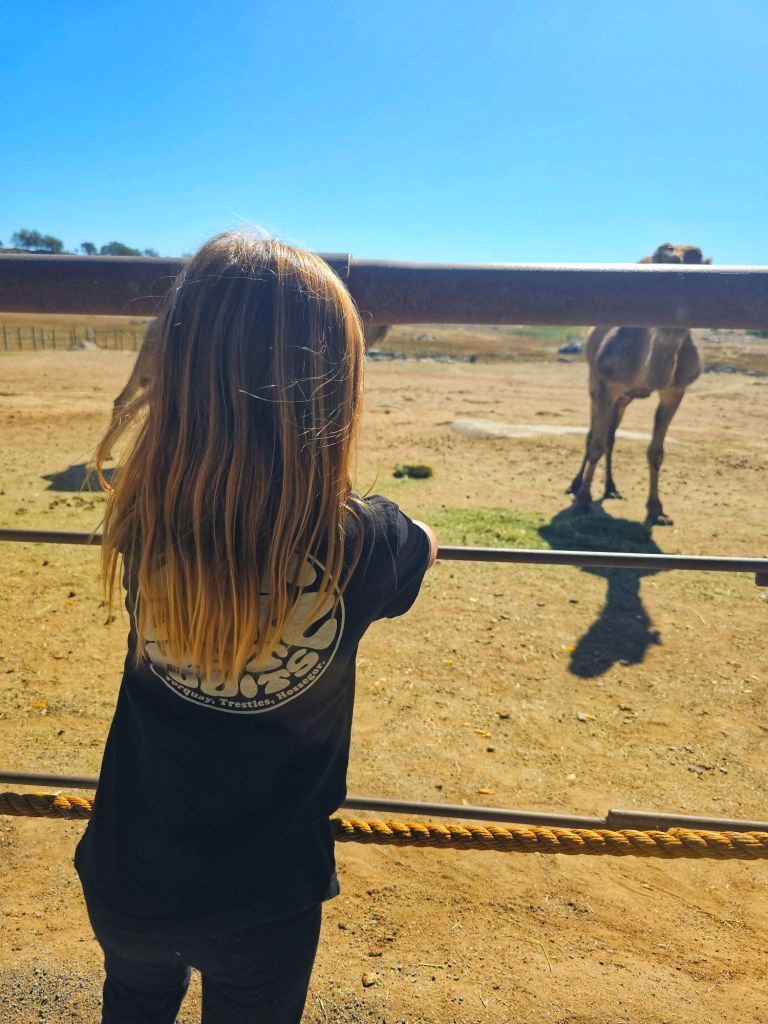
The moment you arrive, you’ll notice how relaxed, open, and friendly the atmosphere is. The camels often gather along the fences, curious about new visitors. During open farm hours, you can:

  • Feed the camels (watch your fingers—they’re enthusiastic eaters!)Pet them and learn about their behavior and history Watch demonstrations on camel training and milking Ask questions—the staff genuinely loves sharing stories and tips

Kids tend to be mesmerized by how tall and gentle the camels are, while adults appreciate the peaceful vibe and wide-open scenery.


Try a Camel Ride

One of the highlights of visiting Oasis Camel Dairy is the chance to ride a camel. These are short, guided rides perfect for first-timers. You’ll mount from a raised platform, settle into the saddle, and enjoy a slow, smooth loop around the training area.It’s a fun mix of novelty and nostalgia—like riding a piece of history.


More Animals to See

Beyond camels, the farm is full of friendly faces:

  • Mini sheepSpotted sheepColorful birdsFarm dogsOccasional baby animals depending on the season

It’s the kind of place where you’ll want to wander slowly, snap photos, and enjoy the simplicity of farm life.


Don’t Skip the Gift Shop

The on-site shop is small but full of treasures. Oasis Camel Dairy is known for its camel milk skincare line, including:

  • Handcrafted soapsLotion barsCreams and balmsBath itemsEven camel-milk chocolate

Everything is made in small batches, making it great for souvenir shopping.


Why You’ll Love This Day Trip

Oasis Camel Dairy offers a refreshing break from the typical San Diego itinerary:

  • It’s unique—how often do you get to hang out with camels in California?It’s quiet and peaceful, surrounded by rural hills and open skyIt’s fun for all ages—kids, couples, families, solo travelersYou’ll leave with stories, pictures, and maybe a new favorite farm animal

If you’re exploring Ramona wineries or driving out toward Julian, this stop fits perfectly into a scenic day trip.


Travel Tips for Visiting
  • Check the schedule: Open farm days rotate monthly.Wear comfortable shoes: Paths are dirt and gravel.Bring water and sunscreen—Ramona gets warm.Arrive early for rides: They’re popular and sometimes limited.Expect a rustic setting: The charm is in its simplicity.

  •  Checkout their website for events, open farm dates, fees and more

    https://cameldairy.com/home


    Final Thoughts

    Oasis Camel Dairy is one of those rare places that surprises you in the best way. It manages to be educational, relaxing, and genuinely charming—all while giving you a chance to meet animals you’d never expect to find in Southern California. Whether you’re planning a family outing or searching for a unique travel story, this Ramona farm is well worth the trip.


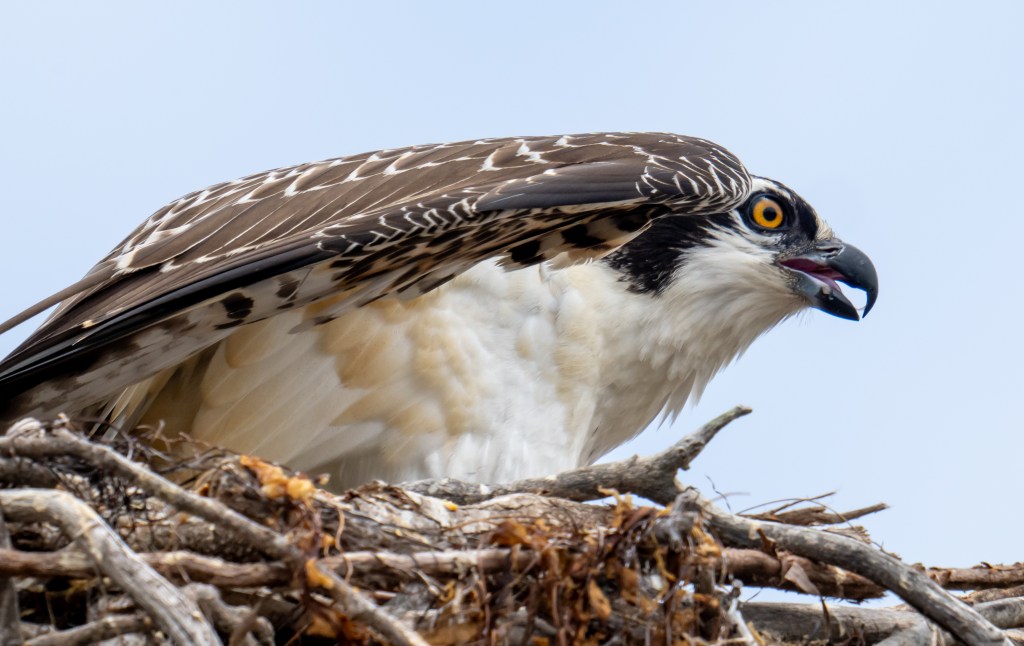
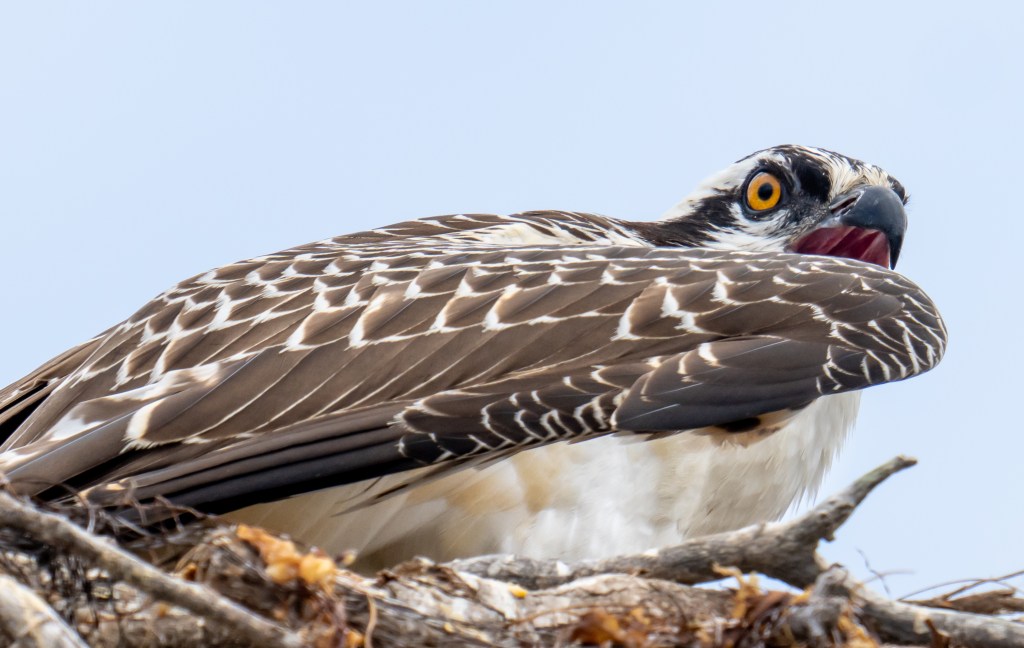
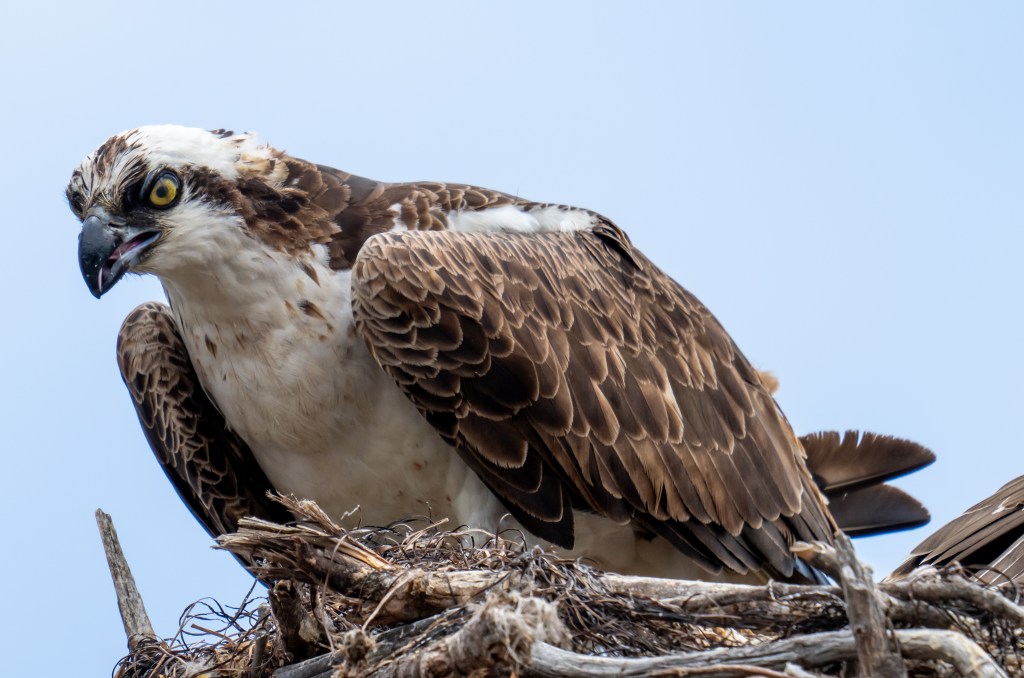
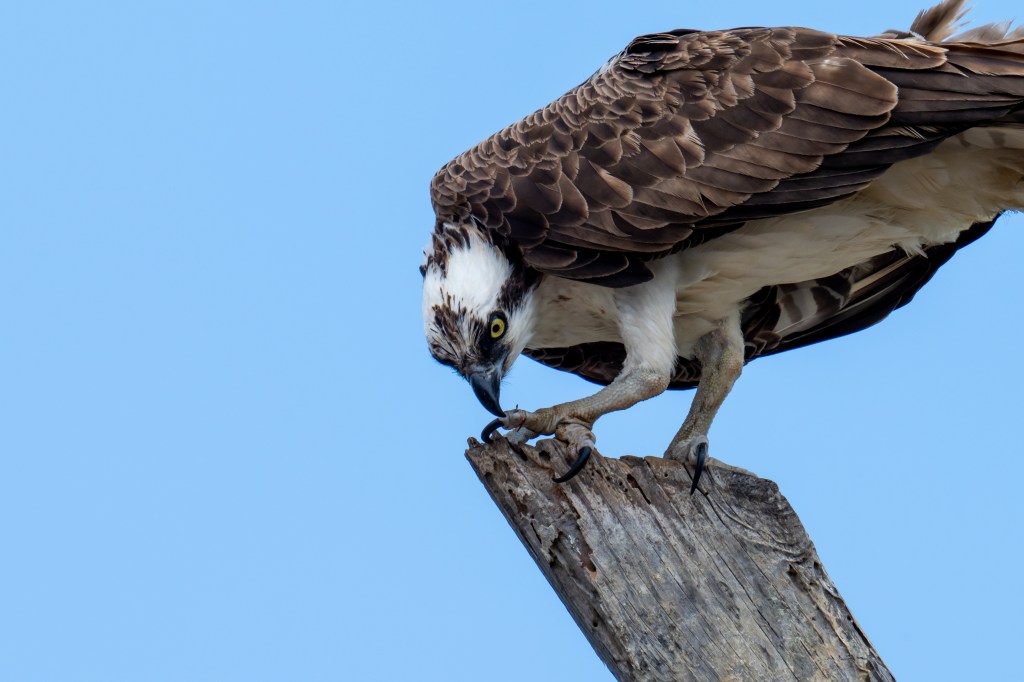
    🦅 Ospreys of Shelter Island: San Diego’s Coastal Raptors

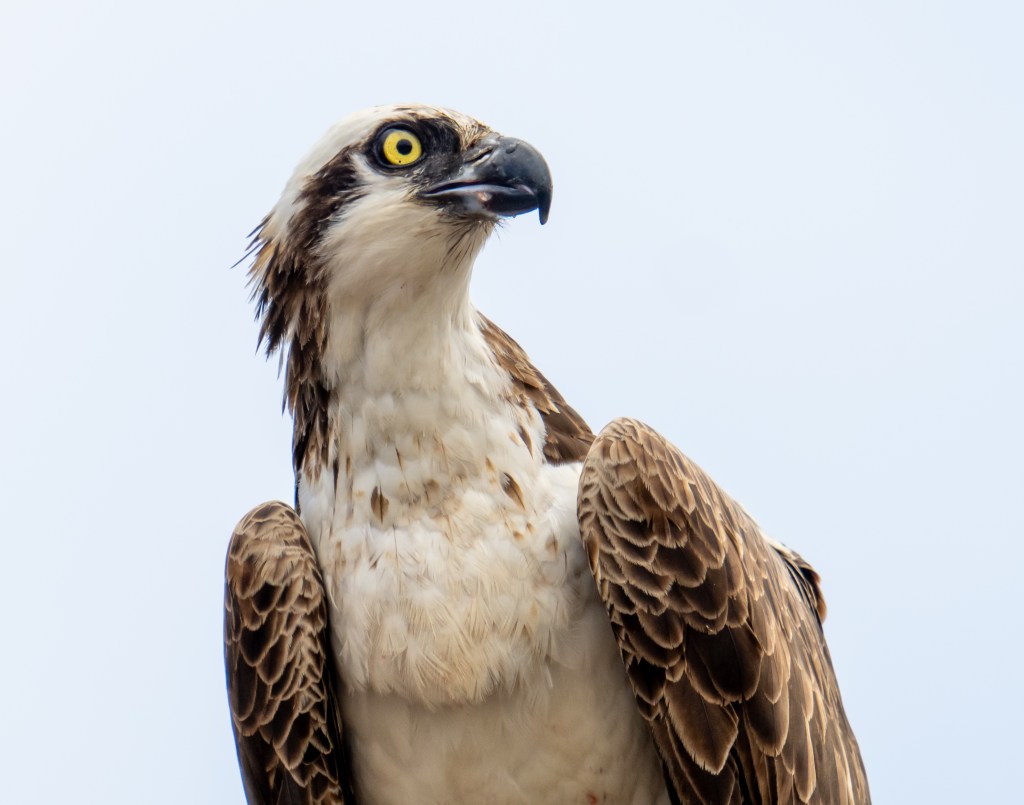
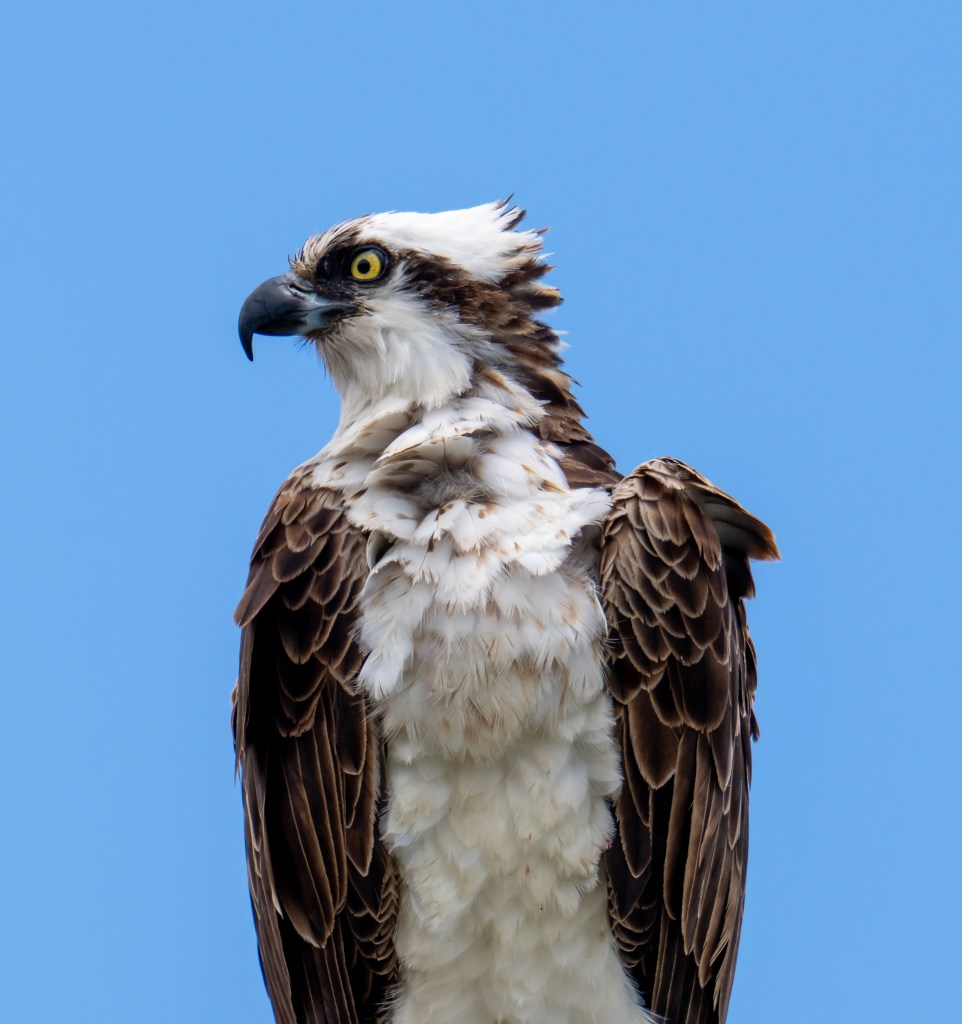
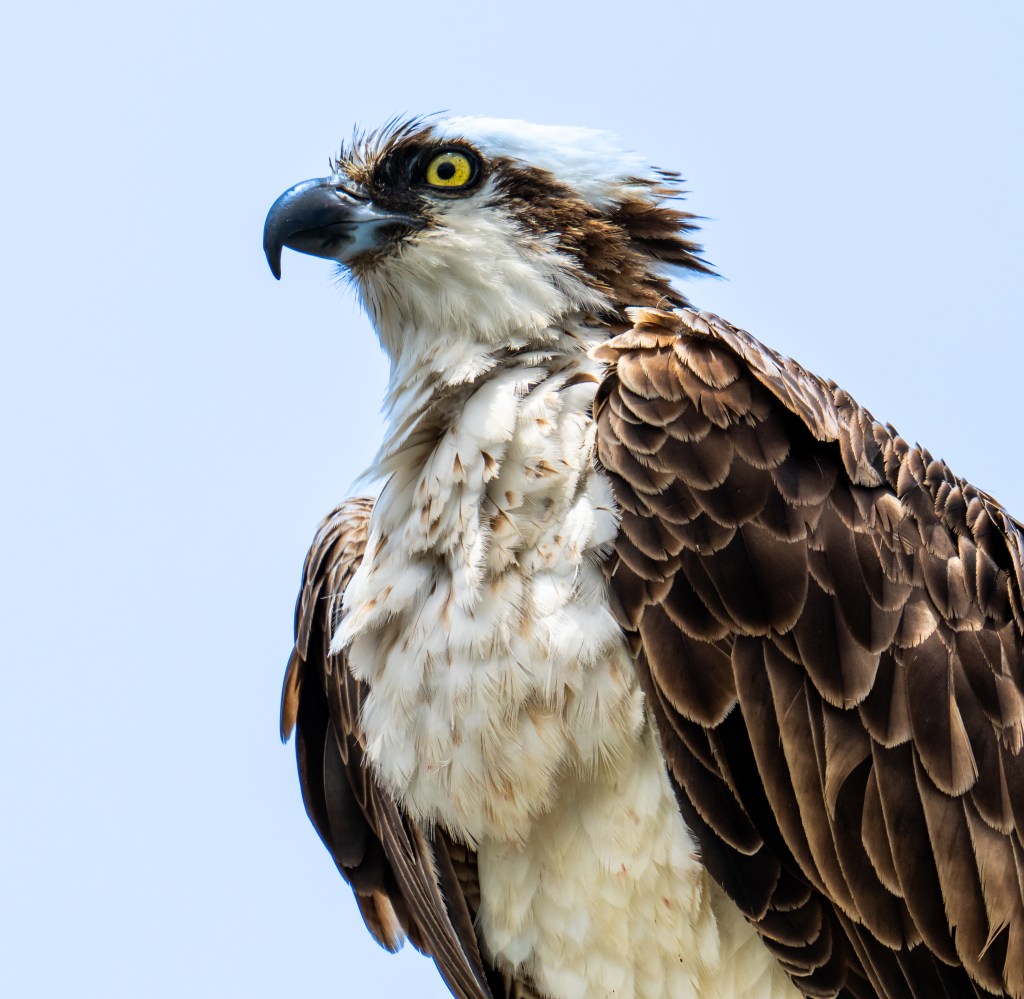
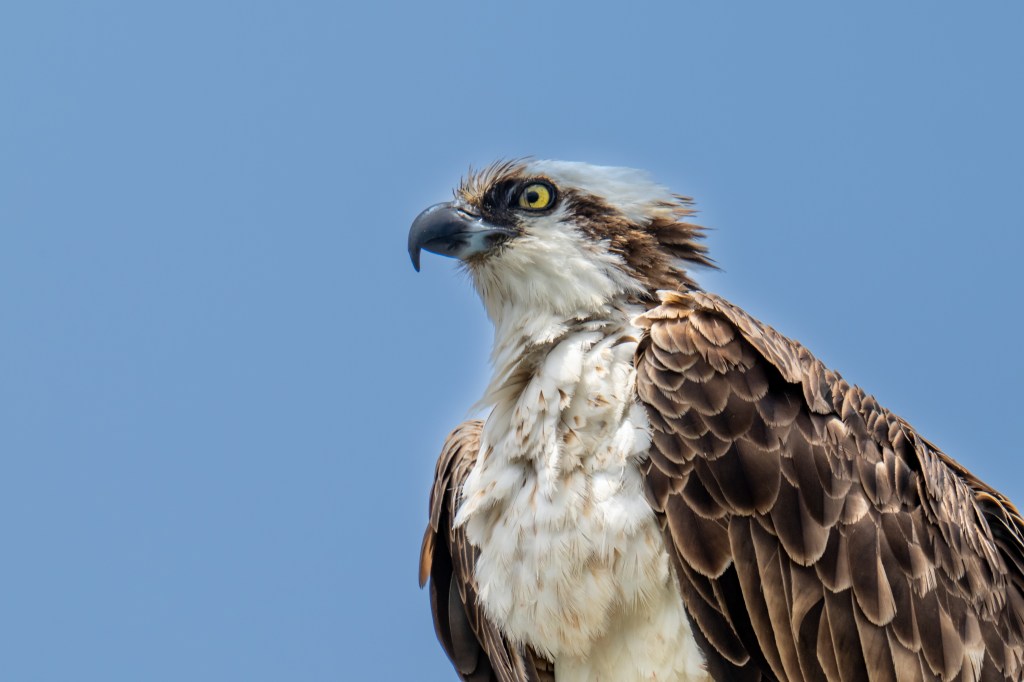
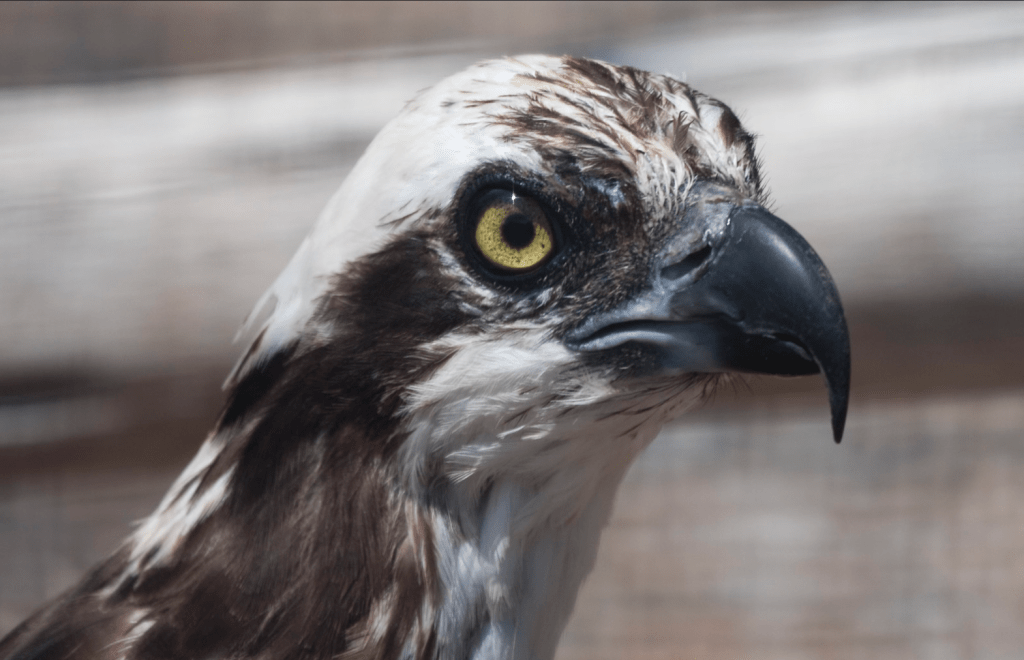
    If you’ve ever strolled along the waterfront on Shelter Island and looked up to see a large bird hovering gracefully above the bay, chances are you’ve spotted an osprey. Known as the “fish hawk,” this striking bird of prey has made a comfortable home here in San Diego’s maritime backyard.

    A Natural Fisherman in an Urban Setting

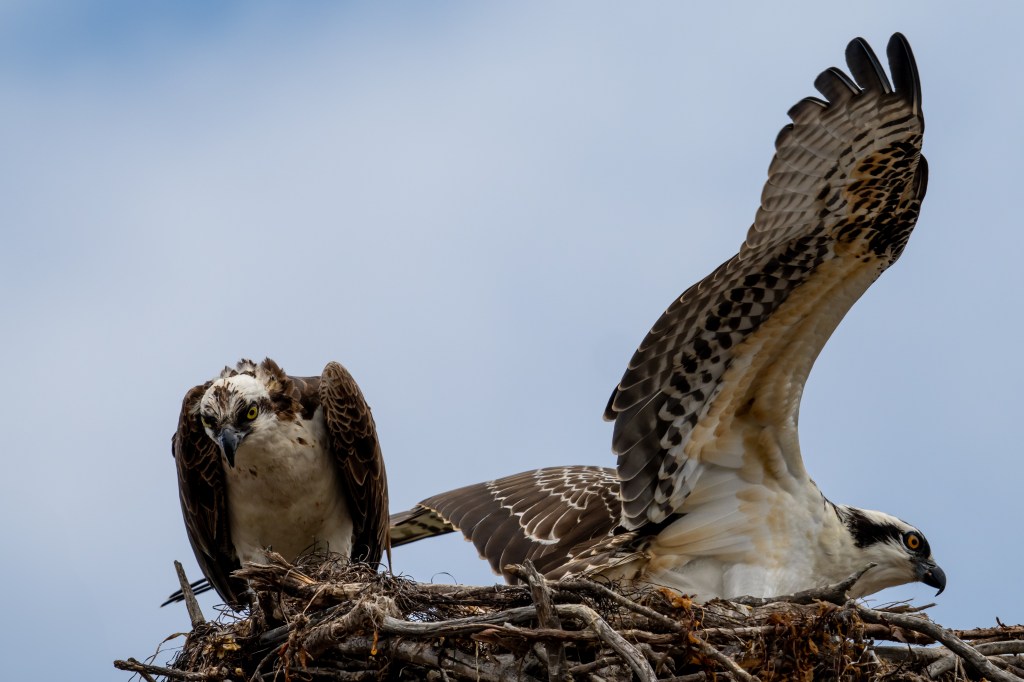
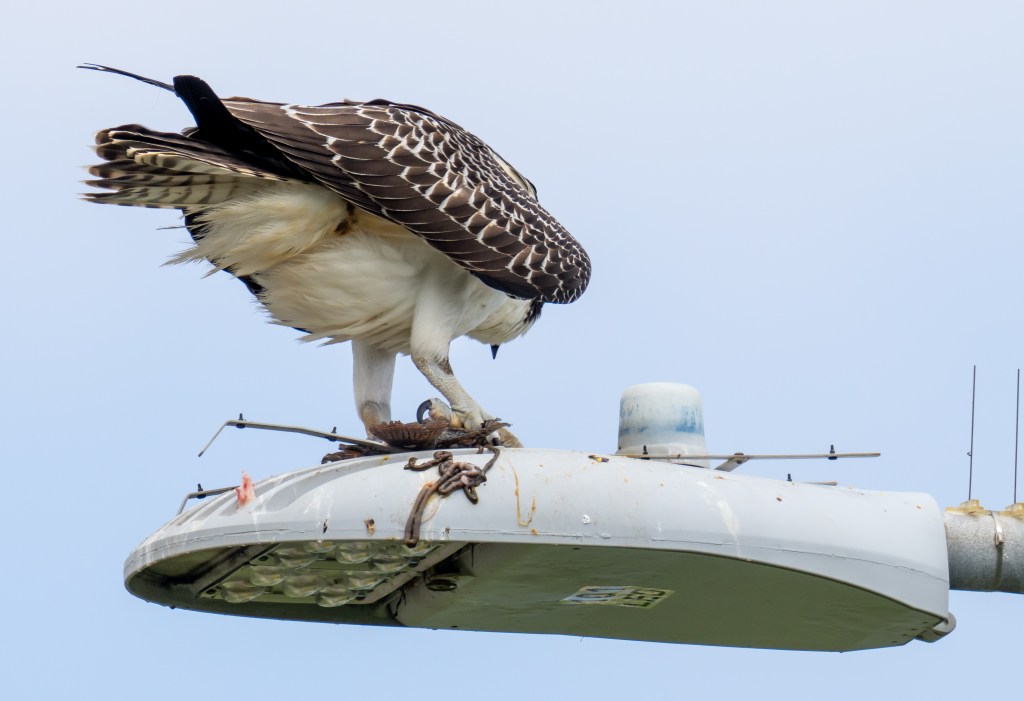
    Shelter Island offers the perfect blend of natural habitat and human-made infrastructure that ospreys have come to favor. With calm bay waters rich in fish and an abundance of tall structures like light poles, boat masts, and channel markers, ospreys have carved out a niche among the marinas and piers. It’s not uncommon to spot their bulky stick nests perched high above the docks, often near the Shelter Island Launch Ramp or around America’s Cup Harbor.

    A Front-Row Seat to Nature

    Watching an osprey hunt is a thrilling experience. These raptors soar high, scanning the water with laser-sharp vision. Then, in an instant, they dive feet-first into the bay, emerging with a wriggling fish clutched in their powerful talons. It’s a daily drama that plays out just steps from the sidewalk — and a reminder that even in the heart of the city, nature thrives.

    Season of the Osprey

    While ospreys can be seen in San Diego year-round, their breeding season typically runs from March to August. During these months, you might see pairs working together to build or repair nests, calling out with sharp whistles, or feeding their young. If you’re lucky, you might spot fledglings learning to fly — a heartening sight that signals the continued health of our coastal ecosystem.

    A Conservation Comeback

    Ospreys weren’t always so easy to spot. In the mid-20th century, their numbers plummeted due to pesticide use, especially DDT. But since the ban of such chemicals and the protection of nesting sites, osprey populations have rebounded across the U.S., including right here in San Diego Bay. Their presence on Shelter Island is a quiet conservation success story.

    Where to Look

    For the best osprey-watching:

    • Walk along the Shelter Island shoreline promenade near the boat launches.
    • Look up at tall poles or navigation beacons — nesting sites are often quite visible.
    • Early morning and late afternoon are great times to see them hunting.

    Bring your binoculars, a camera, and a sense of wonder. Whether you’re a birder, photographer, or casual observer, spotting an osprey in action is always a memorable moment.

    Where River Meets Sea: Exploring the Tijuana River Estuary

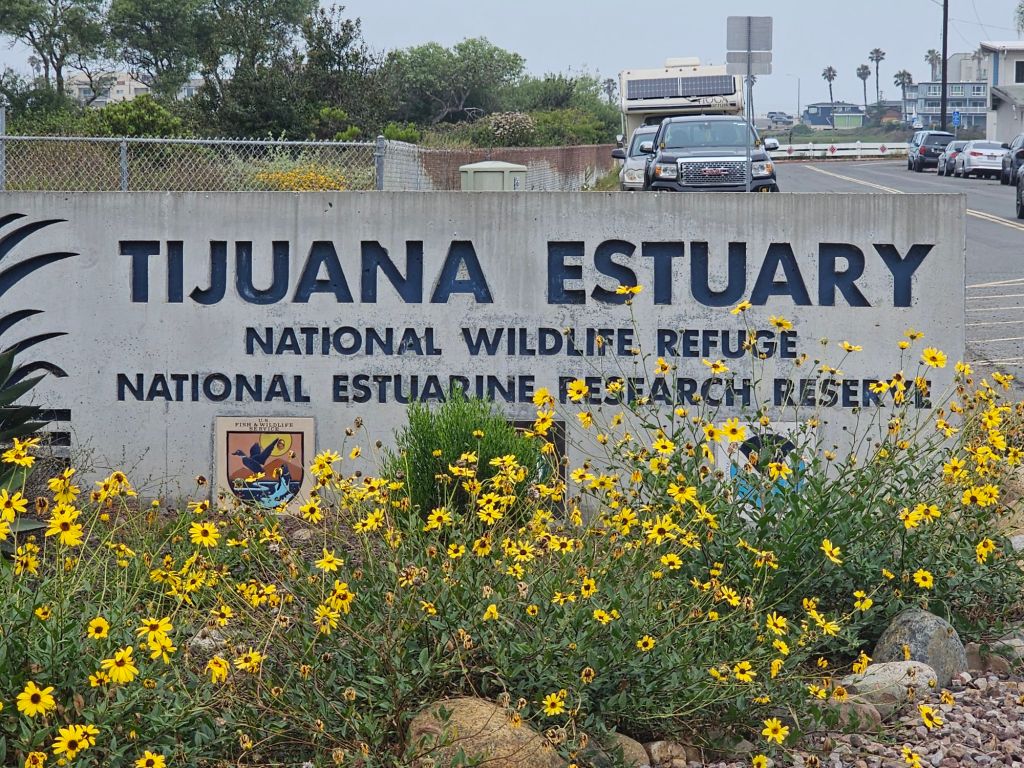
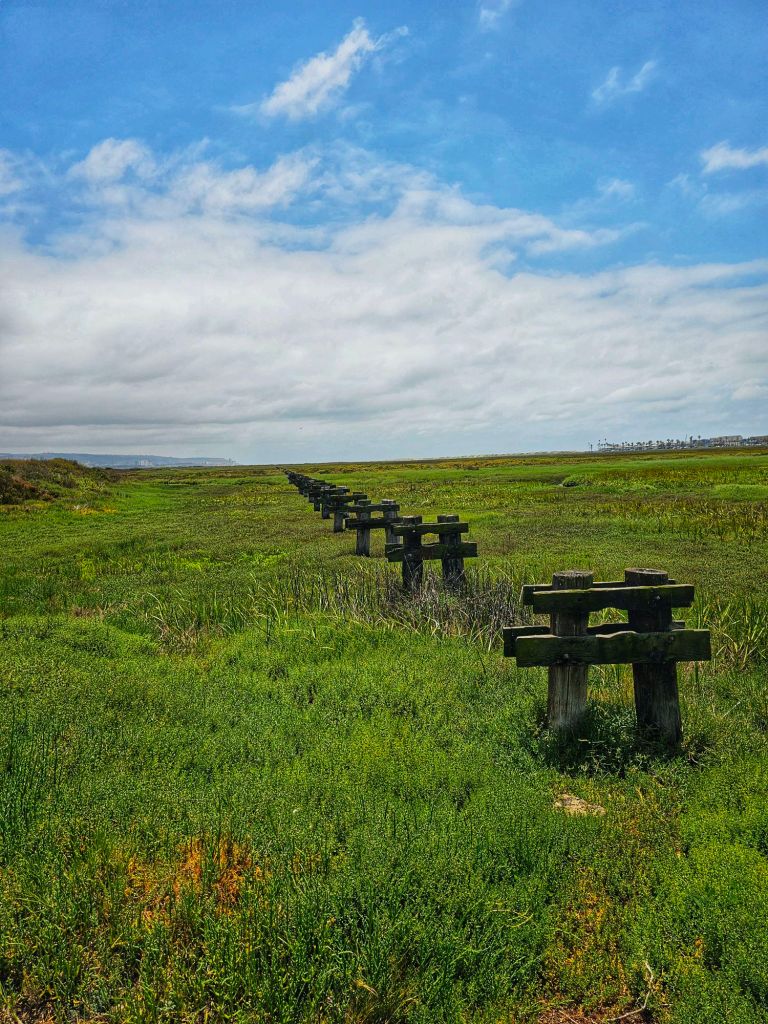
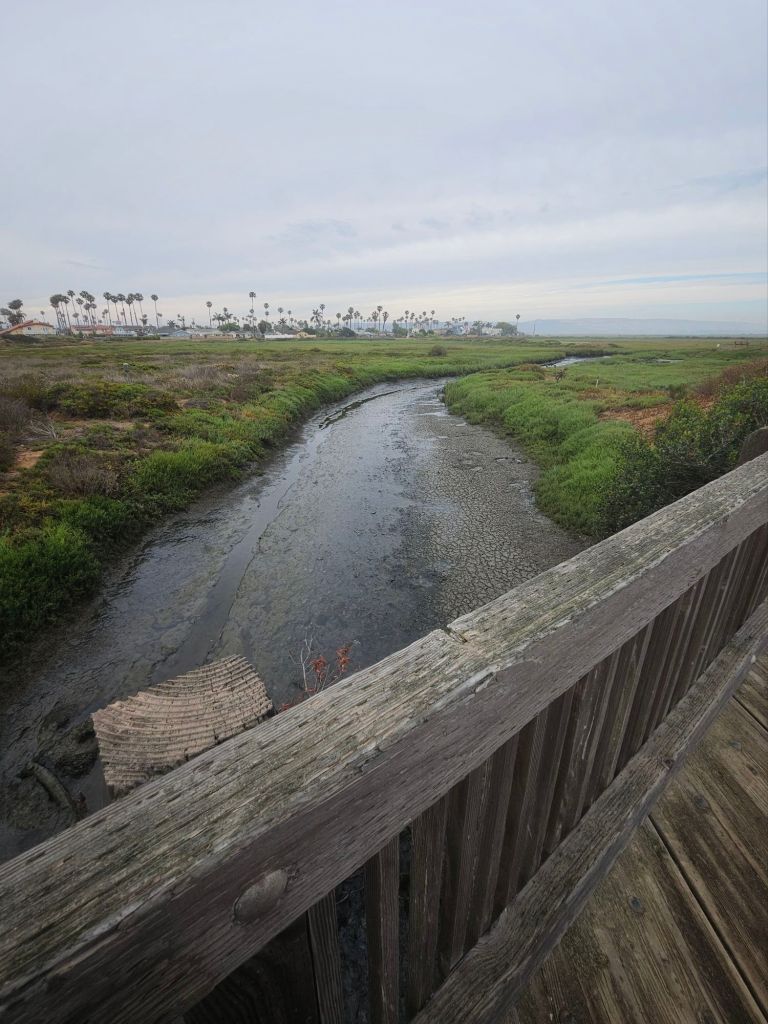
    Just a few miles south of San Diego’s bustling downtown lies a hidden gem where saltwater, freshwater, and wildlife converge in a delicate dance of life—the Tijuana River Estuary. Tucked between Imperial Beach and the U.S.-Mexico border, this vast coastal wetland is not only a peaceful escape from the city but also one of Southern California’s most ecologically significant landscapes.

    A Living Sanctuary

    The estuary is part of the Tijuana River National Estuarine Research Reserve, a protected area spanning over 2,500 acres. It’s one of only 30 estuarine research reserves in the United States, and it plays a vital role in protecting endangered species, filtering water, and buffering the coast from storm surges.

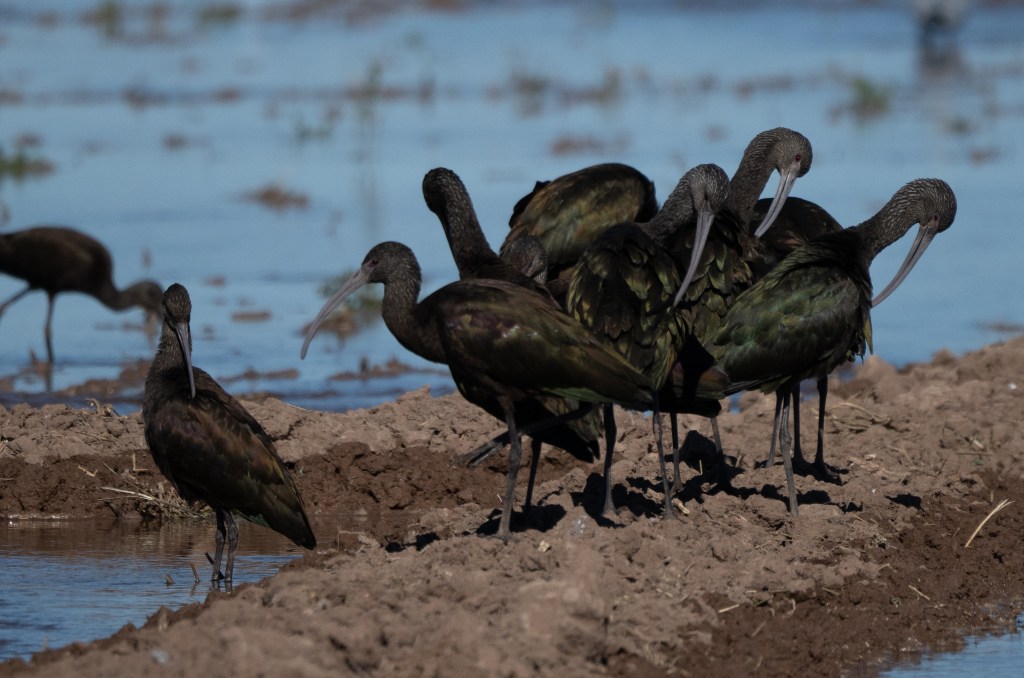
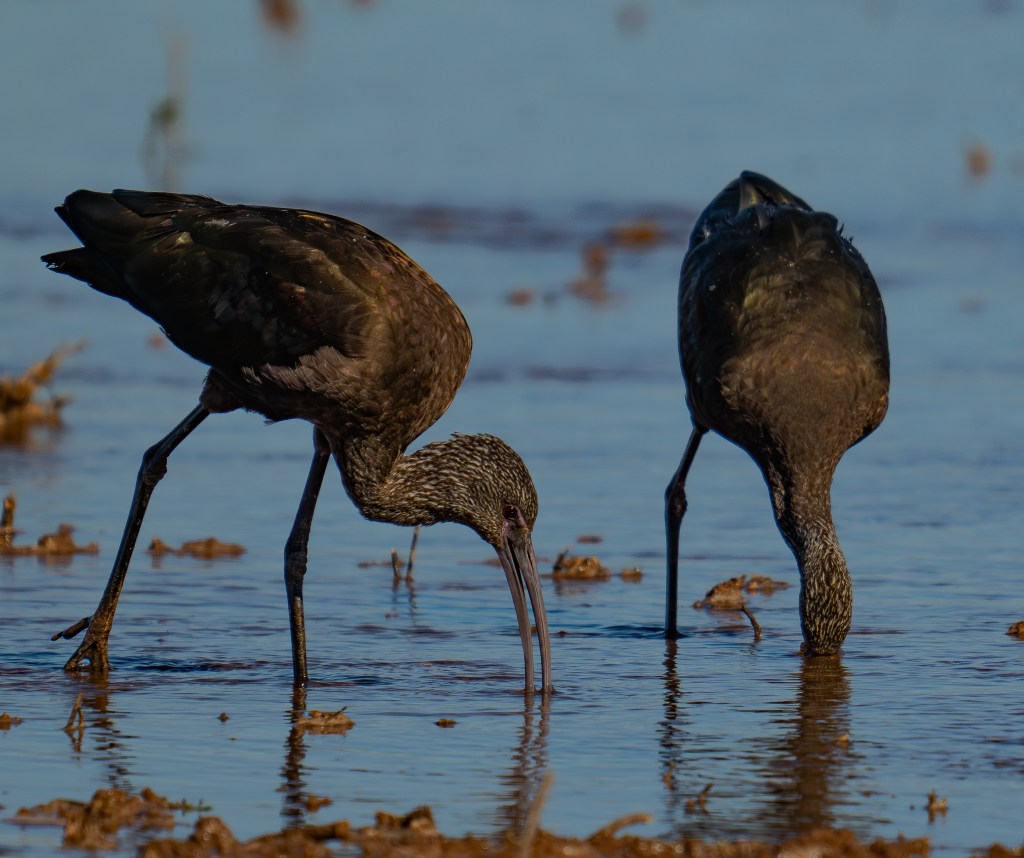
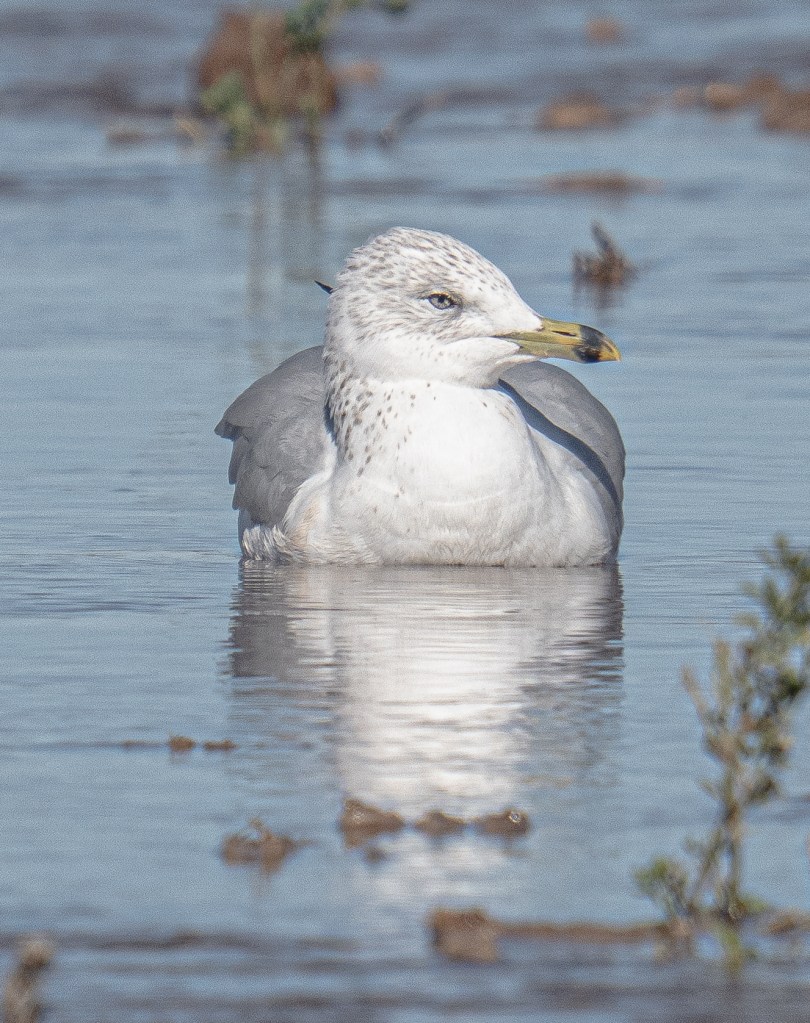
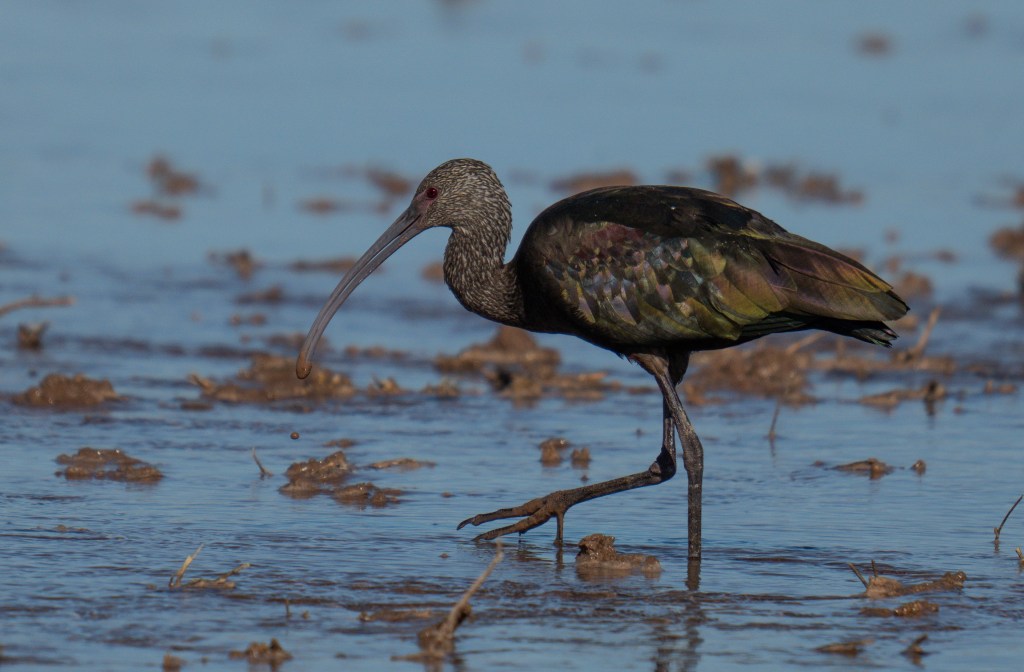
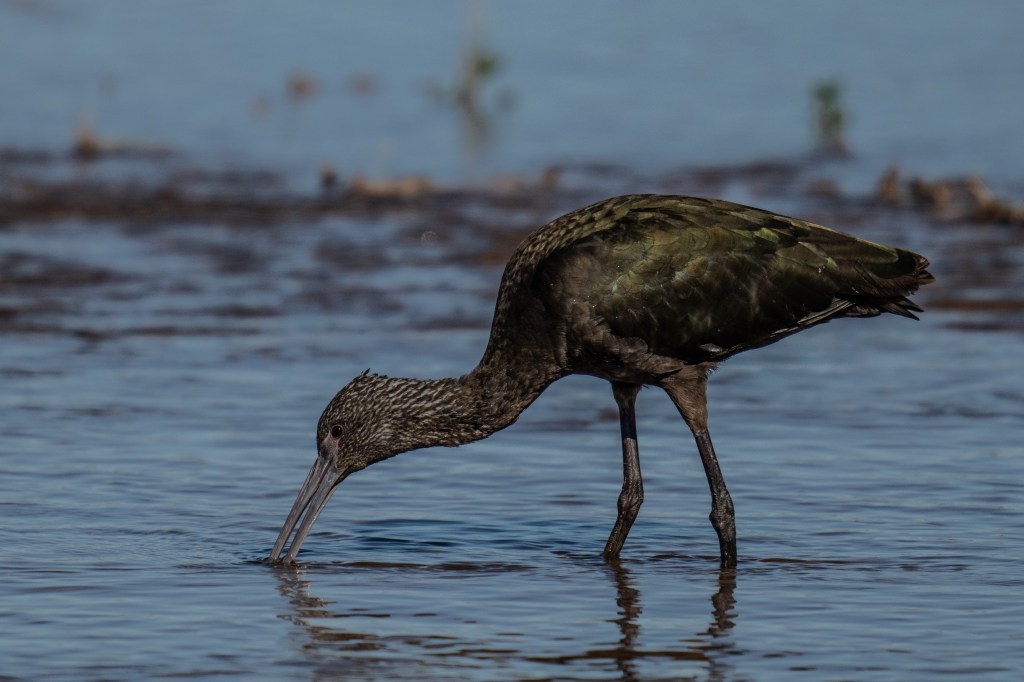
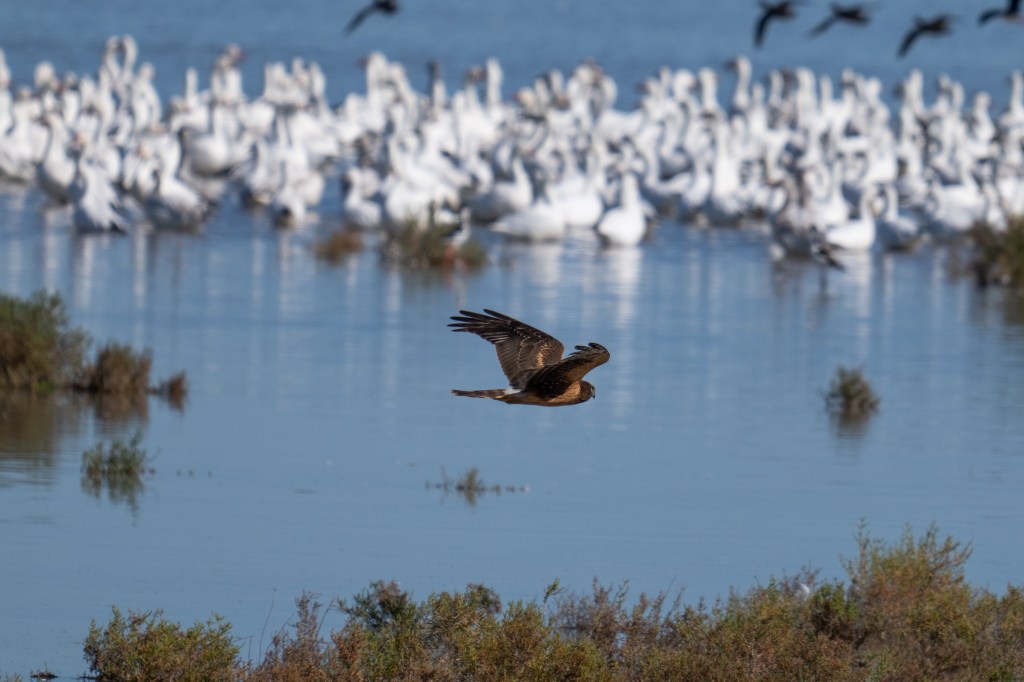
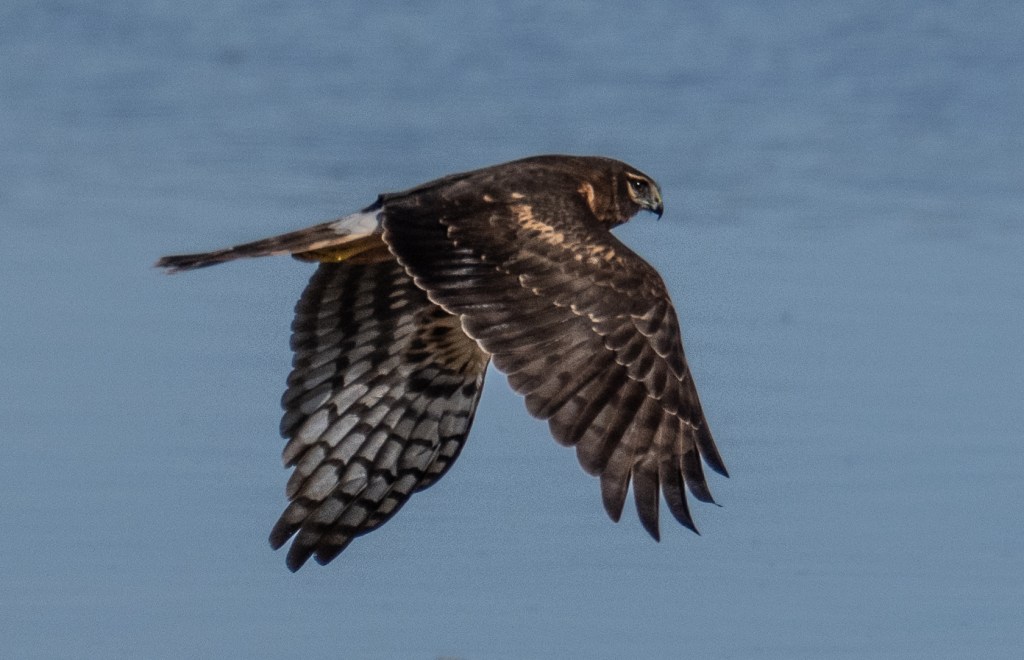
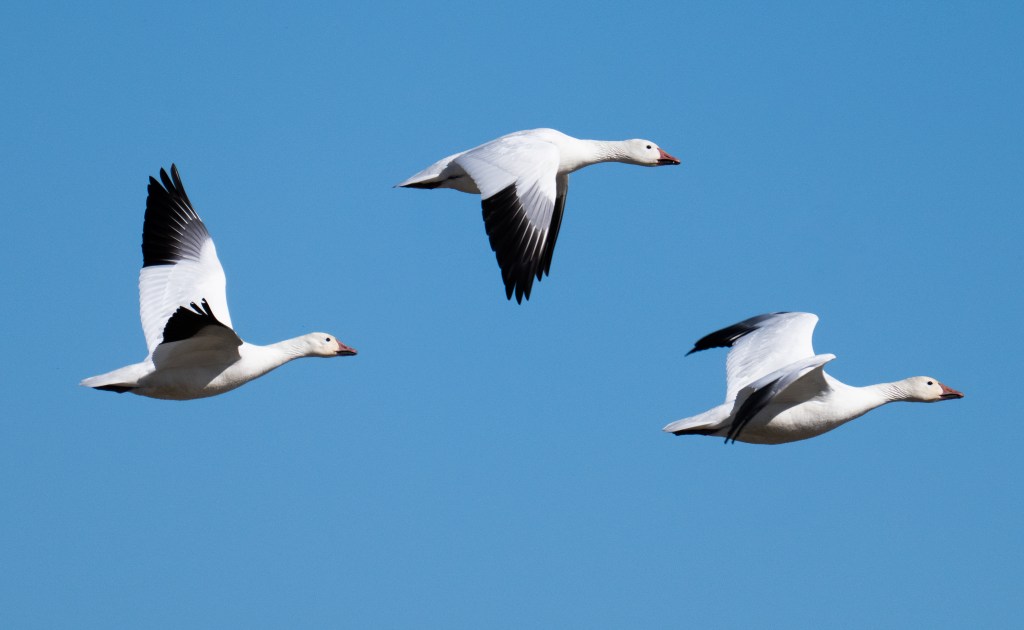
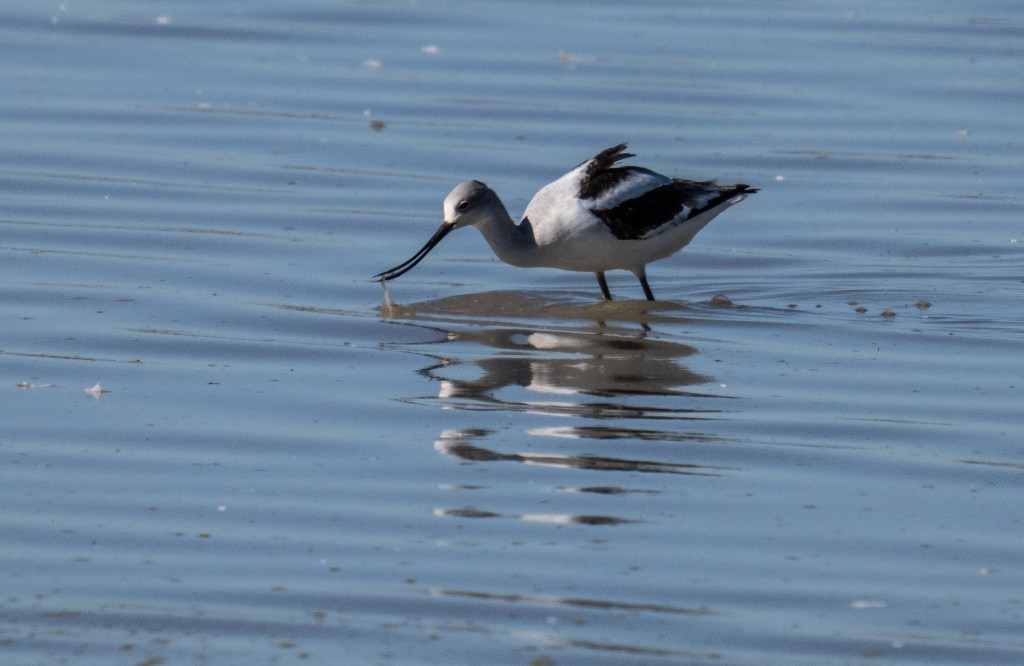
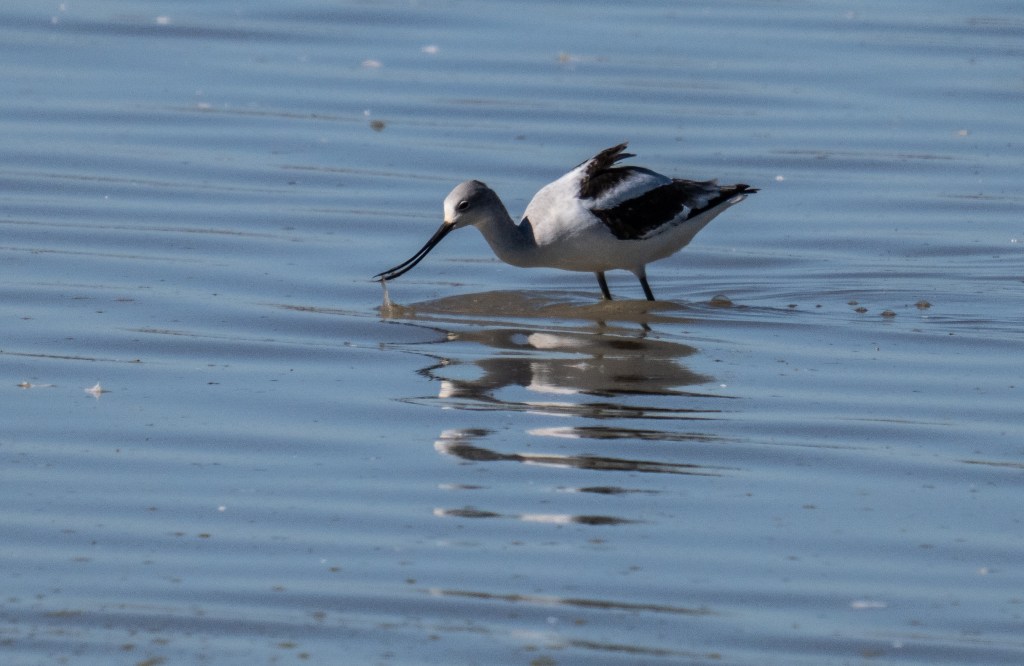
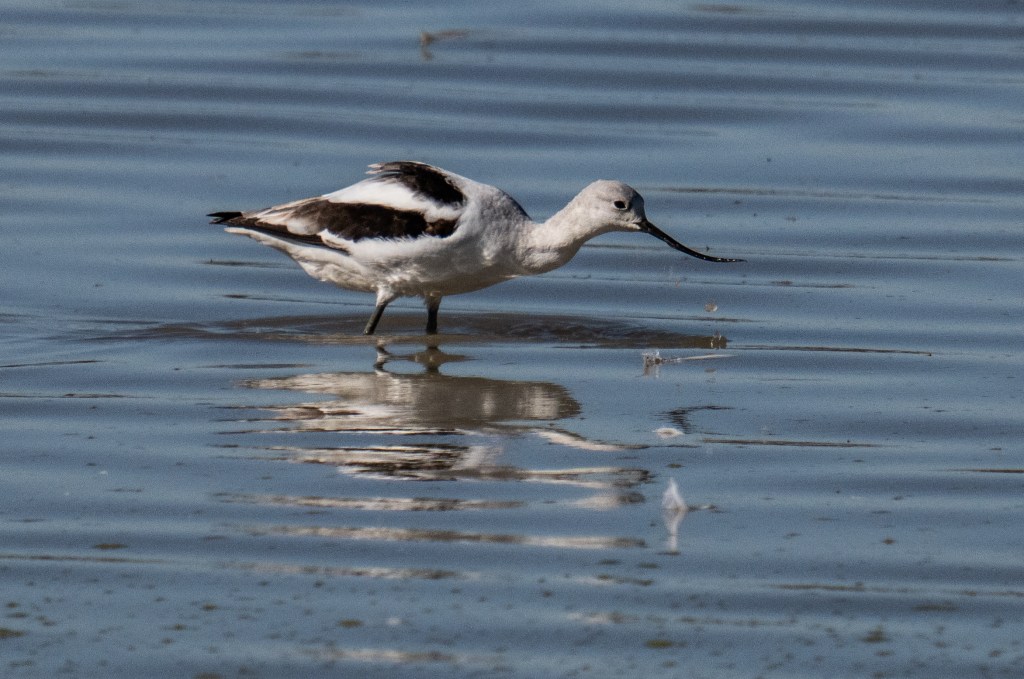
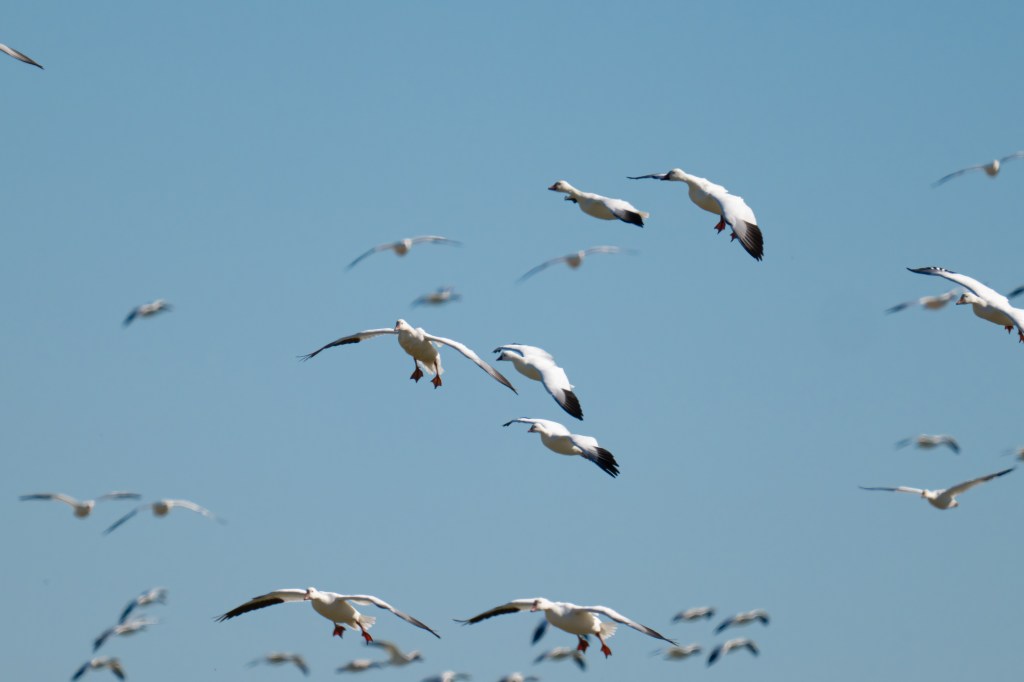
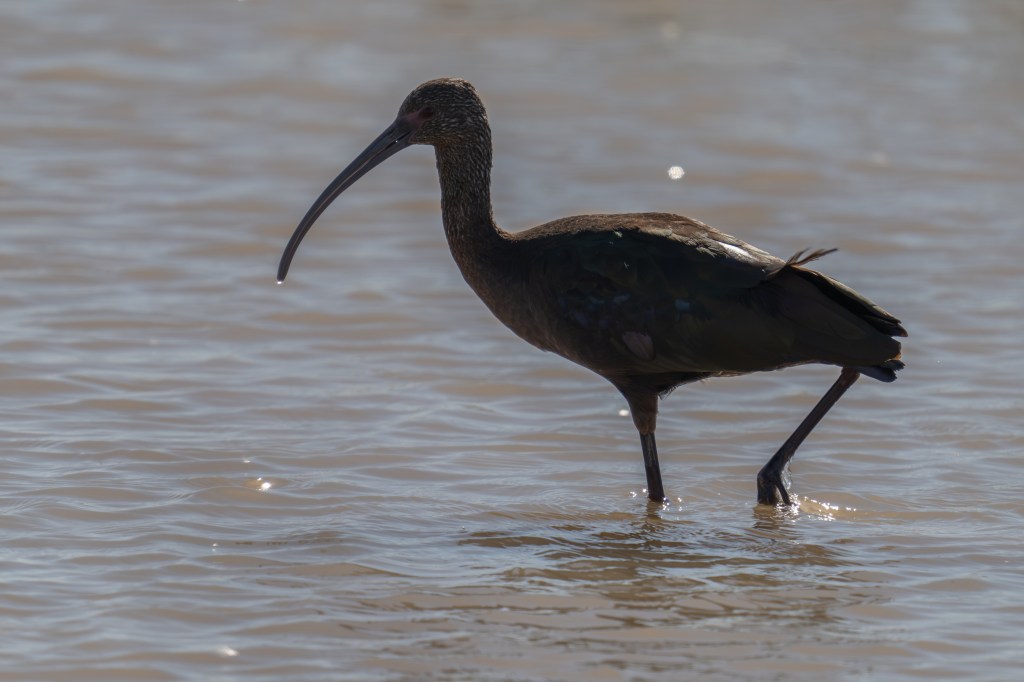
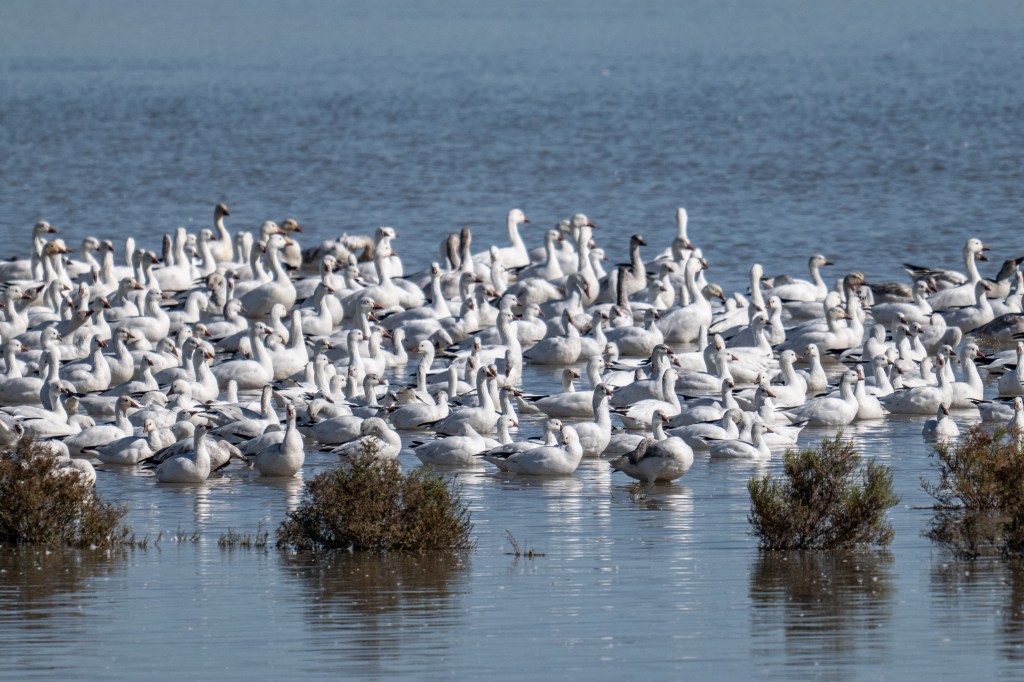
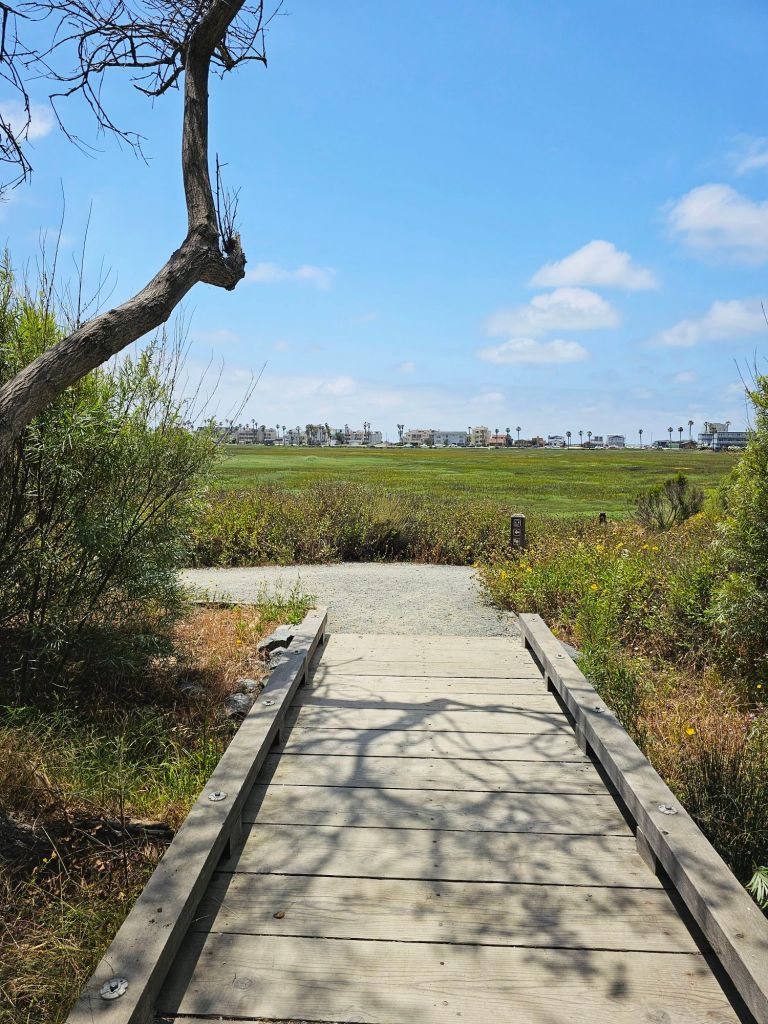
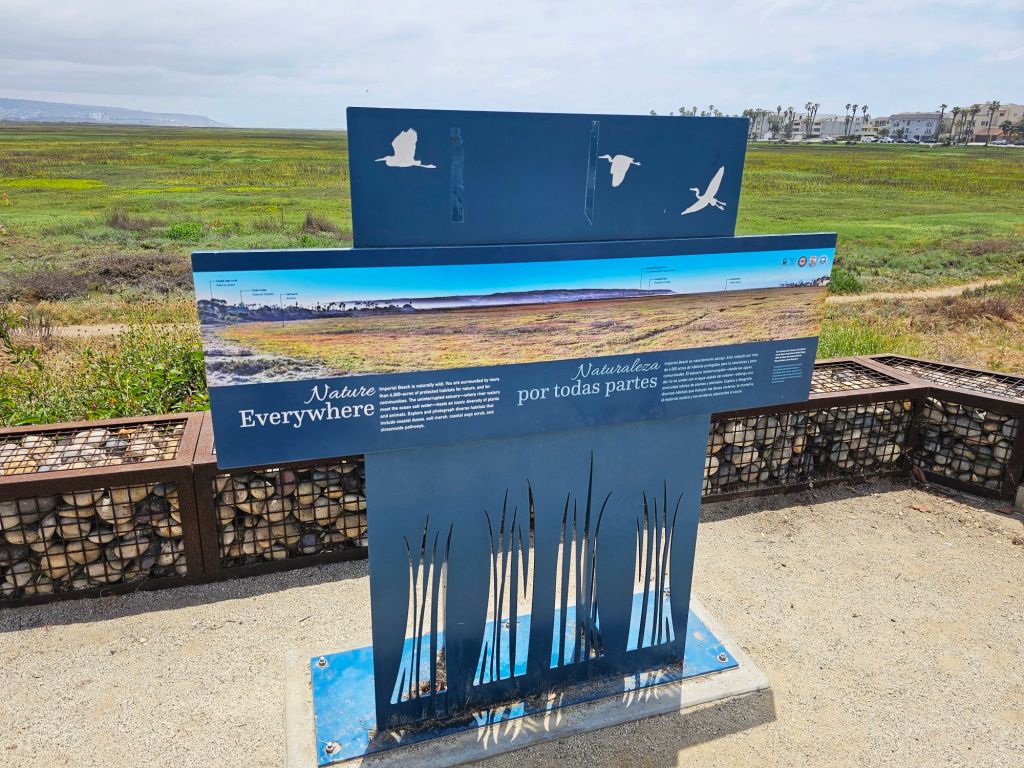
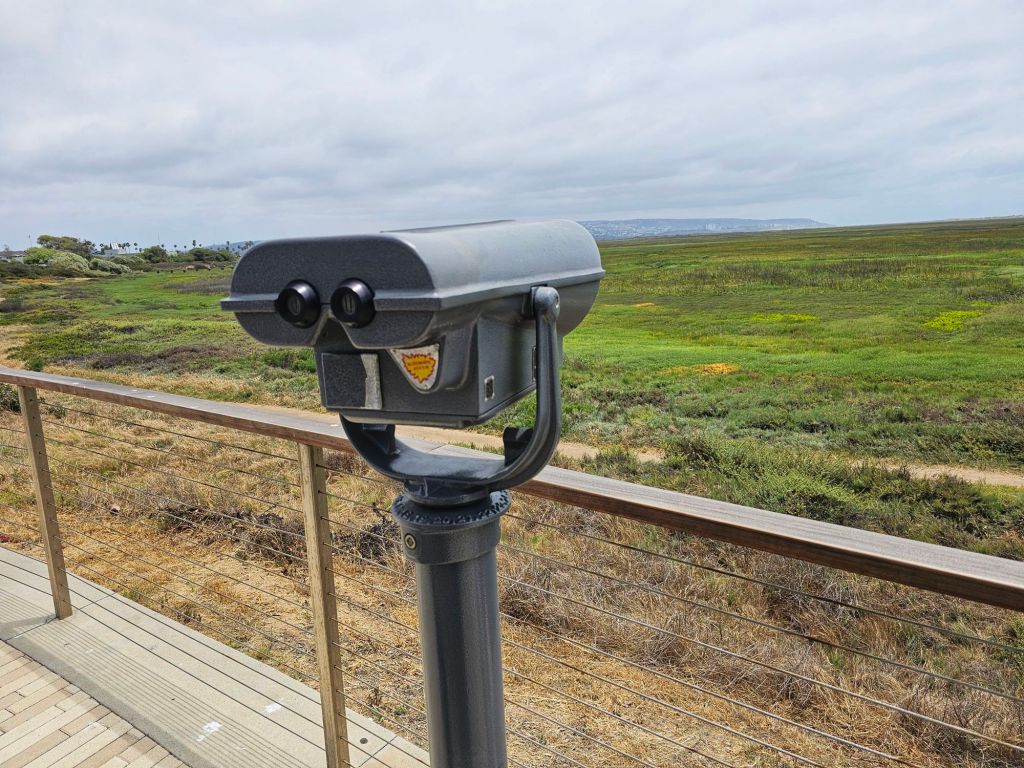
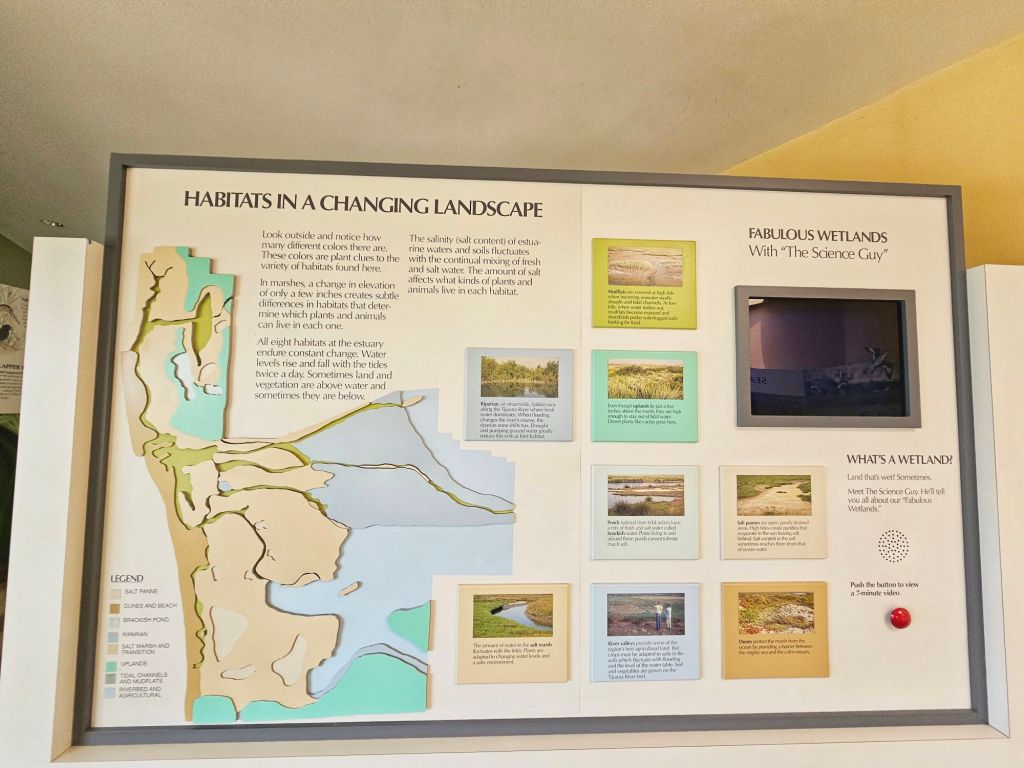
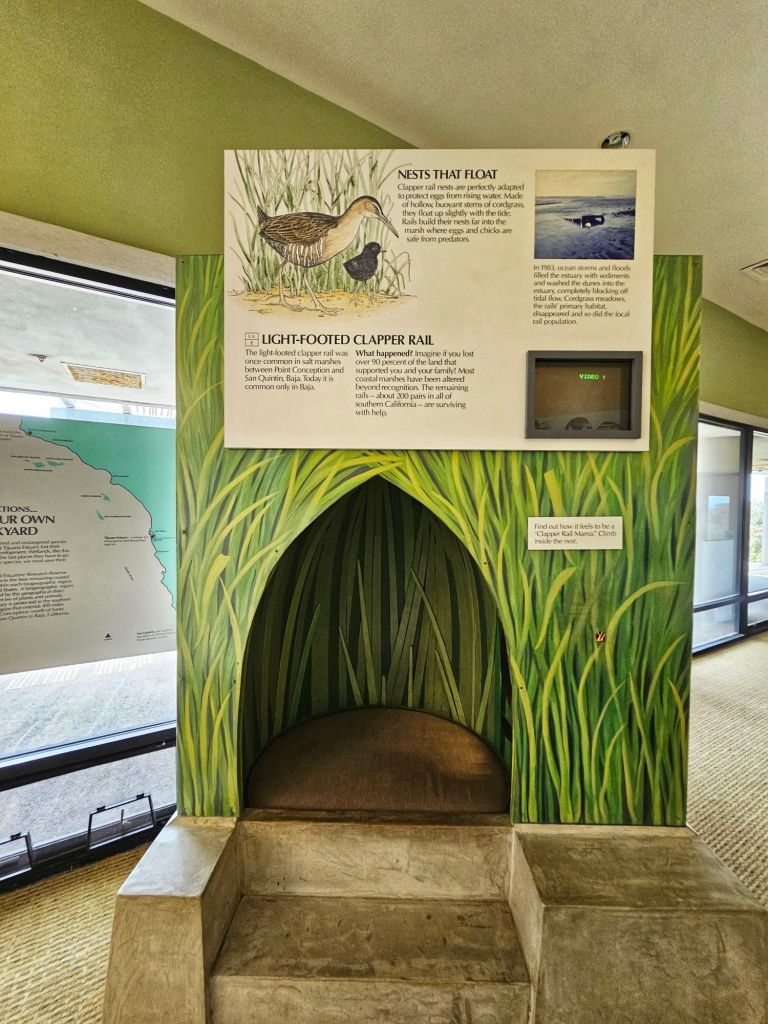
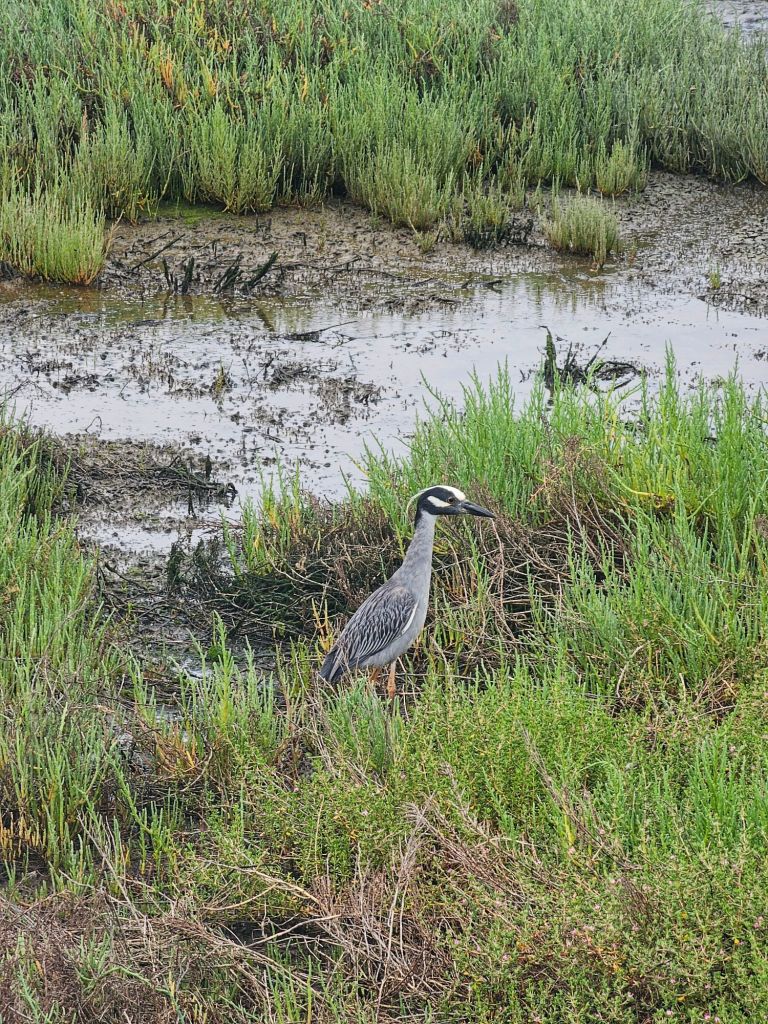
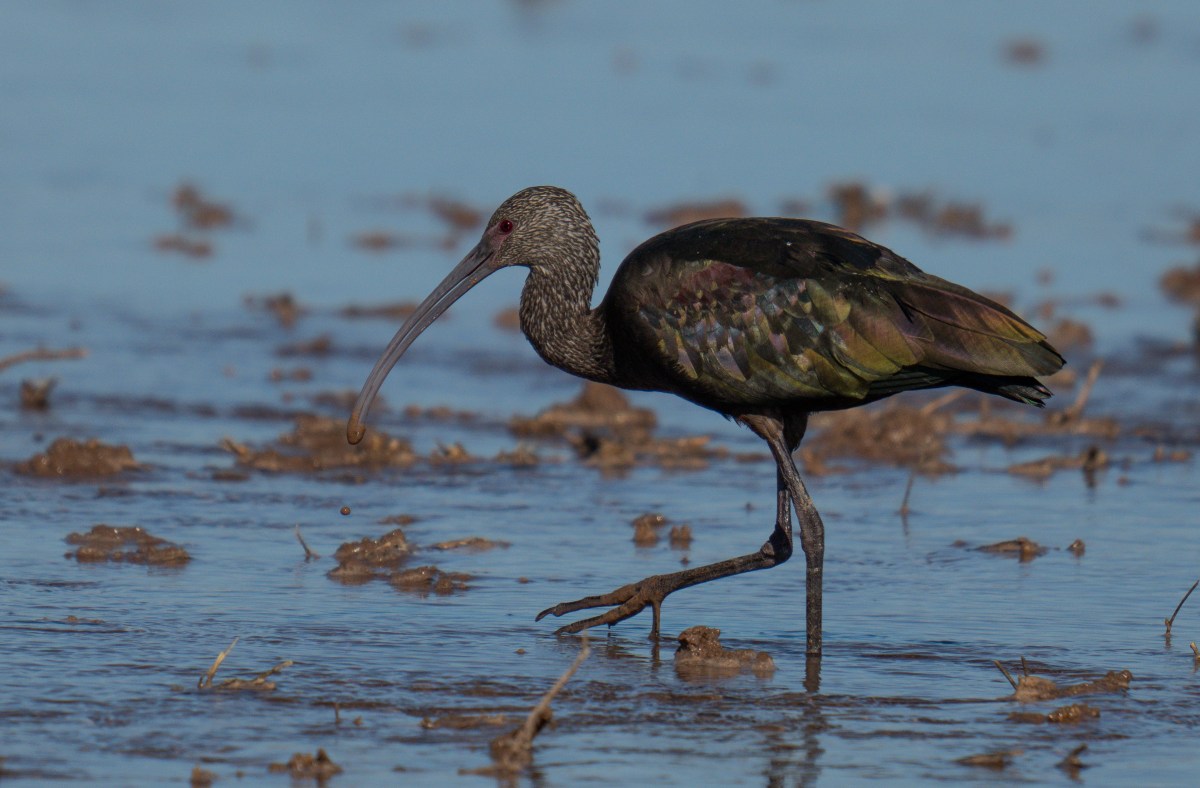
    As you walk the trails, you’ll find yourself surrounded by a mosaic of marshes, mudflats, and salt flats—each teeming with life. Located along a massive aviary flyway over 370 species of birds have been recorded here, including the endangered light-footed Ridgway’s rail and least tern. Birdwatchers, bring your binoculars!

    Trails, Views, and Tranquility

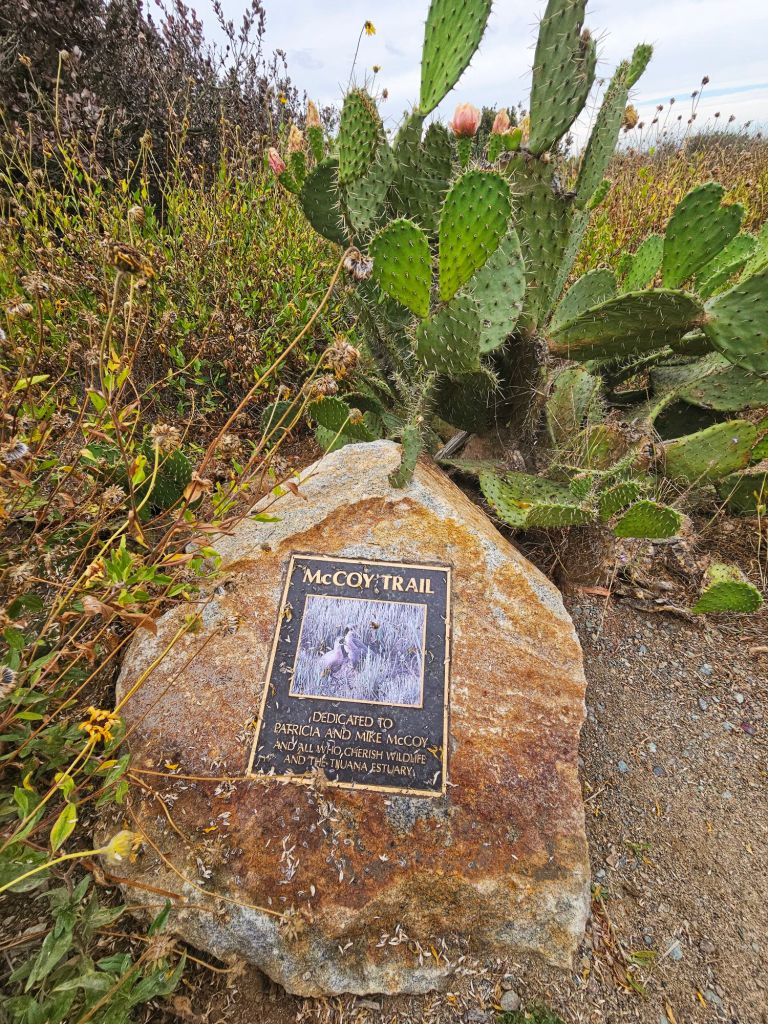
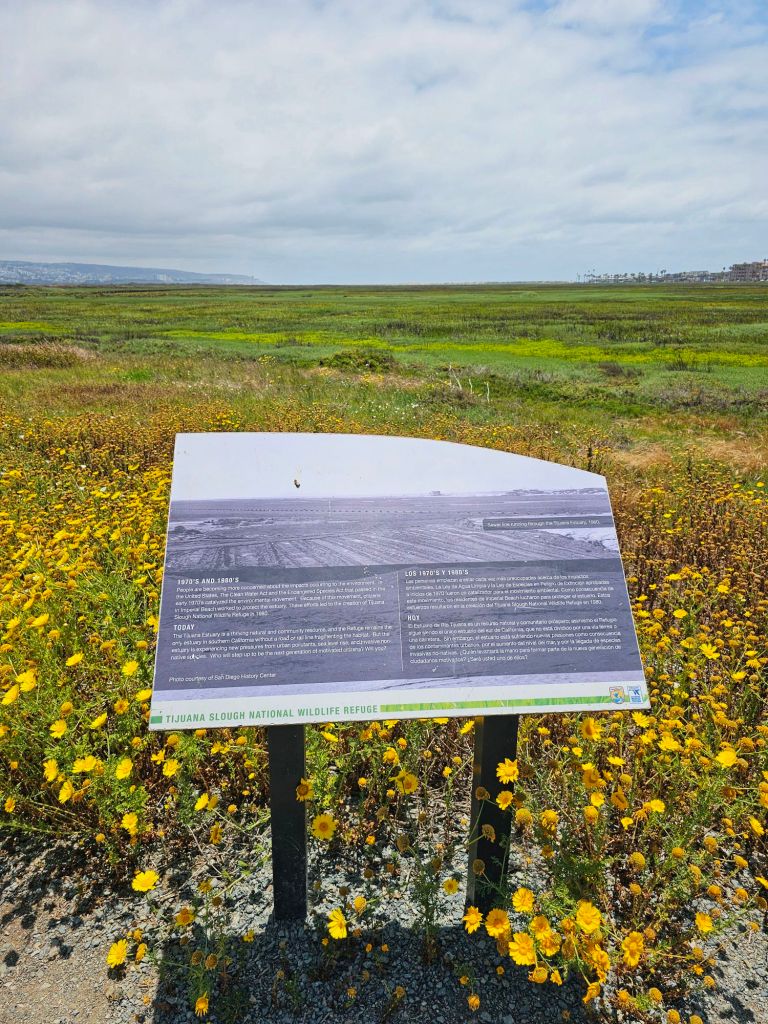
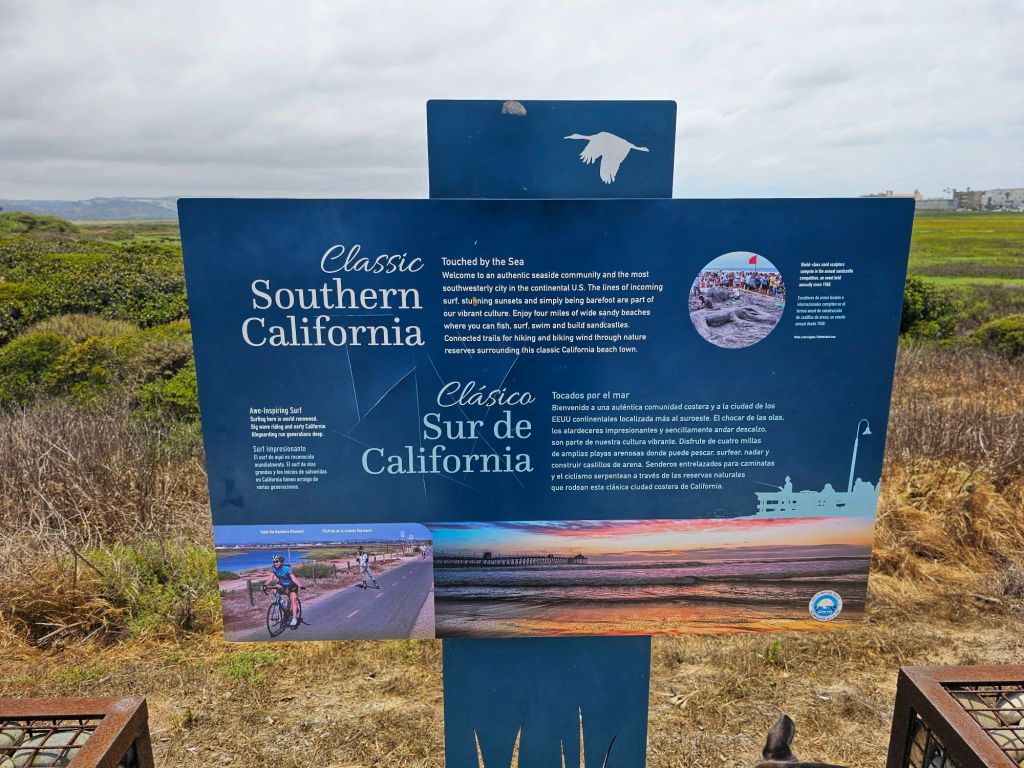
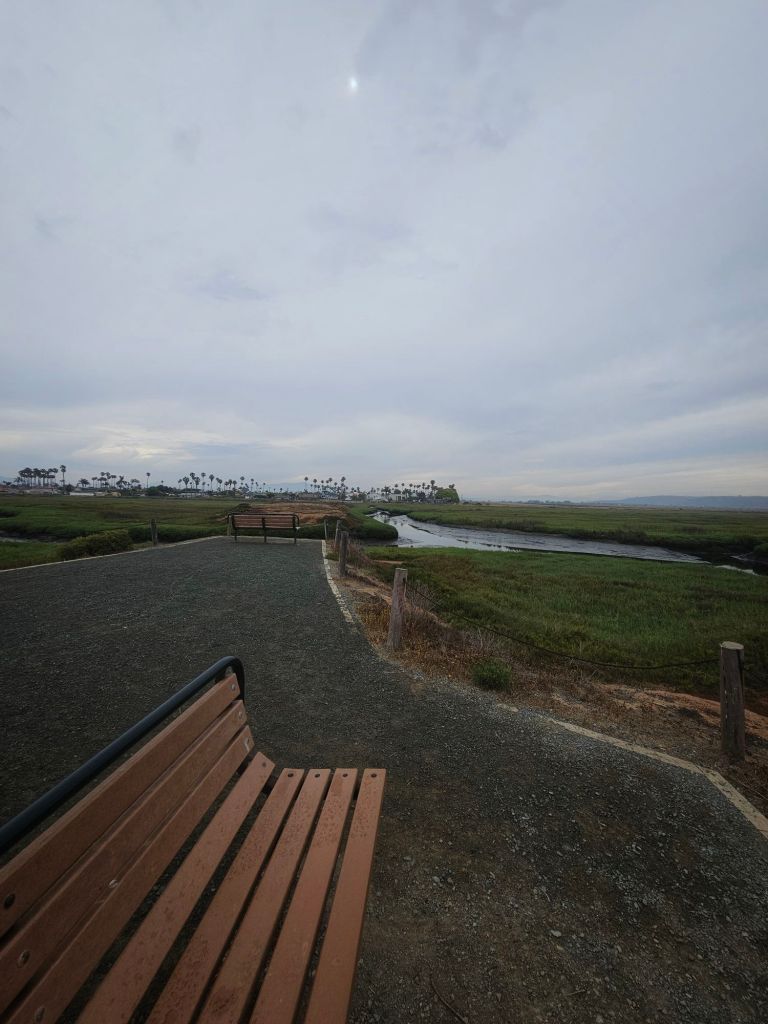
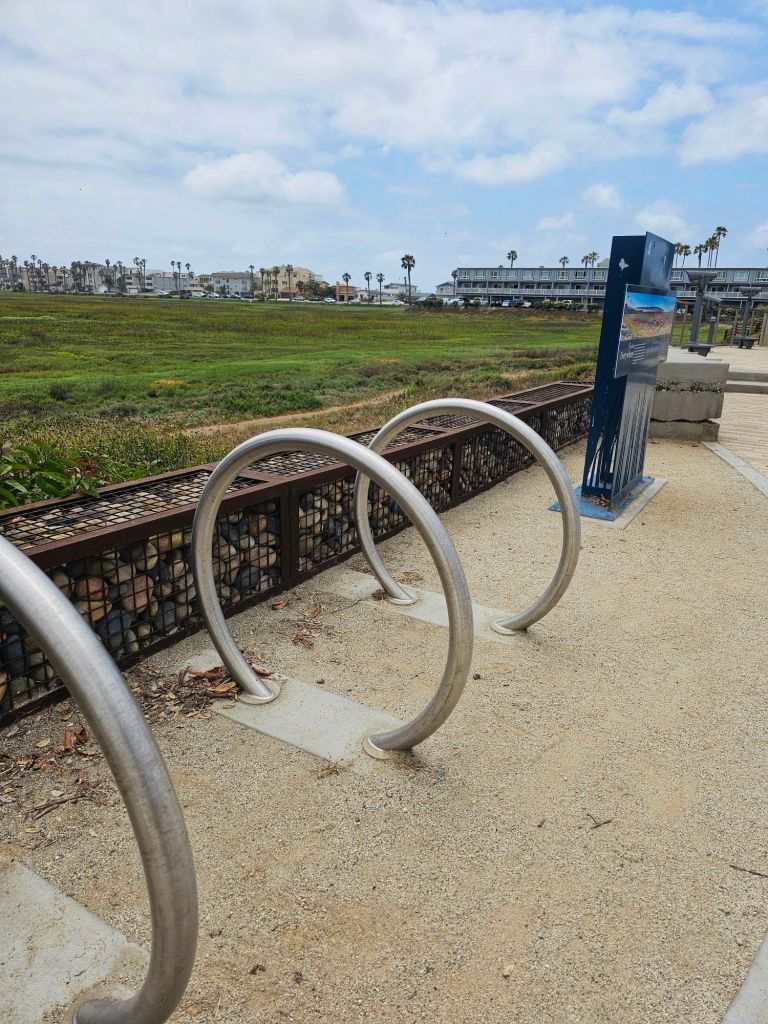
    The Bayside Trail and River Mouth Trail offer easy, flat hikes with stunning views of the wetlands and the Pacific Ocean beyond. Interpretive signs along the way tell the story of the estuary’s ecology, history, and the ongoing efforts to protect it.

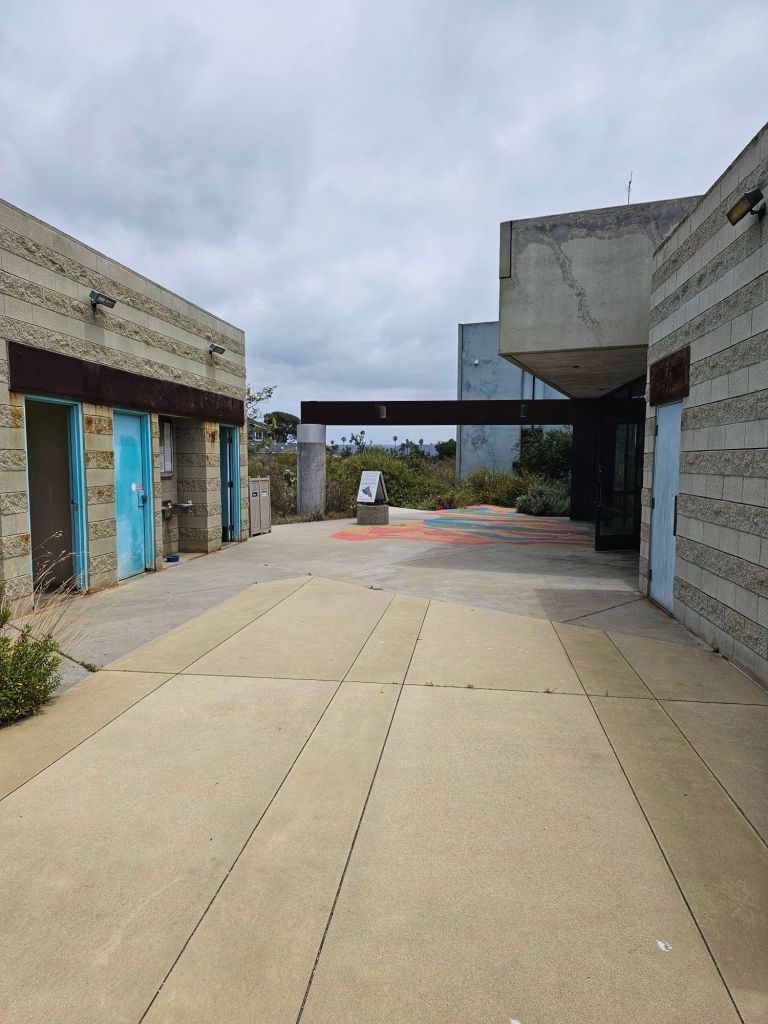
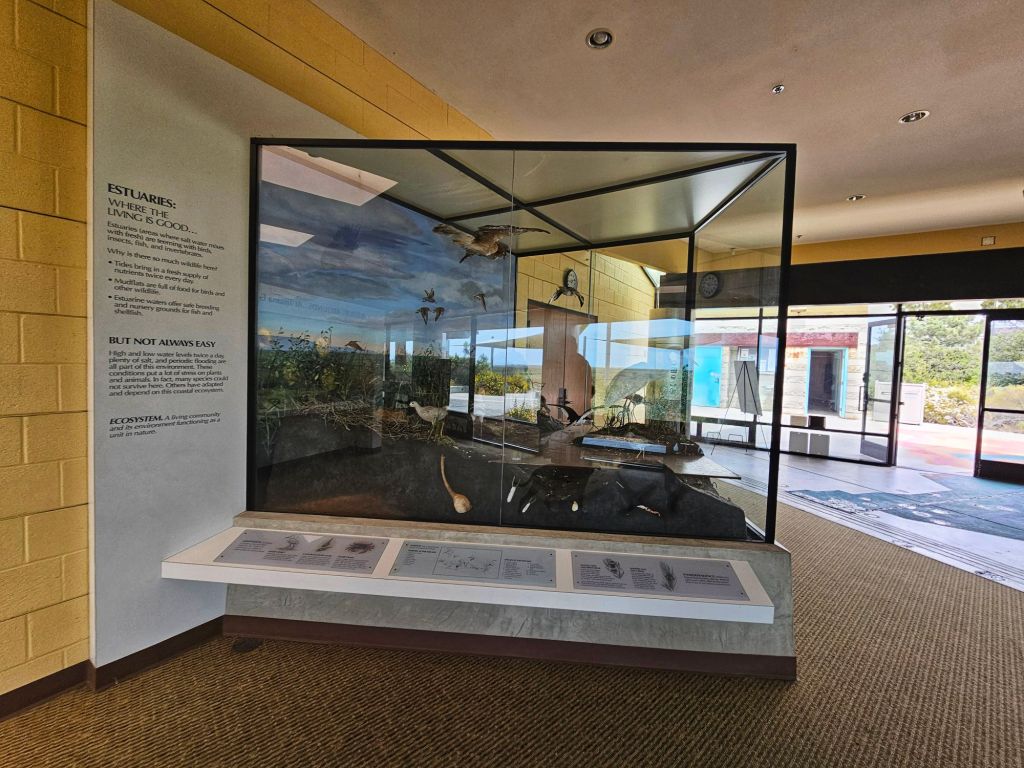
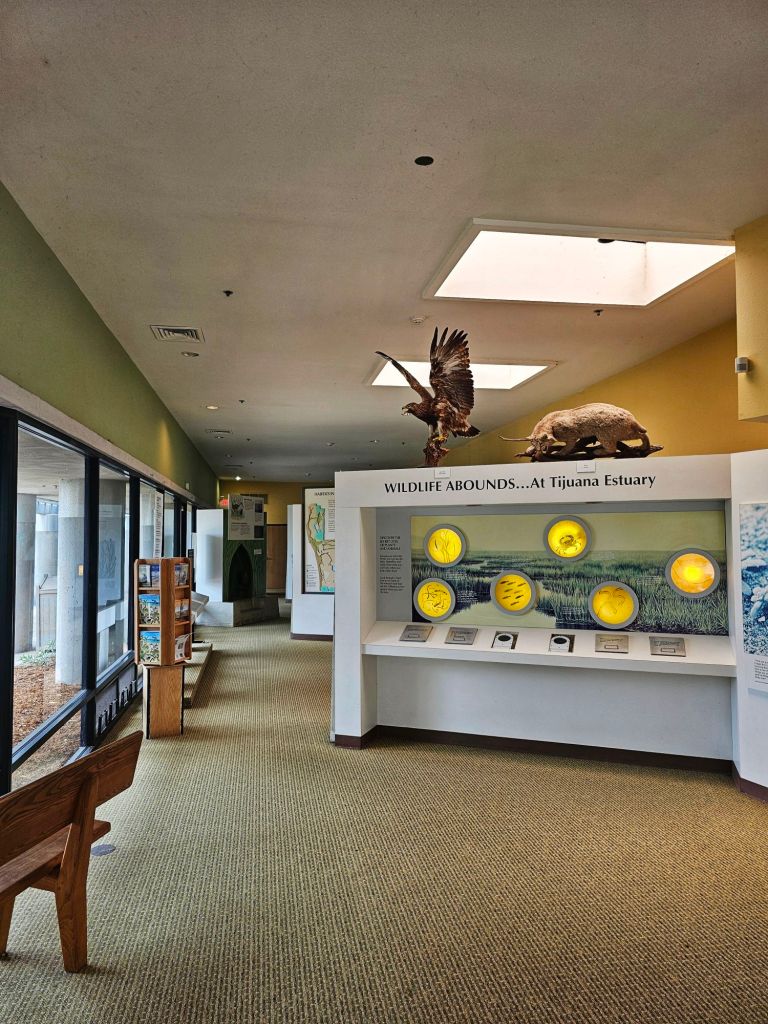
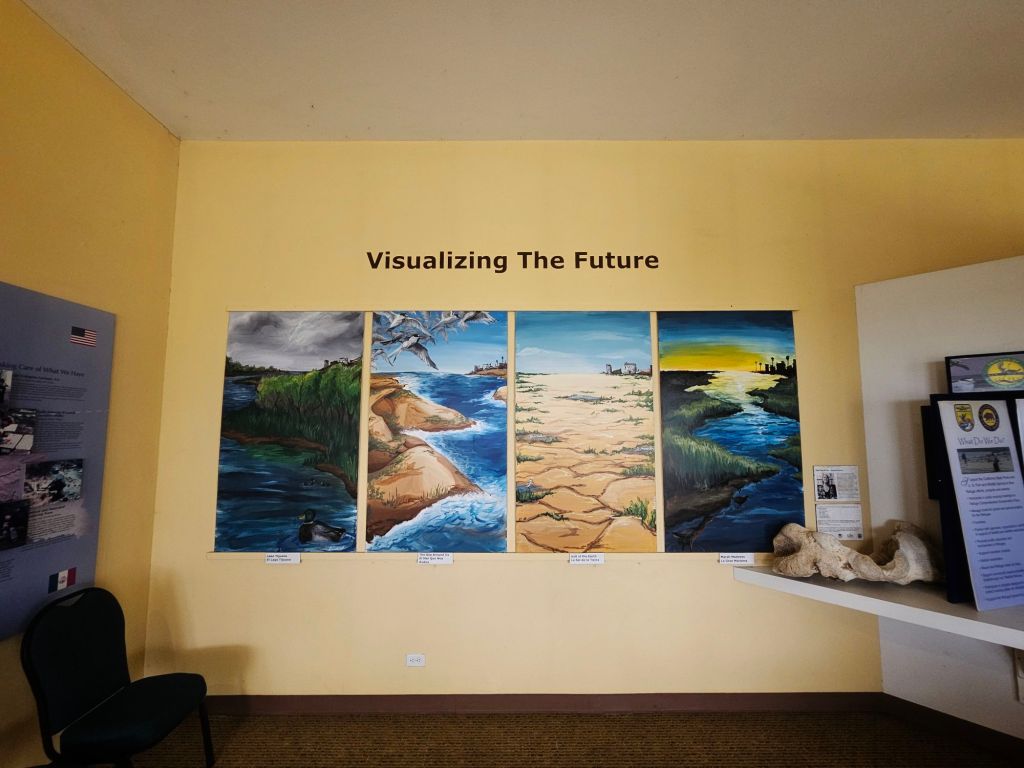
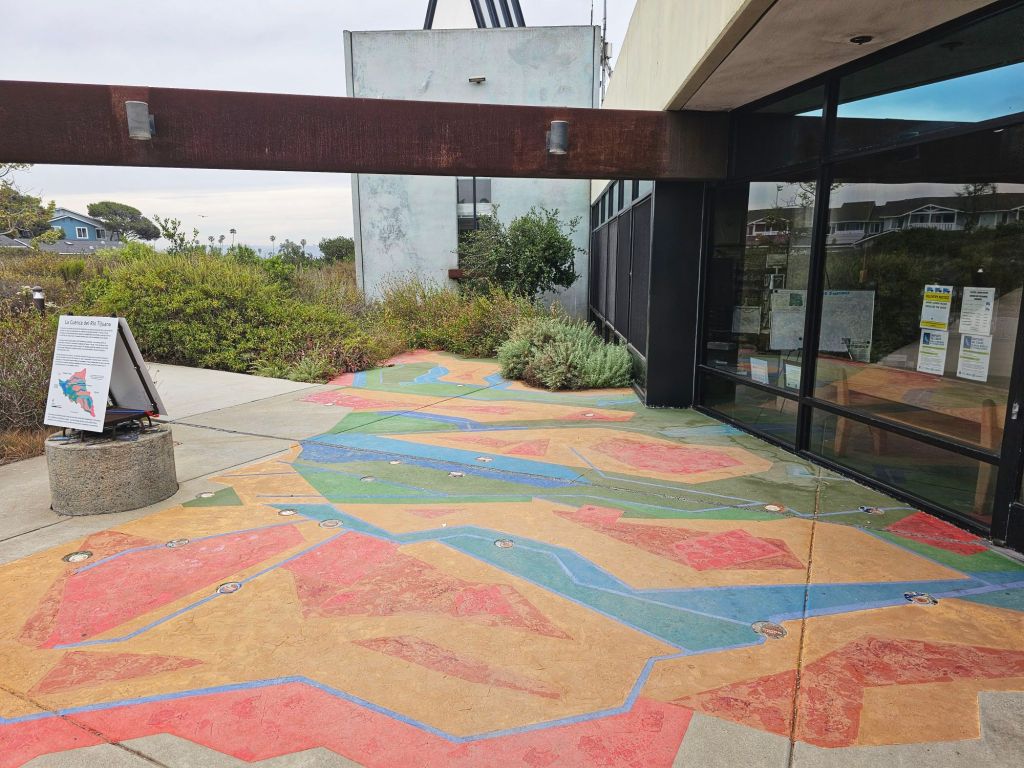
    Don’t forget to stop by the Tijuana Estuary Visitor Center—a small but informative hub with exhibits, maps, and knowledgeable staff who can help guide your visit.

    A Cross-Border Story

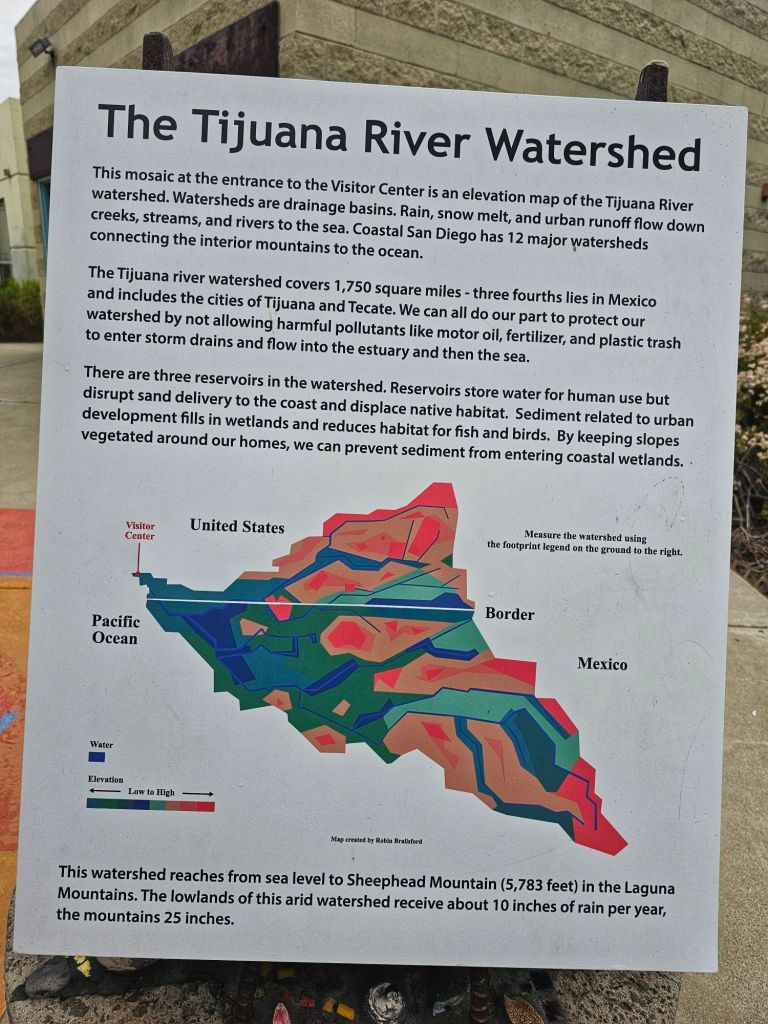
    What makes the Tijuana River Estuary truly unique is its binational character. The Tijuana River originates in Mexico, flowing through the bustling city of Tijuana before crossing the U.S. border and emptying into the Pacific Ocean. Along the way, it faces challenges like pollution and urban runoff—but also inspires collaboration and conservation across borders.

    Why It Matters

    Estuaries like this one are among the most productive ecosystems on Earth. They provide nursery grounds for fish, shelter for birds, and natural flood control for communities. In a time of climate change and habitat loss, places like the Tijuana River Estuary remind us of nature’s resilience—and our responsibility to protect it.

    Plan Your Visit

    Whether you’re a birder, hiker, photographer, or simply seeking a quiet moment in nature, the Tijuana River Estuary is worth a visit. Come for the peaceful views, stay for the deeper connection to a landscape that quietly sustains life in so many ways.

    Discovering the Living Coast Discovery Center: Where Nature Meets Education

    Just south of downtown San Diego, where the city gives way to wetlands and salt marshes, there’s a place where you can get eye-to-eye with a sea turtle, watch raptors take flight, and walk through native coastal habitats—all in a single afternoon. The Living Coast Discovery Center in Chula Vista isn’t your typical zoo or aquarium. It’s a hands-on, outdoor classroom for all ages, wrapped in the sights, sounds, and scents of the San Diego Bay.

    More Than a Wildlife Center

    Originally founded in 1987 as the Chula Vista Nature Interpretive Center, the Living Coast has evolved into a nonprofit organization that blends conservation, education, and wildlife rehabilitation. Each exhibit and trail is designed to highlight the unique ecosystems of Southern California—from salt marshes and mudflats to coastal sage scrub and open ocean.

    But the Living Coast is more than just a place to look at animals—it’s a place to learn how to care for them and the environment they depend on.

    What You’ll See

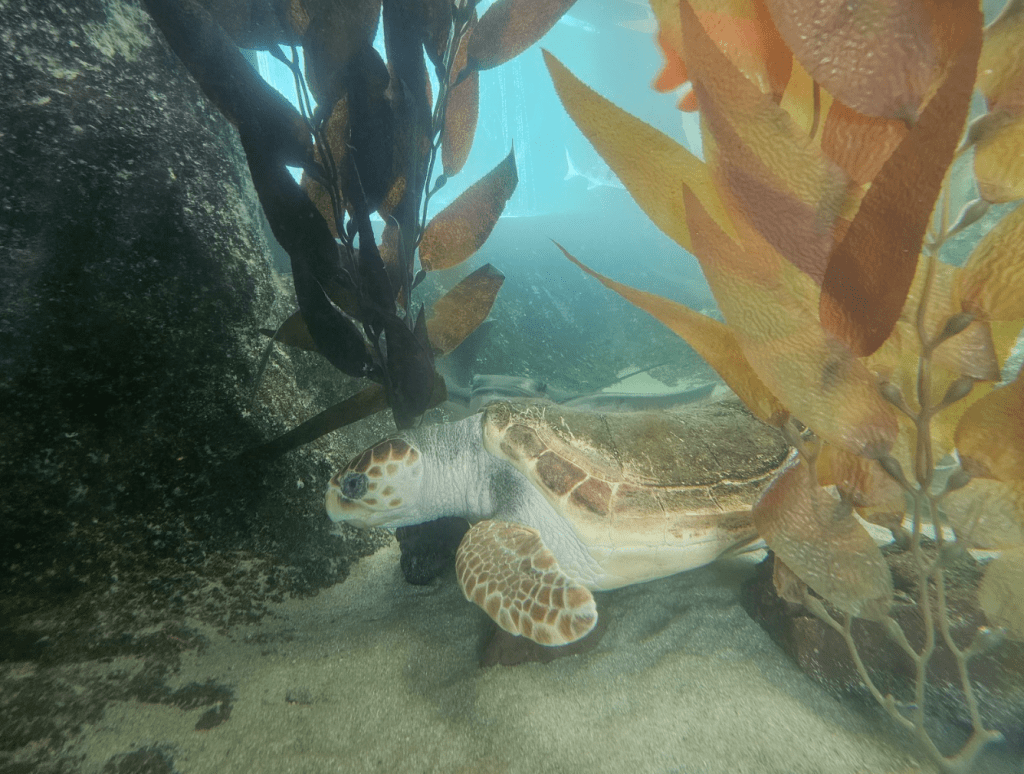
    • Green Sea Turtles floating gracefully in Turtle Lagoon, a favorite stop for kids and adults alike.
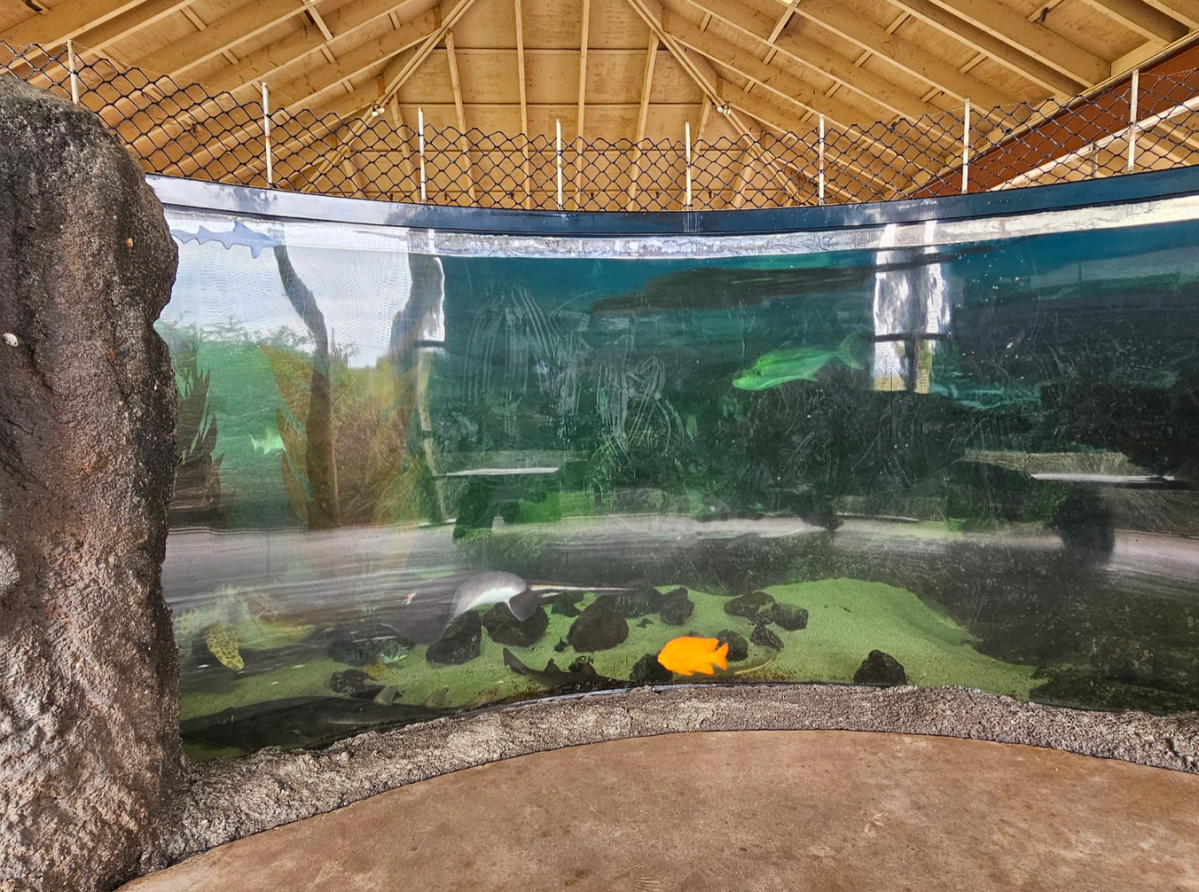
    • Leopard sharks and bat rays at the Shark & Ray Experience, where you can even touch some of the animals in the interactive pool.
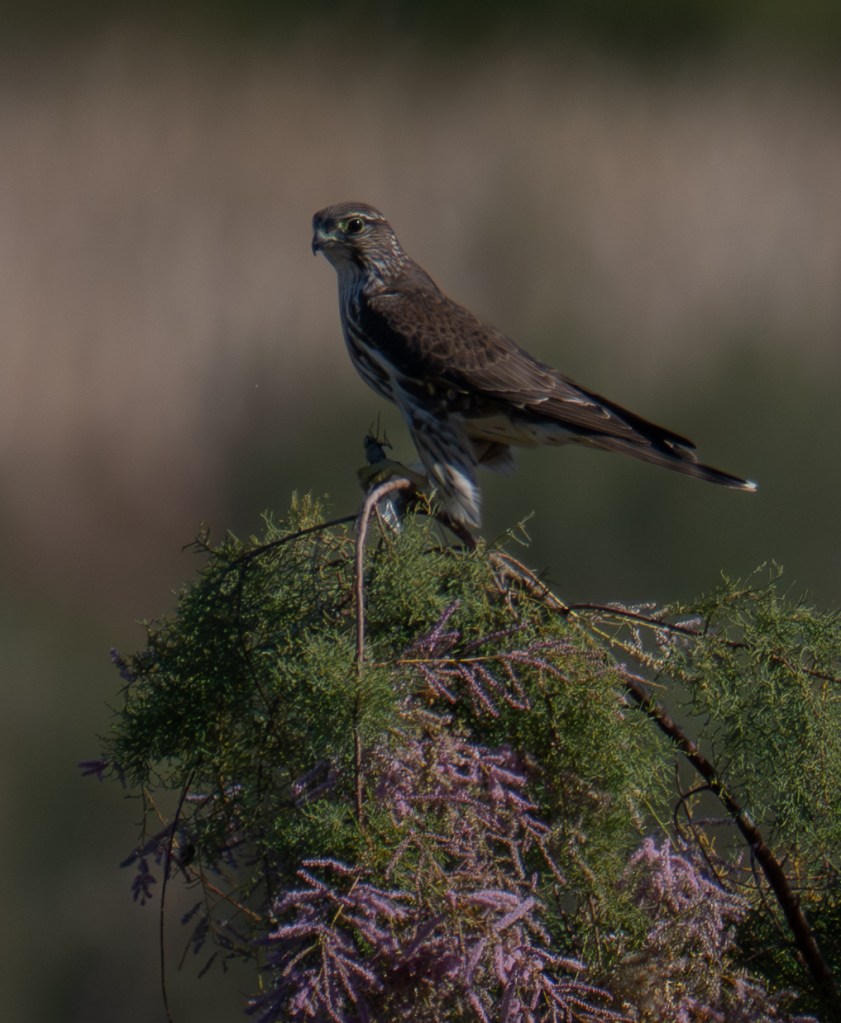
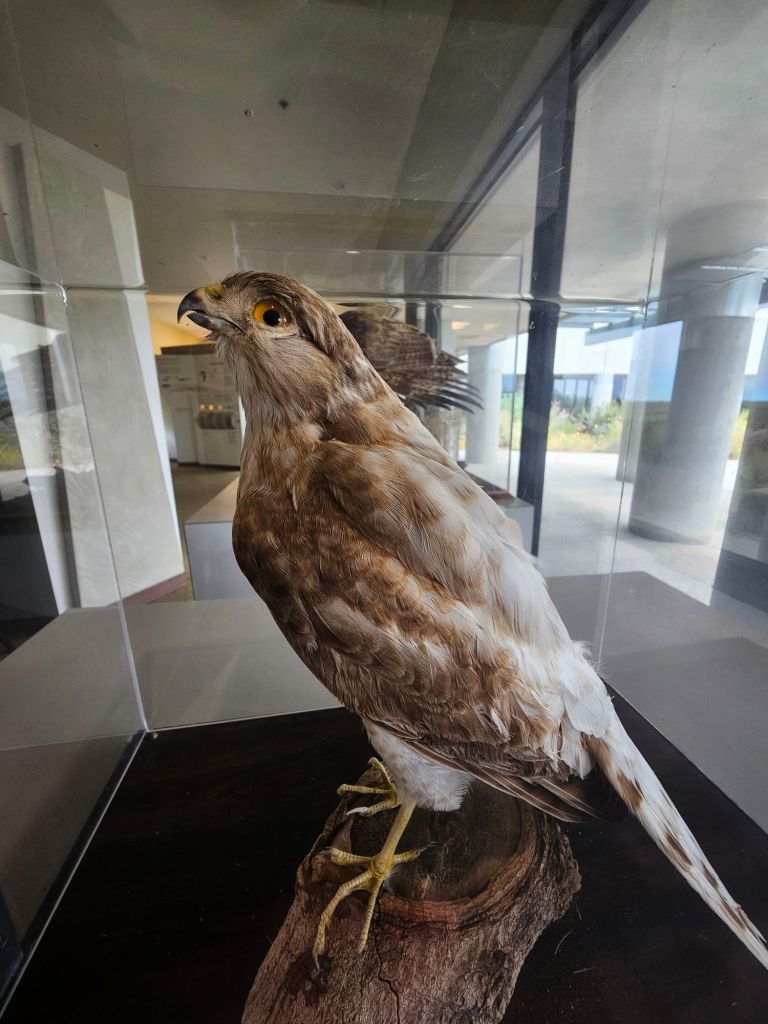
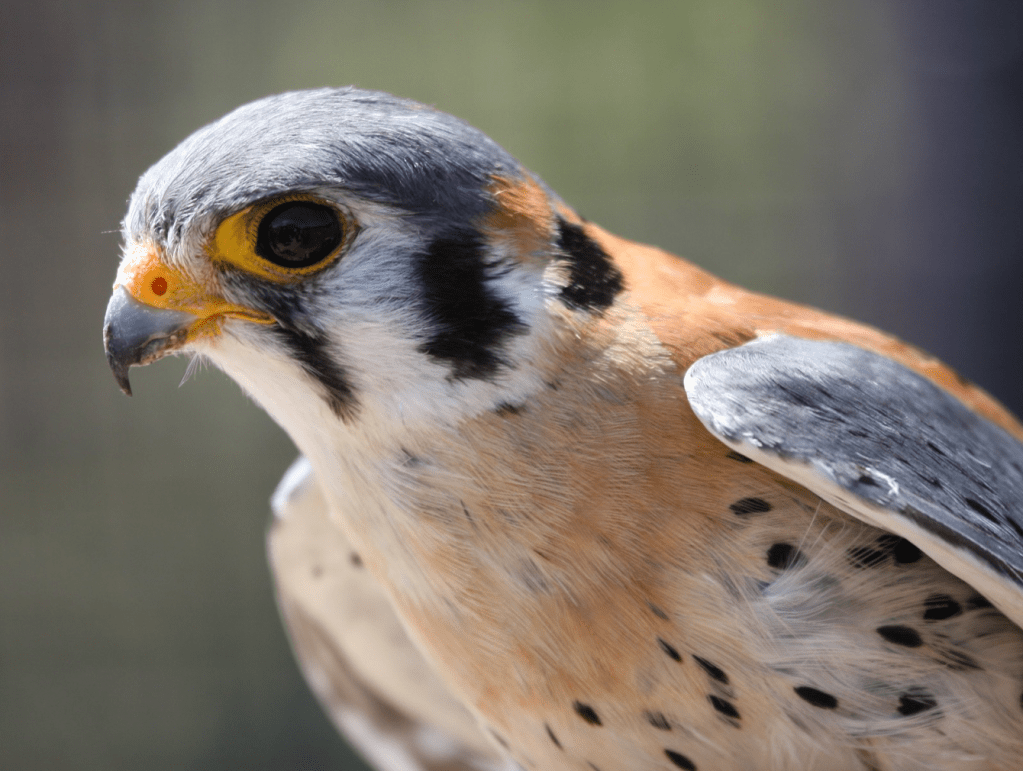
    • Birds of prey like bald eagles, owls, and hawks along Raptor Row, all non-releasable rescues living out their lives in sanctuary.
    • Aviaries and nature trails that bring you face-to-face with local bird species and panoramic bay views.
    • Aquatic exhibits showcasing jellyfish, seahorses, octopuses, and other marine life found just off the California coast.

    Everything is designed to be close, accessible, and immersive—no crowds or long walks between exhibits, just a focused, meaningful experience.

    Ideal for Families, Students, and Nature Lovers

    One of the Center’s biggest impacts happens behind the scenes. With over 15,000 schoolchildren visiting each year, the Living Coast is a hub for environmental science education. Interactive programs, field trips, and conservation workshops give young visitors a hands-on way to explore biology, ecology, and sustainability.

    Know Before You Go

    • Location: Sweetwater Marsh, part of the San Diego National Wildlife Refuge
    • Access: The parking lot is off Bay Boulevard; a free shuttle takes visitors into the refuge
    • Hours & Tickets: Check www.thelivingcoast.org for current hours, admission prices, and seasonal events
    • Best Time to Visit: Mornings are ideal—cooler temperatures and active animals

    A Local Gem Worth the Detour

    The Living Coast Discovery Center is the kind of place that stays with you. Whether you’re snapping a photo of a burrowing owl or quietly watching a ray glide by, it’s a reminder that incredible wildlife doesn’t just live in remote places—it thrives right here in our own backyard.