🦩 The Pink Ambassadors of Coronado: Flamingos at the Marriott

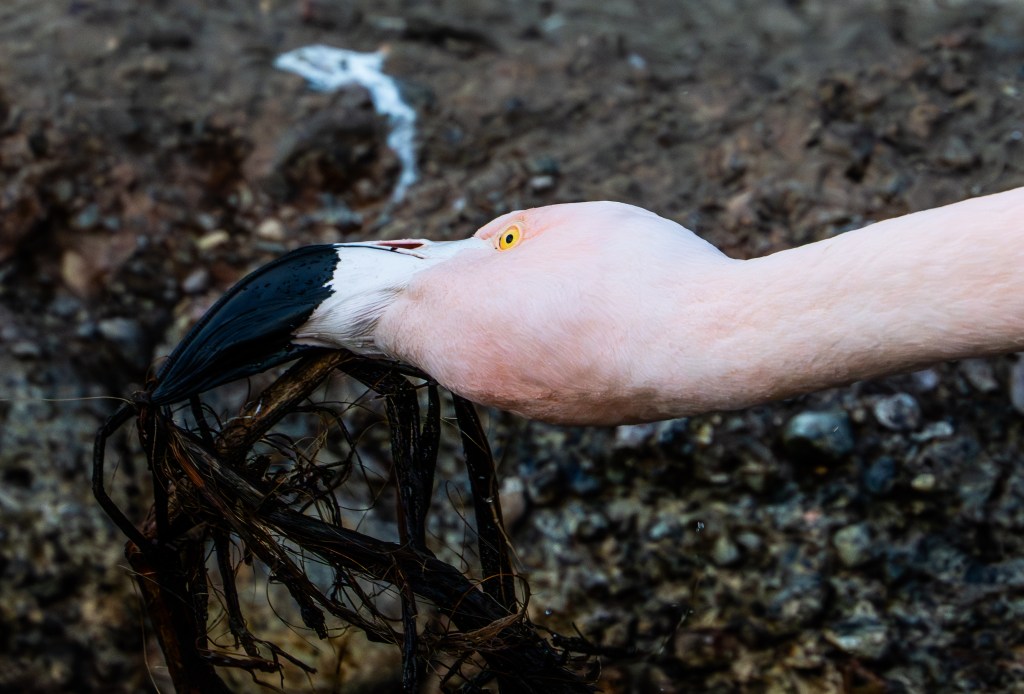
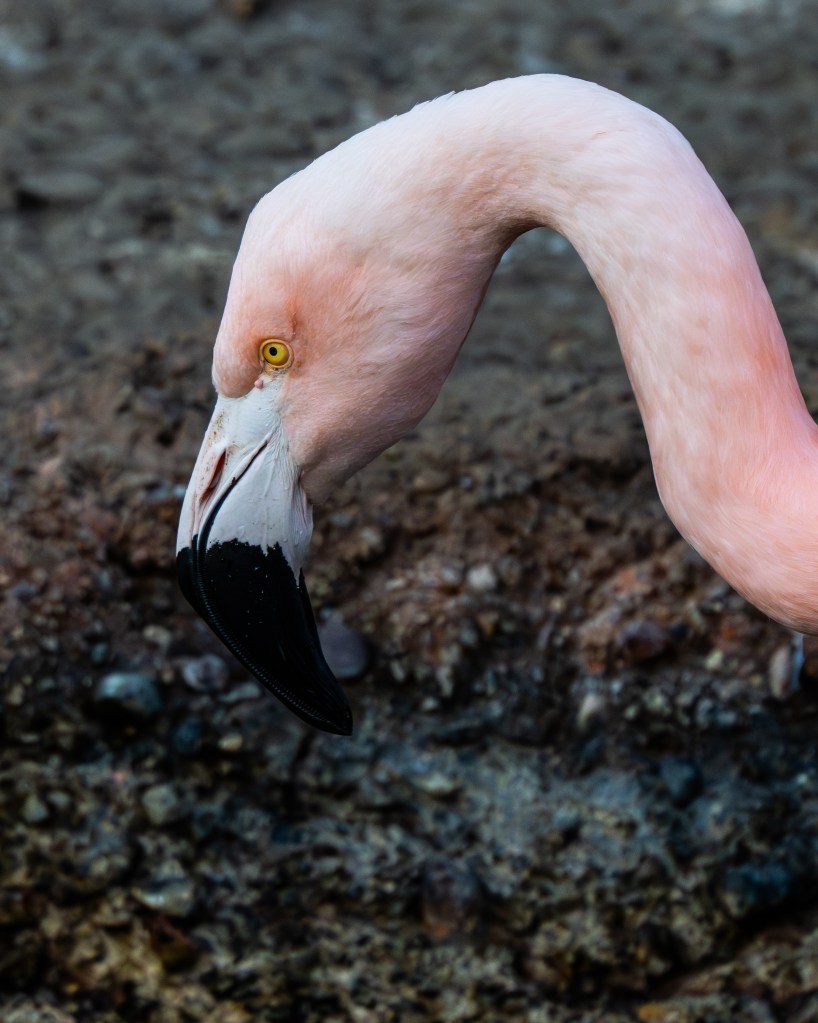
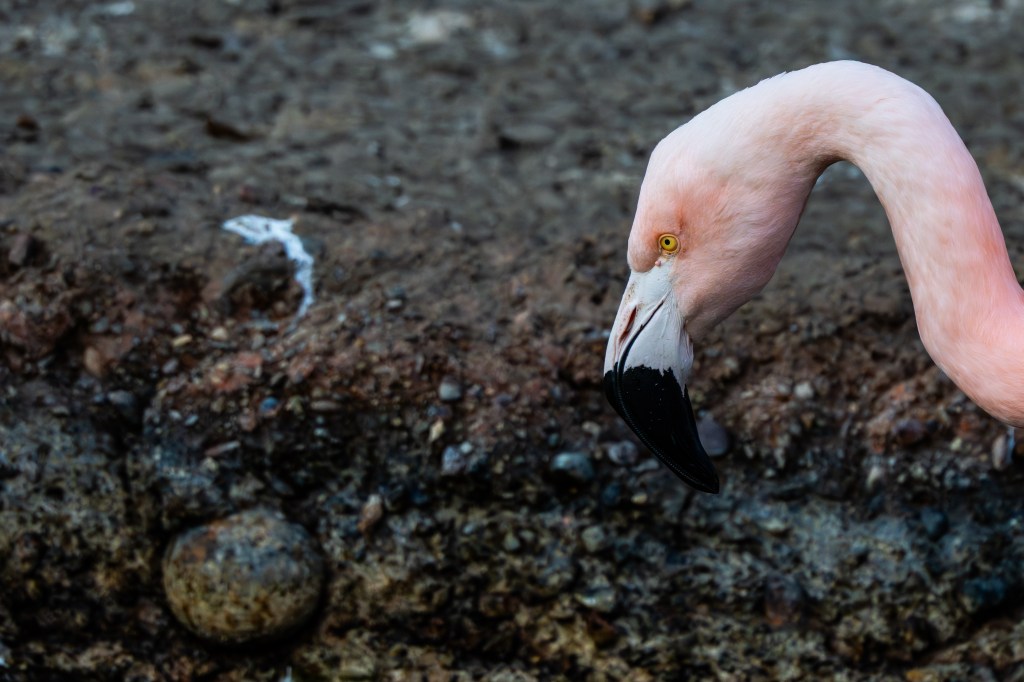
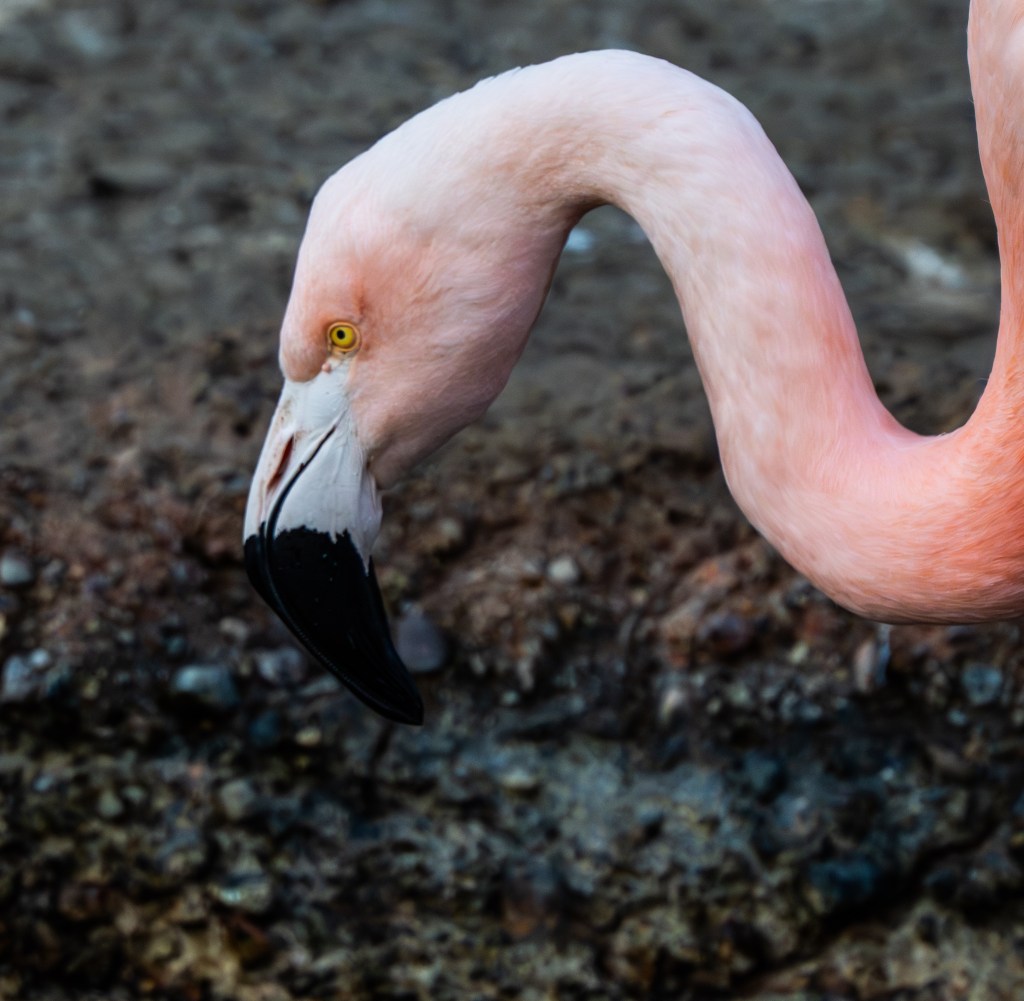
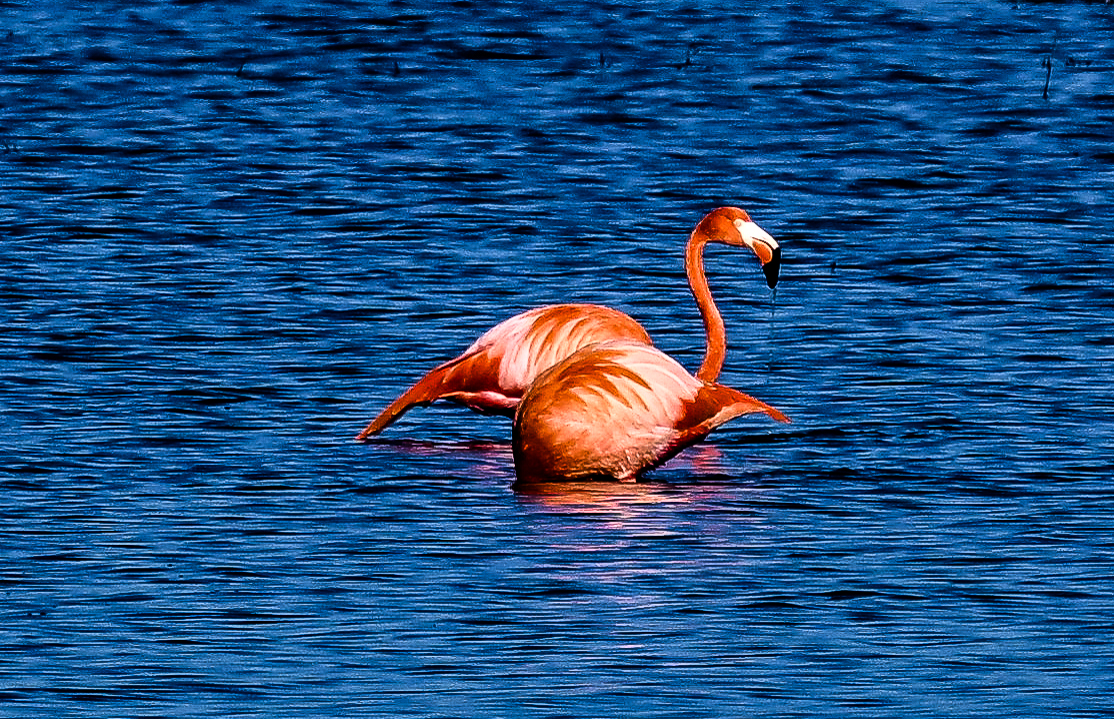
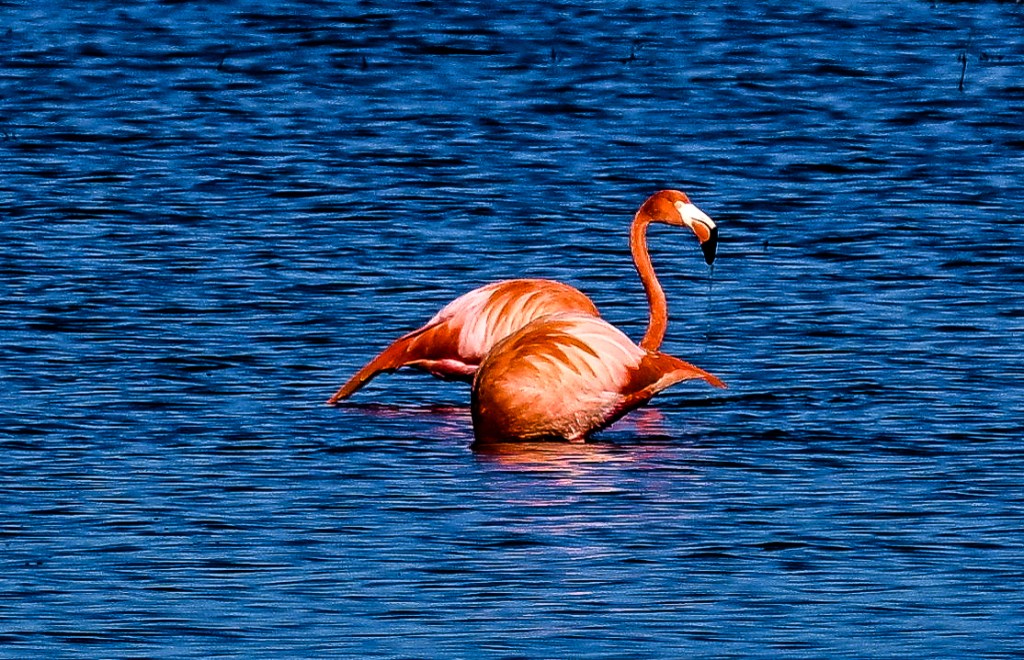
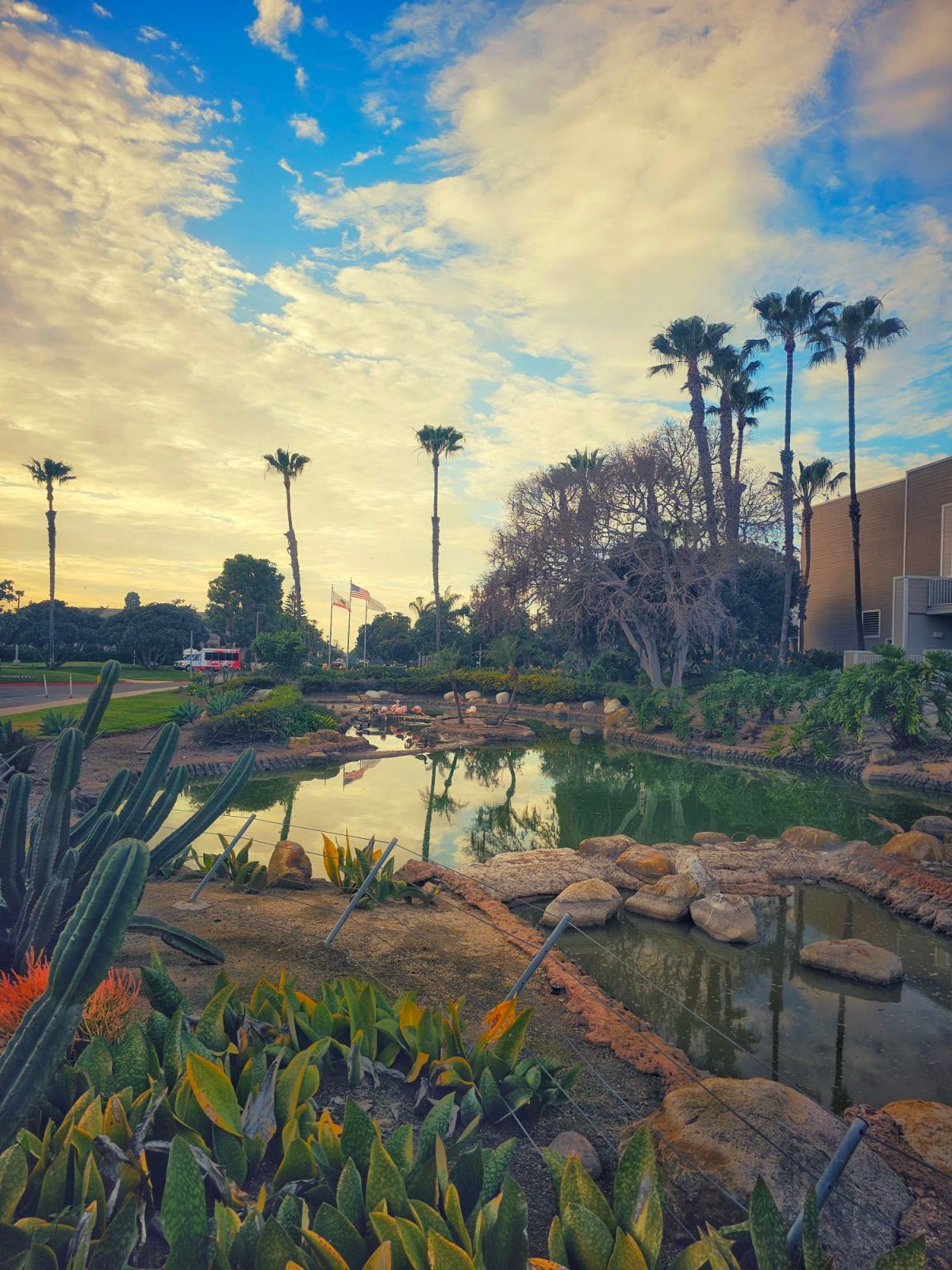
Right near the entrance of the Marriott Coronado Resort and Spa area series of fresh water ponds where you can a group of flamingos strutting, preening and standing in the shallows. These striking birds — often identified as Chilean flamingos— bring an enchanting splash of color to the tropical landscaping and are a favorite photo opportunity for guests and passersby alike.

While Coronado’s golden beaches and sparkling bay views are a draw in themselves, the flamingos offer something extra: a touch of whimsy and wonder. They’re known to hang out right by the Lagoon area accessible from the Bayshore Bikeway, so even if you aren’t staying at the hotel, a quiet stroll along the waterfront could lead to a charming flamingo sighting.

📸 Why Visitors Love Them

  • Iconic photo ops: Kids and adults alike pause to snap pictures of the elegant birds — their vibrant pink feathers make a lovely contrast against the deep greens of the resort landscaping and the blue backdrop of San Diego Bay.
  • Unexpected wildlife moment: It’s not every day you come across flamingos in Southern California, so they feel like a special little secret of Coronado.
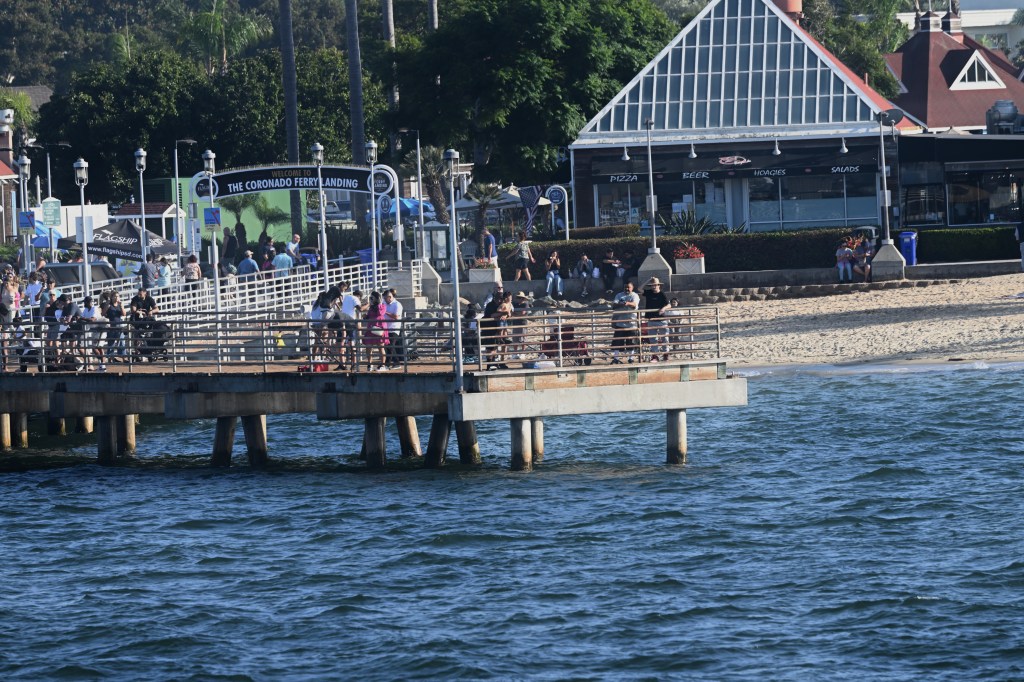
  • Accessible to all: You don’t need a room key to enjoy the flamingos — curious visitors can spot them from nearby public paths near the ferry landing and waterfront promenade.

If you are not a guest of the hotel or do not want to pay the resort parking fee you will have to find street parking in front of the hotel along Glorietta Boulevard. Park south of the resort at Tidelands Park and walk north along the Bay Shore Bike Path. Or lastly park north of the resort ant the Coronado Ferry Landing Parking lot and walk south along the bay shore bike path.

The freshwater ponds are located to the right of the main hotel entrance on the south side of the building.
Flamingos in San Diego Bay: Rare Sightings Along a Familiar Shoreline

Flamingos in San Diego Bay: Rare Sightings Along a Familiar Shoreline

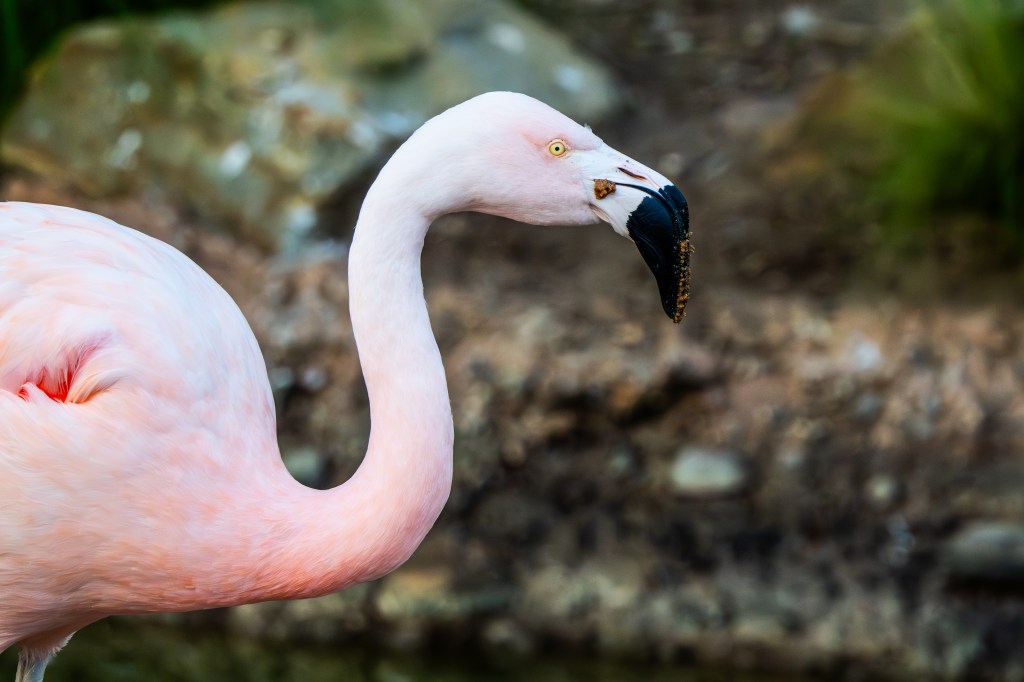
San Diego Bay is home to more than 300 bird species throughout the year, but flamingos are not among the region’s native wildlife. Still, on rare occasions, observers have reported flamingos along the bay’s shallow edges, drawing attention from birders and curious onlookers alike.

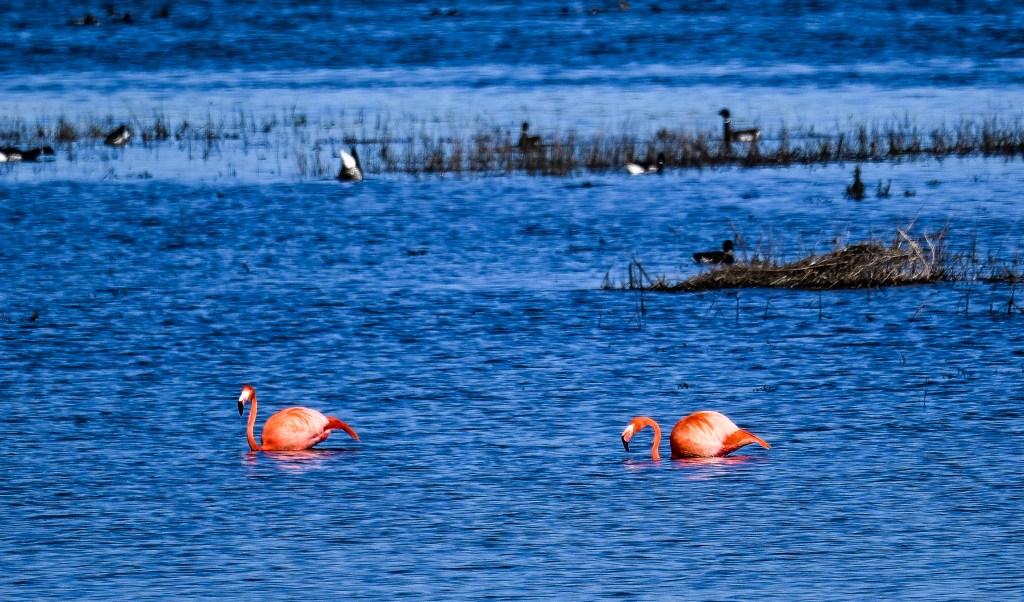
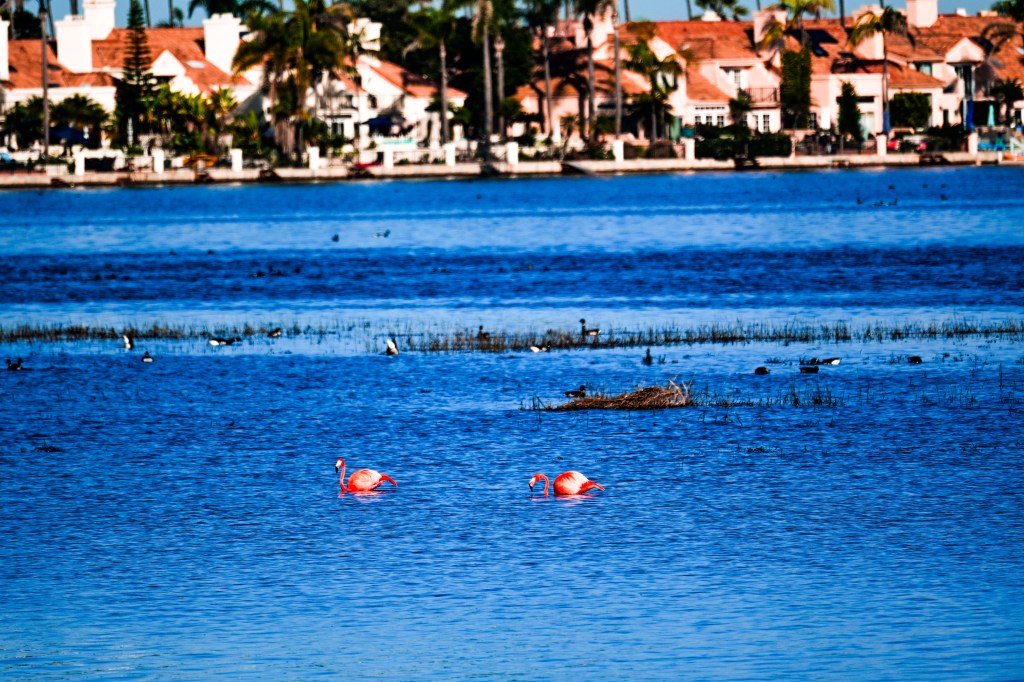
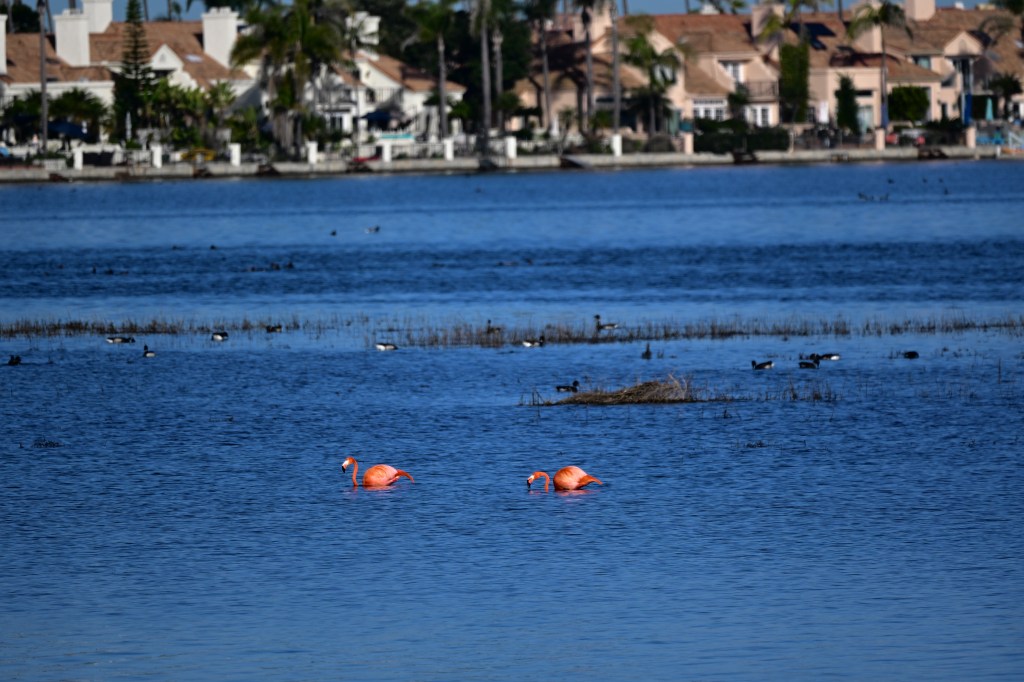
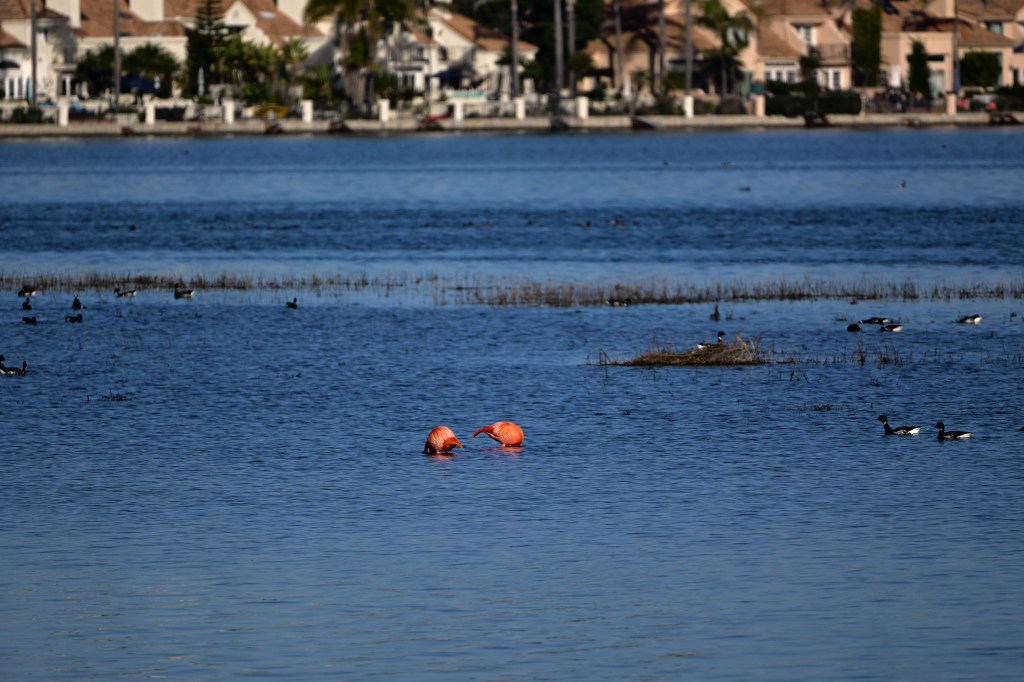
These sightings, while unusual, are not without explanation. Over the weekend I was driving southbound on State Route 75 from Coronado to Imperial Beach when I spotted 2 pink dots off to my left in the marsh shallows. I turned around in Imperial Beach, headed north to the Bike Path parking lot accessible from NB 75. And walk north for about 15min to find the two flamingos about 200 yards off shore. It was High Tide at the time which flooded the shallow marsh and coaxed the flamingos and other shore birds closer to shore.

Not Native, but Occasionally Present

Flamingos do not naturally occur in Southern California. Their typical range includes the Caribbean, parts of South America, Africa, and the Galápagos Islands. Experts generally agree that flamingos seen in San Diego County are likely birds that escaped or dispersed from captive populations rather than true wild migrants.

In the mid-20th century, flamingos were commonly kept in open-air zoo exhibits and private collections. Some individuals were able to fly beyond their enclosures and settle into nearby wetlands. A small number adapted to local conditions and remained in Southern California for extended periods, occasionally appearing in bays, lagoons, and salt ponds.

Habitat Conditions in San Diego Bay

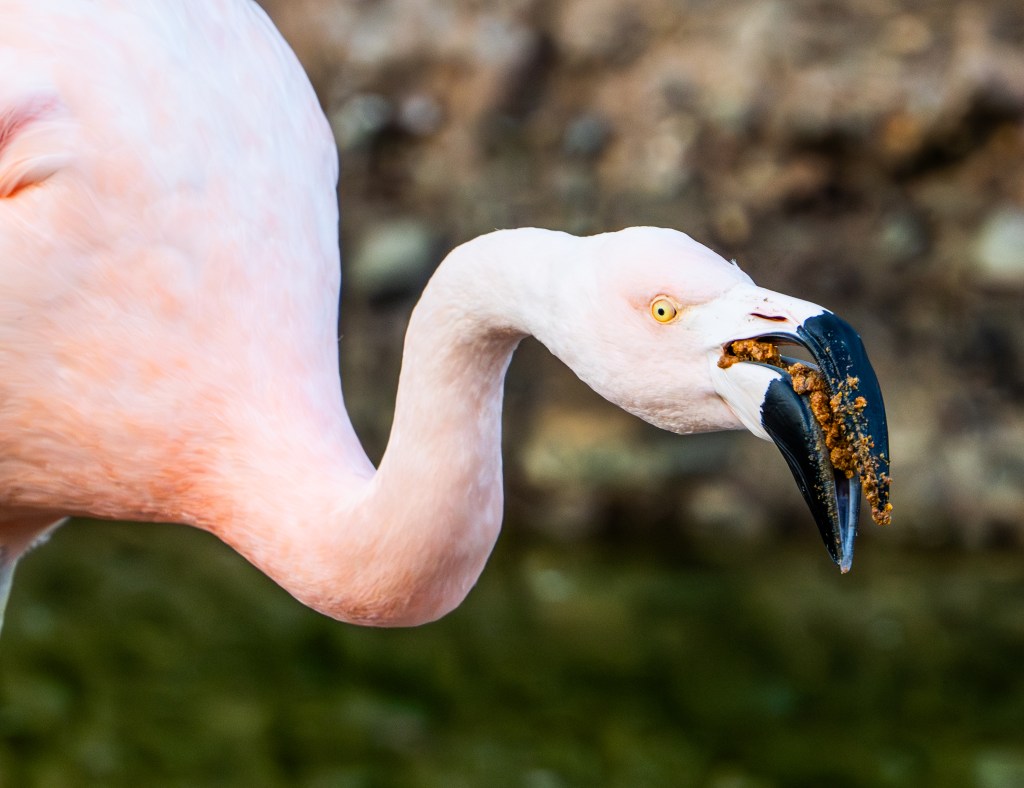
Despite its urban setting, San Diego Bay contains habitat features that can support flamingos. Shallow waters, mudflats, and salt ponds provide feeding opportunities similar to those found in the species’ native environments. Flamingos feed on algae, brine shrimp, and other small invertebrates, filtering food from the water using specialized bills.

The bay’s salt works and managed wetlands, particularly in the southern portion of the bay, offer stable water levels and limited wave action—conditions suitable for wading birds that rely on calm, shallow areas.

Public Interest and Documentation

When flamingos appear in the bay, the sightings are typically well documented. Photographs and field notes are often shared through birding networks and community science platforms, where experts review and confirm observations. These records help distinguish between escaped birds, long-term residents, and misidentified species.

While flamingos attract attention, wildlife officials generally discourage close approaches. Maintaining distance reduces stress on the birds and minimizes the risk of disturbance to surrounding wildlife.

A Reminder of the Bay’s Ecological Value

Though flamingos are not part of San Diego Bay’s native ecosystem, their presence highlights the importance of coastal wetlands. The same habitats that occasionally support a flamingo also sustain migratory shorebirds, waterfowl, and endangered species year-round.

Even rare and unexpected sightings underscore the bay’s role as a critical refuge in a heavily developed region—one that continues to support a wide range of avian life.

The 55th Annual San Diego Bay Parade of Lights

55th Annual San Diego Bay Parade of Lights: Where the Holidays Meet the Harbor
Meta description: Celebrate the 55th Annual San Diego Bay Parade of Lights—best viewing spots, photography tips, and why this waterfront tradition remains a holiday favorite.
Suggested categories: San Diego Events, Holiday Traditions, Coastal Photography
Suggested tags: San Diego Bay Parade of Lights, San Diego Christmas, Holiday Lights San Diego, Waterfront Events, Night Photography

San Diego’s signature holiday tradition returns to the waterfront, transforming the bay into a moving festival of color, music, and maritime creativity.

A Holiday Tradition on the Water

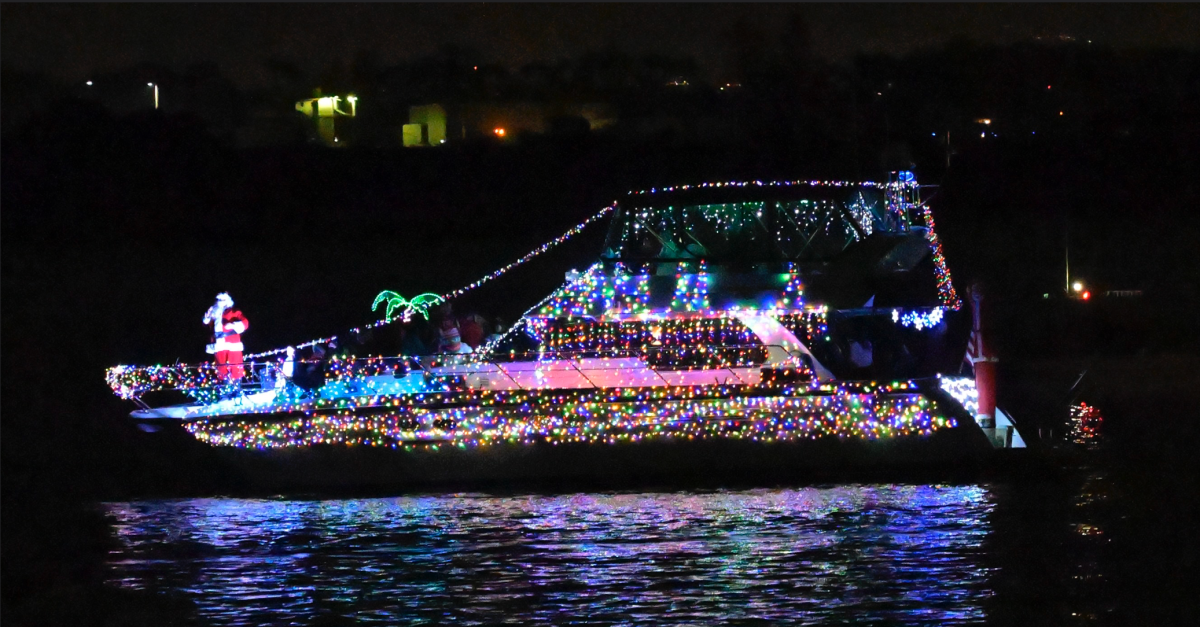
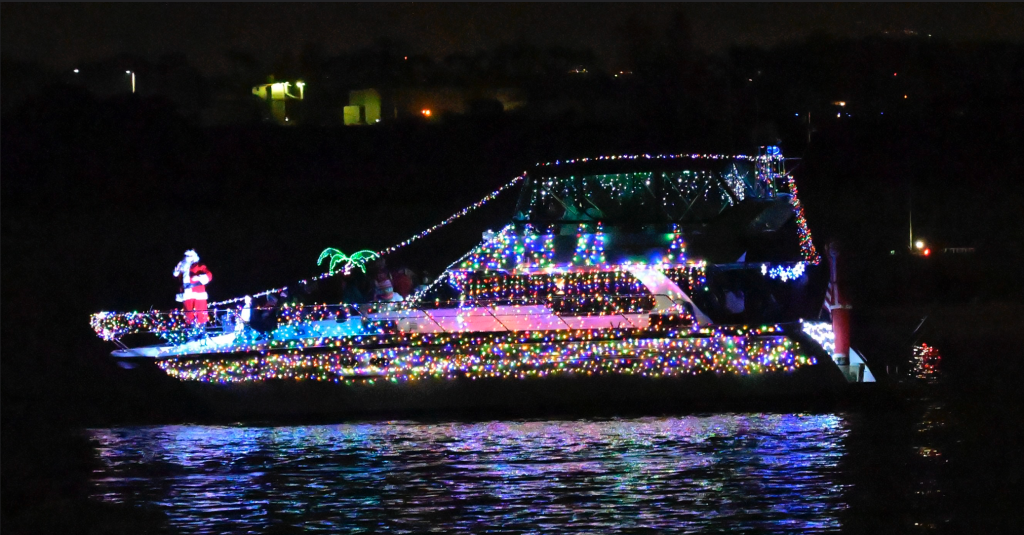
For more than five decades, the San Diego Bay Parade of Lights has marked the start of the holiday season with a spectacle found nowhere else in Southern California. Now in its 55th year, the parade brings together dozens of privately owned boats—each decorated from bow to stern in synchronized lights and themed displays—that glide across the bay after sunset.

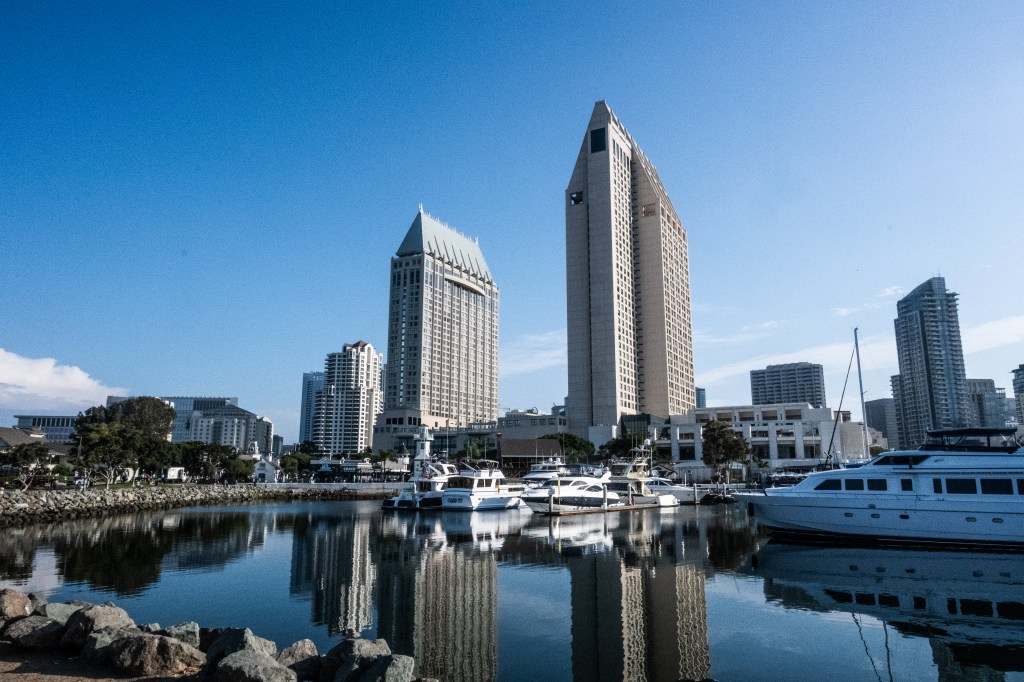
What makes this event special isn’t just the scale of the decorations, but the setting itself. With the downtown skyline, Coronado Bridge, and working harbor as a backdrop, the parade captures the essence of San Diego: festive, coastal, and community‑driven.

How the Parade Works

Participating vessels line up along the bay and follow a designated route that allows spectators on both sides of the water to enjoy the show. Boats range from small sailboats to large yachts, all competing for top honors in categories such as best overall decoration, originality, and best use of lights.

The parade traditionally runs on two consecutive weekend nights, giving locals and visitors multiple chances to experience it. Each evening culminates with a slow, scenic procession that keeps the boats visible long enough for photos, cheers, and the occasional holiday sing‑along.

The San Diego Bay Parade of Lights brings more than 100,000 San Diego residents and visitors to the shores of San Diego Bay each year. The procession of approximately 80 lavishly decorated boats has become one of the most iconic events in the region. There is no cost to view the parade.

2025 Parade Theme is Out of This World

The procession will start at 5:30 p.m. and will follow the predetermined parade  route.

The APPROXIMATE arrival time of the parade at various locations are:

  • Shelter Island (start of parade)   5:30 p.m.
  • Harbor Island                                 5:45 –  6:15 p.m.
  • Seaport Village                                6:20 – 6:45 p.m.
  • The Embarcadero                            6:50 – 7:15 p.m.
  • The Pier at Cesar Chavez Park     7:20 – 7:30 p.m.
  • Ferry Landing on Coronado          7:40 p.m.

Best Places to Watch (and Photograph)

One of the parade’s strengths is accessibility. You don’t need a ticket to enjoy it—just a good vantage point.

Popular viewing locations include:

  • Seaport Village & the Embarcadero – Ideal for wide shots that include boats and skyline reflections.
  • Shelter Island – A favorite for photographers, offering unobstructed views and calmer crowds.
  • Coronado Ferry Landing – Perfect for capturing boats with Coronado lights in the background.
  • Cesar Chavez Park – A relaxed setting with room to move and frame different angles.

For photography, arrive early to claim a spot and plan to shoot through blue hour, when the remaining daylight blends with the glow of the lights on the water.

2025 All American Car Show Rolls Into San Diego

Don’t miss the 2025 All American Car Show in San Diego on Aug. 23. Classic cars, trucks & motorcycles on the bayfront. Free admission!

Hosted by the Mopar Club of San Diego, this annual event brings together an incredible mix of classic cars, vintage rides, hot rods, trucks, and motorcycles—all against the stunning backdrop of the San Diego Bay.

When and Where

  • Date: Saturday, August 23, 2025
  • Time: 8:00 AM – 2:30 PM (approximately)
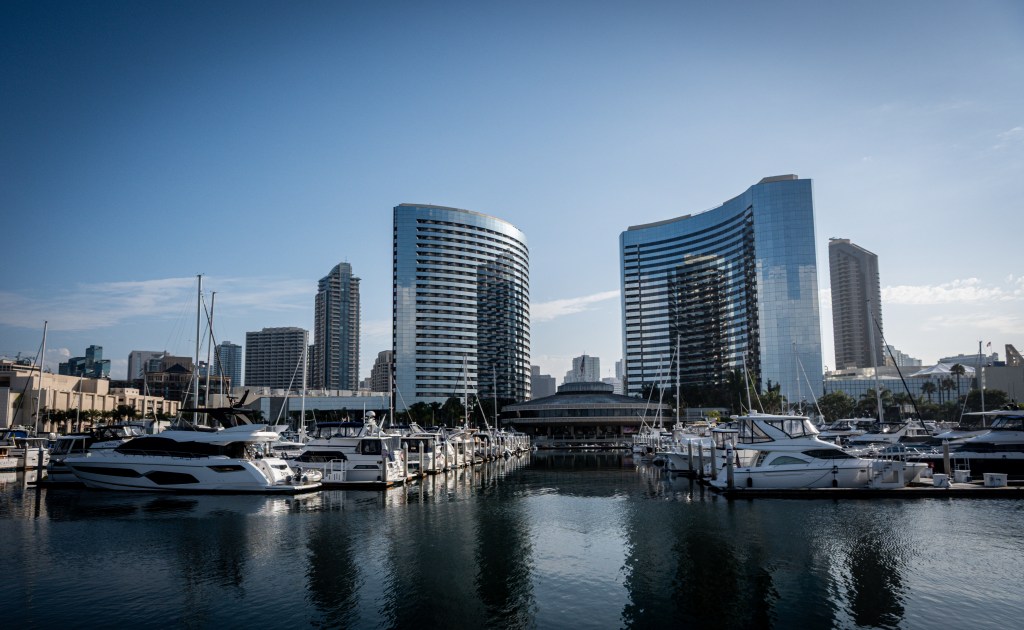
  • Location: Embarcadero Marina Park North, downtown San Diego
  • Admission: Free for spectators

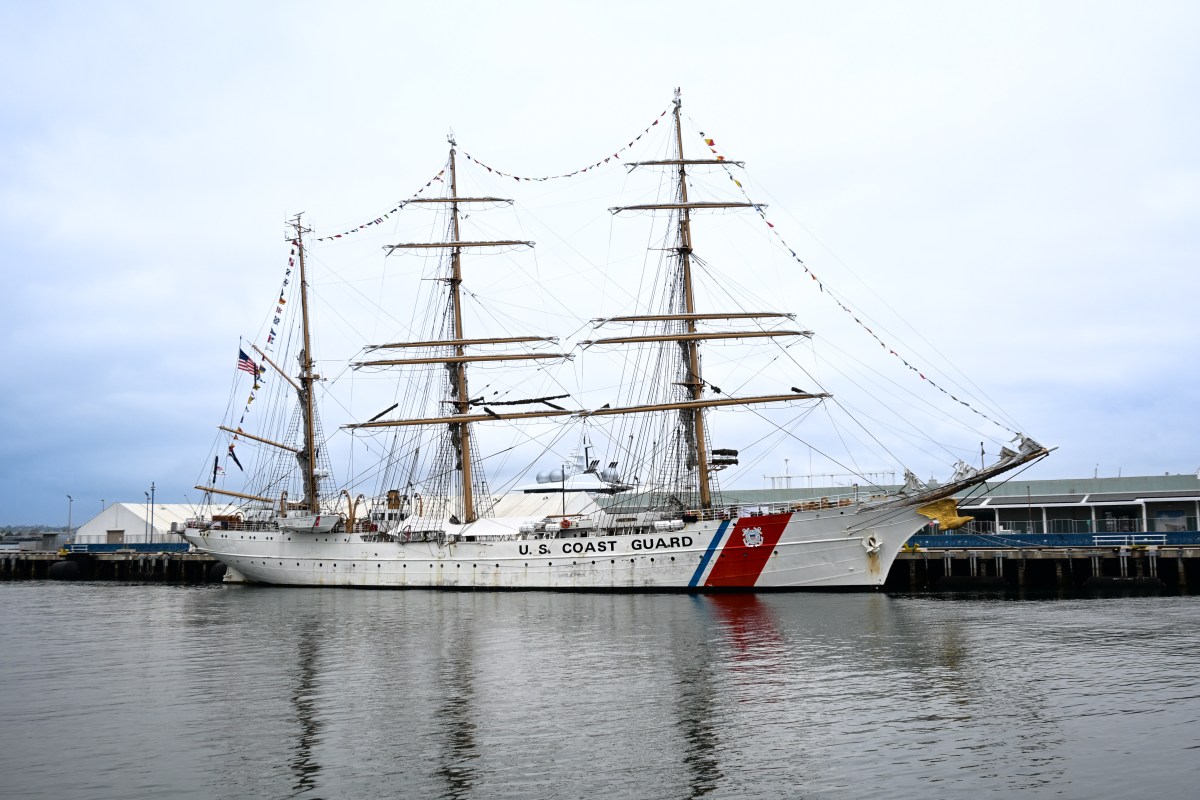
The USCGC Eagle Visits San Diego: America’s Tall Ship in Port

A Floating Classroom

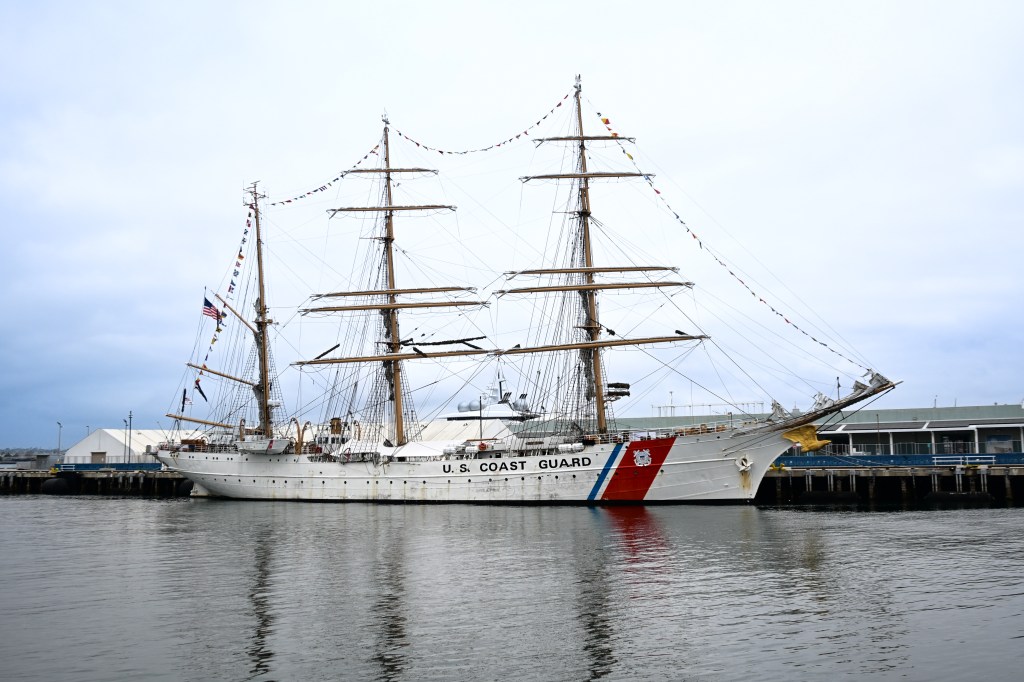
The Eagle is unique among U.S. military ships. Originally built in 1936 in Germany and taken by the United States as a World War II war prize, she has been serving as a Coast Guard training vessel ever since. Each summer, cadets from the U.S. Coast Guard Academy set sail aboard the Eagle to learn the fundamentals of seamanship. From handling lines to navigating by the stars, cadets experience the traditions of sailing firsthand while building teamwork and resilience.

The next time the Eagle sails into San Diego, make sure to plan a visit. Whether you’re a maritime history buff, a photographer, or just curious about life at sea, stepping aboard this legendary tall ship is an unforgettable experience.

To learn more about the USCG Eagle visit https://uscga.edu/mission/eagle/eagle-schedule/

Sailing Without Limits: The Inspiring Work of Challenged Sailors San Diego

Set Sail for Freedom on San Diego Bay

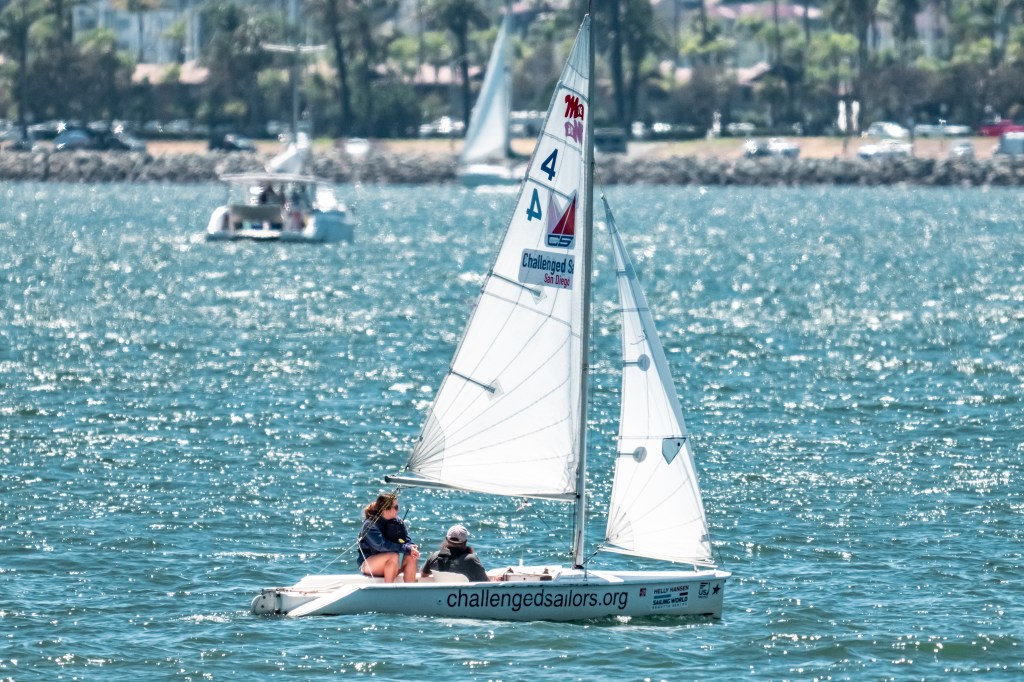
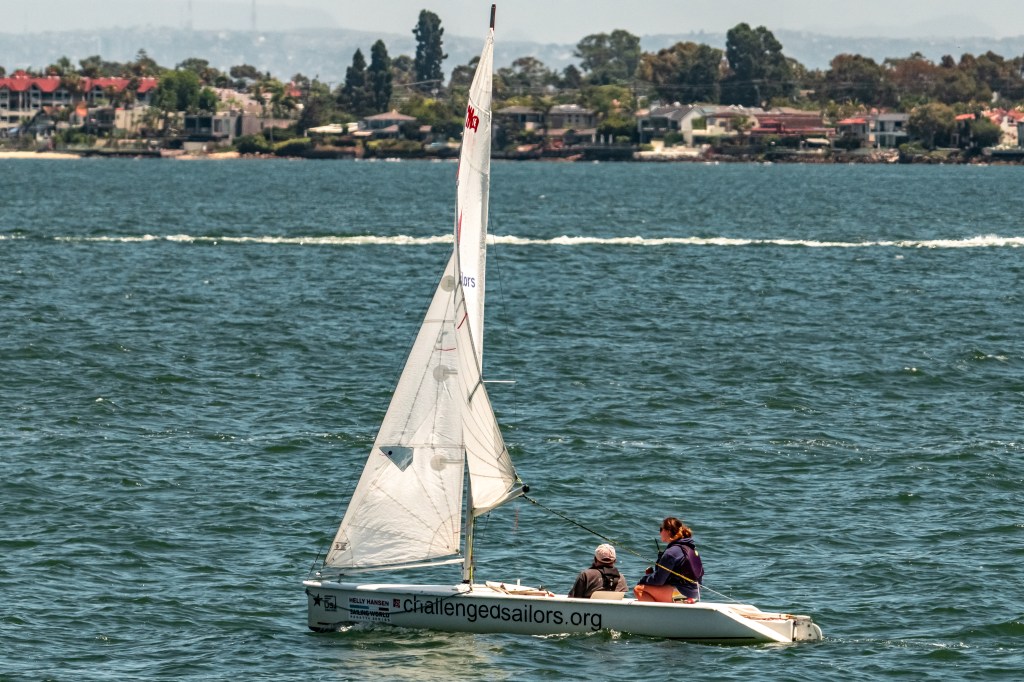
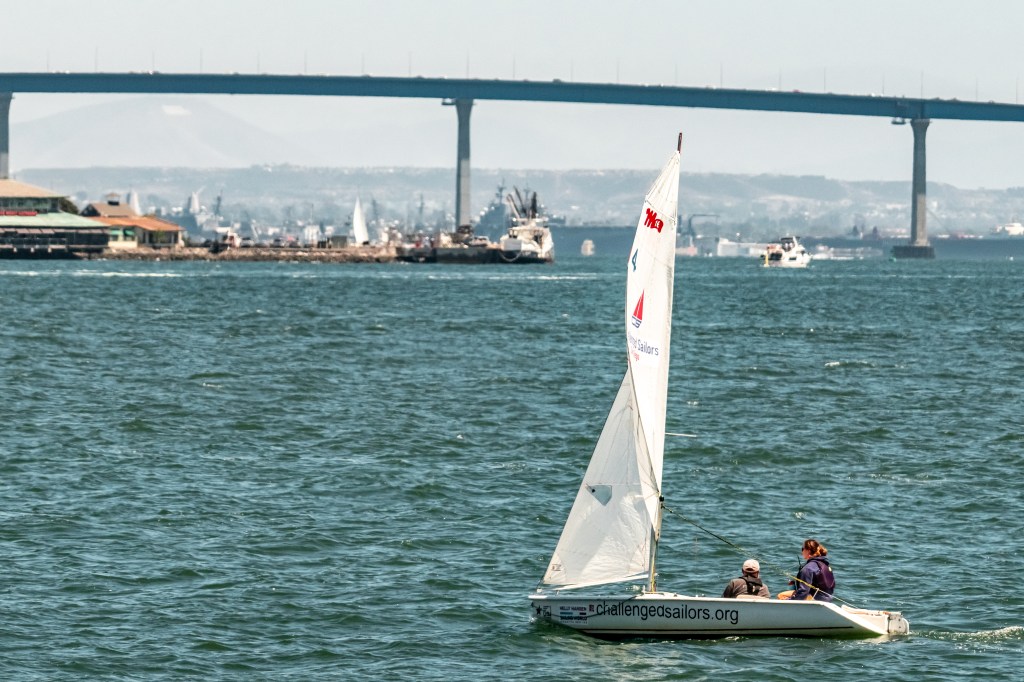
Tucked along the marina-lined coast of Harbor Island, a quiet revolution takes place every weekend. It doesn’t make headlines or draw big crowds, but it changes lives—one sail at a time. Challenged Sailors San Diego (CSSD) is a volunteer-powered nonprofit that brings the joy and freedom of sailing to individuals with physical and cognitive disabilities.

Every Friday and Saturday, from 11:30 a.m. to 3:00 p.m., you’ll find CSSD’s custom fleet of Martin 16 sailboats slicing across San Diego Bay, helmed by people who are often navigating more than just the wind and tide—they’re navigating challenges like paralysis, vision loss, PTSD, or traumatic brain injury. But out on the water, those barriers seem to vanish.

Adaptive Sailing for All

What makes CSSD so unique is their accessibility-first approach. Their Martin 16 sailboats are specially designed with stability and ease of control in mind. Sailors sit in supportive bucket seats, and many use a joystick—or even a sip-and-puff system—for full control of the boat. A trained volunteer companion sits just behind, ready to assist when needed, but always letting the sailor take the lead.

Whether someone is a first-time participant or a returning sailor, CSSD creates a safe and empowering experience. No previous sailing experience is required, and participation is completely free of charge. This is more than recreation—it’s liberation.

“Anywhere You Want to Go”

One of the most moving stories shared by CSSD volunteers is of a woman in a wheelchair who asked, “Where do we go?” Her sailing companion responded, “Anywhere you want.” She burst into tears. It’s a reminder that freedom of movement—something many of us take for granted—is a powerful gift.

CSSD serves a wide range of sailors, from veterans and stroke survivors to young people with cerebral palsy or autism. Some are lifelong San Diegans. Others are visiting just for the day. All leave with a shared sense of accomplishment—and often, a smile that speaks louder than words.

Volunteers at the Helm

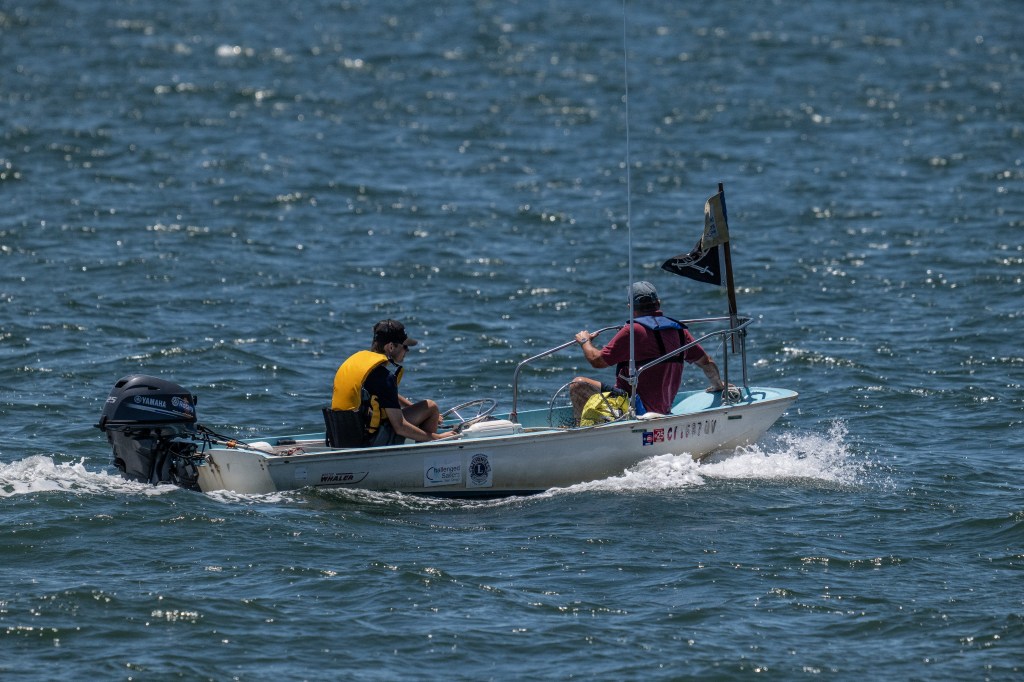
CSSD is 100% volunteer-run. Everyone from the companion sailors to the dockhands to the chase boat operators donates their time and energy. Many are lifelong sailors. Others are newcomers drawn to the cause. But all share the same passion: making sailing accessible to everyone.

Interested in volunteering? No sailing experience is needed for many roles, and training is provided. If you’re looking to give back to the community in a way that’s fun, active, and deeply meaningful, this is one crew worth joining.

How to Get Involved

CSSD offers several ways to participate:

  • Sail with them: If you or someone you know has a disability and would like to try sailing, simply sign up on their website and the team will contact you to schedule a day.
  • Volunteer: Help on the water or on the dock. All roles are vital, and everyone is welcome.
  • Donate: CSSD relies on donations to keep the sails full and the experiences free. Every dollar helps bring joy to someone’s day.

To learn more or get involved, visit: https://www.challengedsailors.org


Final Thoughts

Out on the bay, there are no wheelchairs. No labels. Just wind, water, and the thrill of command. Challenged Sailors San Diego reminds us that inclusion isn’t just about access—it’s about creating moments of joy, confidence, and connection. And sometimes, that all begins with a simple push away from the dock.

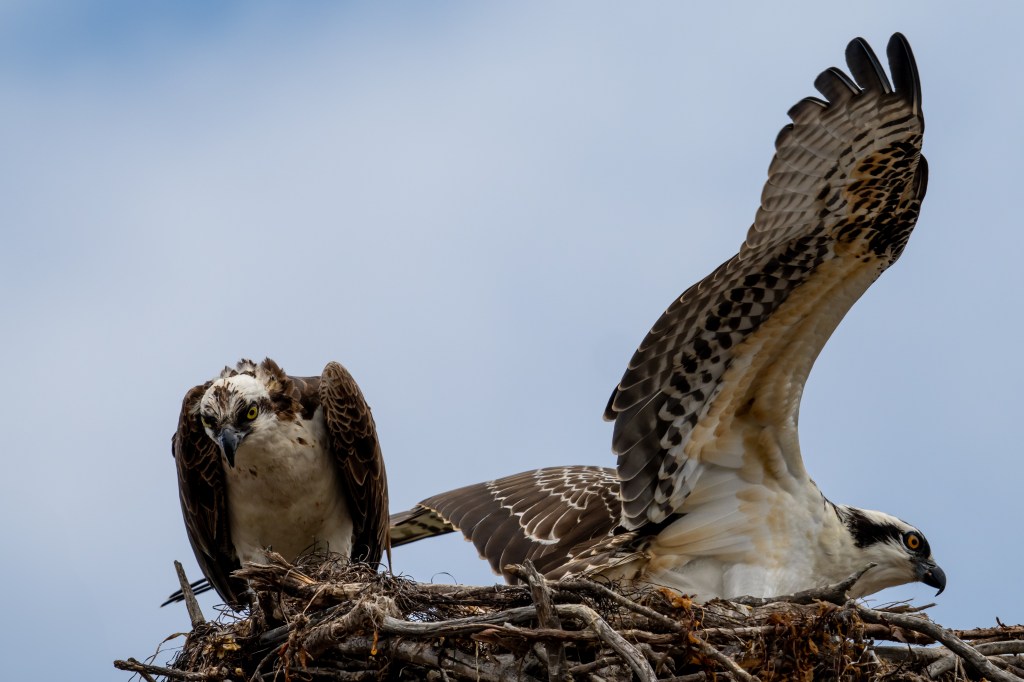
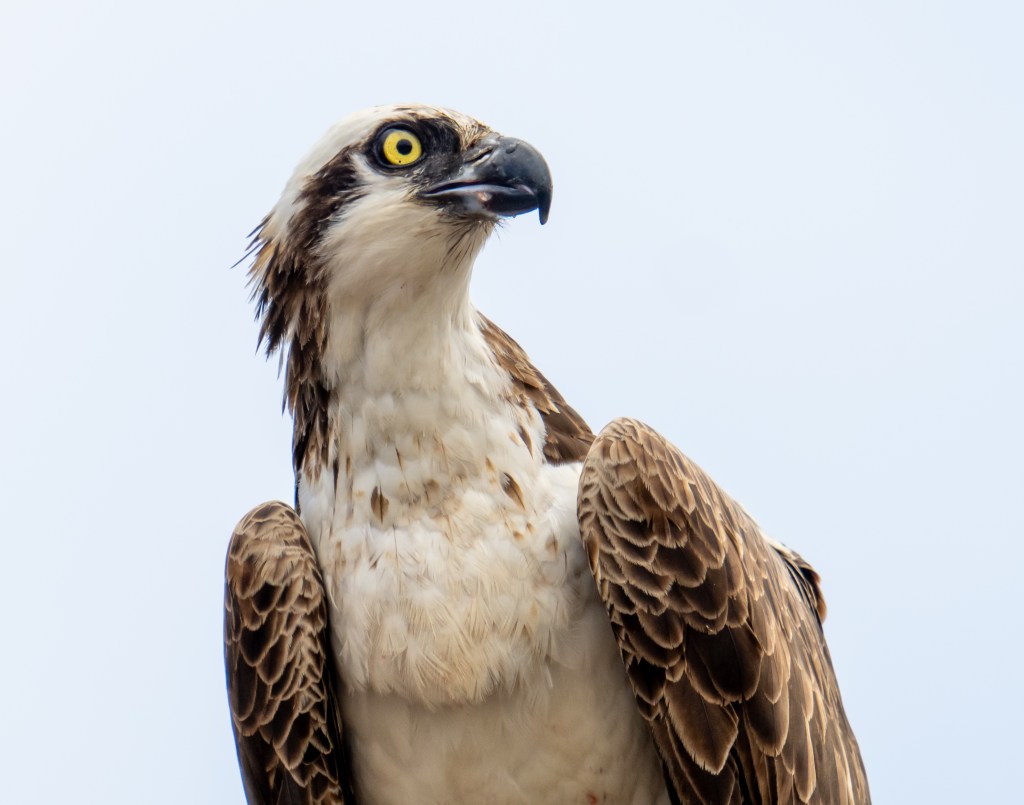
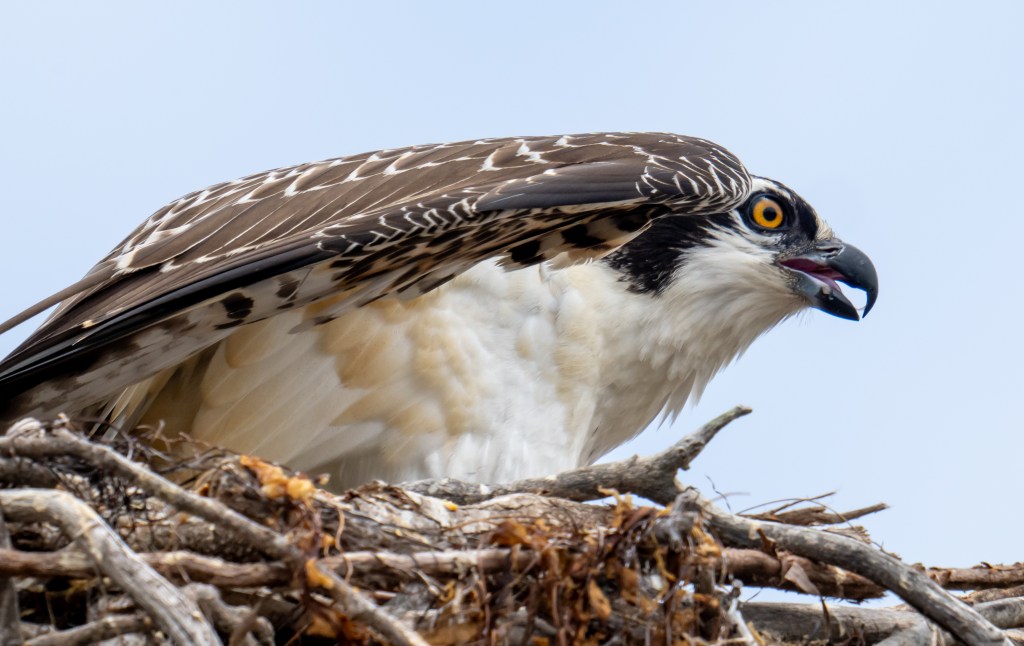
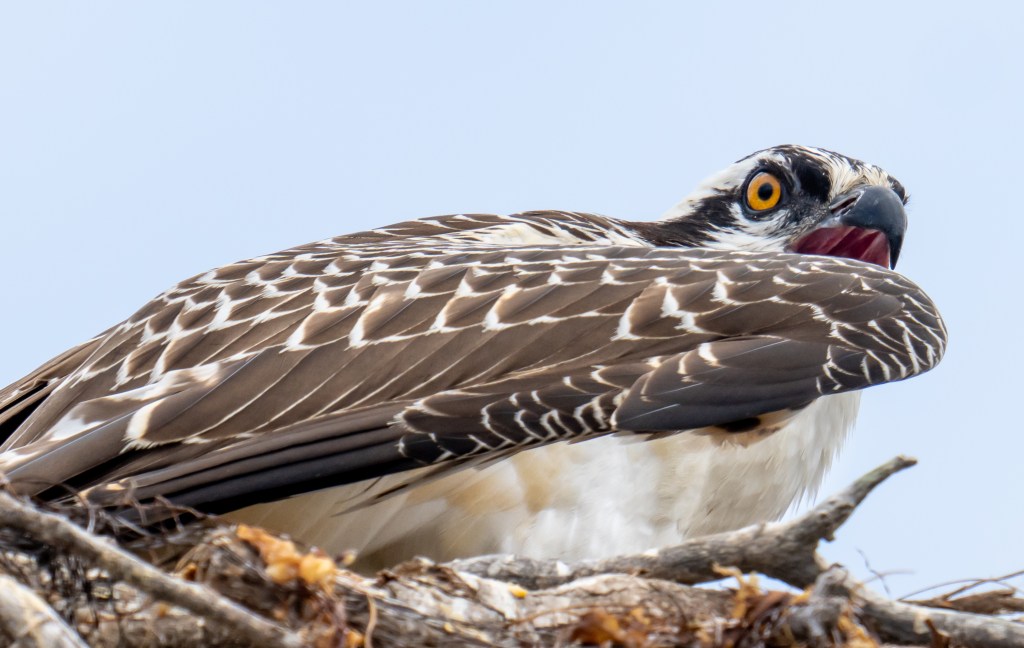
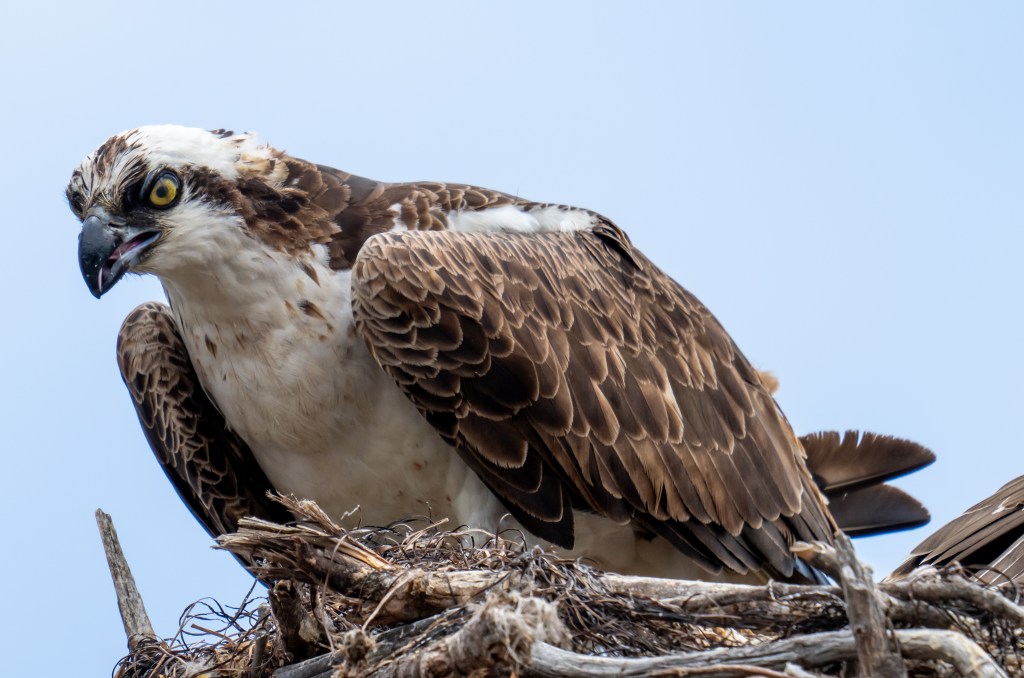
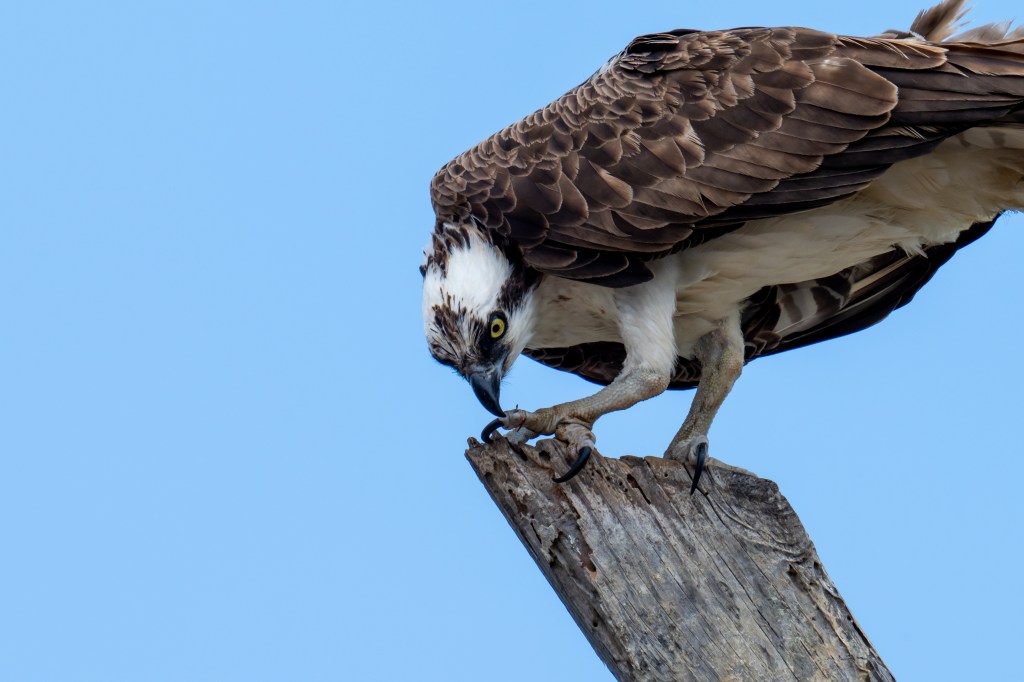
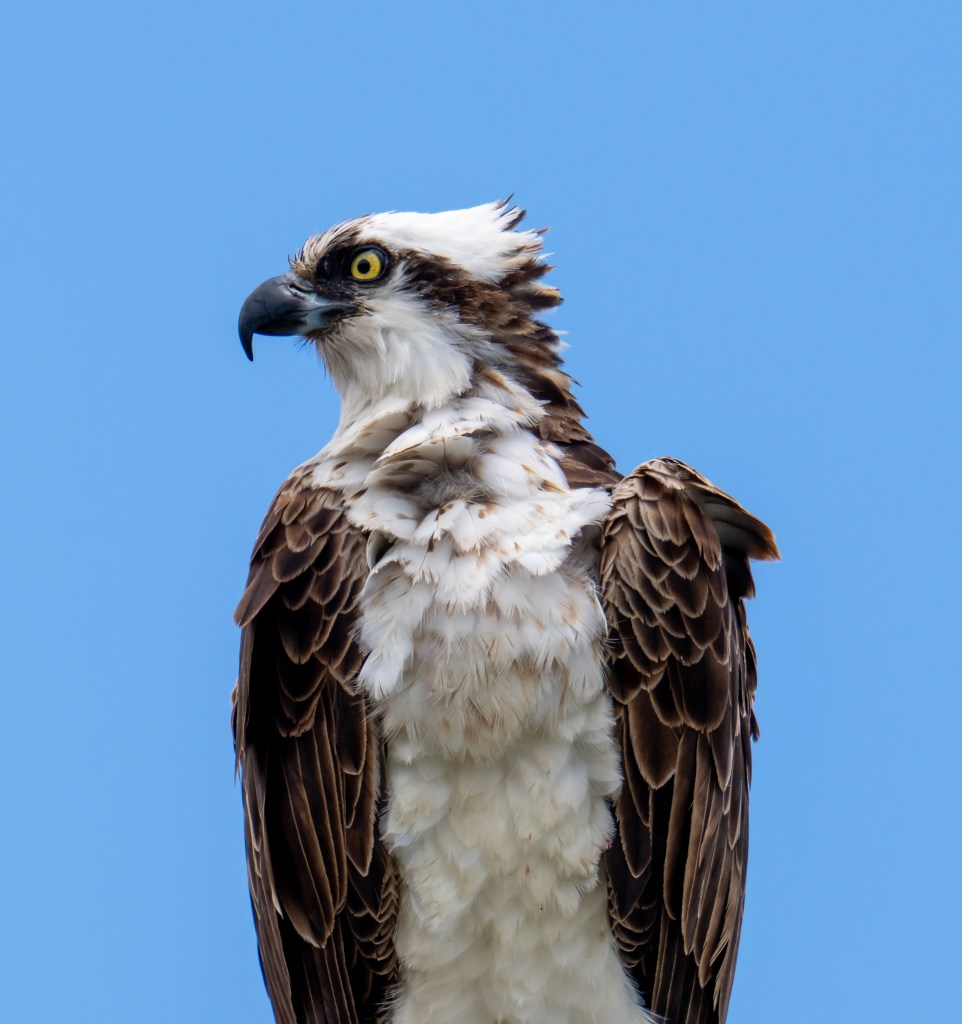
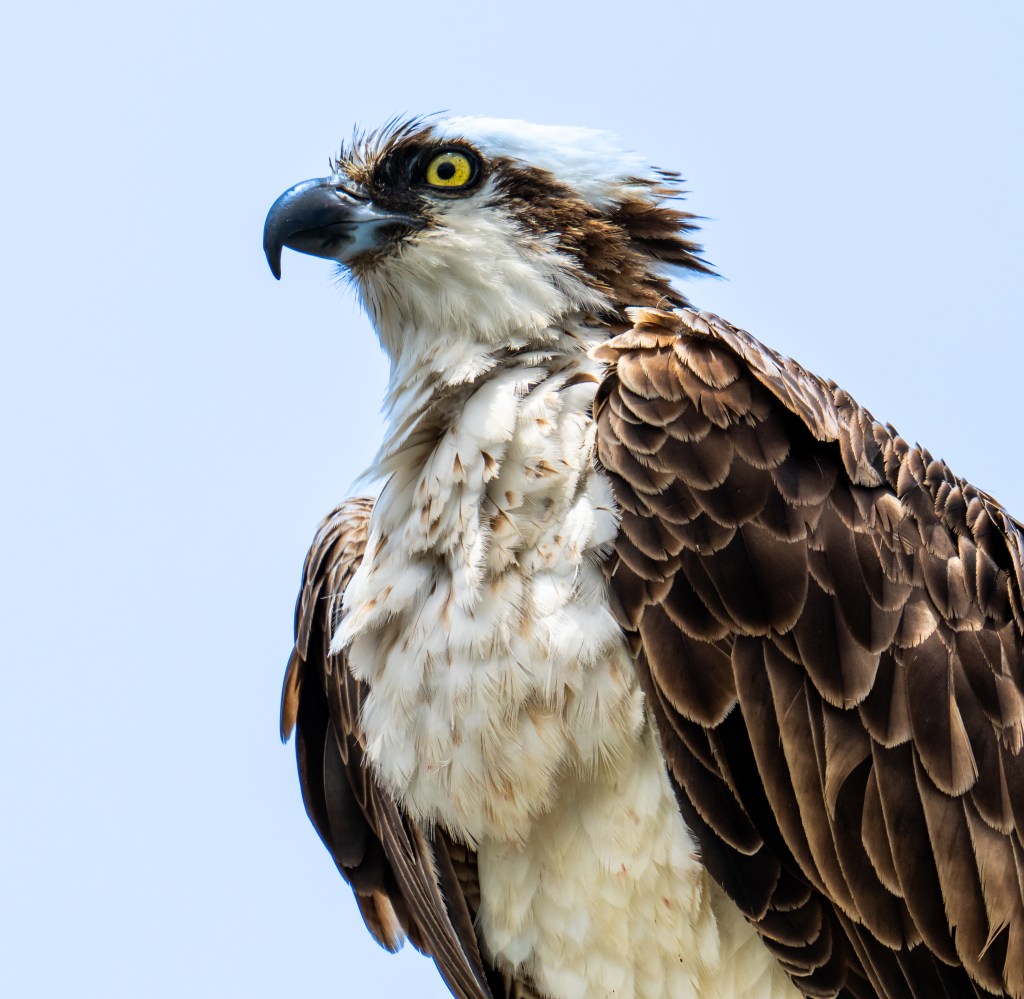
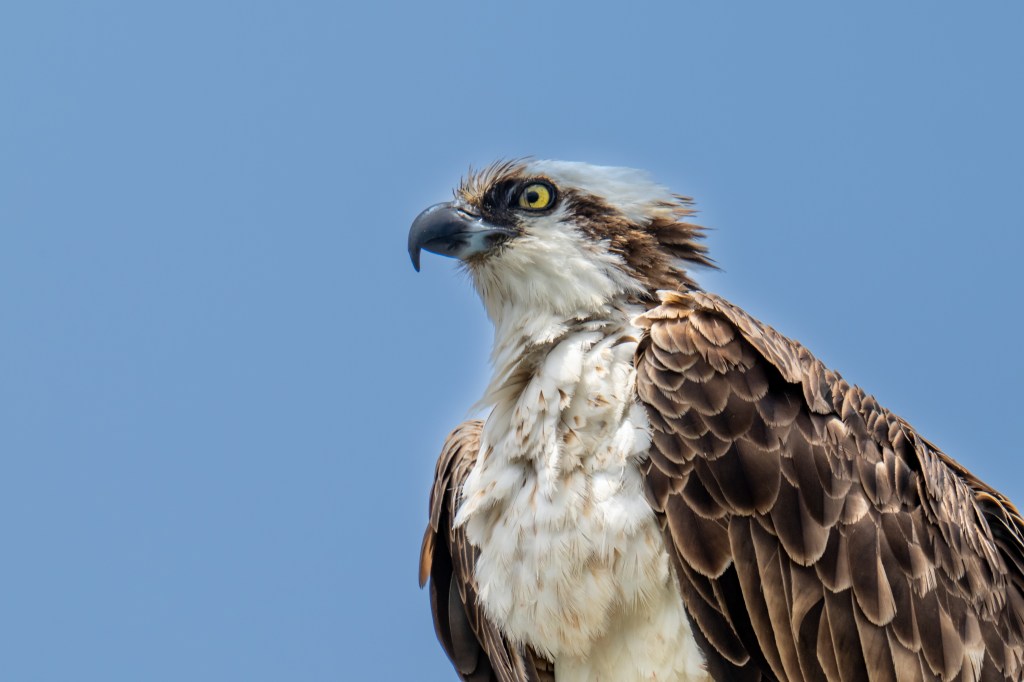
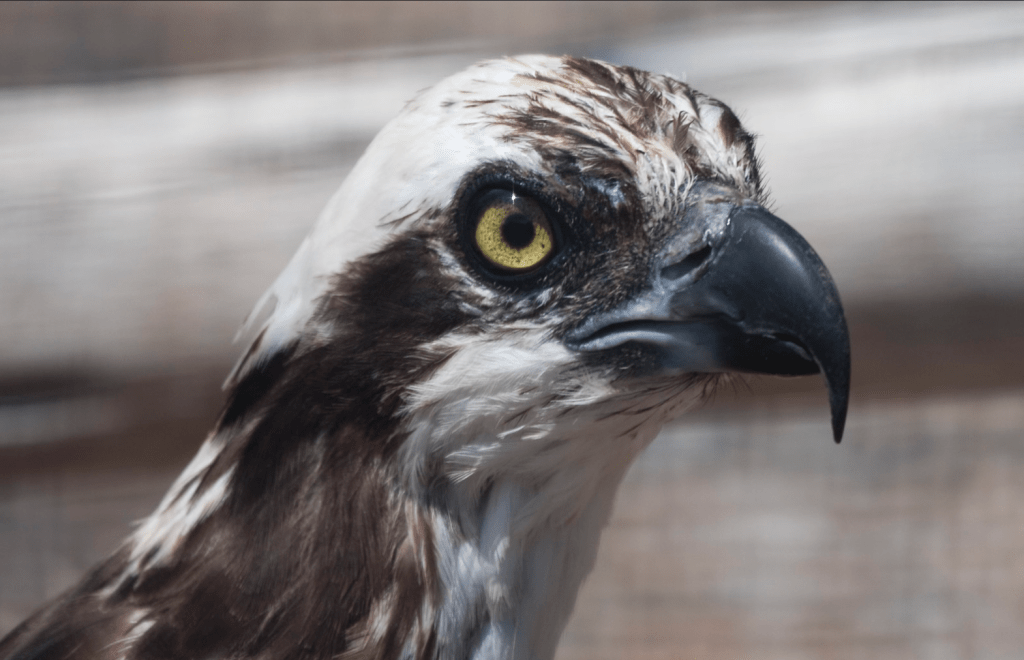
🦅 Ospreys of Shelter Island: San Diego’s Coastal Raptors

If you’ve ever strolled along the waterfront on Shelter Island and looked up to see a large bird hovering gracefully above the bay, chances are you’ve spotted an osprey. Known as the “fish hawk,” this striking bird of prey has made a comfortable home here in San Diego’s maritime backyard.

A Natural Fisherman in an Urban Setting

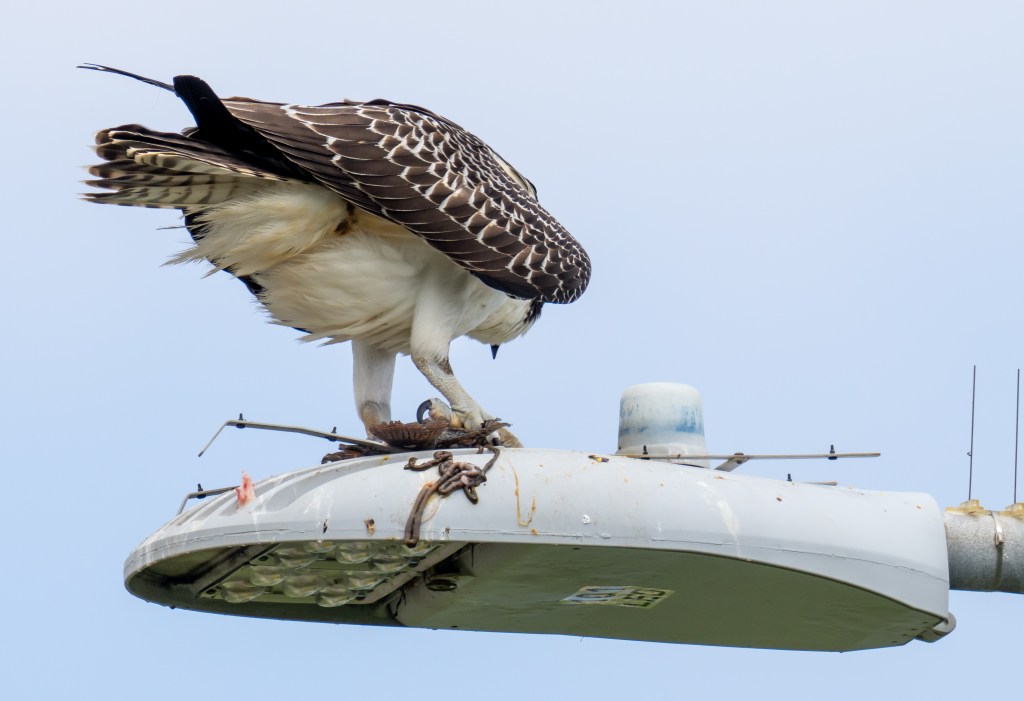
Shelter Island offers the perfect blend of natural habitat and human-made infrastructure that ospreys have come to favor. With calm bay waters rich in fish and an abundance of tall structures like light poles, boat masts, and channel markers, ospreys have carved out a niche among the marinas and piers. It’s not uncommon to spot their bulky stick nests perched high above the docks, often near the Shelter Island Launch Ramp or around America’s Cup Harbor.

A Front-Row Seat to Nature

Watching an osprey hunt is a thrilling experience. These raptors soar high, scanning the water with laser-sharp vision. Then, in an instant, they dive feet-first into the bay, emerging with a wriggling fish clutched in their powerful talons. It’s a daily drama that plays out just steps from the sidewalk — and a reminder that even in the heart of the city, nature thrives.

Season of the Osprey

While ospreys can be seen in San Diego year-round, their breeding season typically runs from March to August. During these months, you might see pairs working together to build or repair nests, calling out with sharp whistles, or feeding their young. If you’re lucky, you might spot fledglings learning to fly — a heartening sight that signals the continued health of our coastal ecosystem.

A Conservation Comeback

Ospreys weren’t always so easy to spot. In the mid-20th century, their numbers plummeted due to pesticide use, especially DDT. But since the ban of such chemicals and the protection of nesting sites, osprey populations have rebounded across the U.S., including right here in San Diego Bay. Their presence on Shelter Island is a quiet conservation success story.

Where to Look

For the best osprey-watching:

  • Walk along the Shelter Island shoreline promenade near the boat launches.
  • Look up at tall poles or navigation beacons — nesting sites are often quite visible.
  • Early morning and late afternoon are great times to see them hunting.
Bring your binoculars, a camera, and a sense of wonder. Whether you’re a birder, photographer, or casual observer, spotting an osprey in action is always a memorable moment.

Experience San Diego from the Water aboard a Harbor Cruise Vessel

San Diego bay has a long and storied past. Its protected tidal areas offered the Kumeyaay people, who lived along the coast and inland valleys, areas to fish, harvest shellfish, and used plank canoes called tomols to navigate coastal waters. The ocean was central to their diet, trade, and spiritual life. In 1542, Portuguese explorer Juan Rodríguez Cabrillo, sailing under the Spanish flag, became the first European to enter San Diego Bay, naming it San Miguel. In 1602, Sebastián Vizcaíno renamed the bay San Diego, in honor of Saint Didacus.

During the Mexican-American War, the U.S. Navy took control of San Diego in 1846. San Diego became a U.S. Navy coaling and resupply station. The harbor remained relatively quiet until the early 20th century, when the Navy dramatically expanded its presence. San Diego became a U.S. Navy coaling and resupply station. The harbor remained relatively quiet until the early 20th century, when the Navy dramatically expanded its presence. Thousands of ships were built, serviced, and deployed from the harbor, making San Diego critical to Pacific warfare operations.

San Diego remained one of the largest naval complexes in the world through the Cold War and beyond. Today, the city hosts the Pacific Fleet, numerous aircraft carriers, and serves as a major center for military research, training, and logistics. Civilian maritime activity also thrives, with cargo shipping, cruise lines, commercial fishing, and recreational boating playing important roles.

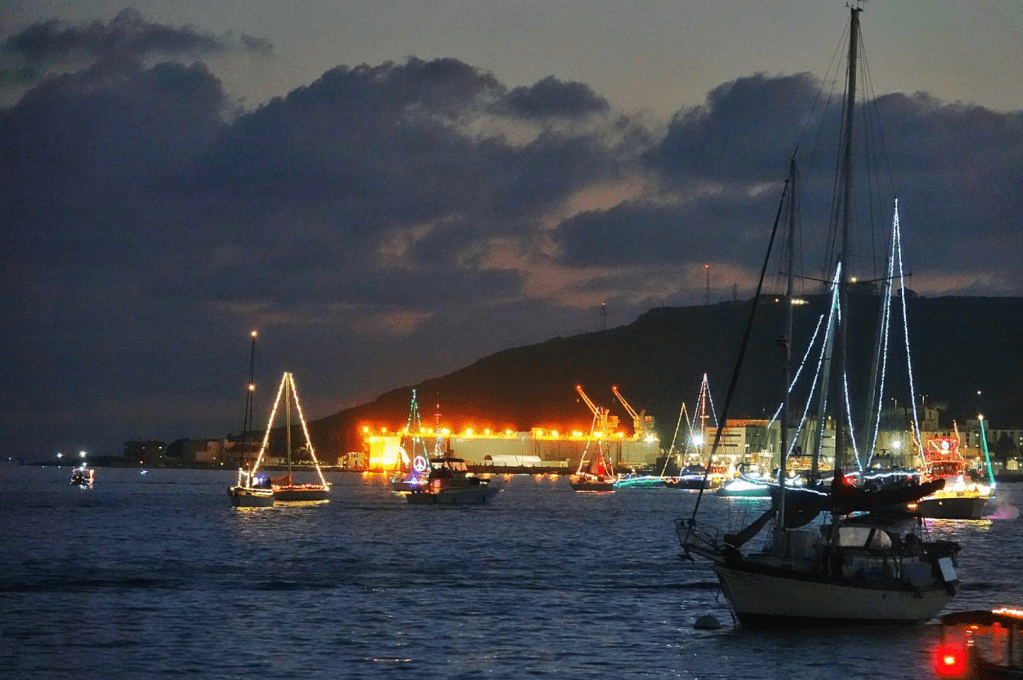
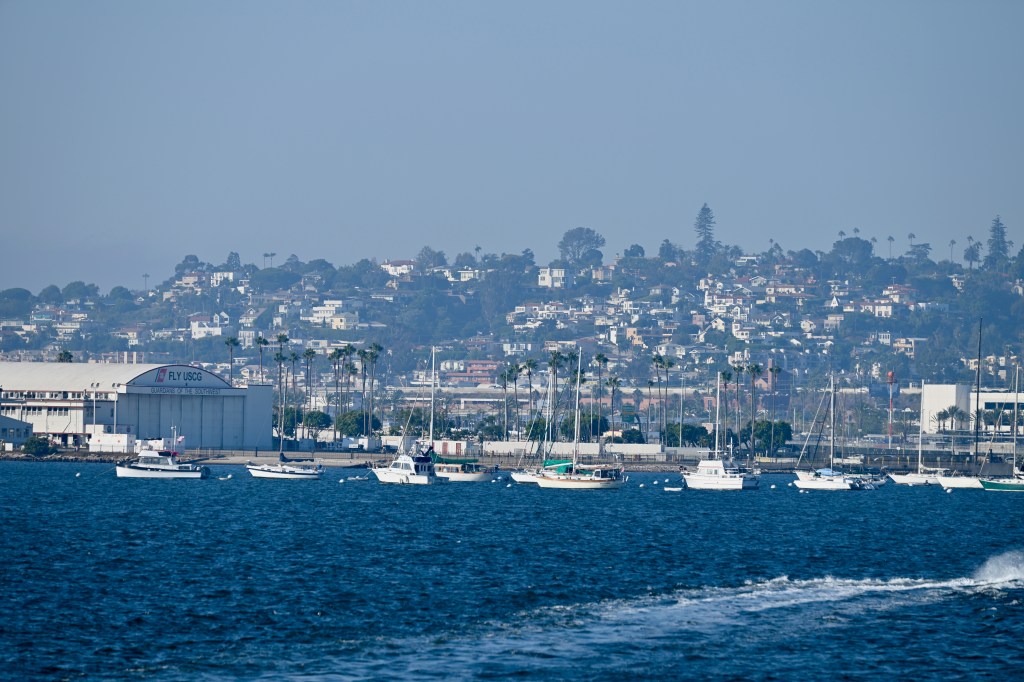
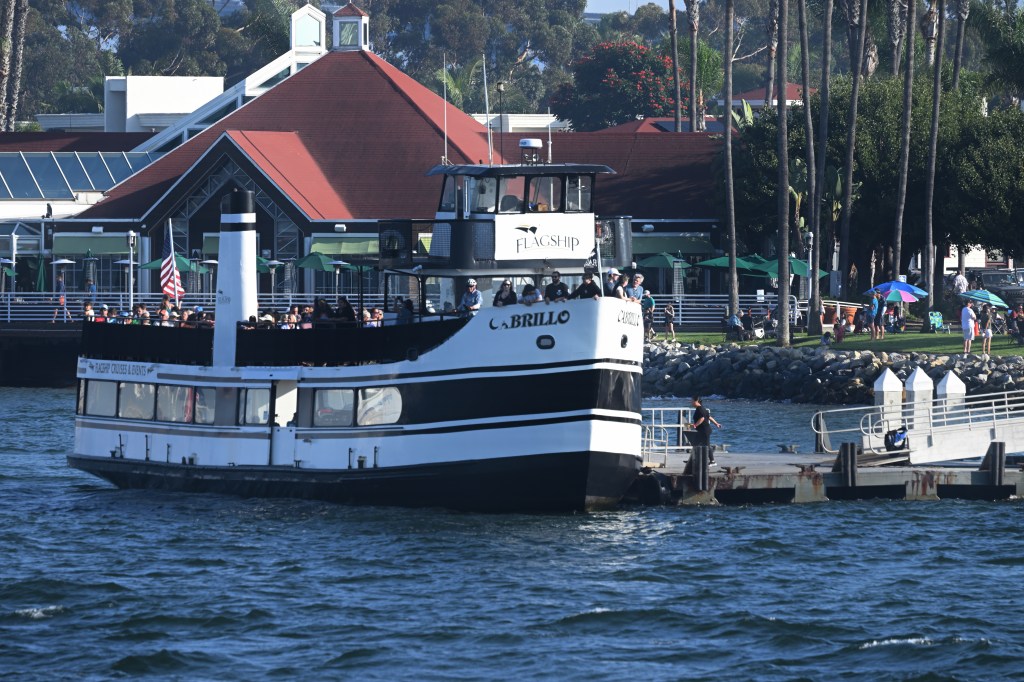
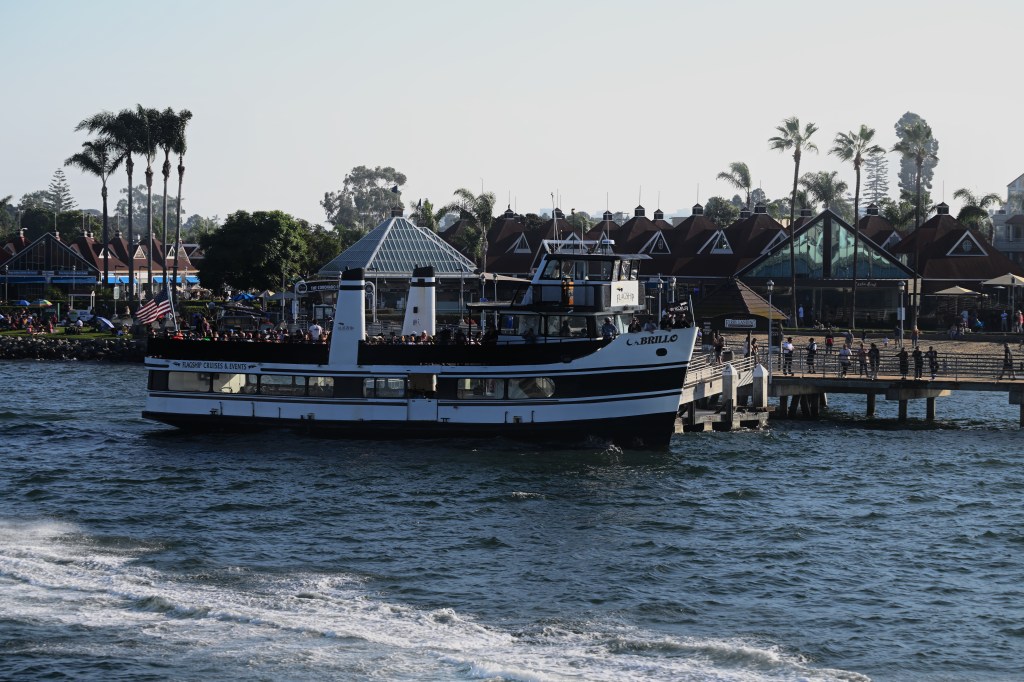
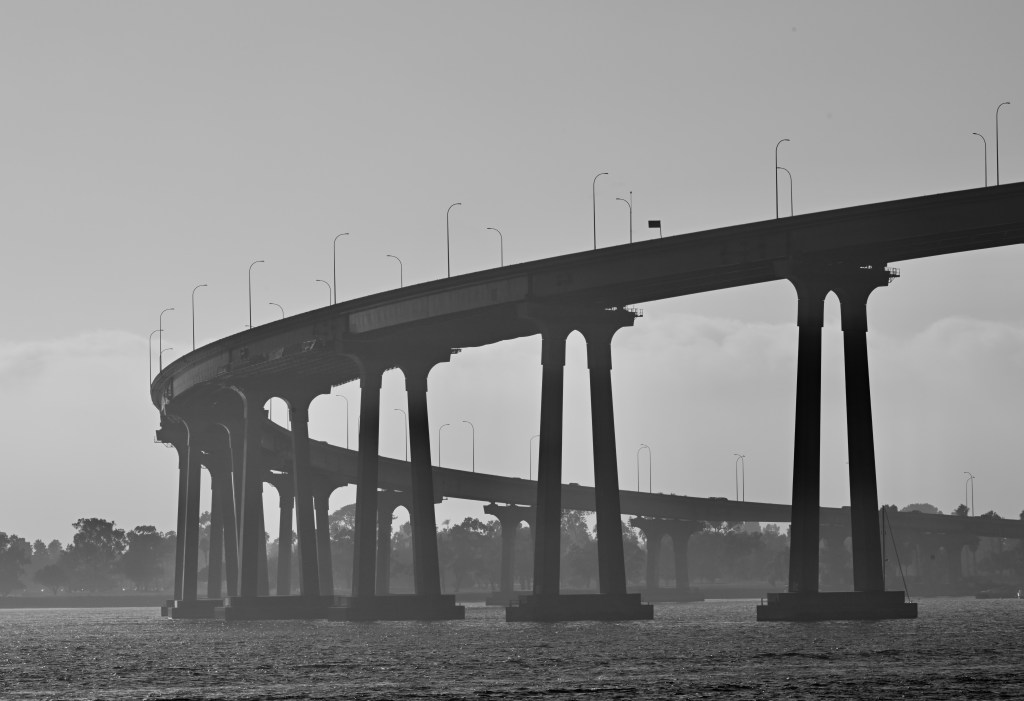
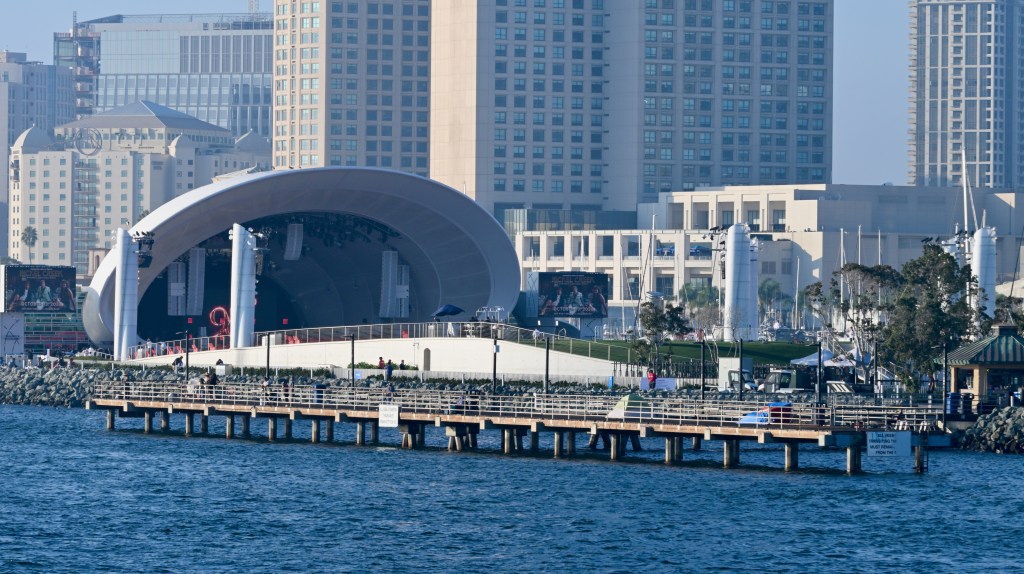
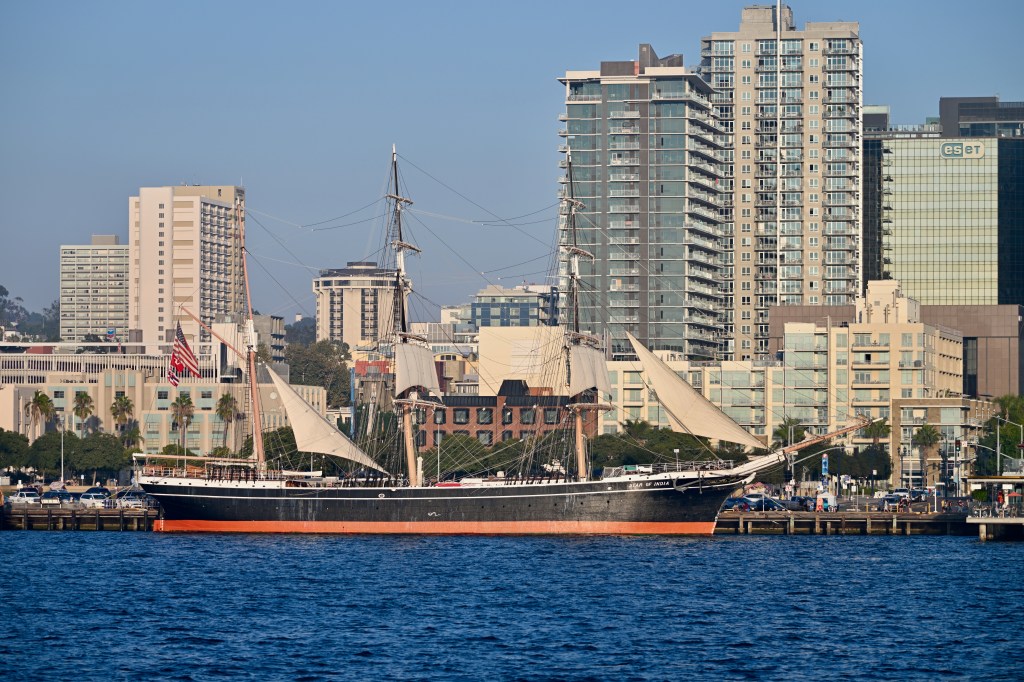
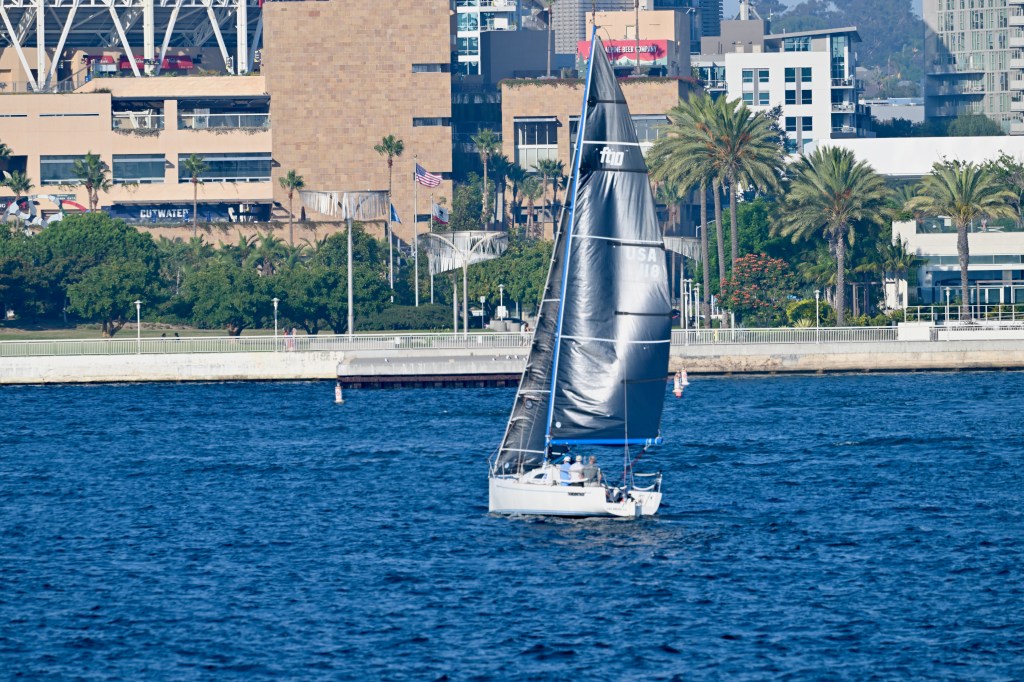
I took this series of images during a 2 hour sailing which started off heading south towards the Coronado Bridge and then turning north towards Shelter Island. A thick marine layer was moving in so the trip ended before sunset unfortunately .

Sweetwater Marsh National Wildlife Refuge

Breathe Easy in the Marsh: Discovering the Sweetwater Marsh National Wildlife Refuge

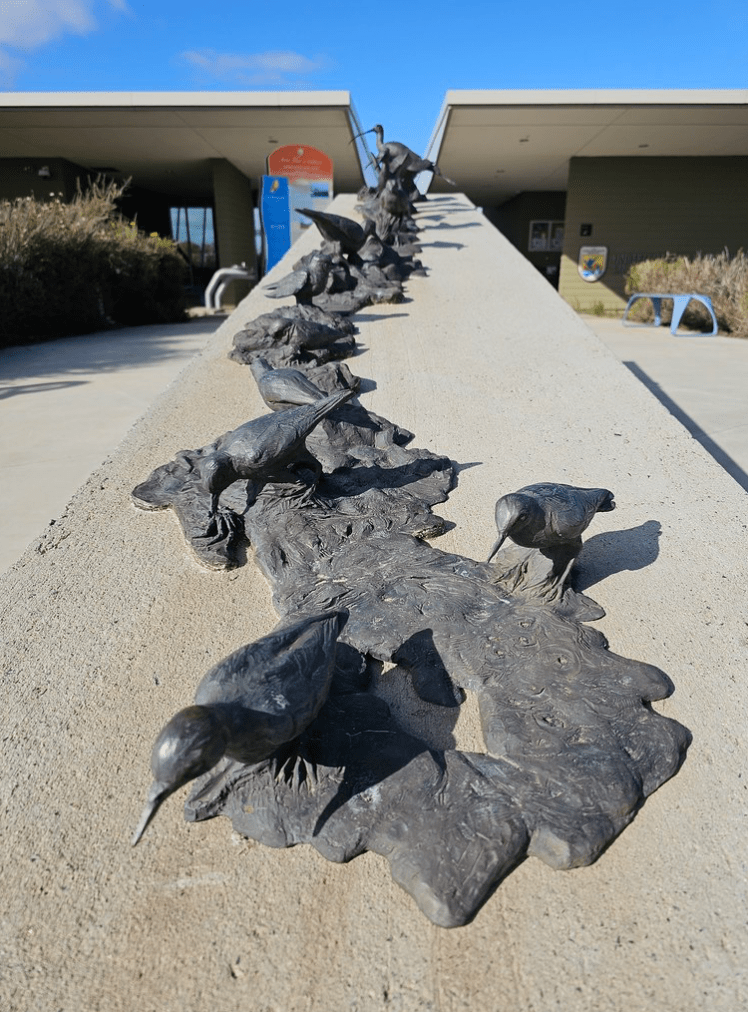
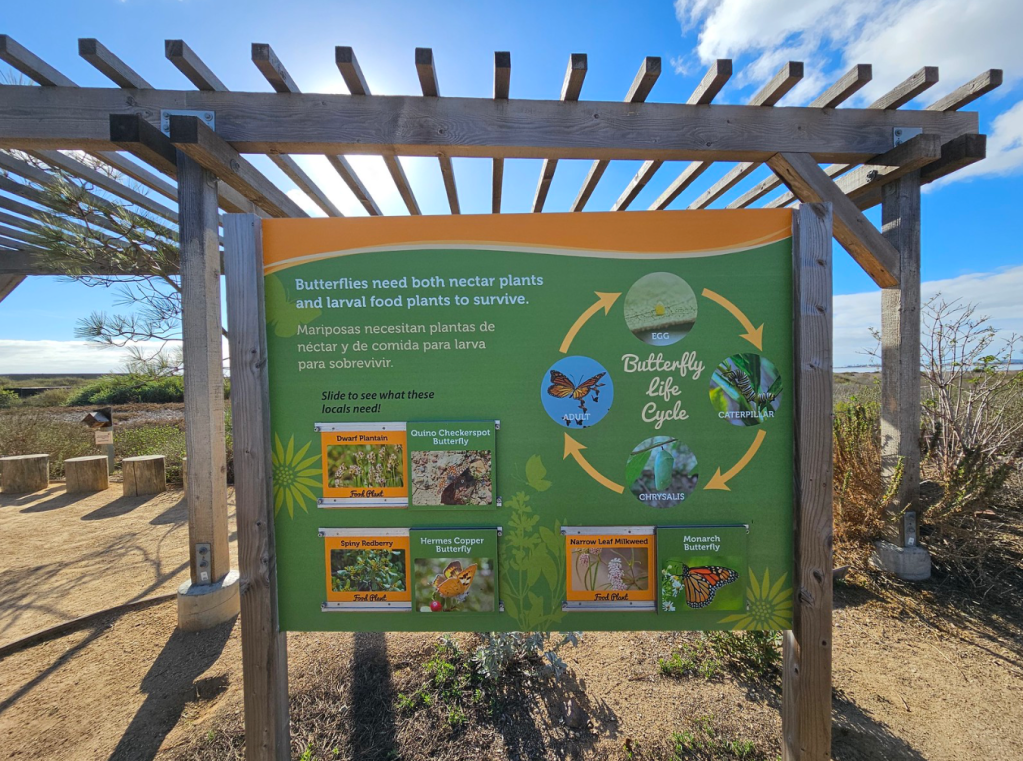
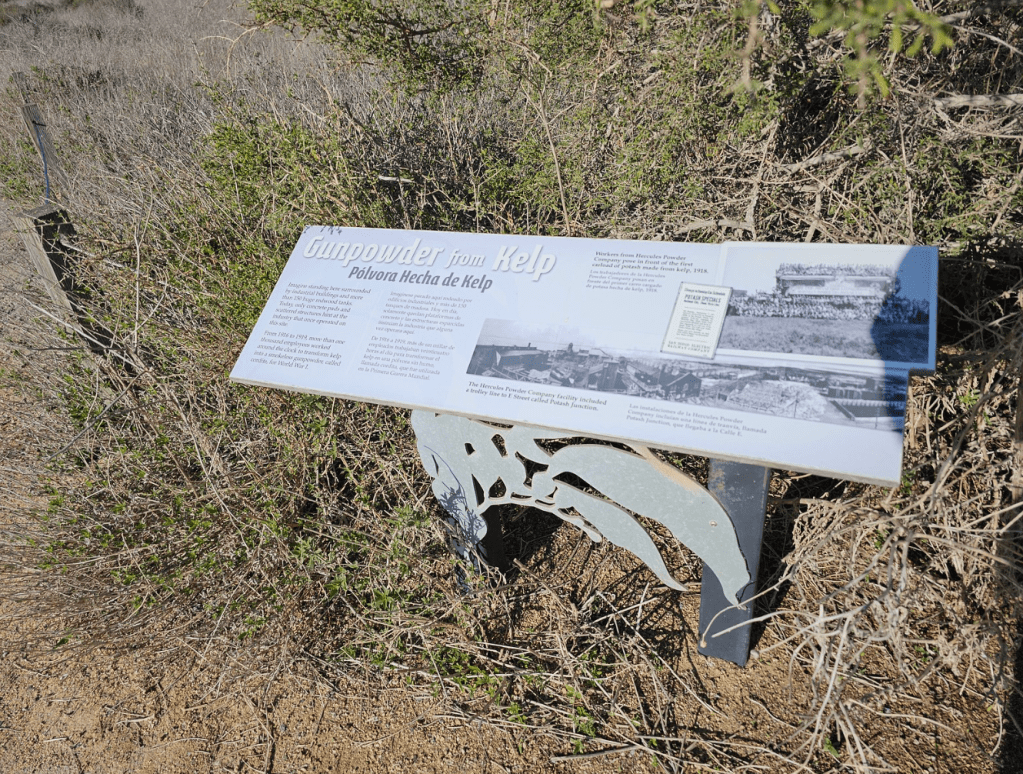
Living in San Diego, we’re lucky to be surrounded by pockets of natural beauty. But nestled right here, offering a vital sanctuary for wildlife and a tranquil escape for us, is the Sweetwater Marsh National Wildlife Refuge. This isn’t just another patch of green; it’s a dynamic coastal wetland teeming with life and holding significant ecological importance.

The entire San Diego Bay National Wildlife Refuge, which includes other units besides Sweetwater Marsh, totals around 2,620 acres of land and water in and around San Diego Bay. So, while the broader refuge is larger, the specific Sweetwater Marsh unit you might be exploring is about 316 acres in size.

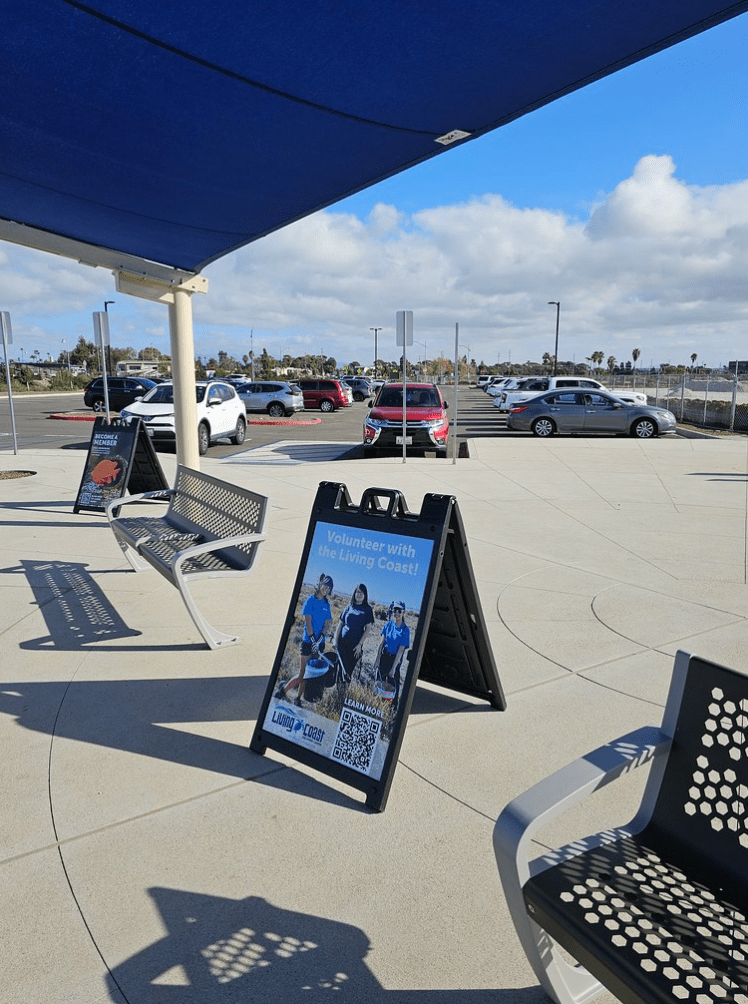
In order to access the trails located within the Sweetwater March you must park your vehicle at the parking lot located outside the refuge at 1000 Gunpowder Point Drive, Chula Vista, CA 91910, then take a free shuttle bus provided by the Living Coast Discovery Center. The Discovery Center and the Refuge are open Wednesday through Sunday 10am-5pm.  Check the Living Coast Discovery Center website for most up-to-date information. There is no fee to walk the 1.5 miles of trails, however there is a fee to explore the Living Coast Discovery Center

More Than Just Mudflats:

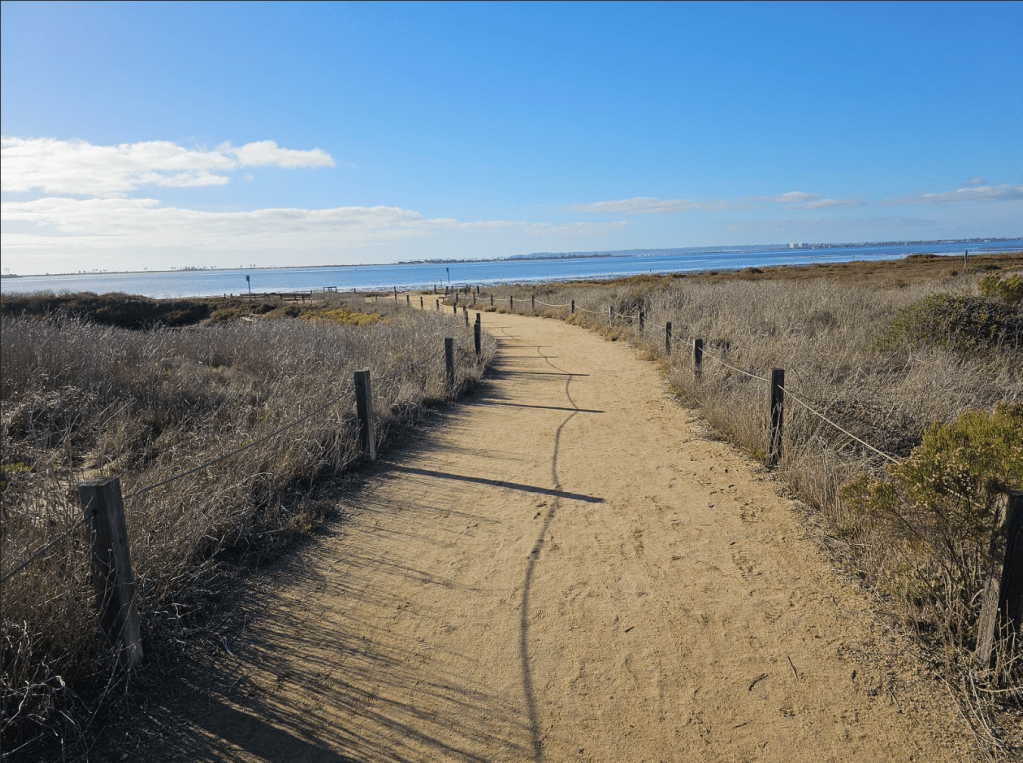
For those unfamiliar, a salt marsh might just seem like muddy ground. But look closer, and you’ll discover a vibrant and crucial habitat. The Sweetwater Marsh is one of the few remaining significant salt marshes in Southern California, acting as a natural filter for our waters, a buffer against coastal erosion, and a vital nursery for countless fish and invertebrates.

A Haven for Feathered Friends (and More!):

If you’re a bird enthusiast, prepare to be delighted. Situated along the Pacific Flyway, the refuge is a critical stopover and home for a stunning array of migratory and resident birds. Keep your eyes peeled for elegant avocets and stilts gracefully wading through the shallows, various sandpipers and willets scurrying along the mudflats, and majestic herons and egrets patiently stalking their prey.

But the Sweetwater Marsh is particularly significant for the California least tern and the light-footed Ridgway’s rail(formerly California clapper rail) – both federally endangered species. The refuge provides crucial nesting and foraging grounds for these vulnerable birds, and dedicated conservation efforts are underway to ensure their survival. Witnessing these rare species in their natural habitat is a truly special experience.

Your Invitation to Explore:

The Sweetwater Marsh National Wildlife Refuge isn’t just for the birds; it’s for us too! Several easy-to-moderate trails meander through the marsh, offering fantastic opportunities for:

  • Birdwatching: Bring your binoculars and prepare to be amazed by the diversity of avian life.
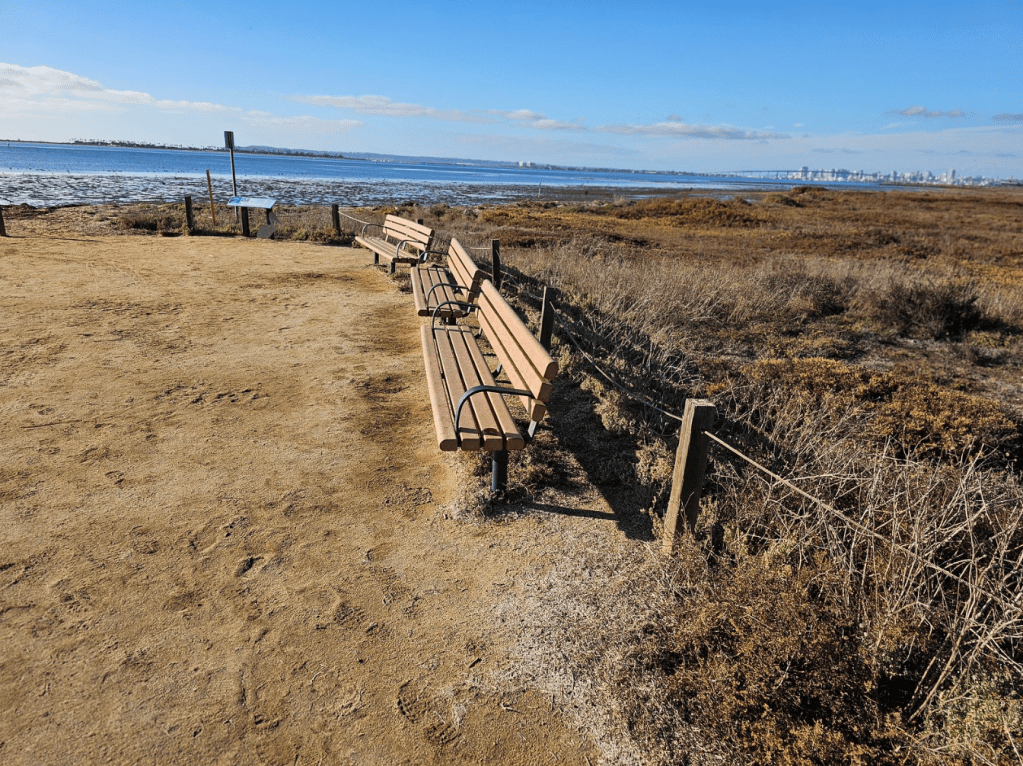
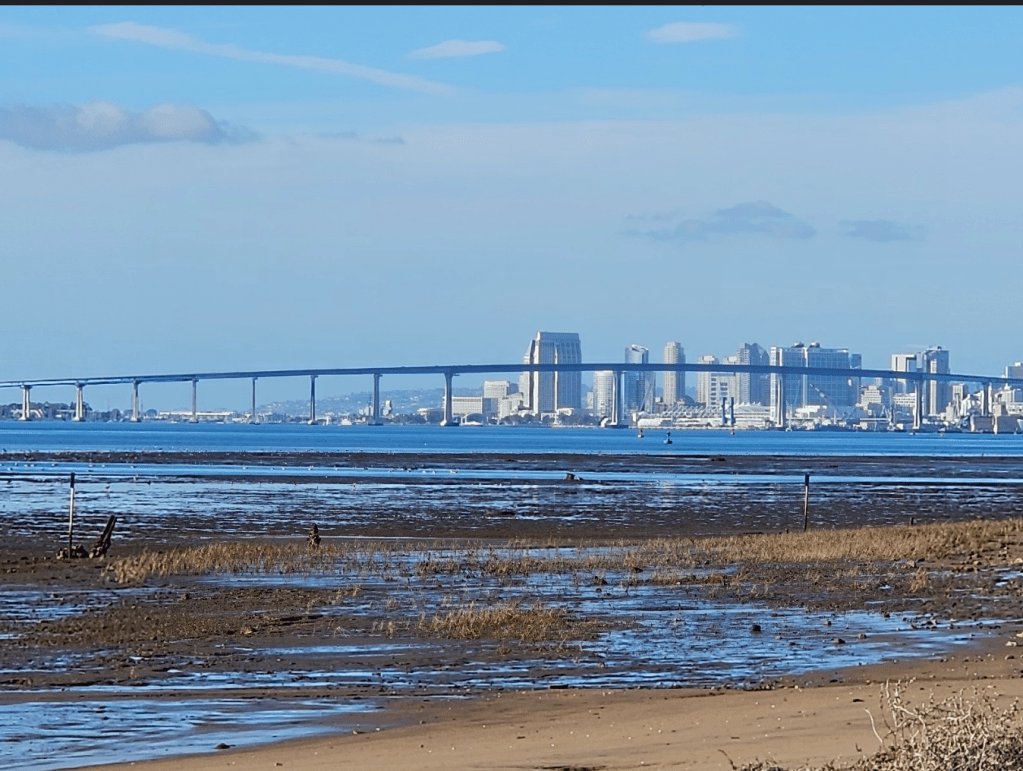
  • Walking and Hiking: Enjoy a peaceful stroll amidst the natural beauty, taking in the fresh air and scenic views of the bay and surrounding landscape.
  • Photography: Capture the stunning scenery and the fascinating wildlife that calls this refuge home.
  • Learning and Discovery: The nearby Living Coast Discovery Center acts as an excellent gateway to understanding the ecology of the marsh and the importance of conservation. You can often spot the same species in the wild after learning about them at the center!

A Call to Respect and Protect:

As we enjoy the beauty and tranquility of the Sweetwater Marsh, it’s crucial to remember that it’s a protected area. Let’s all do our part by:

  • Staying on marked trails: To protect the delicate marsh environment.
  • Observing wildlife from a distance: Giving them the space they need.
  • Leaving no trace: Packing out everything we bring in.
  • Respecting all rules and regulations: Ensuring the long-term health of this vital ecosystem.

So, the next time you’re looking for a breath of fresh air and a chance to connect with nature right here in Chula Vista, head over to the Sweetwater Marsh National Wildlife Refuge. It’s a reminder of the incredible biodiversity that exists right in our backyard and a place where we can all appreciate the beauty and importance of our coastal wetlands.

Discovering the Living Coast Discovery Center: Where Nature Meets Education

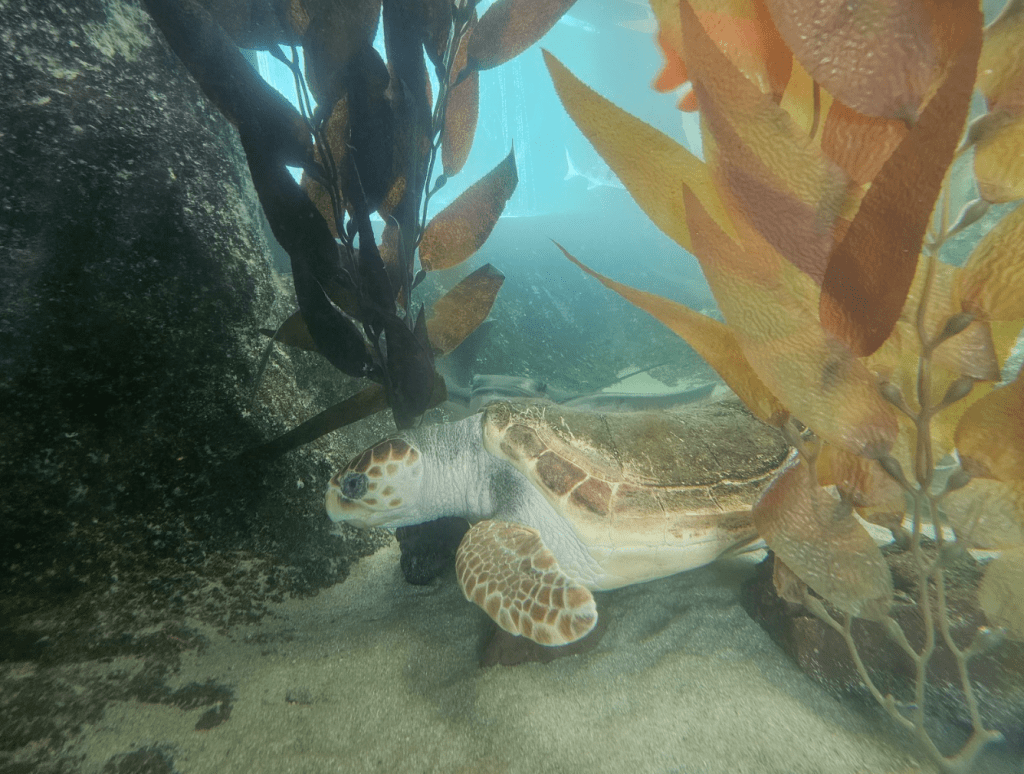
Just south of downtown San Diego, where the city gives way to wetlands and salt marshes, there’s a place where you can get eye-to-eye with a sea turtle, watch raptors take flight, and walk through native coastal habitats—all in a single afternoon. The Living Coast Discovery Center in Chula Vista isn’t your typical zoo or aquarium. It’s a hands-on, outdoor classroom for all ages, wrapped in the sights, sounds, and scents of the San Diego Bay.

More Than a Wildlife Center

Originally founded in 1987 as the Chula Vista Nature Interpretive Center, the Living Coast has evolved into a nonprofit organization that blends conservation, education, and wildlife rehabilitation. Each exhibit and trail is designed to highlight the unique ecosystems of Southern California—from salt marshes and mudflats to coastal sage scrub and open ocean.

But the Living Coast is more than just a place to look at animals—it’s a place to learn how to care for them and the environment they depend on.

What You’ll See

  • Green Sea Turtles floating gracefully in Turtle Lagoon, a favorite stop for kids and adults alike.
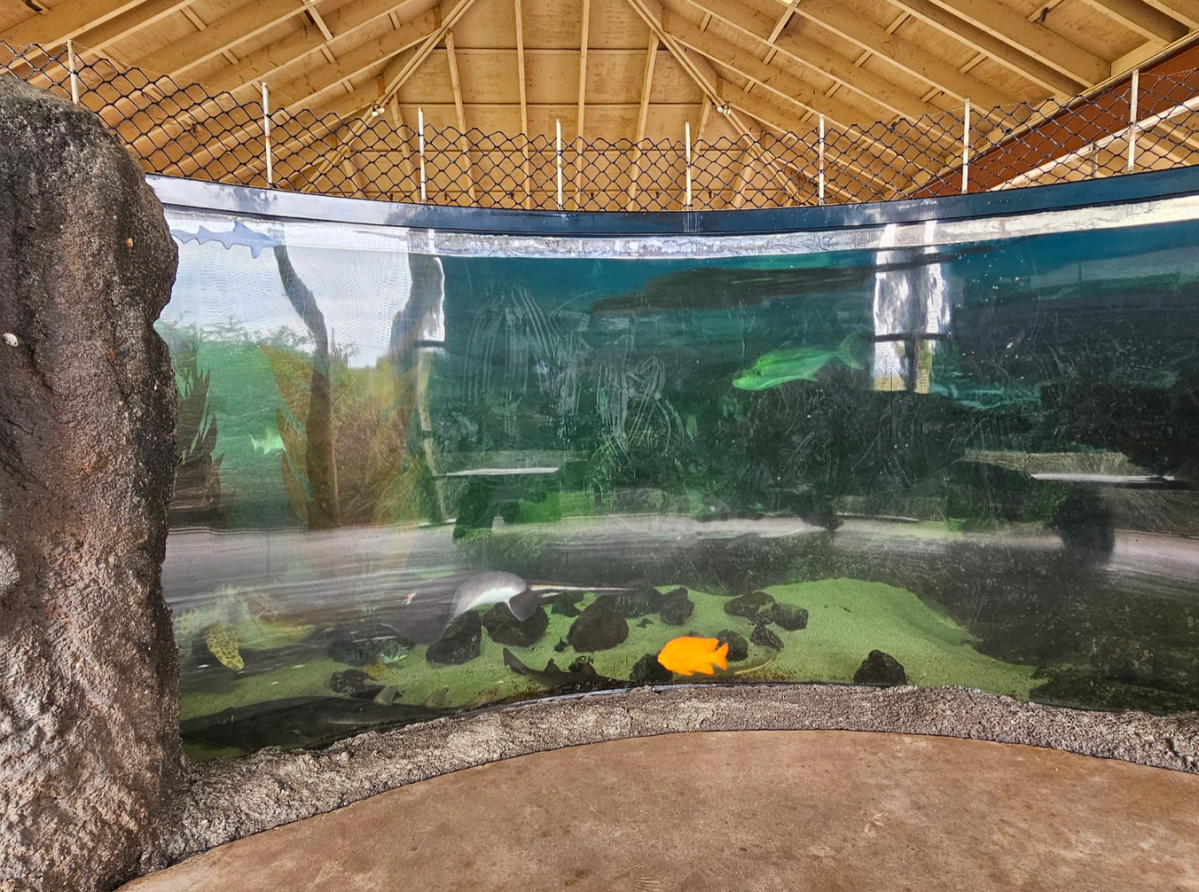
  • Leopard sharks and bat rays at the Shark & Ray Experience, where you can even touch some of the animals in the interactive pool.
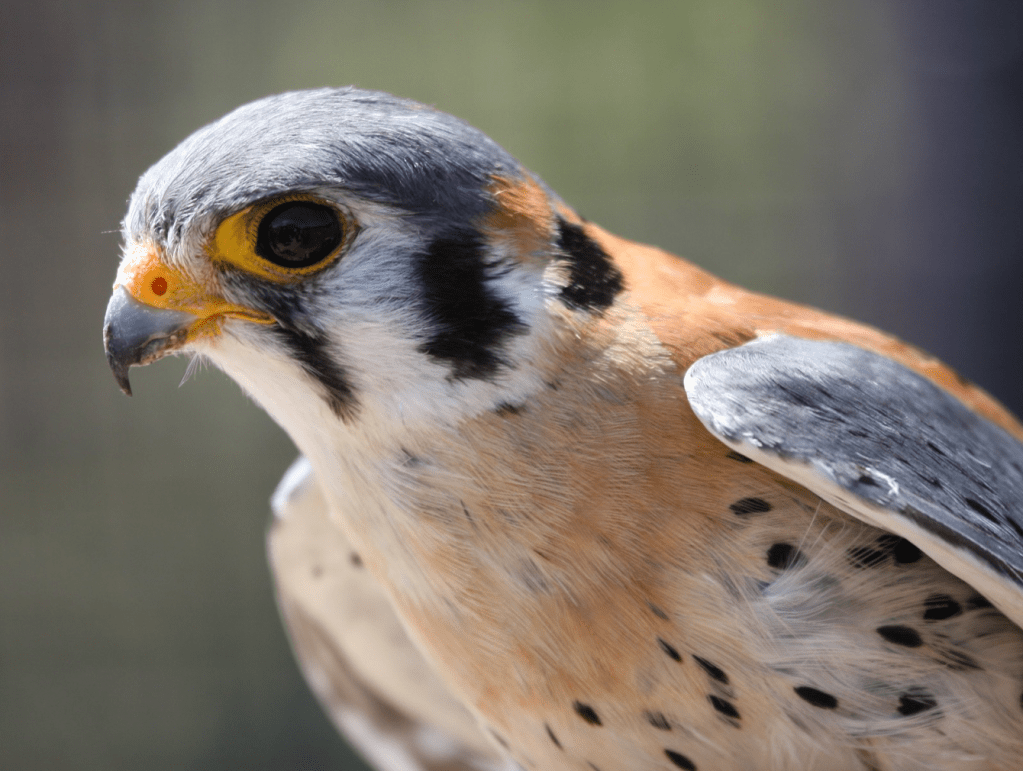
  • Birds of prey like bald eagles, owls, and hawks along Raptor Row, all non-releasable rescues living out their lives in sanctuary.
  • Aviaries and nature trails that bring you face-to-face with local bird species and panoramic bay views.
  • Aquatic exhibits showcasing jellyfish, seahorses, octopuses, and other marine life found just off the California coast.

Everything is designed to be close, accessible, and immersive—no crowds or long walks between exhibits, just a focused, meaningful experience.

Ideal for Families, Students, and Nature Lovers

One of the Center’s biggest impacts happens behind the scenes. With over 15,000 schoolchildren visiting each year, the Living Coast is a hub for environmental science education. Interactive programs, field trips, and conservation workshops give young visitors a hands-on way to explore biology, ecology, and sustainability.

Know Before You Go

  • Location: Sweetwater Marsh, part of the San Diego National Wildlife Refuge
  • Access: The parking lot is off Bay Boulevard; a free shuttle takes visitors into the refuge
  • Hours & Tickets: Check www.thelivingcoast.org for current hours, admission prices, and seasonal events
  • Best Time to Visit: Mornings are ideal—cooler temperatures and active animals

A Local Gem Worth the Detour

The Living Coast Discovery Center is the kind of place that stays with you. Whether you’re snapping a photo of a burrowing owl or quietly watching a ray glide by, it’s a reminder that incredible wildlife doesn’t just live in remote places—it thrives right here in our own backyard.