Always subject to change for special events, rentals, or closures.
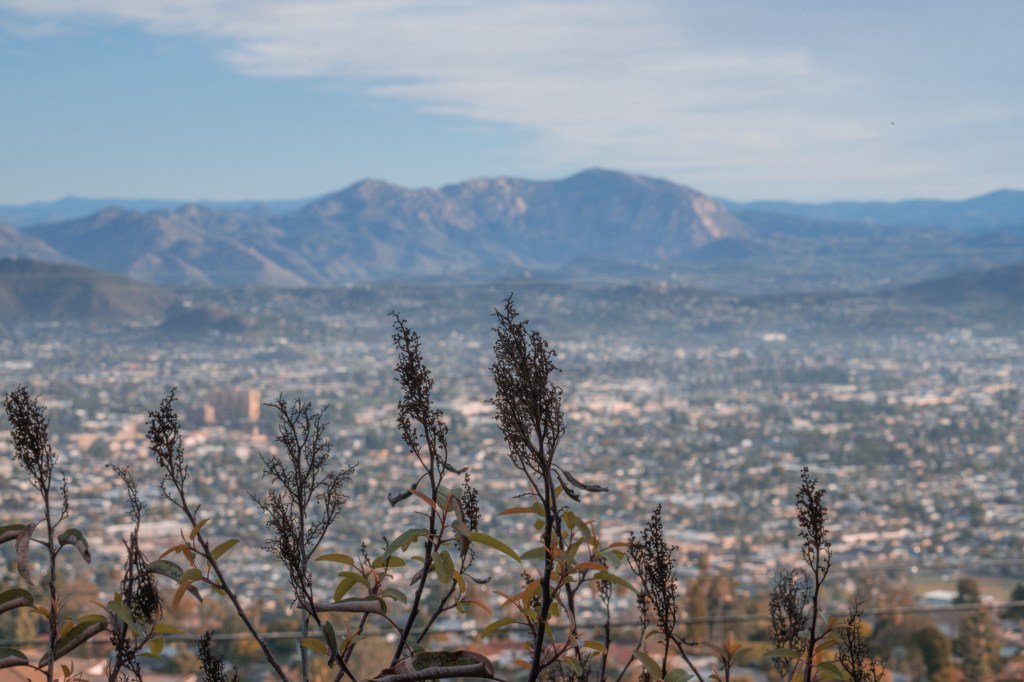
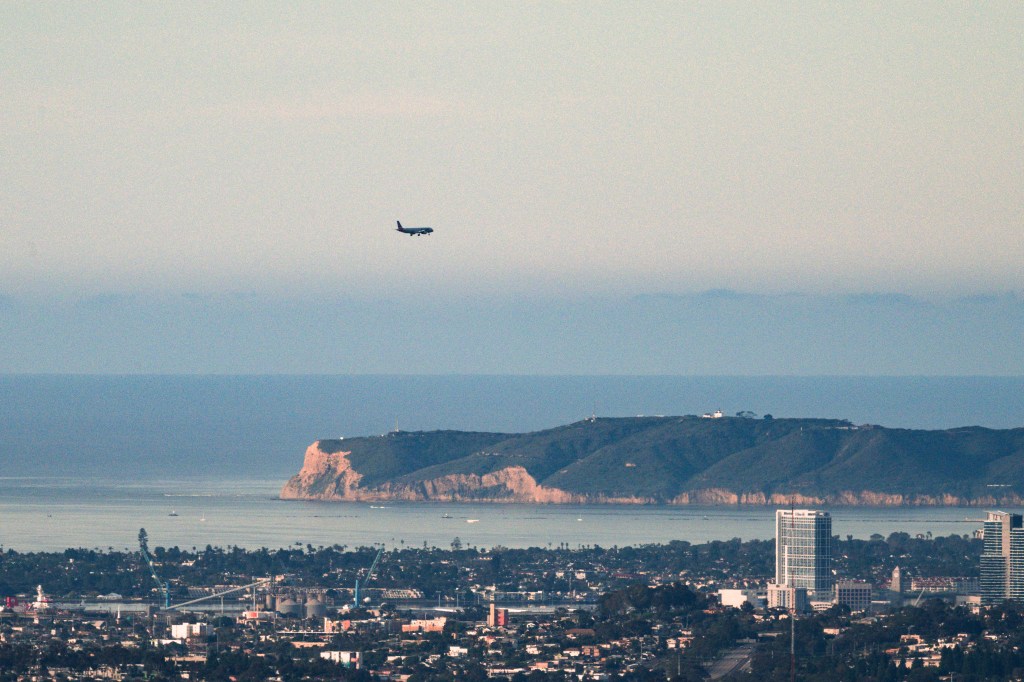
Rising more than 1,300 feet above sea level, Mount Helix Park offers one of the most expansive viewpoints in East County San Diego. Located at the border of La Mesa and Spring Valley, the hilltop park provides panoramic views stretching from downtown San Diego to the Pacific Ocean and east toward the region’s rugged inland terrain.
Mount Helix itself got its name from the helix aspersa snail once found on the hill, a local naturalist curiosity at the time. At the summit sits a stone amphitheater that has served as a community gathering place for decades. The site is best known for its annual Easter sunrise service, along with concerts and civic events held throughout the year. A large cross, visible from miles away, stands near the amphitheater and remains a prominent—if sometimes controversial—feature of the park.
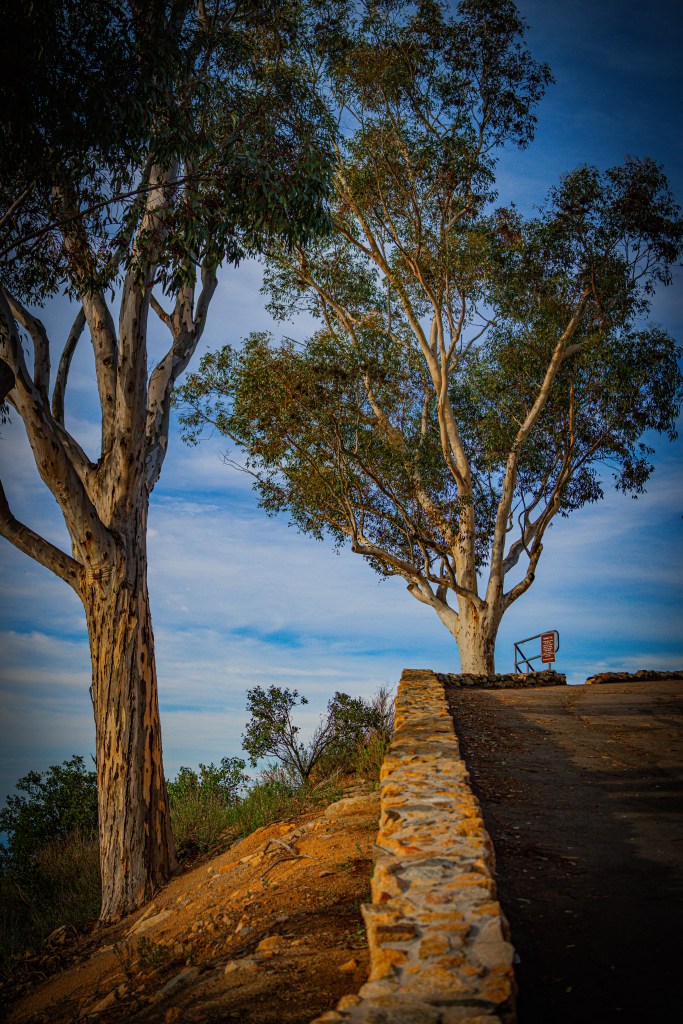
Mount Helix Park is easily accessible by car, with a short paved walkway leading from the parking area to the top. While the park does not offer extensive hiking trails, its accessibility and unobstructed views make it a popular destination for photographers, sightseers, and locals seeking a quiet overlook.
Clear days offer visibility across much of San Diego County, while sunset brings changing colors and city lights that make the park especially popular in the evening hours. Despite its modest size, Mount Helix Park continues to be one of East County’s most recognizable and frequently visited viewpoints.
The Tijuana River Community Garden, established 2002, has become one of the most active green spaces in the South Bay, offering residents a place to grow food, strengthen community ties, and cultivate a shared connection to the land. The site of the community garden lies in the Tijuana River Valley Regional Park (TRV), a region that historically hosted agricultural operations, including vegetable farms, dairies, and ranches. Over time, many farms in the valley experienced floods, soil disruption, or were abandoned.
The commercial success of large-scale agriculture in the valley was severely curtailed by flooding and, most critically, by the ongoing transboundary pollution issue. Beginning in the mid-20th century and accelerating rapidly due to Tijuana’s population growth and inadequate infrastructure, the Tijuana River became a major conduit for raw sewage, industrial waste, and sediment.
2025 brought renewed urgency around environmental issues in the surrounding valley. The region has been affected by a persistent sewage and pollution crisis — runoff and untreated wastewater from across the border entering the valley, leading to toxic contamination in water, soil, and air. As a result — and citing “health and safety of gardeners, farmers and staff,” and “increased flooding and related challenges in recent years” — Resource Conservation District of Greater San Diego County (RCDGSDC), a non-profit/quasi-governmental organization tasked with environmental conservation projects locally announced it would end its lease and management of the garden in October 2025.
In November 2025, the county selected Olivewood Gardens and Learning Center (OGLC), a nonprofit based in National City, as the garden’s interim operator for up to one year. The appointment of Olivewood Gardens as interim operator provides continuity for now, but long-term viability depends on final negotiations, environmental remediation, and the ability to ensure safe operation.
Tucked along the San Diego River in Ocean Beach, the Robb Field Loop Walkway is a hidden gem for walkers, joggers, and cyclists who want a peaceful route with a touch of coastal charm. This easy, flat loop circles the athletic fields of Robb Field and connects to the scenic San Diego River Trail, offering a refreshing mix of open park space, waterfront views, and breezy ocean air.
A Walk with a View
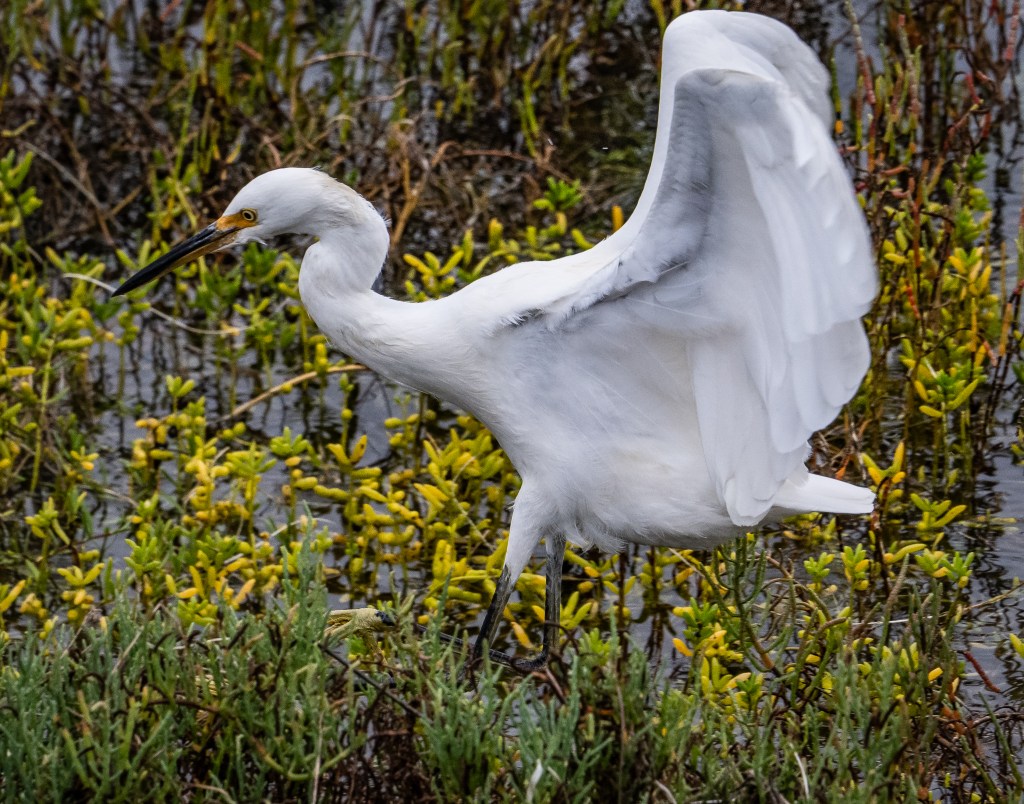
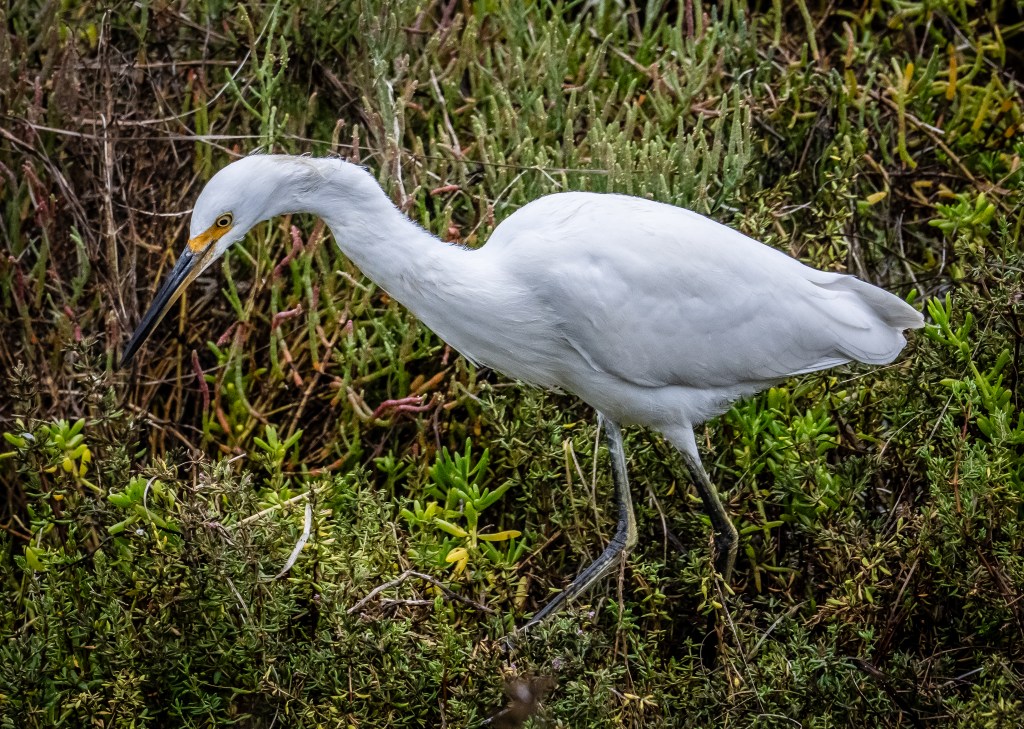
The loop itself is about 1.5 miles, making it the perfect distance for a quick walk, a warm-up jog, or even a leisurely dog stroll. As you circle around, you’ll see wide green lawns filled with soccer players, skateboarders, and families enjoying the day. Look west and the path opens up to the San Diego River estuary, where herons, egrets, and osprey can often be spotted fishing in the calm waters.
Connection to the San Diego River Trail
One of the best parts of the Robb Field Loop is that it connects seamlessly to the San Diego River Trail, a multi-use path stretching inland for miles. If you’re up for a longer adventure, you can head east along the river toward Mission Valley or west toward the Ocean Beach Dog Beach area.
Family & Fitness Friendly
The walkway is paved and flat, making it accessible for strollers, wheelchairs, and bikes. Along the loop you’ll also find exercise stations, benches, and shaded spots—perfect for breaking up your walk with a stretch or water break. Since Robb Field is also home to a skate park, ball fields, and tennis courts, there’s something for everyone to enjoy before or after the walk.
Best Time to Visit
Morning and evening are especially beautiful times to stroll the loop. Early risers will enjoy calm air and bird activity along the estuary, while sunset brings soft colors over the river and the silhouettes of palm trees along the horizon.
A Local Favorite
While many visitors head straight to the beach, locals know Robb Field Loop Walkway as a quieter spot for exercise, birdwatching, or simply enjoying the outdoors. It’s not a strenuous hike, but rather a slice of everyday San Diego life with its mix of nature, recreation, and community.
👉 Tip for photographers: Bring your camera for the golden hour. The estuary, palm trees, and distant Ocean Beach Pier create postcard-worthy shots.
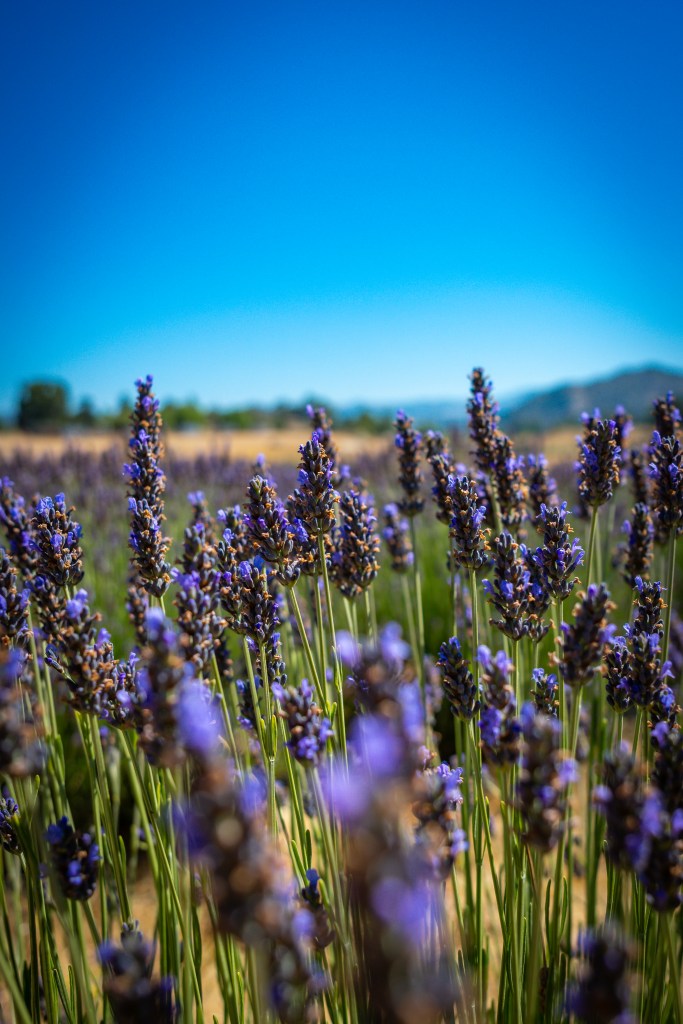
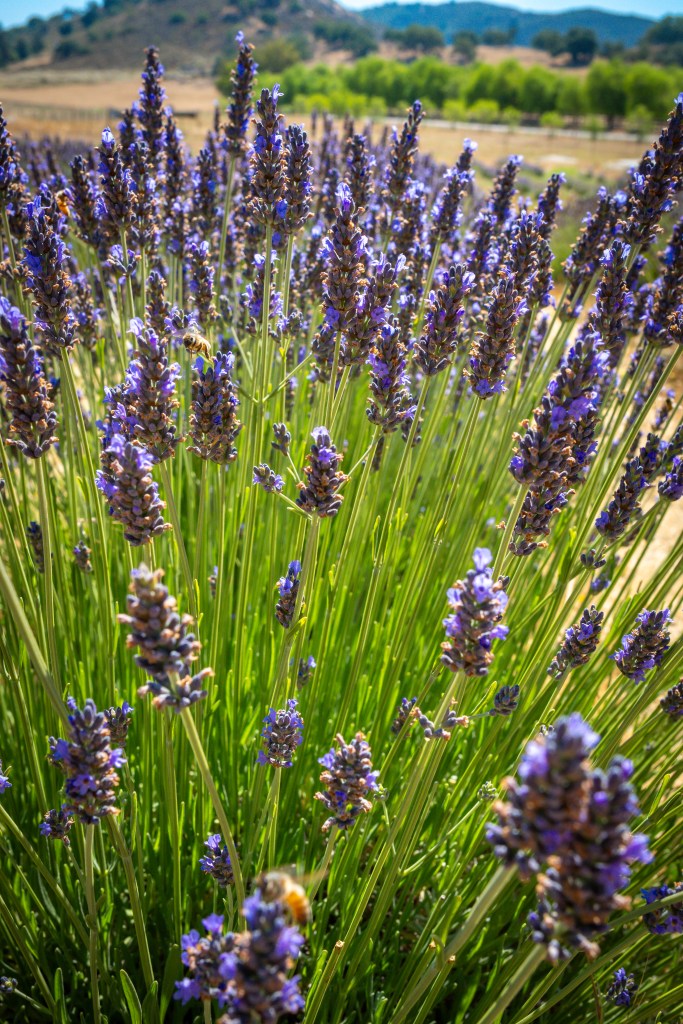
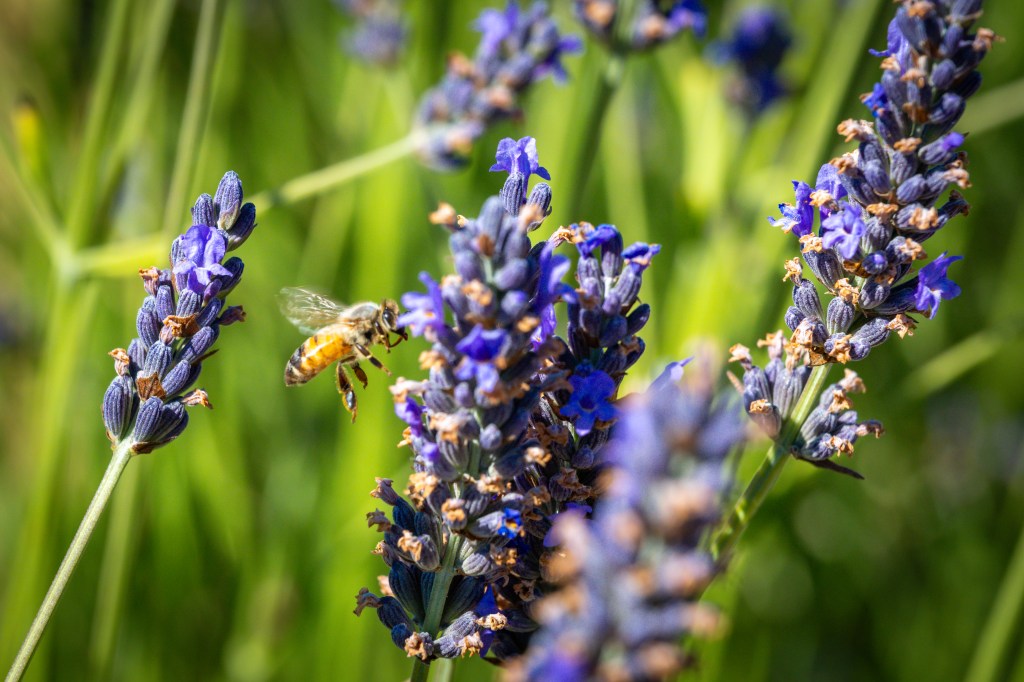
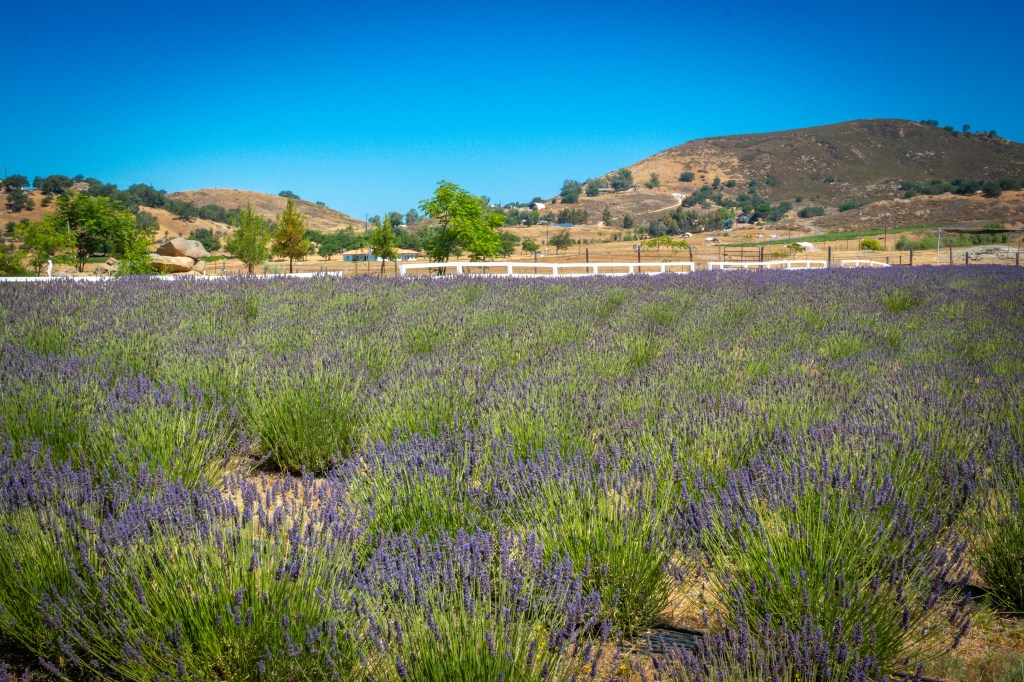
Lavender season typically peaks from late May through early July, when the hillsides come alive with vibrant purple blooms. Farms across Ramona open their gates to visitors for a brief but beautiful window of time, offering U-pick experiences, handmade products, and peaceful strolls through aromatic rows of lavender.
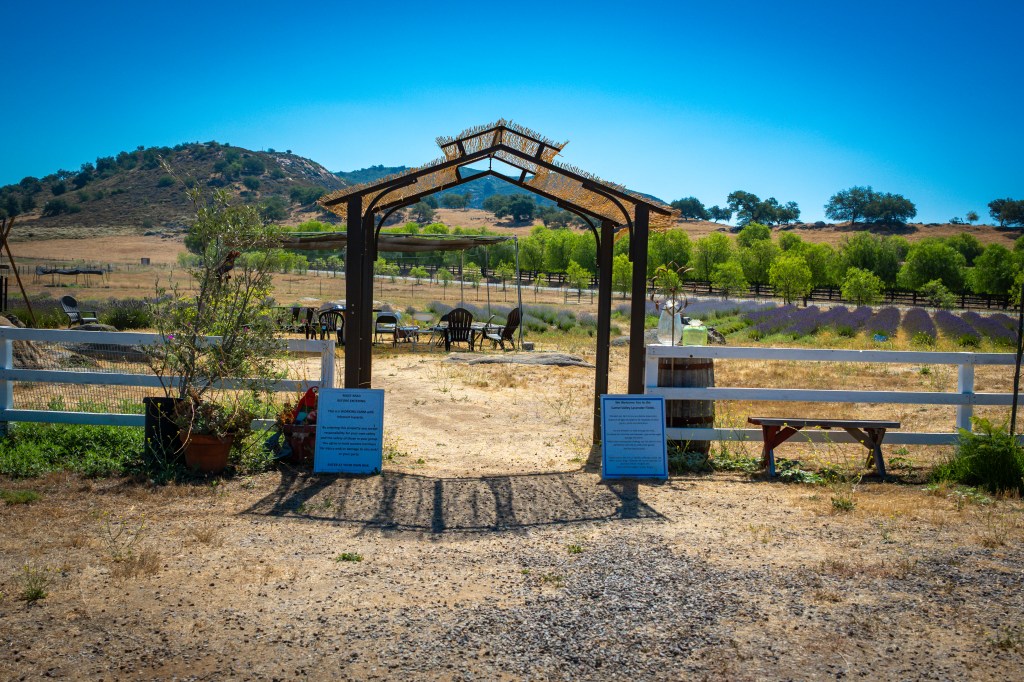
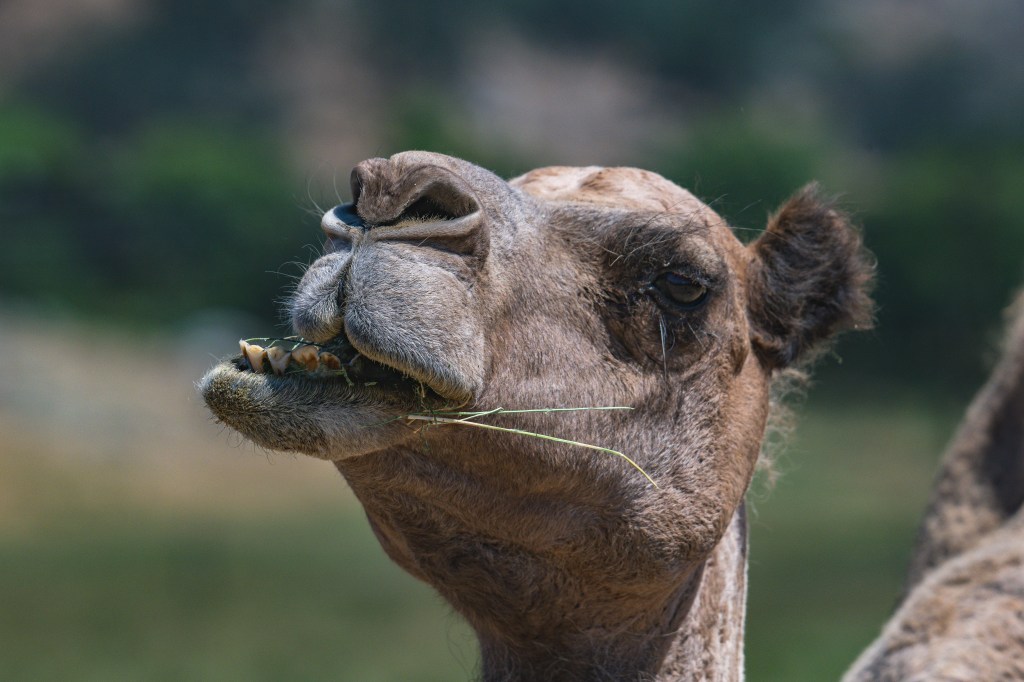
One standout is the newly expanded lavender field at Oasis Camel Dairy, a unique destination where camels roam nearby and the scent of lavender fills the air. Yes—camels and lavender! It’s a pairing you didn’t know you needed.
This is the second year for the Camel Valley Lavender Farm located in Ramona, California. The 2 acre field has over 3000 lavender plants with 5 different varieties of lavender. The Lavender field is open on select Saturdays in June and July.
Access to the lavender field is FREE on Saturday and Sunday’s June 21st through July 27th, 2025. There is gift shop that sells hand crafted lavender products as well as plant seedlings. You can pick your own bundle of lavender for $15 .
The founders of Oasis Camel Dairy Farm purchased 8 acres along the southern edge of the camel grazing pasture and have repurposed 2 acres for growing lavender. Twice a day at 11am and 2pm some of the 21 dromedary camels that live on the Oasis Camel Dairy make their way to the fence line for a snack of hay.
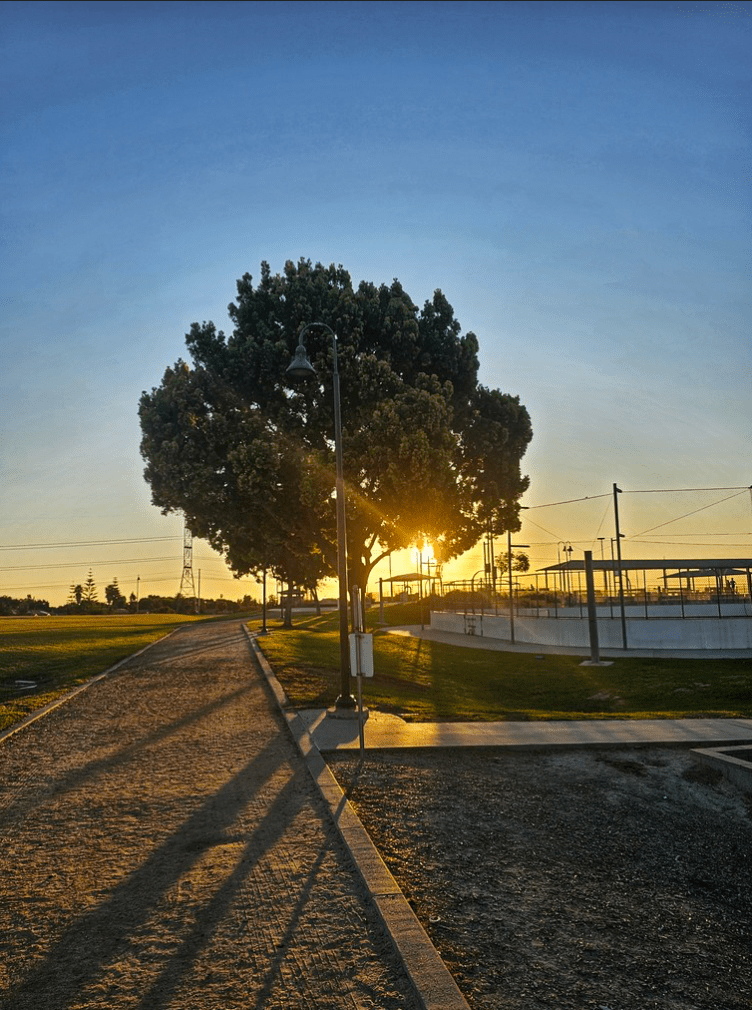
Sunset View Park spans approximately 11.2 acres and features 0.3 mile walking-hiking trail, large grassy areas for playing soccer, frisbee etc. There is a full-court basketball with multiple backboards and a enclosed roller hockey field along with a children’s play area.
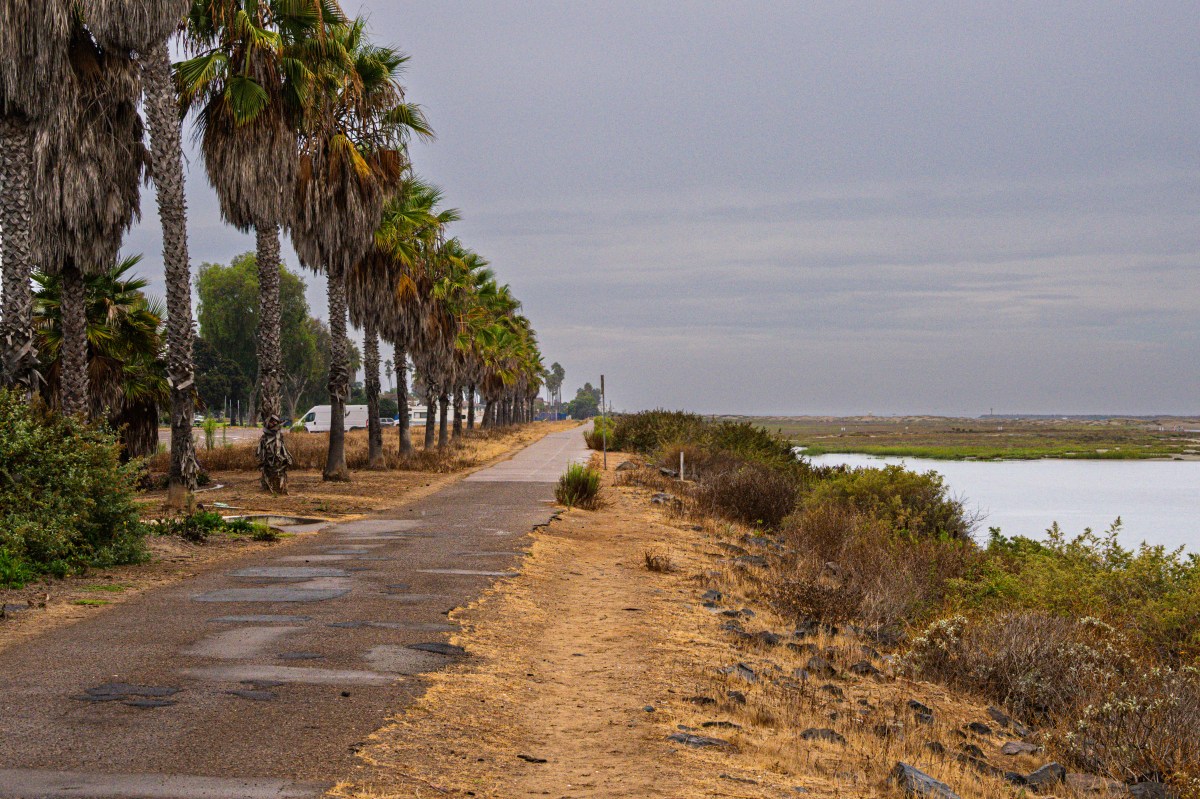
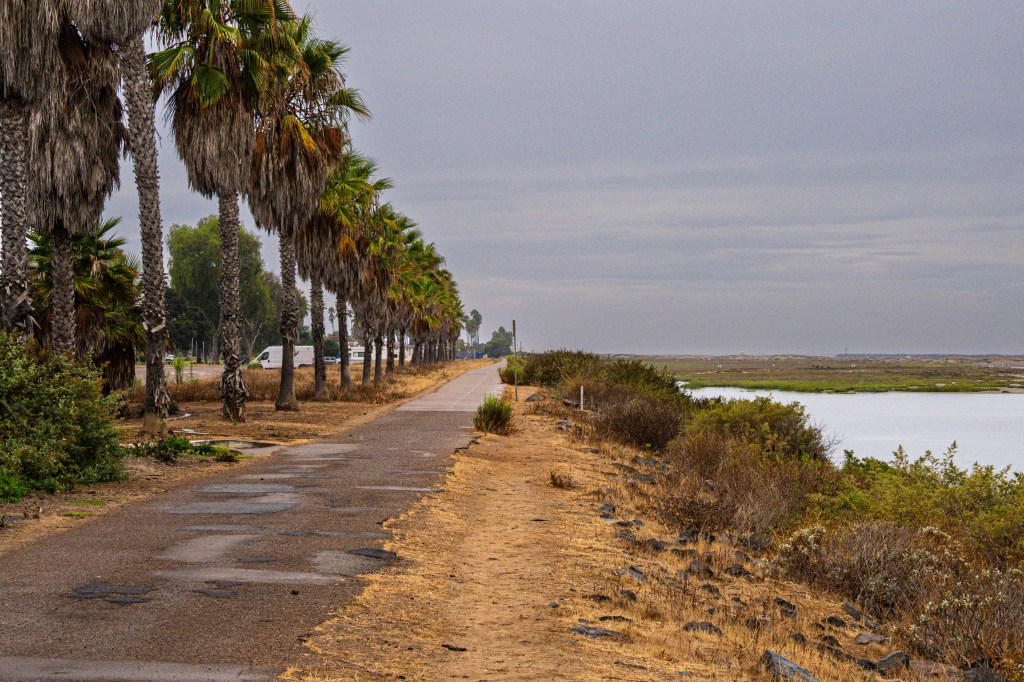
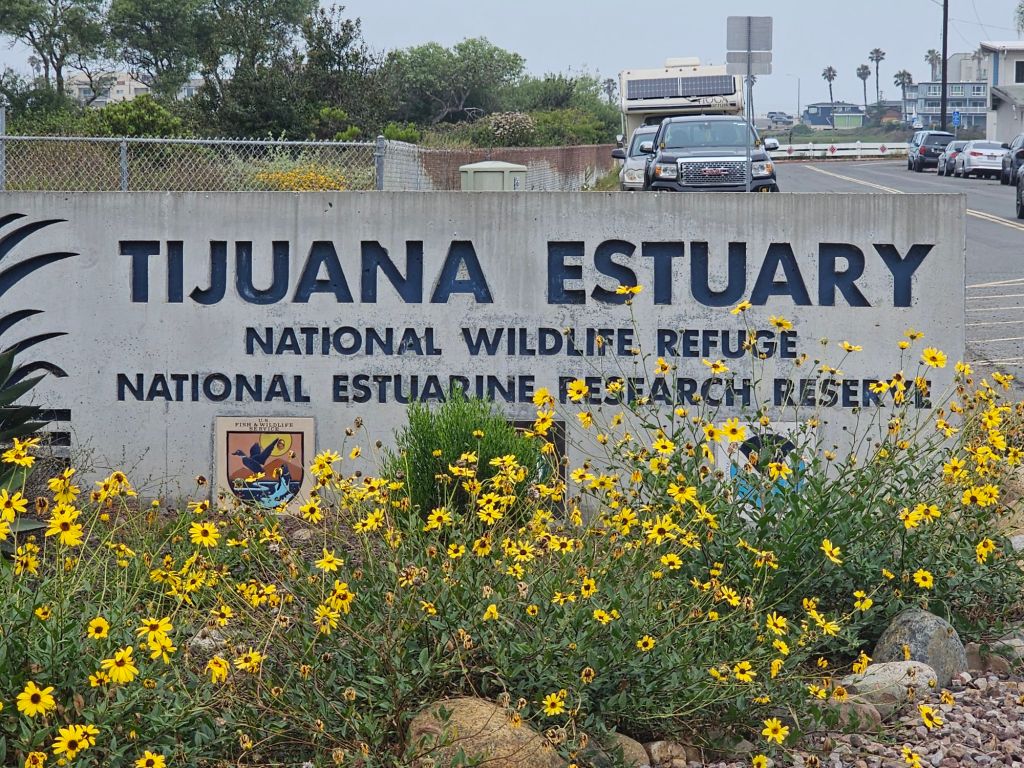
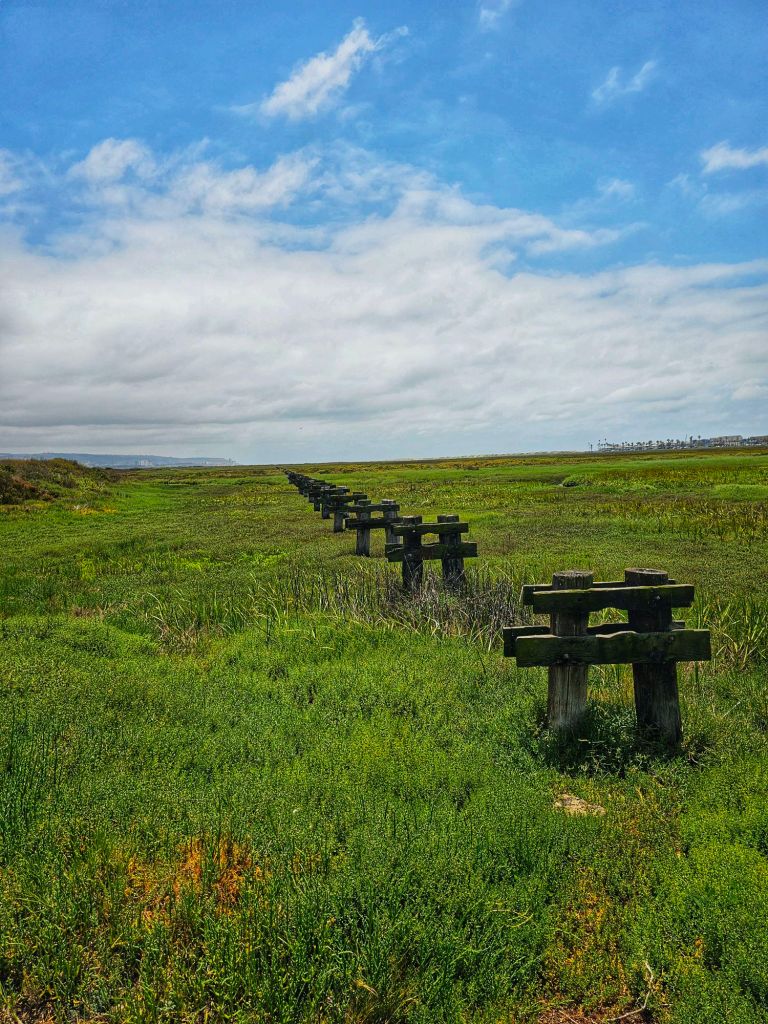
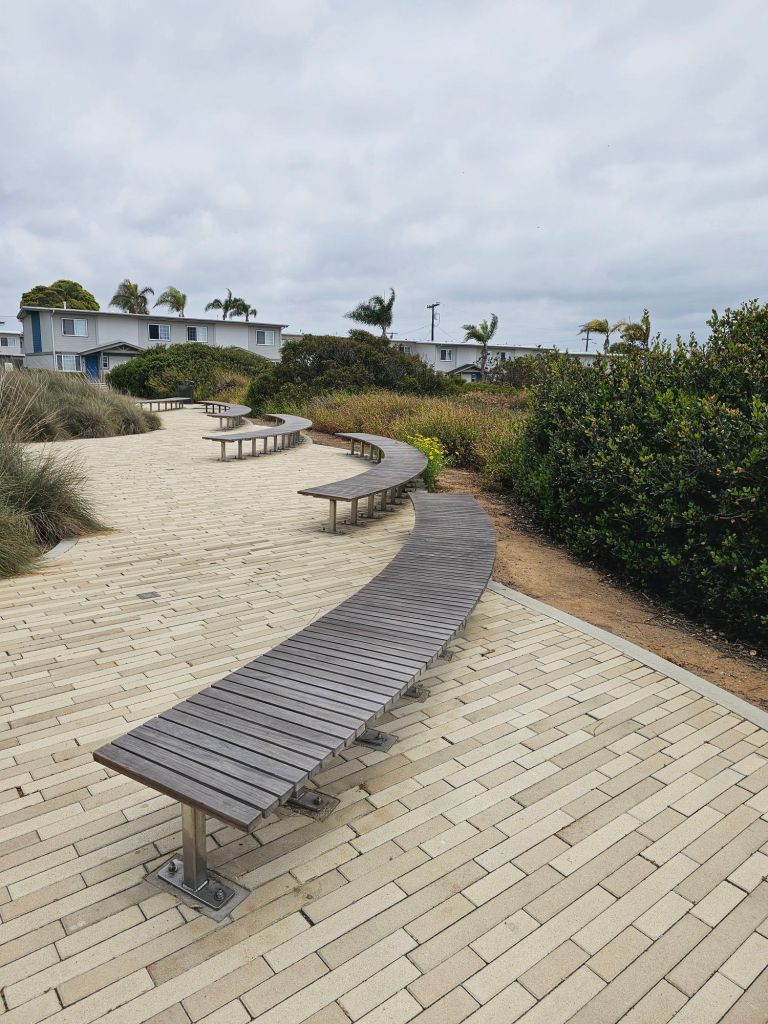
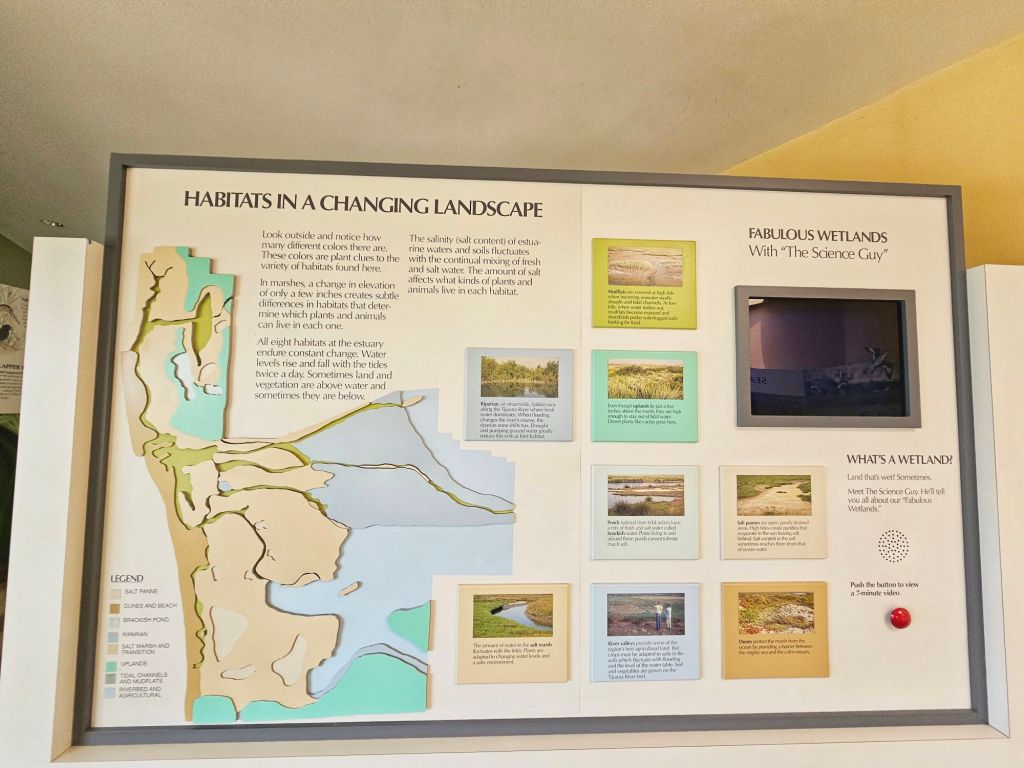
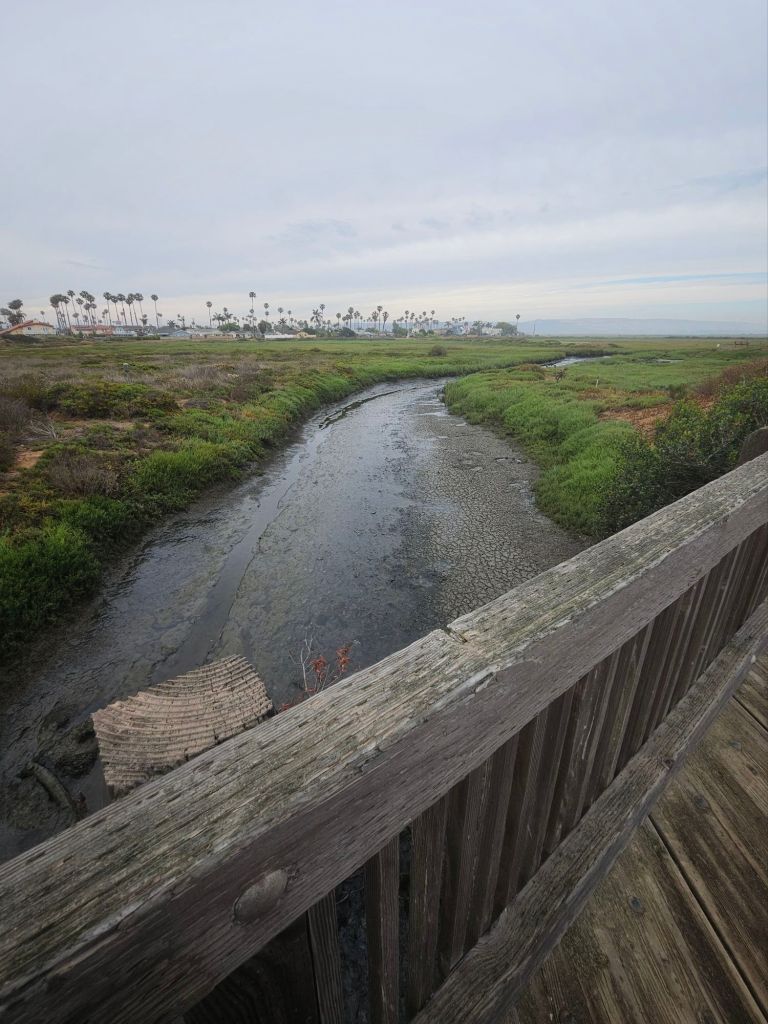
Just a few miles south of San Diego’s bustling downtown lies a hidden gem where saltwater, freshwater, and wildlife converge in a delicate dance of life—the Tijuana River Estuary. Tucked between Imperial Beach and the U.S.-Mexico border, this vast coastal wetland is not only a peaceful escape from the city but also one of Southern California’s most ecologically significant landscapes.
A Living Sanctuary
The estuary is part of the Tijuana River National Estuarine Research Reserve, a protected area spanning over 2,500 acres. It’s one of only 30 estuarine research reserves in the United States, and it plays a vital role in protecting endangered species, filtering water, and buffering the coast from storm surges.
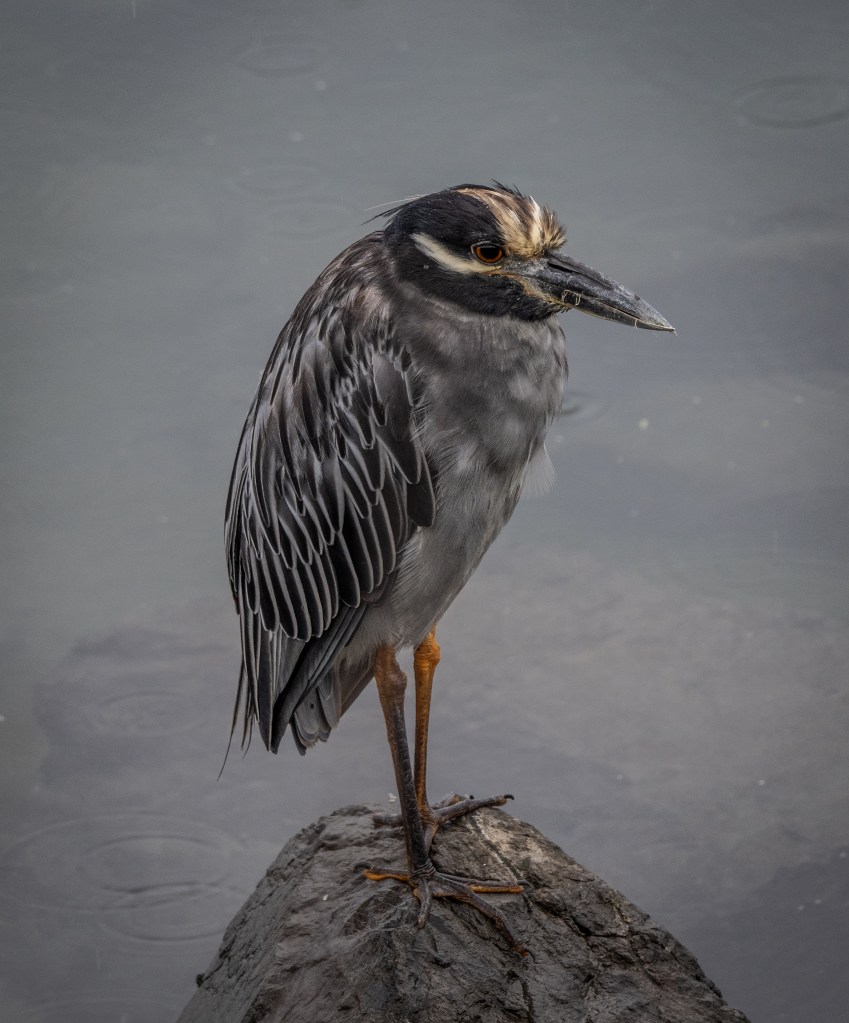
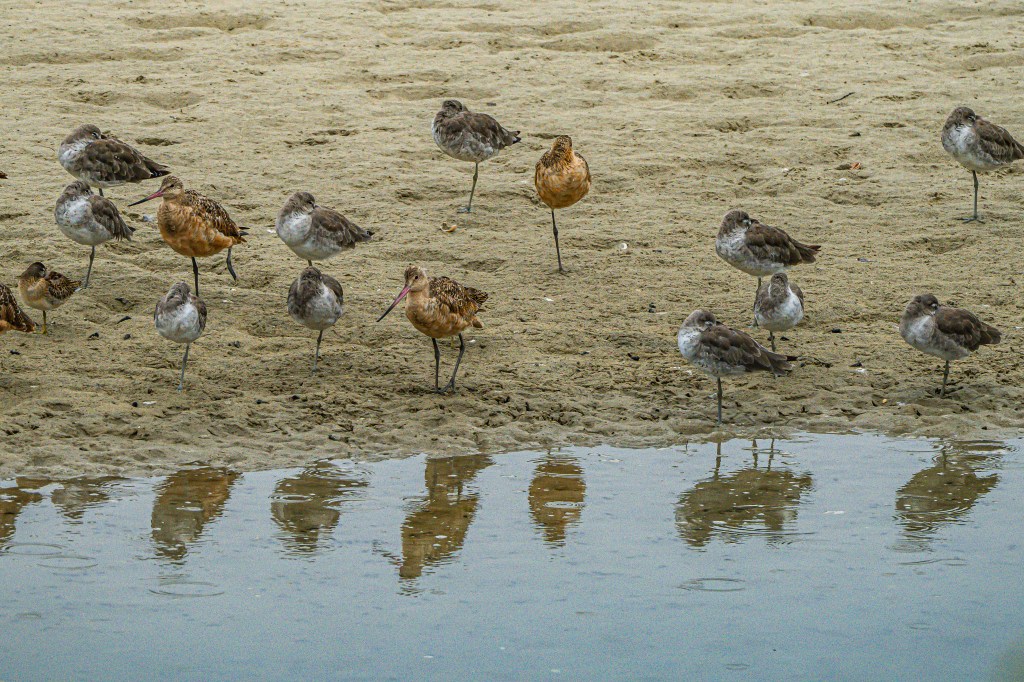
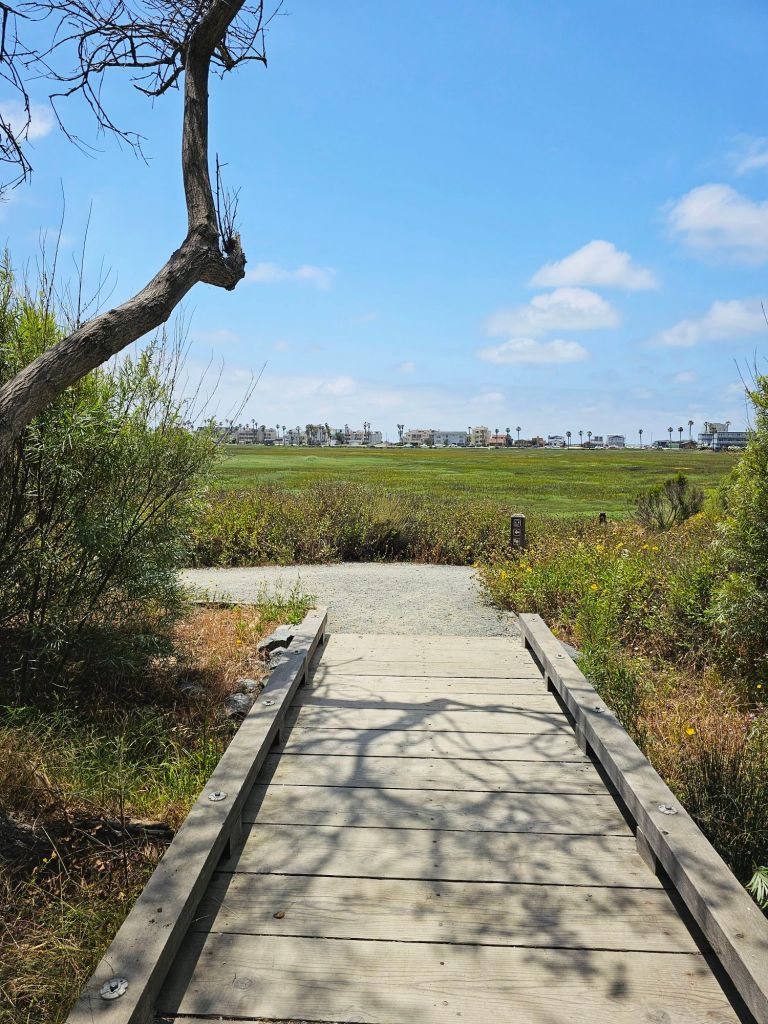
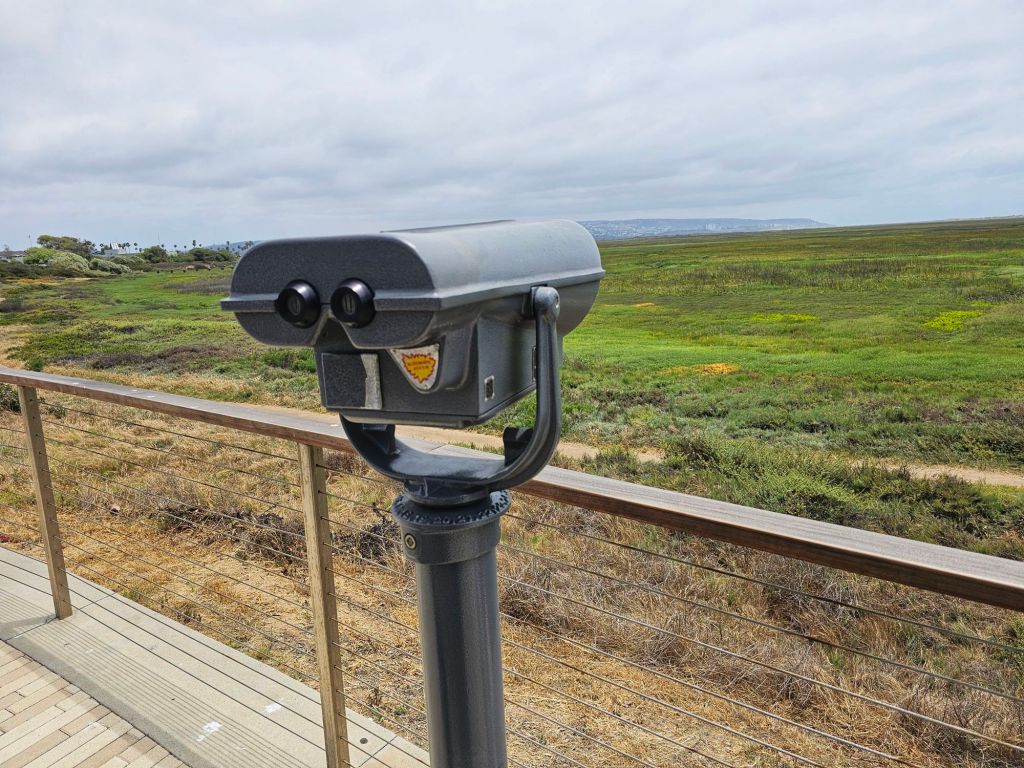
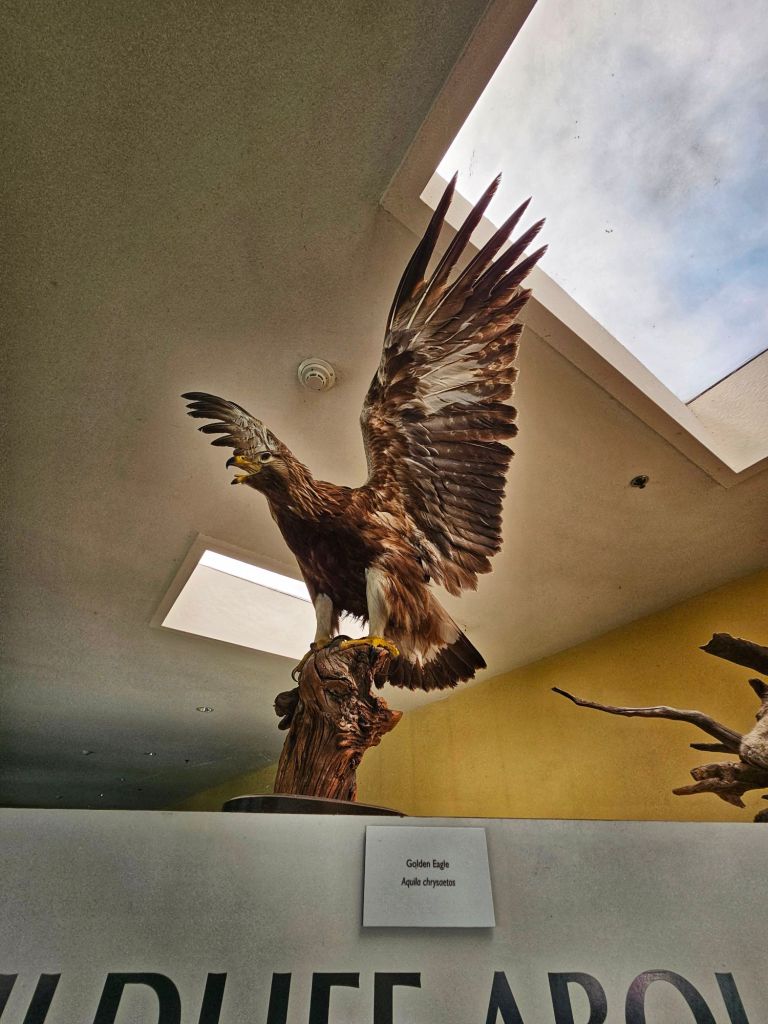
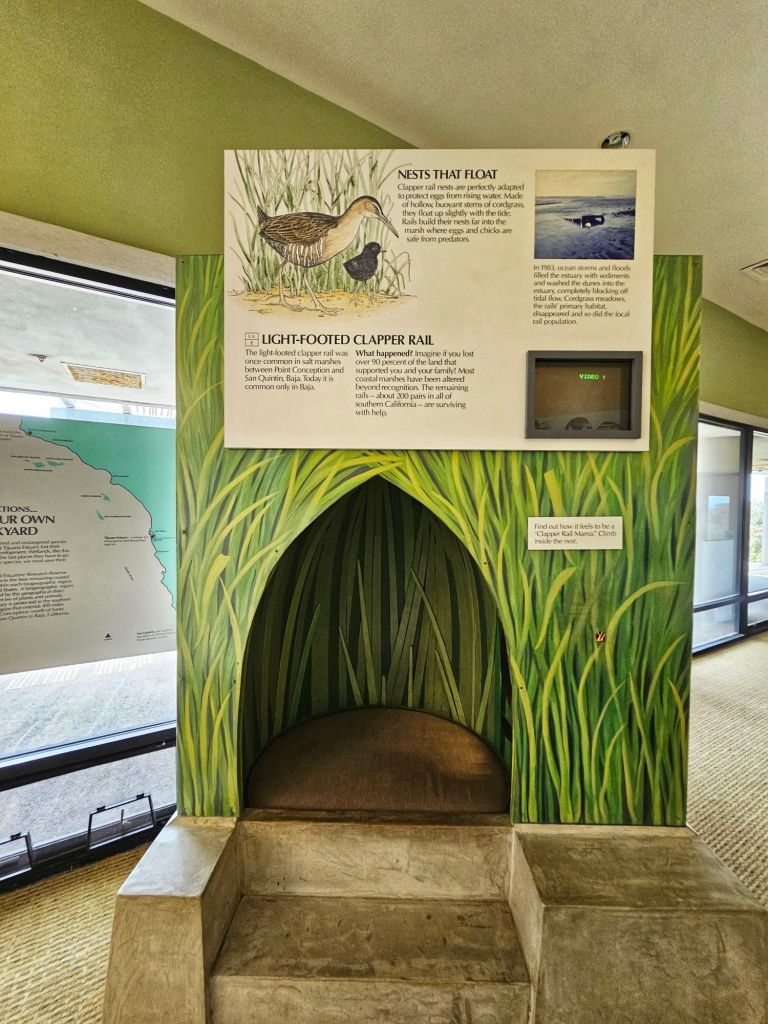
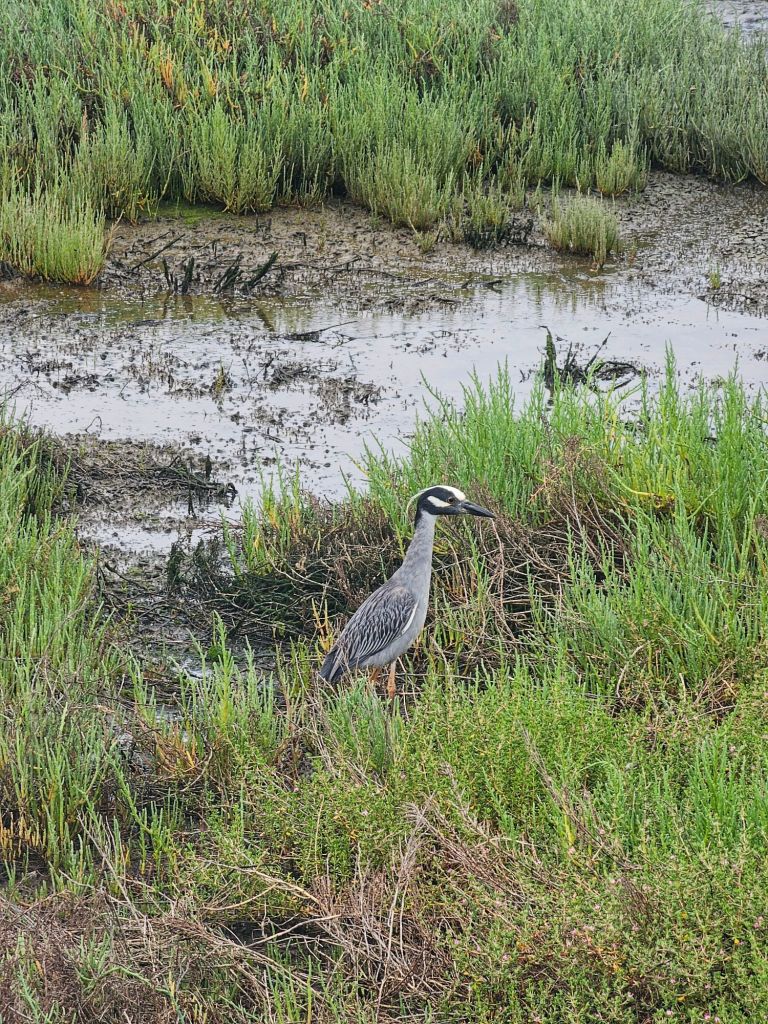
As you walk the trails, you’ll find yourself surrounded by a mosaic of marshes, mudflats, and salt flats—each teeming with life. Located along a massive aviary flyway over 370 species of birds have been recorded here, including the endangered light-footed Ridgway’s rail and least tern. Birdwatchers, bring your binoculars!
Trails, Views, and Tranquility
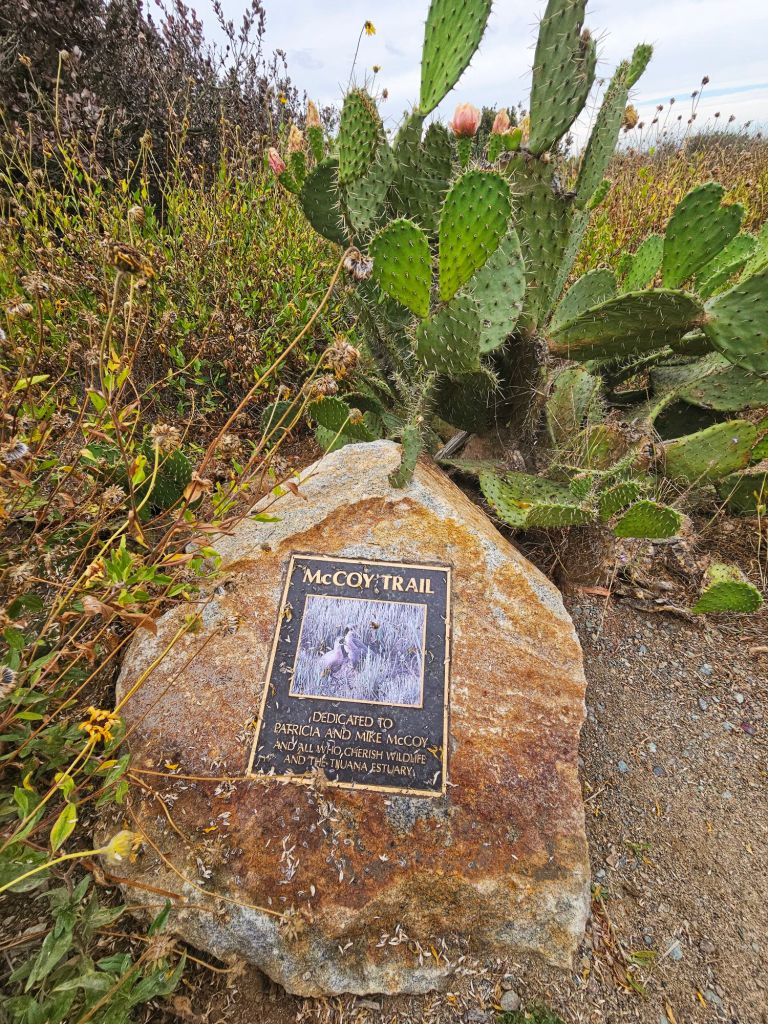
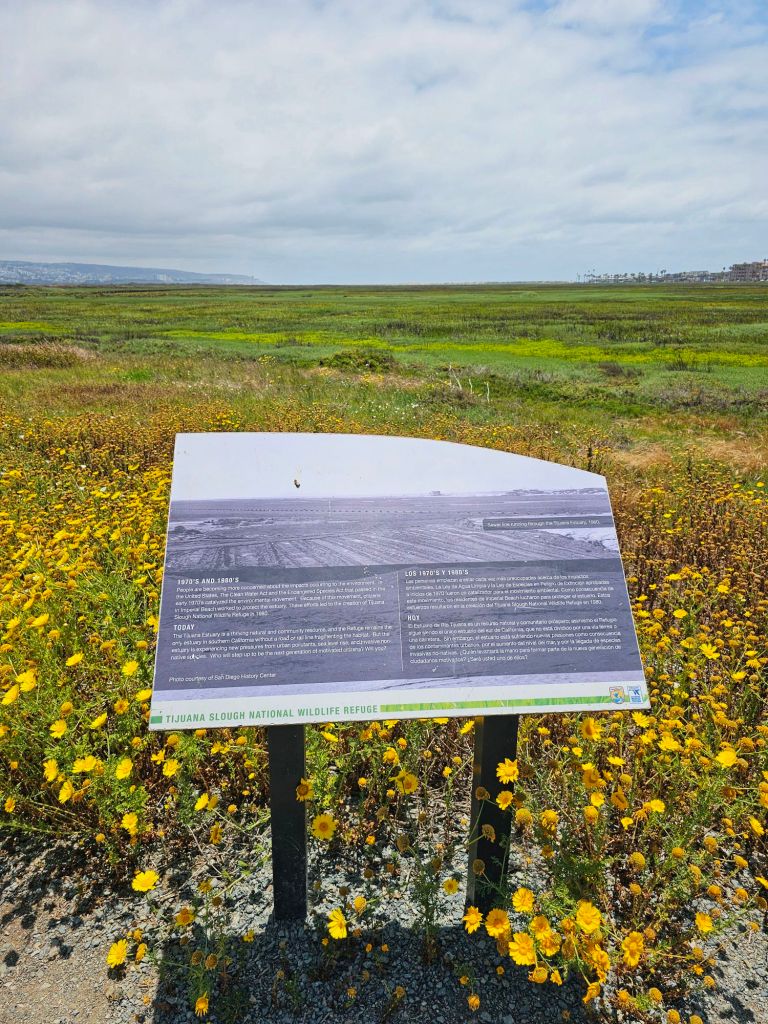
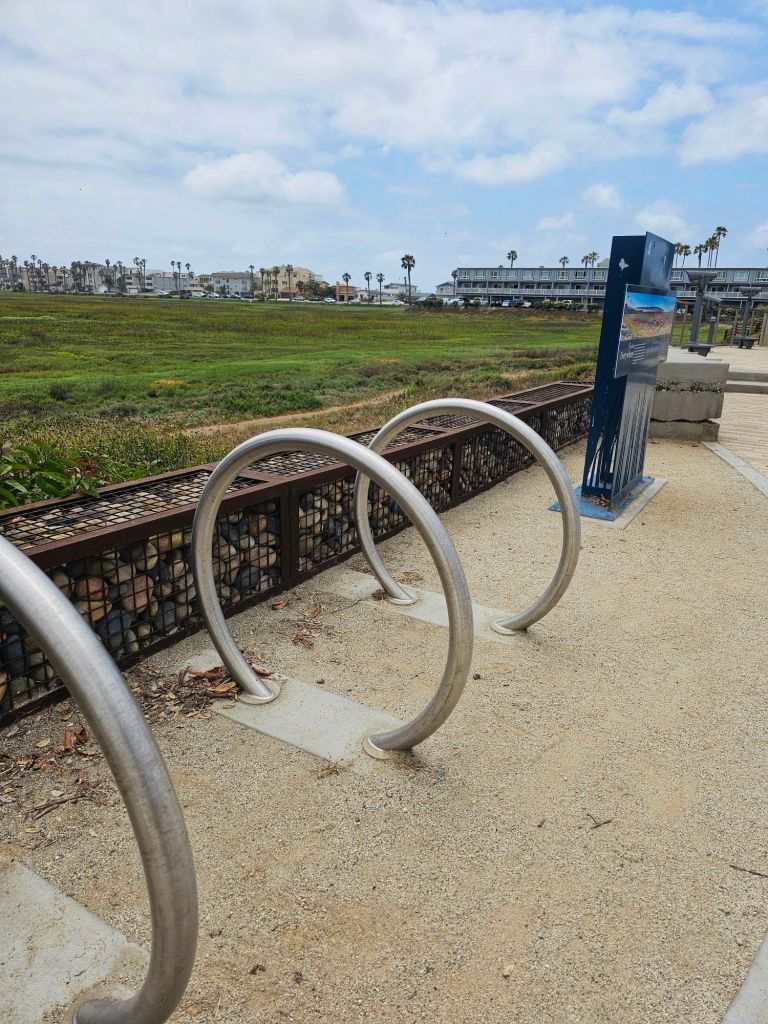
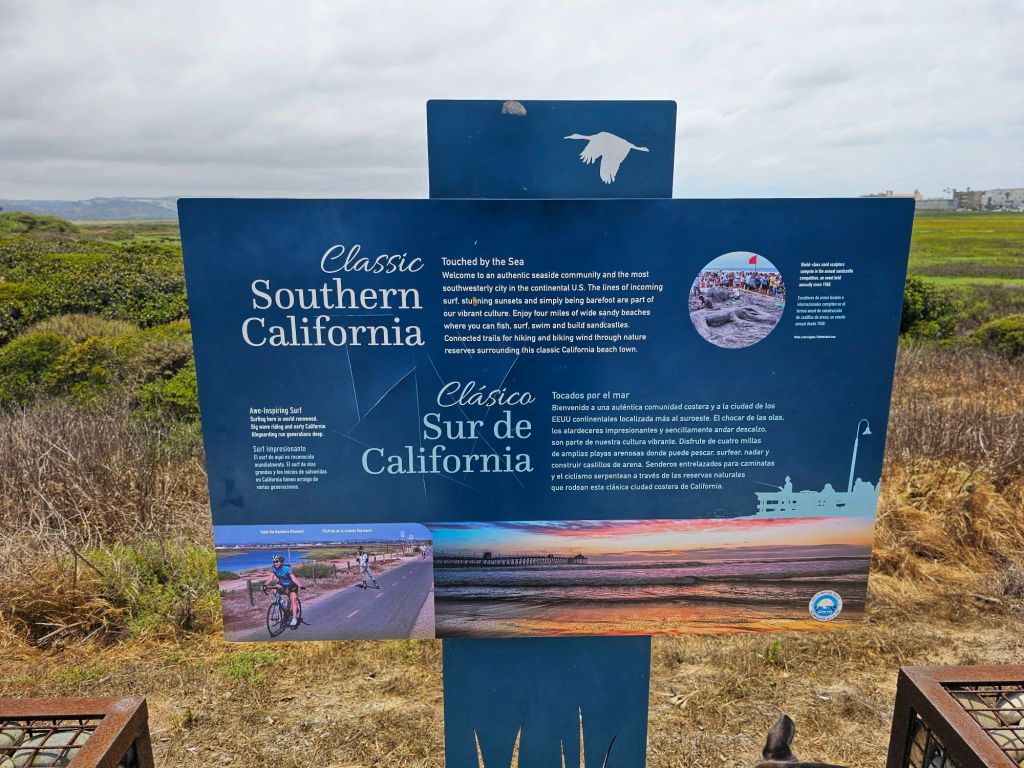
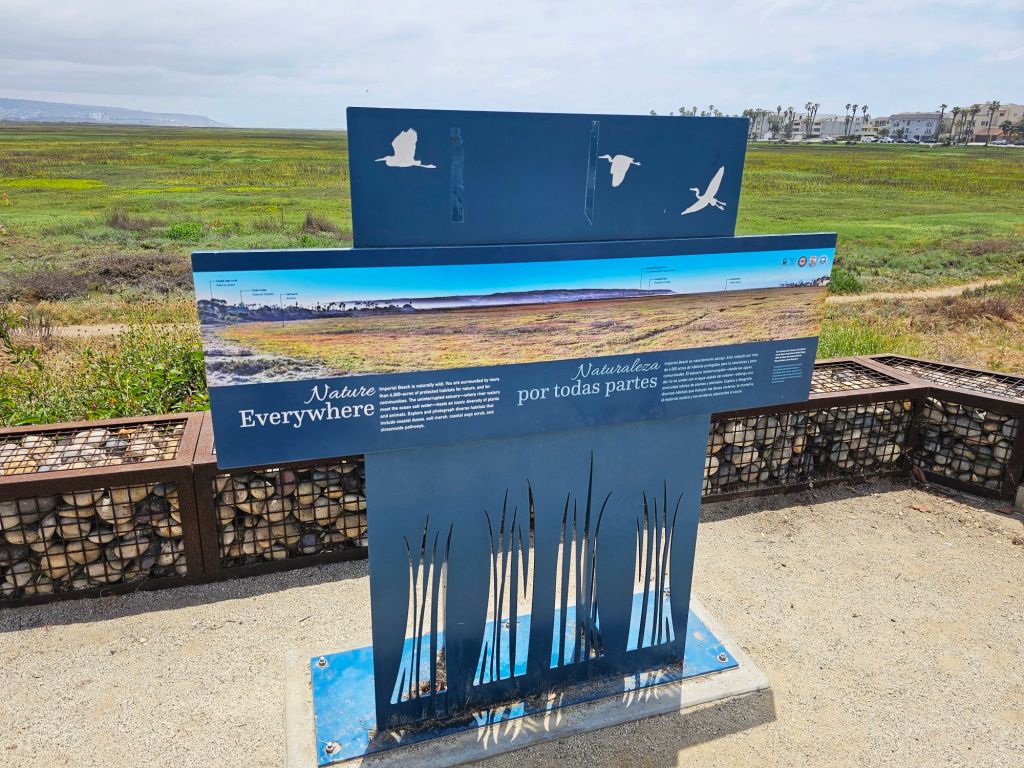
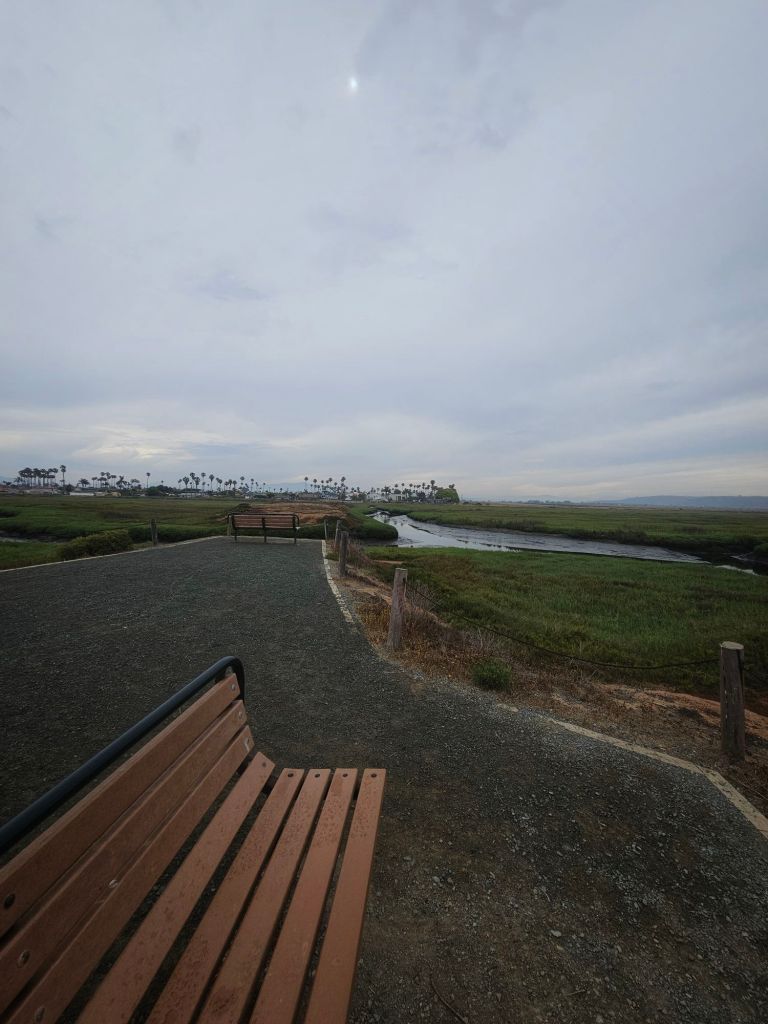
The Bayside Trail and River Mouth Trail offer easy, flat hikes with stunning views of the wetlands and the Pacific Ocean beyond. Interpretive signs along the way tell the story of the estuary’s ecology, history, and the ongoing efforts to protect it.
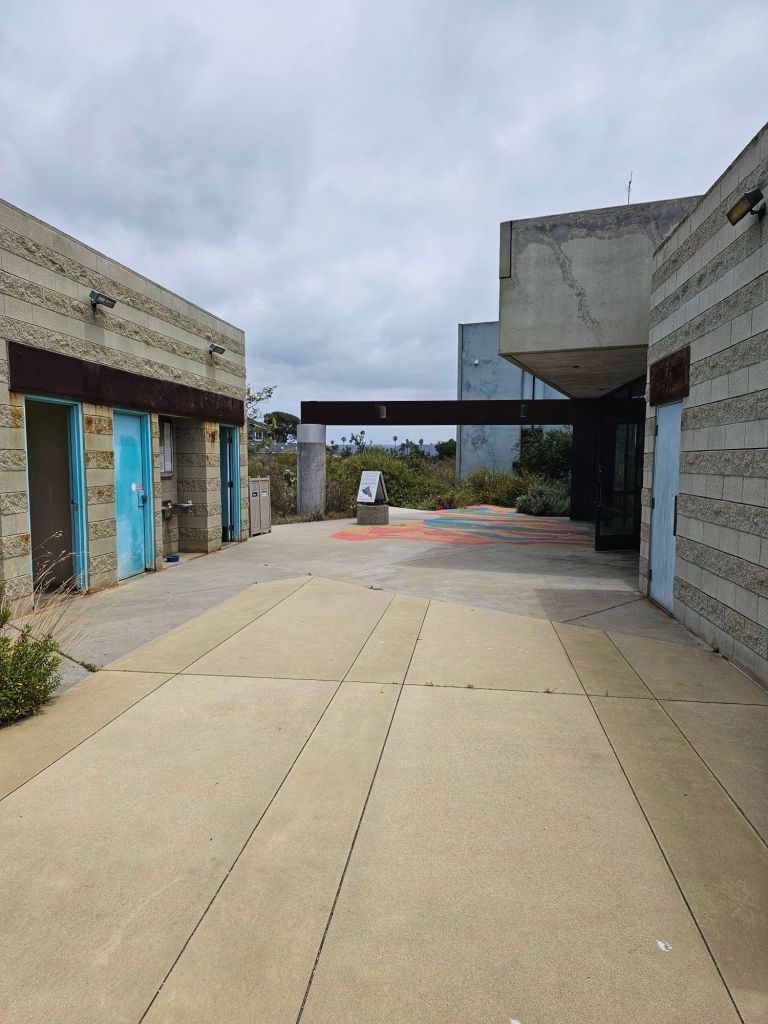
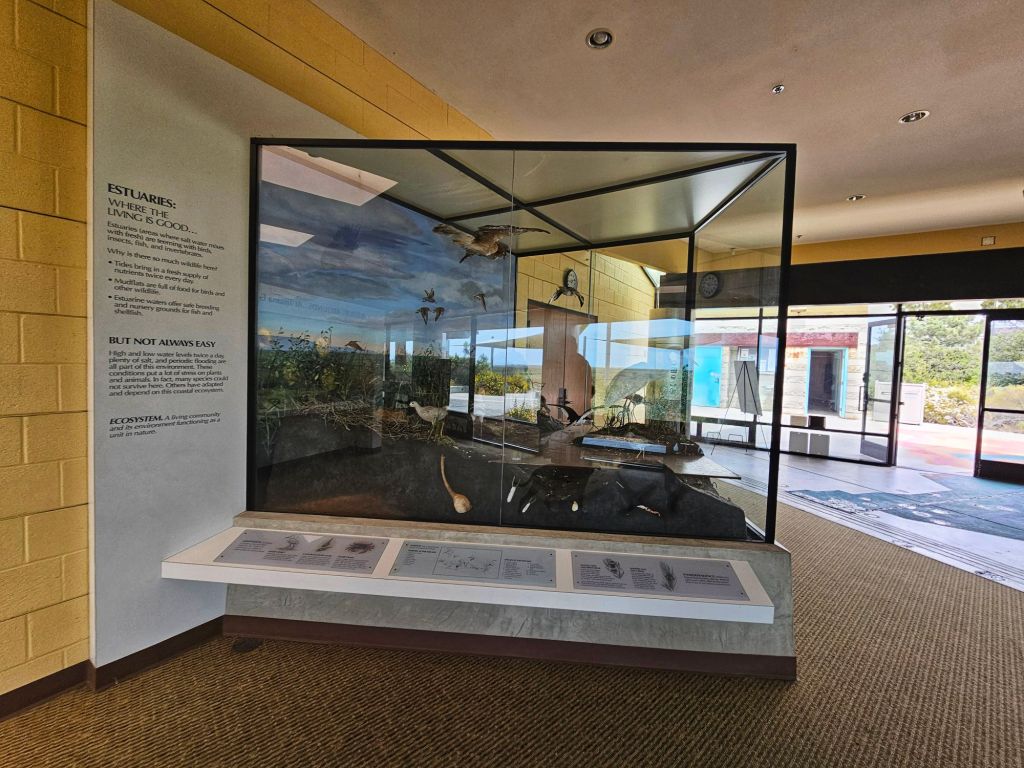
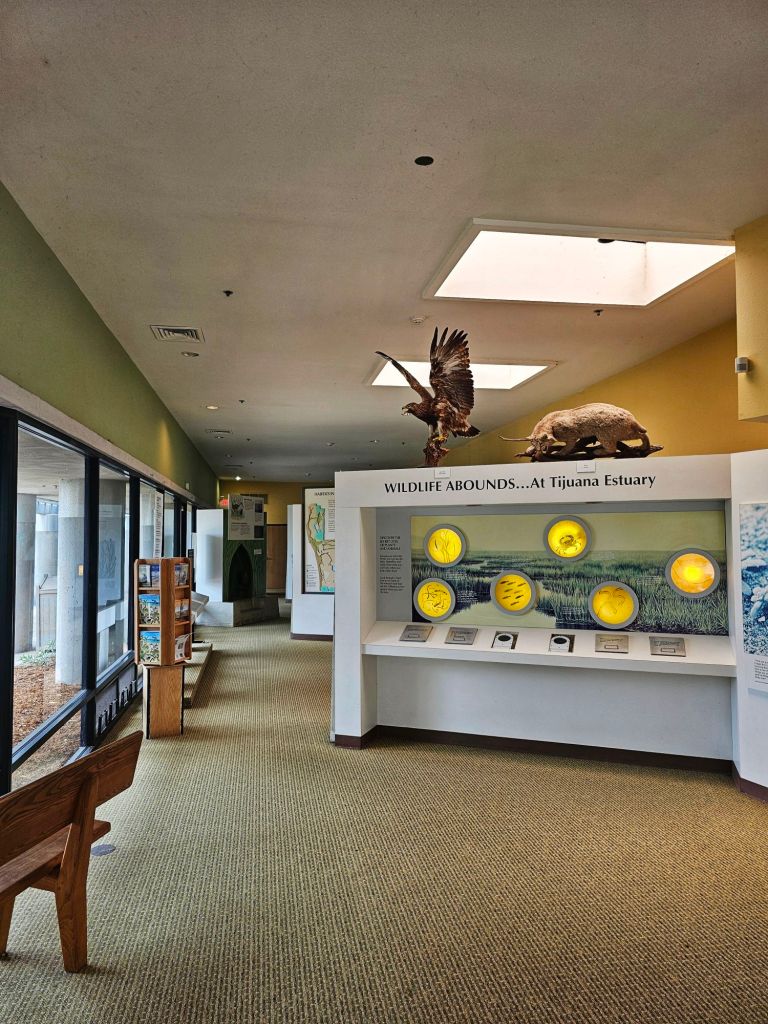
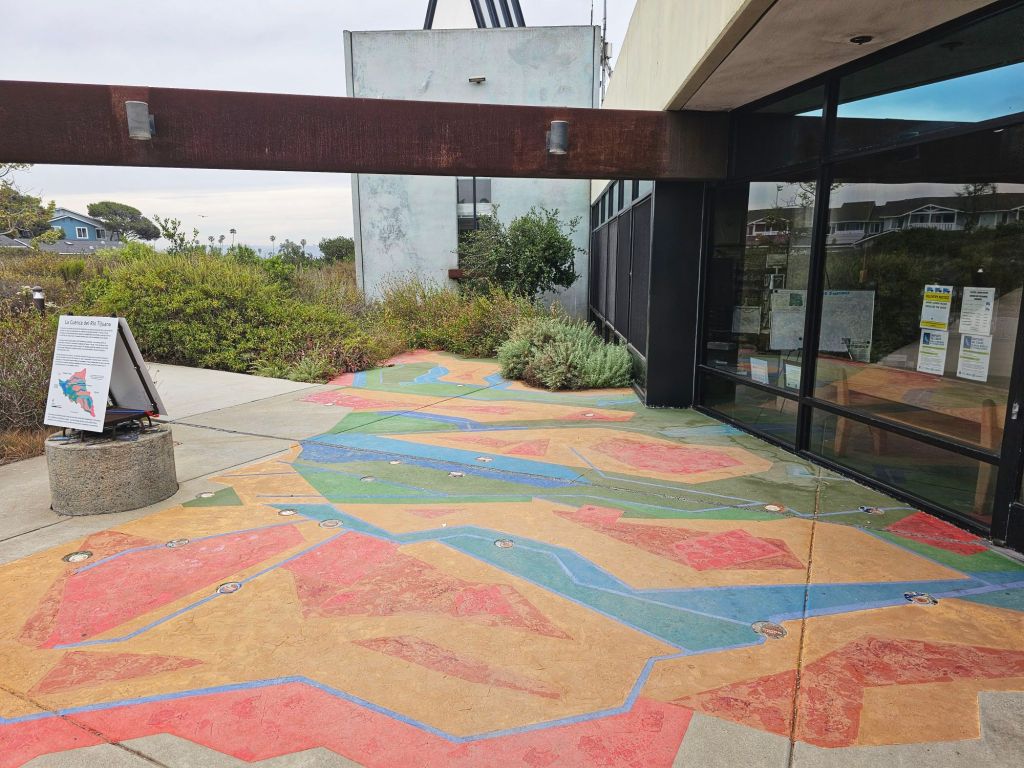
Don’t forget to stop by the Tijuana Estuary Visitor Center—a small but informative hub with exhibits, maps, and knowledgeable staff who can help guide your visit.
A Cross-Border Story
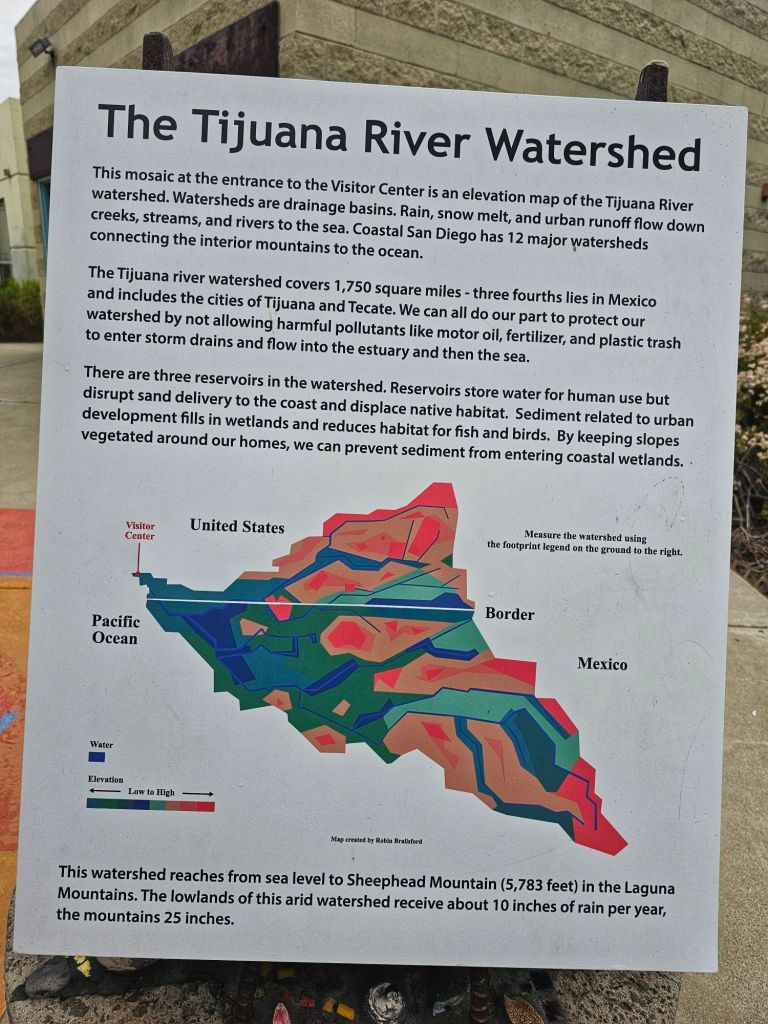
What makes the Tijuana River Estuary truly unique is its binational character. The Tijuana River originates in Mexico, flowing through the bustling city of Tijuana before crossing the U.S. border and emptying into the Pacific Ocean. Along the way, it faces challenges like pollution and urban runoff—but also inspires collaboration and conservation across borders.
Why It Matters
Estuaries like this one are among the most productive ecosystems on Earth. They provide nursery grounds for fish, shelter for birds, and natural flood control for communities. In a time of climate change and habitat loss, places like the Tijuana River Estuary remind us of nature’s resilience—and our responsibility to protect it.
Plan Your Visit
Whether you’re a birder, hiker, photographer, or simply seeking a quiet moment in nature, the Tijuana River Estuary is worth a visit. Come for the peaceful views, stay for the deeper connection to a landscape that quietly sustains life in so many ways.
The San Diego Automotive Museum hosts a monthly Cars & Coffee event, offering a welcoming environment for car enthusiasts and the general public to appreciate a diverse array of vehicles. This informal gathering welcomes up to 200 vehicles, encompassing all years, makes, models, colors, styles, and customizations. It’s an excellent opportunity to engage with fellow car enthusiasts and admire a wide range of automobiles. For more details on the Cars & Coffee event or other happenings at the San Diego Automotive Museum, please visit their official events page: https://sdautomuseum.org/
Event Details: Third Sundays most months infront of San Diego Automotive Museum, 2080 Pan American Plaza, Balboa Park from 7:30am to 9am. The Automotive Museum opens early at 8am and offers discounted entry of $10 before 10am.
Del Mar Dog Beach—officially known as North Beach—is one of San Diego County’s most beloved off-leash coastal spots for dog lovers and their four-legged companions. Located on the northern edge of Del Mar, right at the border with Solana Beach, this stretch of sand offers a welcoming and relaxed environment for pups to romp, dig, and swim.
🐾 Location
Address: North end of Del Mar, where 29th Street meets the beach.
Boundaries: Extends roughly from 29th Street north to Solana Beach’s border at Via de la Valle.
📅 Dog Rules by Season
Del Mar Dog Beach is seasonally regulated, so it’s important to know when dogs can be off-leash:
Labor Day to June 15: ➤ Dogs may be off-leash at all hours, but must be under voice control. ➤ This is the best time to let your dog run freely in the sand and surf.
June 16 to Labor Day (peak summer): ➤ Off-leash allowed only from dawn until 8:00 a.m. ➤ After 8:00 a.m., dogs must be leashed.
🌊 Why Locals Love It
Spacious Beachfront: Wide open space during low tide perfect for dogs to run, fetch, and splash.
Dog-Friendly Vibe: You’ll meet other friendly dog owners and social pups.
Beautiful Scenery: Backed by coastal bluffs and ocean views—great for human enjoyment too.
Clean & Well-Maintained: Dog waste bags and trash bins are provided—owners are expected to clean up.
🅿️ Parking Tips
Free and metered street parking is available nearby, especially along Camino del Mar or bordering streets.
Paid parking lots can be found at the beach and along Via de la Valle during busy times.
🐶 What to Bring
Leash and collar (required by law when off-leash hours end)
Water and bowl for your pup
Towel and cleanup bags (extras just in case)
Shade or umbrella for warmer days
⚠️ Things to Keep in Mind
Be sure your dog is socialized and under voice control when off-leash.
Watch for high surf or strong tides—some dogs are better swimmers than others.
The beach can get crowded during weekends and holidays—early visits are best for space and calm.
In short: Del Mar Dog Beach is a cherished spot where dogs can run free and get salty while their humans enjoy ocean breezes and camaraderie. If you’re in the area and have a pup, it’s a must-visit.
UPDATE: In February 2025 construction crews started removing and breaking down the garden spaces for an upcoming bridge project south of North Beach. It has yet to be determined what has happened to the painted memorial rocks that were placed at Gwen;s Garden.
Sometimes, the most special places aren’t grand landmarks, but small pockets of community heart, grown organically from love and dedication. For years, Gwen’s Garden, also known as the Dog Beach Memorial Garden, was exactly that – a unique and touching oasis located not in Solana Beach itself, but right at the entrance to the famous Del Mar North Beach (Dog Beach), which sits just south of the Solana Beach border.
While visitors flocked to the wide sands for off-leash fun (seasonally permitted!), many discovered this unexpected gem near the access path. But like many grassroots projects, its story has recently taken an uncertain turn.
The Story Behind the Garden
Gwen’s Garden wasn’t designed by a committee; it was born from the love of one man for his dog. Local Del Mar resident Jimmy Joe Gooding started the garden in memory of his beloved yellow Labrador, Gwen, who adored her daily visits to Dog Beach.
Seeing the entrance area as neglected, Mr. Gooding took it upon himself to clean it up and plant flowers and succulents, initially using his own resources. What started as a personal tribute and a beautification effort under Del Mar’s “Adopt a Spot” program blossomed into something more.
A Tapestry of Love and Remembrance
Over the years, Gwen’s Garden became a cherished landmark. It featured:
A Winding Path: Guiding visitors through the small plot.
Lush Greenery: A mix of succulents, wildflowers, and eventually, efforts to include native species.
Whimsical Touches: Visitors often found little statues – dogs, angels, gnomes – tucked among the plants.
Painted Rocks: This became the garden’s most poignant feature. Hundreds of smooth stones, lovingly painted by visitors with the names and paw prints of their own departed canine companions, lined the path and filled the spaces.
A Sense of Peace: It was a quiet spot for reflection, remembrance, and appreciating the simple, powerful bond between humans and their pets.
An Uncertain Present
Gwen’s Garden represented community spirit, but it also faced challenges. Located on state land, the garden ran into permitting issues with the Coastal Commission, particularly regarding non-native plants and unpermitted structures like pathways.
Crucially, reports surfaced in early 2025 suggesting the garden had been significantly altered or possibly removed.Reasons cited included these ongoing permitting issues, potential safety concerns, and the land possibly being needed for future construction related to a nearby bridge project.
While the exact status today is difficult to confirm without visiting, photos and discussions from that time indicated the area may have been cleared, with the fate of the hundreds of memorial rocks uncertain (perhaps moved to storage or an exhibit).
The Enduring Spirit
Whether Gwen’s Garden exists today in its previous cherished form or not, its story remains a testament to:
The Love for Pets: A powerful motivator for creating beauty and community.
Individual Action: How one person’s dedication can create something meaningful for many.
Shared Remembrance: The comfort found in sharing grief and happy memories in a dedicated space.
Visiting Del Mar Dog Beach Today
If you visit Del Mar North Beach (Dog Beach), the beautiful stretch of sand where dogs can run free (seasonally off-leash, check rules!) is still there. However, be prepared that the specific memorial garden area at the entrance may look very different from photos and descriptions from previous years.
Gwen’s Garden was a special place born from a simple idea: honoring a beloved companion. While its physical form may be subject to change, the love and memories it represented undoubtedly linger in the sea air for all who knew it.